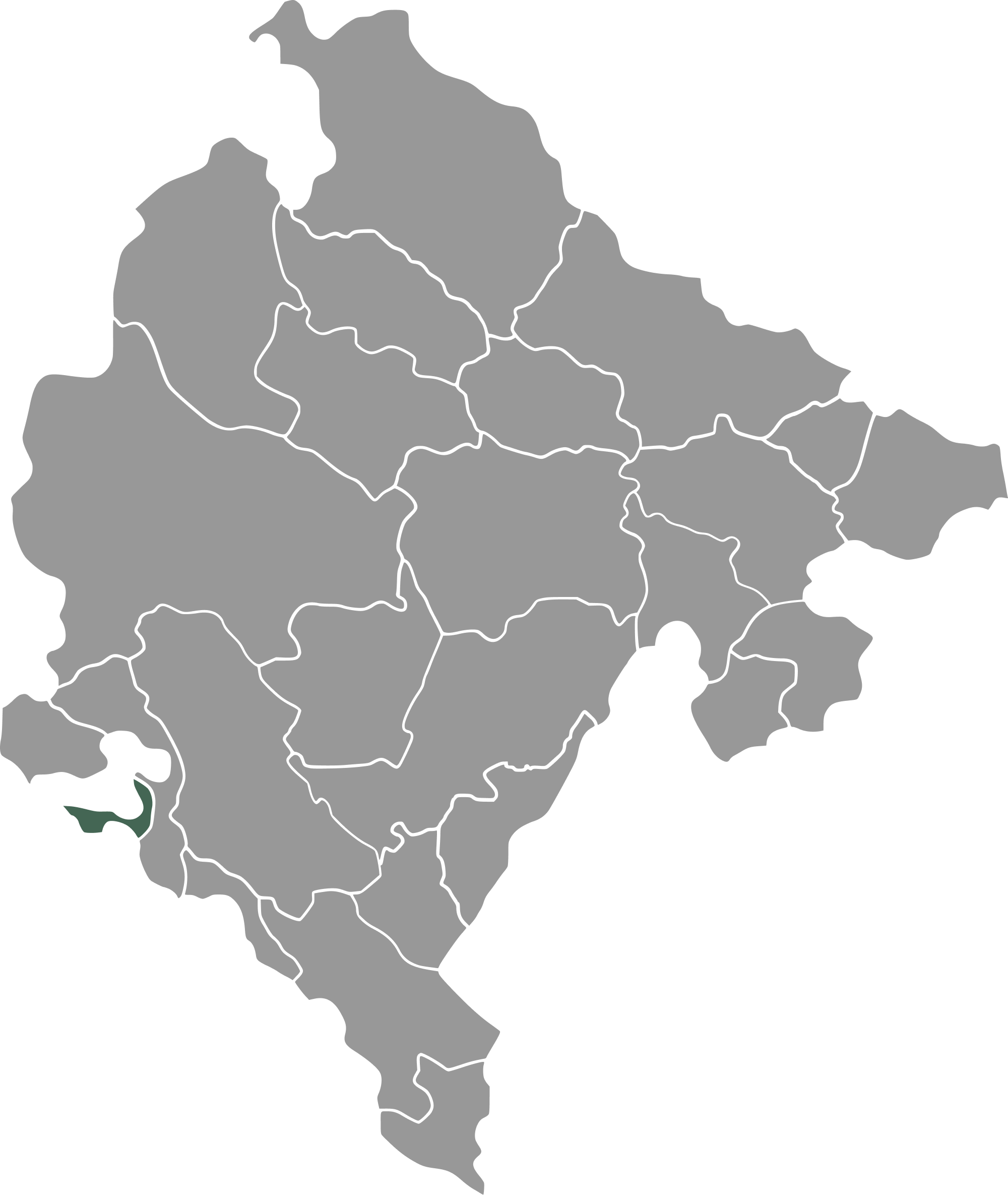
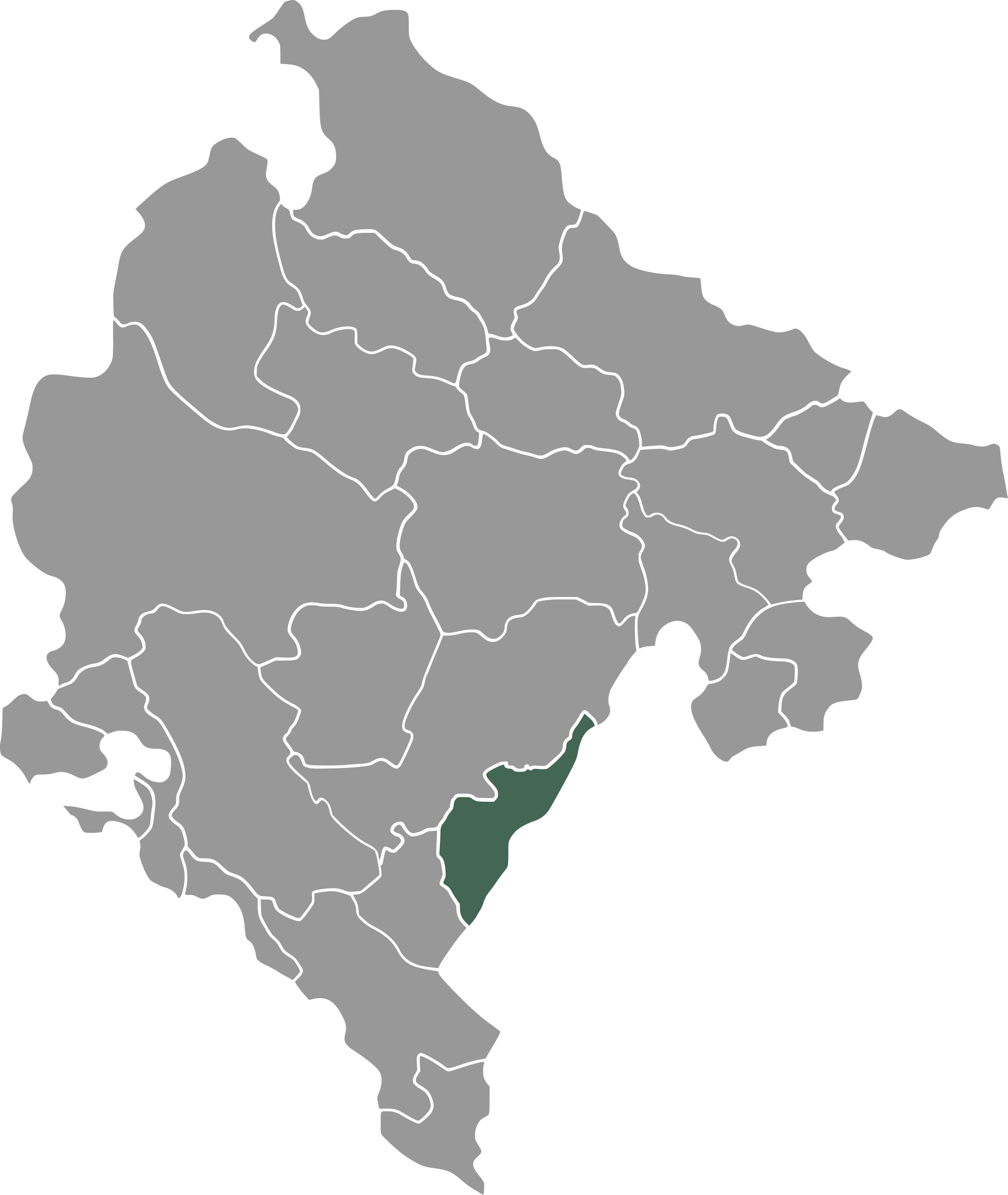
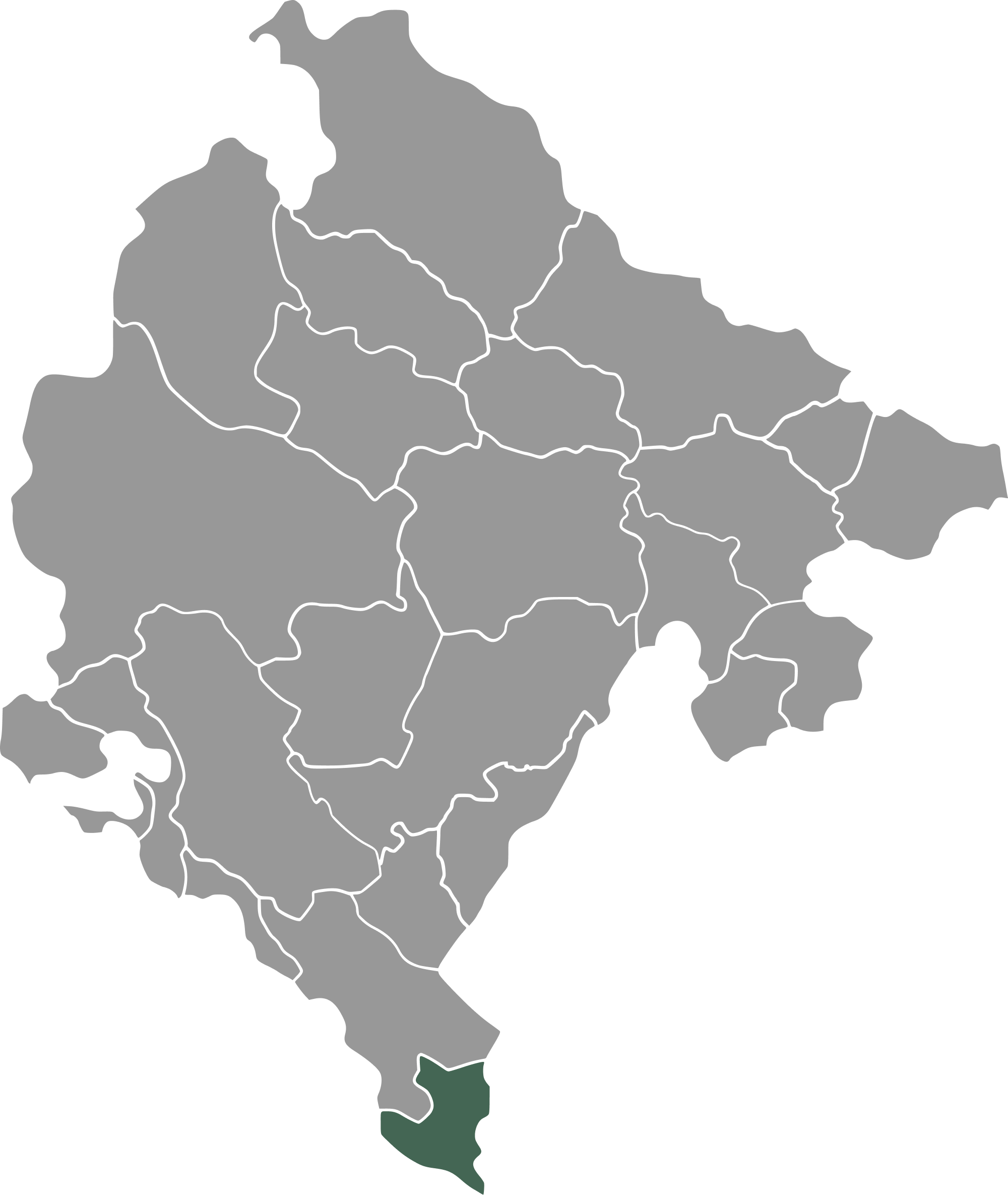
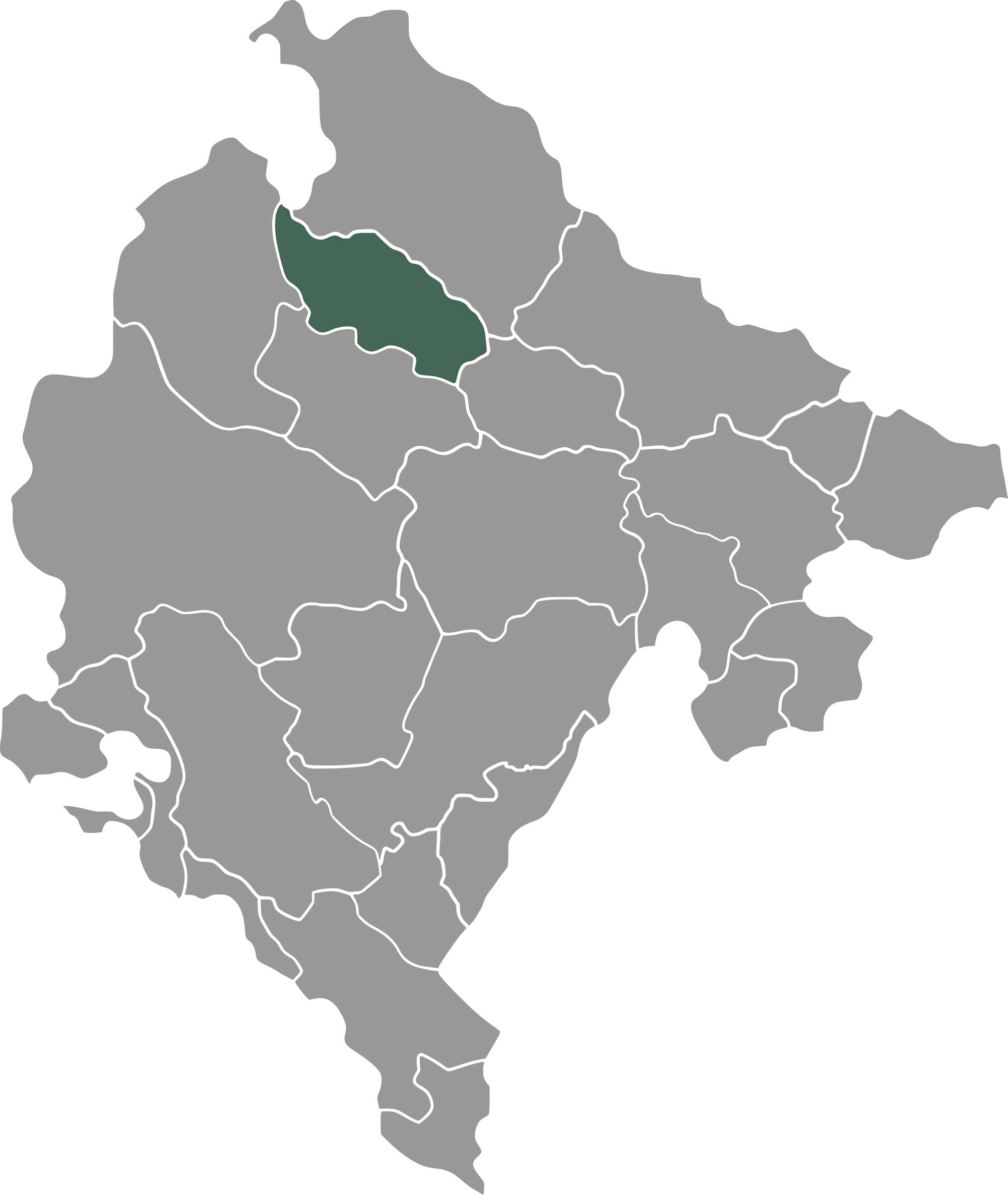
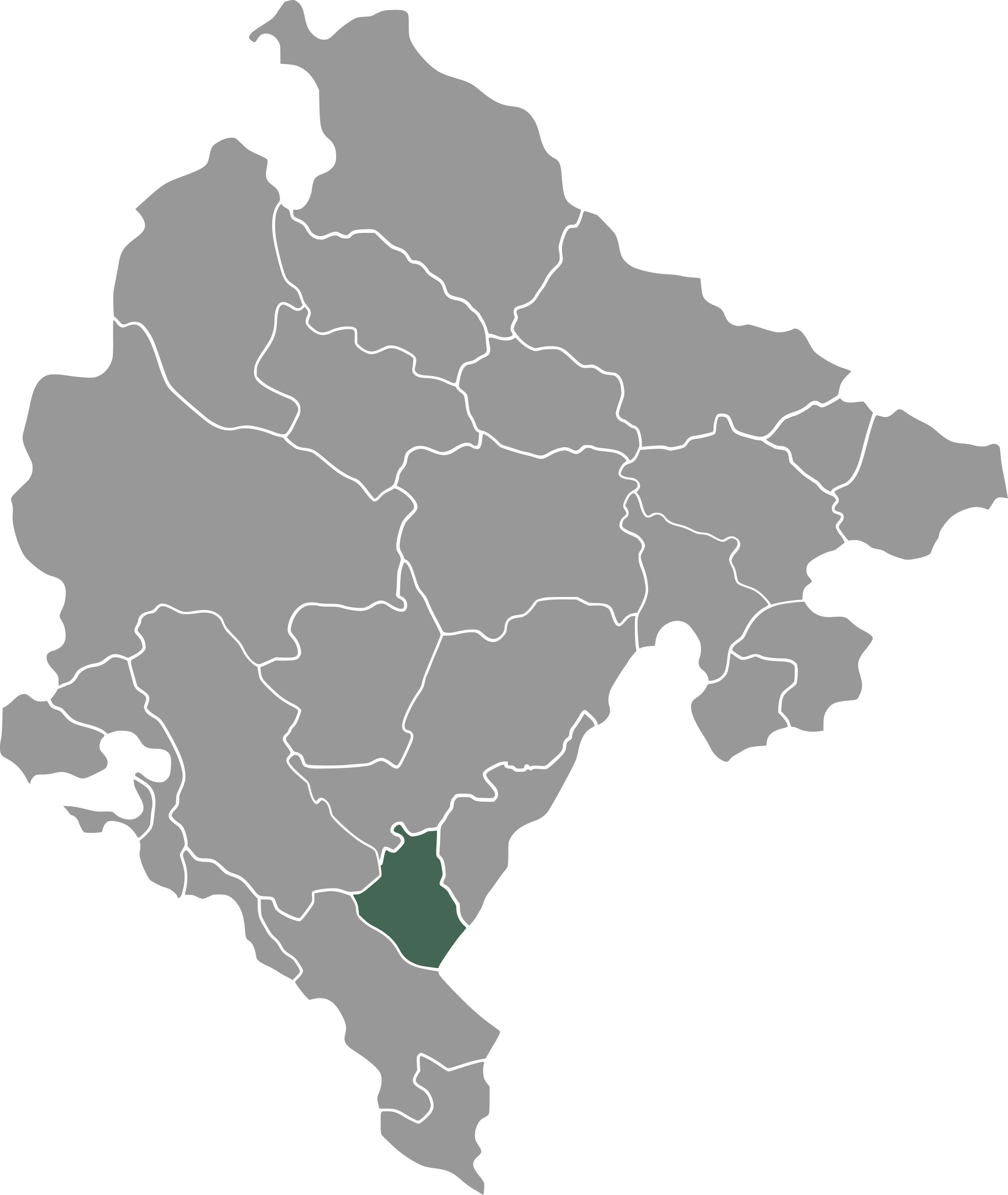
Nestled in a rocky valley between the slopes of Mount Lovćen, Cetinje stands as a symbol of Montenegrin statehood, culture, and spirituality.
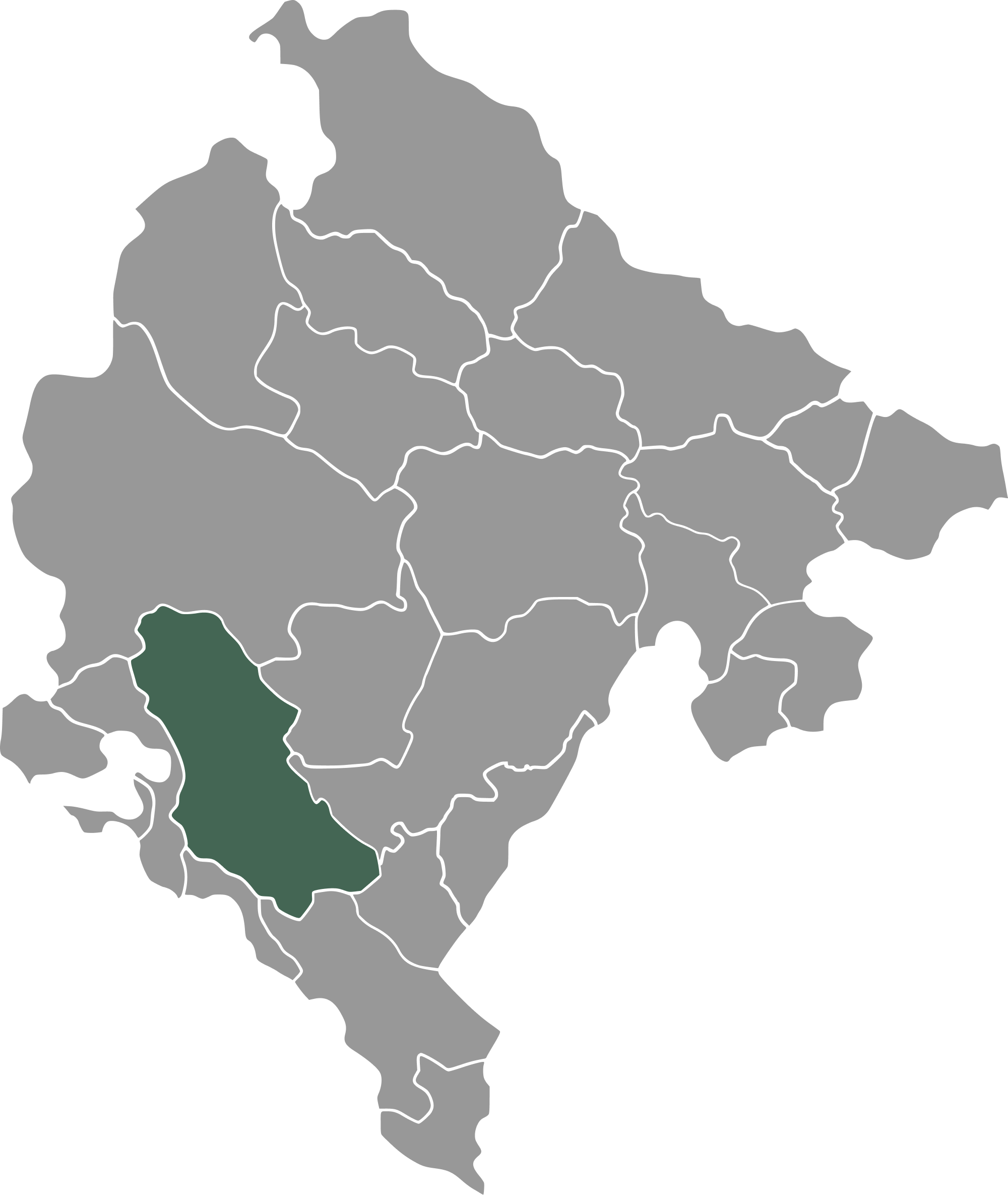
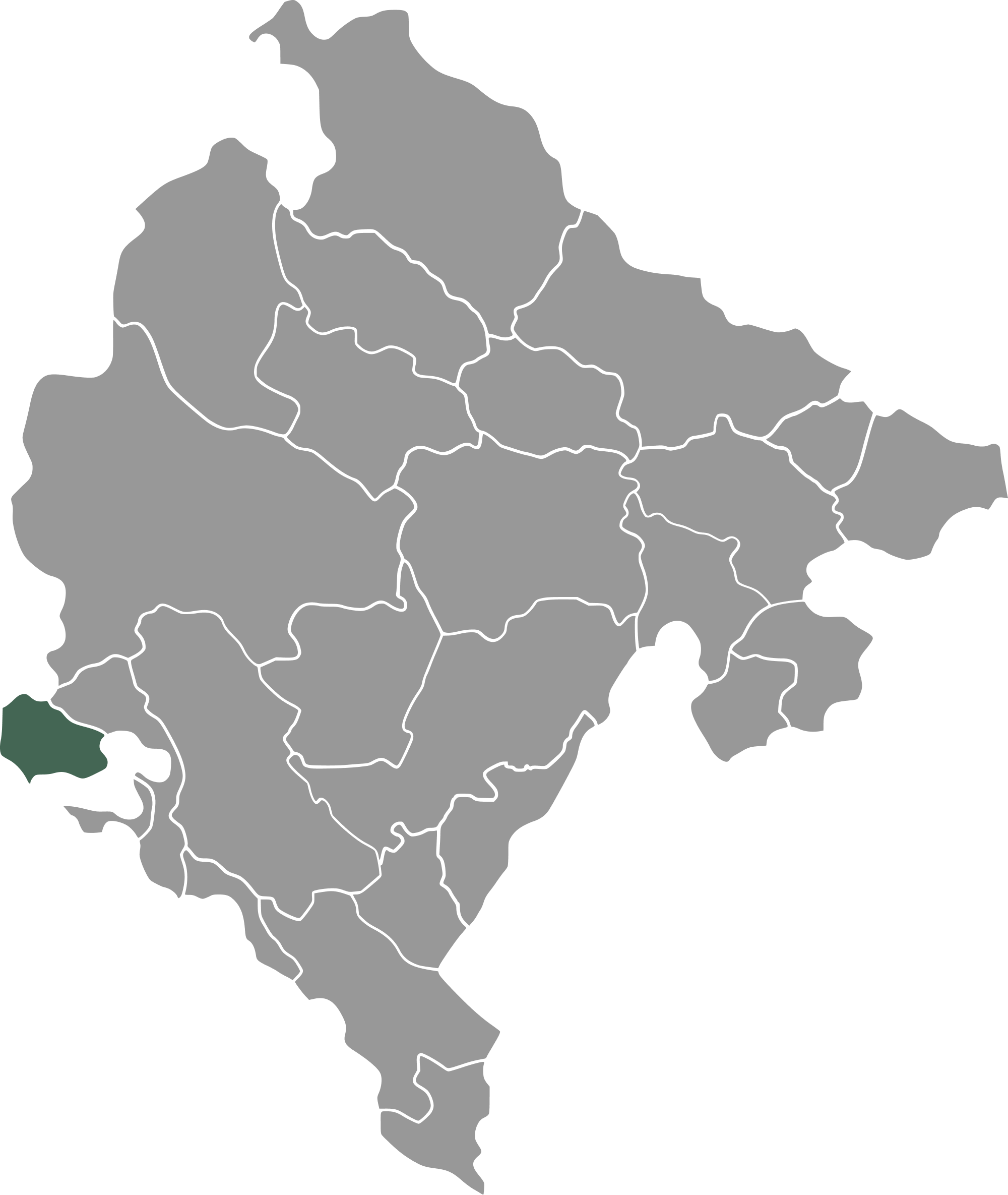
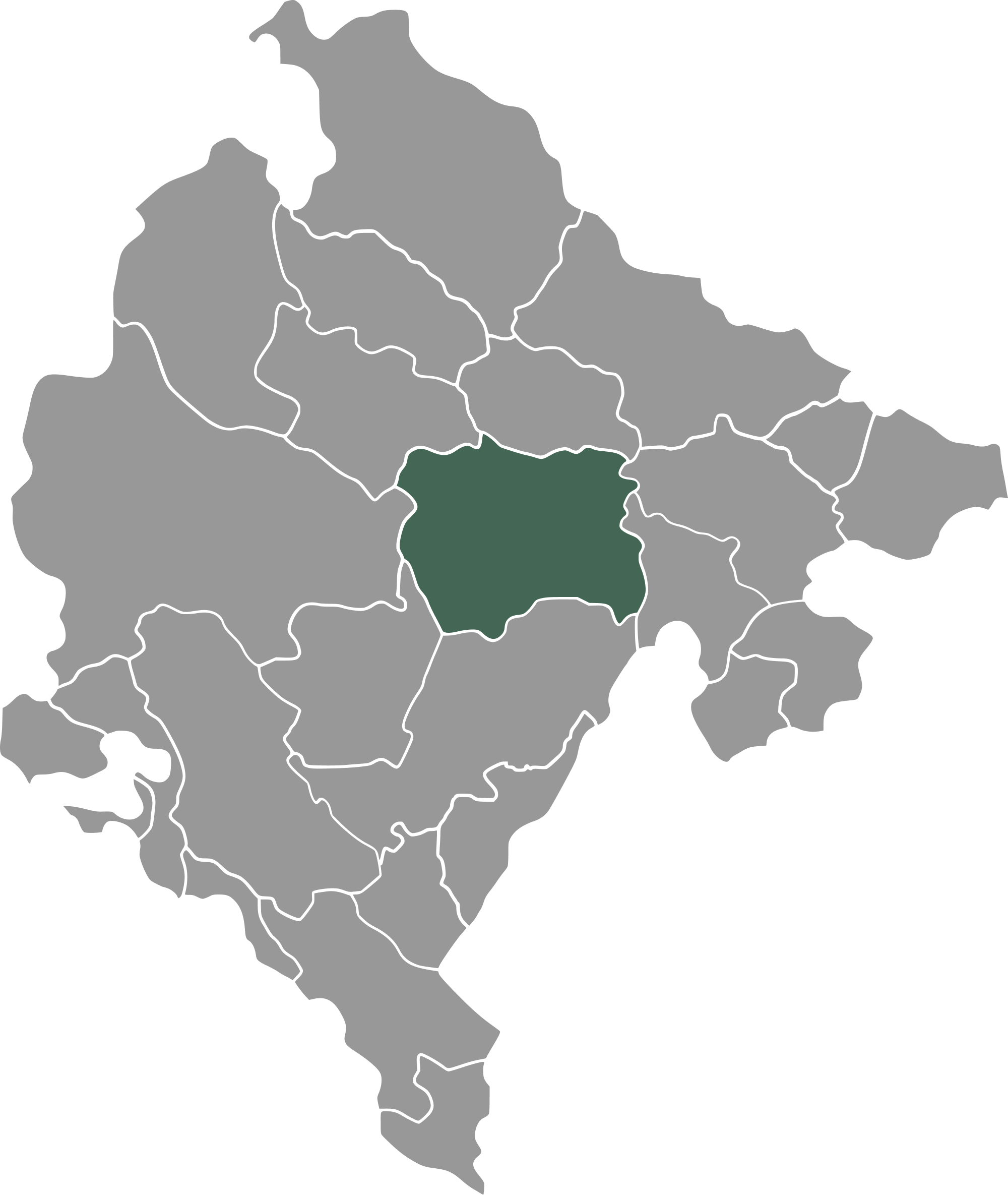
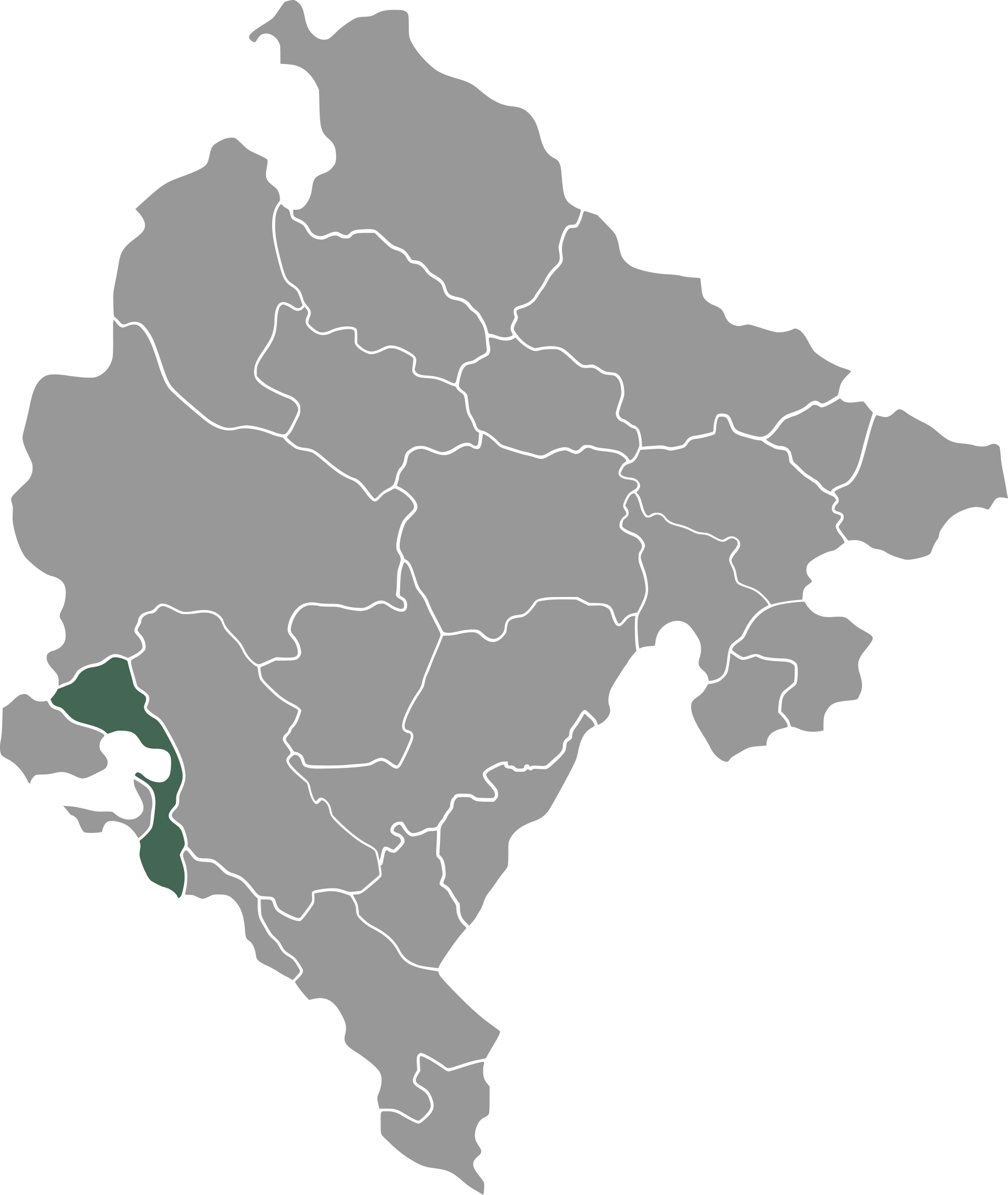
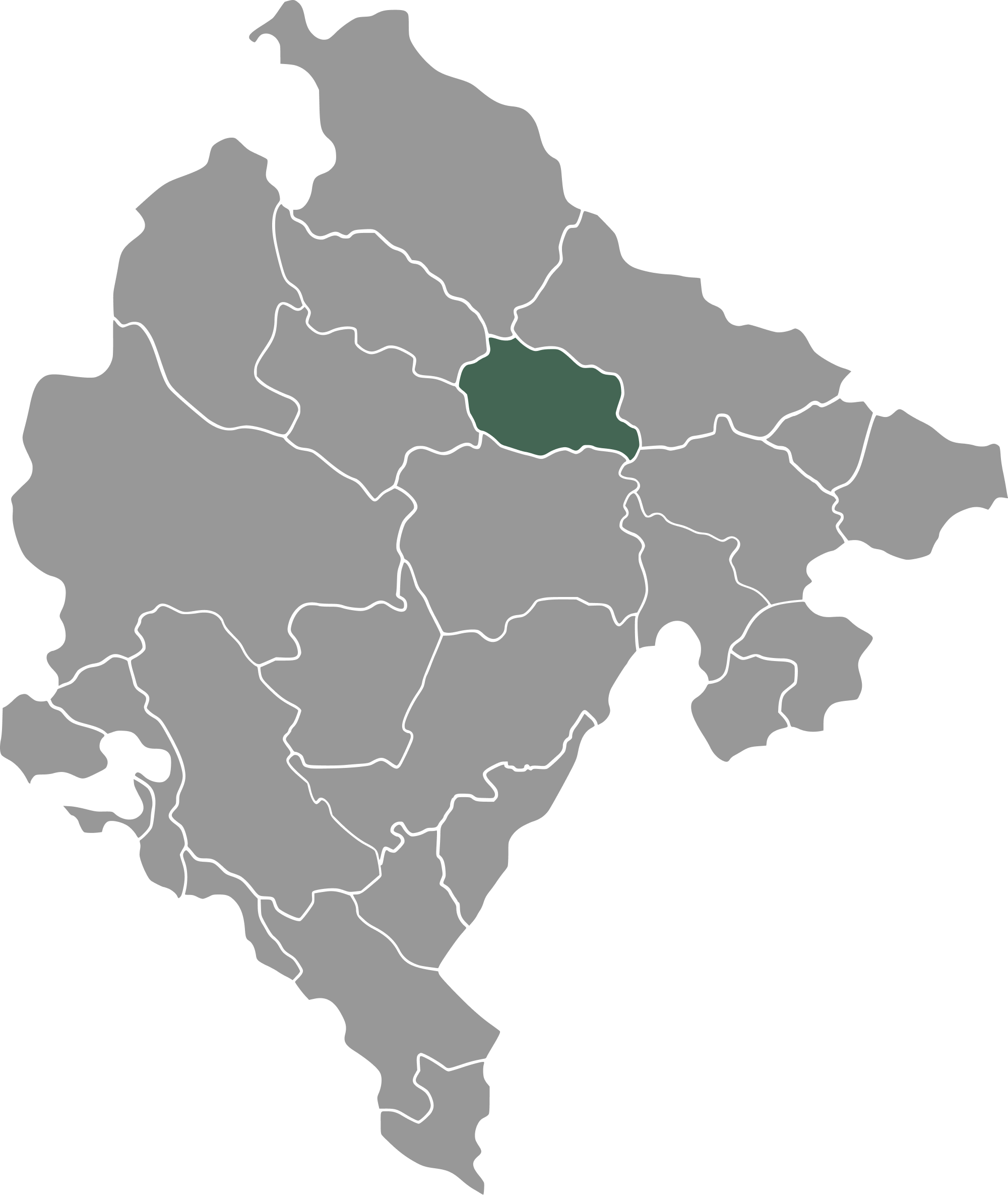
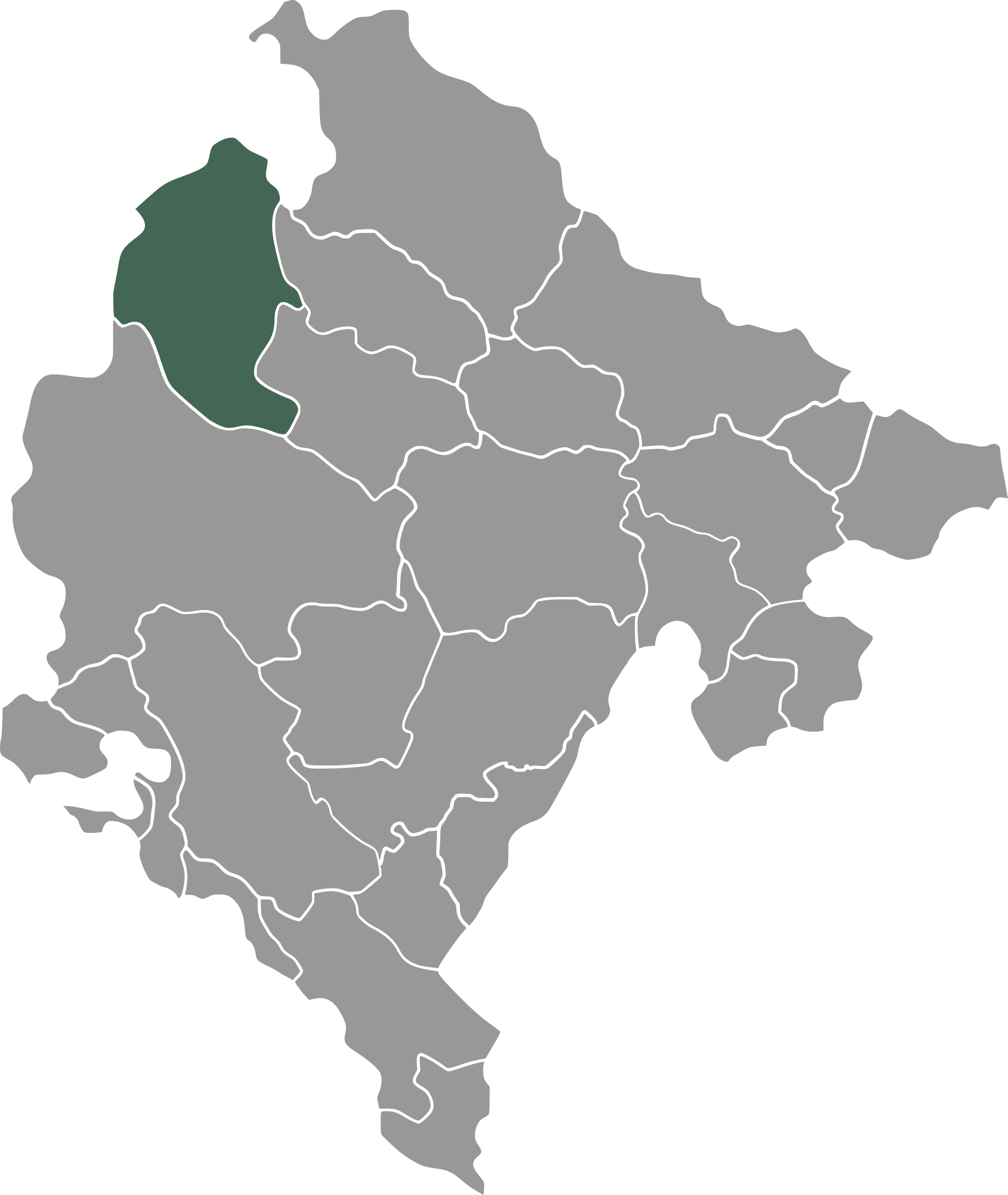
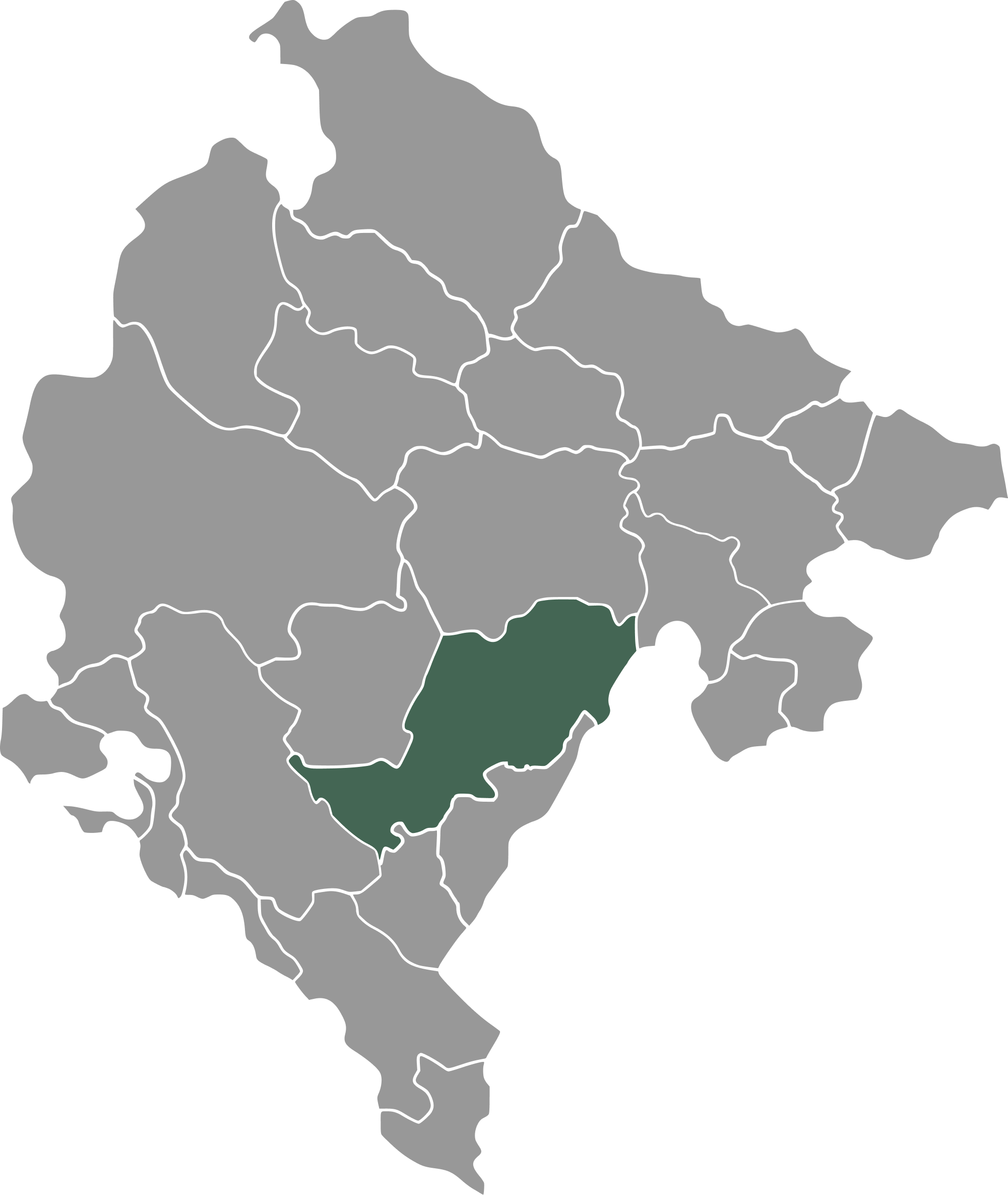
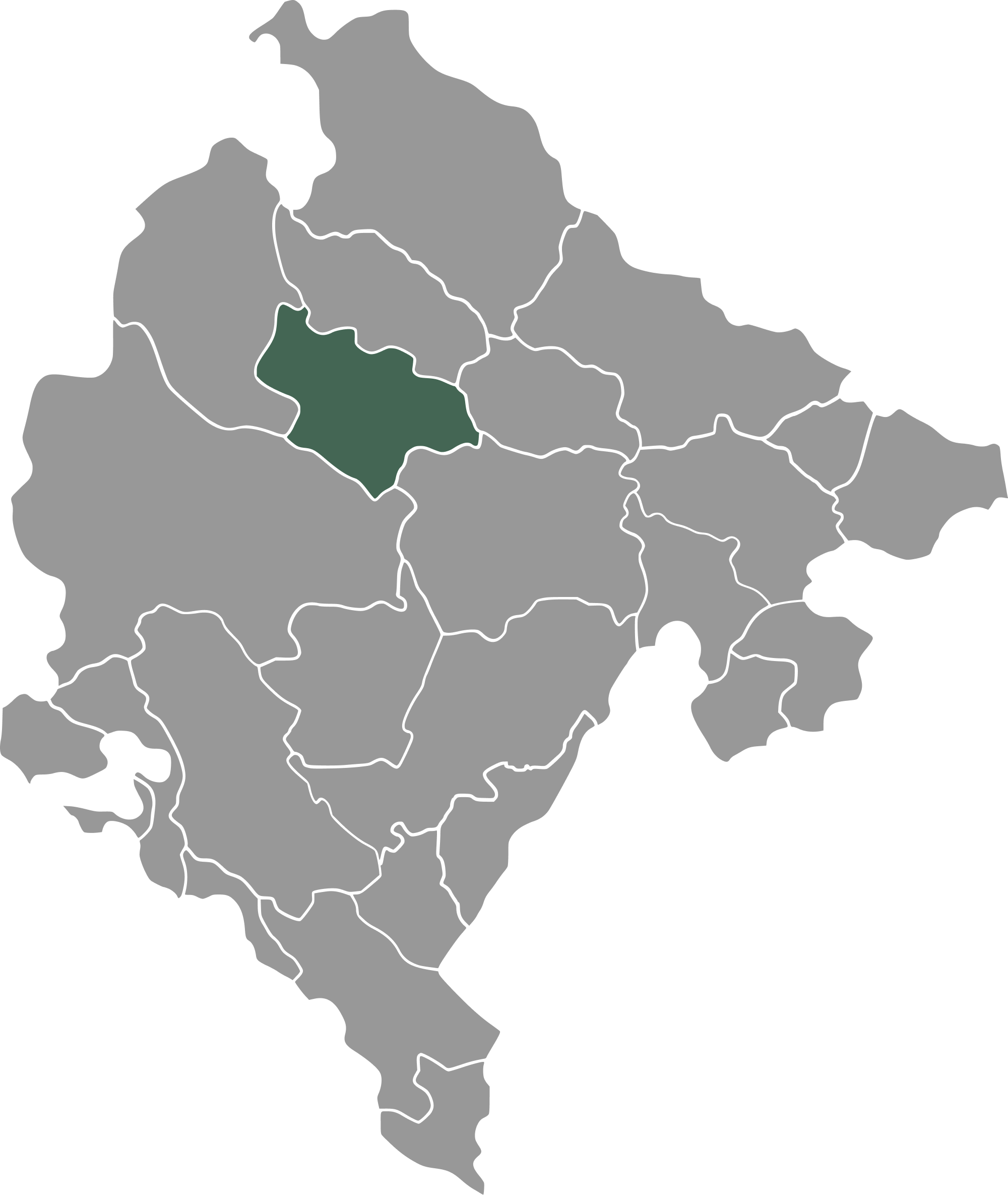
The town was founded in the late fifteenth century as the seat of Montenegro’s rulers. Cetinje itself covers an area of 6 square kilometres, while the territory of the Royal Capital of Cetinje extends over 910 square kilometres, accounting for 6.6% of Montenegro’s total land area. It has a population of around 14,000, and its proximity to Podgorica and Budva gives it a distinctive position between the mountains and the sea.
Cetinje has a predominantly Montenegrin population and possesses a strong cultural identity. The town is steeped in the legacy of the Petrović prince-bishops, the royal family, and former diplomatic missions. The Orthodox tradition prevails, yet Catholic religious buildings are also present, bearing witness to the capital’s European ties.
Cetinje is a place where national history is felt at every step.
The local economy is modest in scale and relies primarily on public institutions, academic establishments, museums, and tourism.
The town’s location at the foot of Lovćen makes it well suited to the development of mountain and cultural tourism. Souvenir production, craftsmanship, and small family-run businesses form an important part of the local economy.
A large share of income comes from visitors who throughout the year tour its museums, monasteries, and memorial complexes.
Cetinje is one of the country’s most important educational centres. It is home to the Faculty of Fine Arts, the Faculty of Dramatic Arts, the Faculty for Montenegrin Language and Literature, and the Music Academy. These institutions bring together students from across the region.
The town also has several primary and secondary schools, including the Gymnasium, renowned for its long tradition.
Cetinje is Montenegro’s most concentrated cultural centre, a town where history is not only read about in books, but felt at every step. In its historic centre stand the country’s most important museum institutions, gathered under the umbrella of the National Museum of Montenegro. Especially notable are the History Museum and the Art Museum housed in Government House, the King Nikola Museum, Njegoš’s Biljarda Museum, and the Ethnographic Museum, while the entire old town centre gives the impression of an open-air museum.
Among the most important monuments and cultural and historical sites are the Cetinje Monastery, one of Montenegro’s foremost spiritual centres; the Royal Theatre Zetski dom, the oldest theatre institution in the country; as well as a series of former legations, public buildings, and squares that testify to Cetinje’s former role as the royal capital.
Throughout the year, Cetinje hosts numerous cultural programmes, while the summer season comes particularly alive through the event Summer in the Royal Capital, which brings together concerts, theatre performances, exhibitions, and open-air programmes. It is precisely this blend of museum heritage, historic architecture, and contemporary cultural life that gives the town its distinctive rhythm and makes it one of the most authentic places in Montenegro in which to live, stroll, and experience the country’s traditions.
One of Cetinje’s greatest advantages lies in the diversity of landscapes in its immediate surroundings, where mountain terrain, forest trails, caves, and lake scenery follow one another in quick succession. Above the town rises Lovćen National Park, with Ivanova Korita as a favourite destination for walking, picnics, and time spent in nature, while Jezerski vrh offers one of the most celebrated panoramic views in Montenegro.
Near Cetinje is Lipska Cave, one of the most attractive natural sites in the region, while the area stretching towards Rijeka Crnojevića and Lake Skadar takes on an entirely different character, with meanders, viewpoints, boat and kayak rides, and exceptionally rich plant and bird life.
What gives this area special value is precisely the diversity of its landscapes, for from Cetinje one can very quickly reach both the mountain setting of Lovćen and the calmer, almost postcard-like scenery of Rijeka Crnojevića and Pavlova Strana.
Cetinje has direct road links with Podgorica, Budva, Kotor, and Nikšić. The road to the Bay of Kotor winds through a series of hairpin bends with striking views of the coast.
The nearest airport is in Podgorica. Bus routes connect the town with the coast, the central part of the country, and the north. Cetinje also benefits from the relative proximity of Tivat Airport, as well as the Kotor-Lovćen cable car, which further links this area with the Bay of Kotor and makes it even more accessible and attractive to visitors.
Sport has a long tradition in Cetinje. The best known club is Lovćen Handball Club, which for years has achieved significant results on both the domestic and regional stage.
The town has sports halls, courts, and recreational zones, while Lovćen offers hiking trails and training in nature. Cycling, running, and winter activities at higher altitudes are also becoming increasingly popular.
Cetinje has a distinctive investment potential rooted in culture, tourism, and education. Properties for long-term rental to students of the arts faculties are in demand, as are facilities intended for tourism.
Locations near Biljarda, the Bishop’s Residence, and Njegoš Park are especially attractive because of the steady flow of visitors.
The development of mountain tourism on Lovćen and the expansion of cultural programmes are creating new opportunities for investment in small hotels, hostels, studios, craft shops, and hospitality venues.
Prices are lower than on the coast and in Podgorica, which makes the town a relatively safe entry point for long-term investors.
Cetinje offers an authentic insight into Montenegrin history. A visit to its museums, a walk through its old streets, an ascent of Lovćen, and a trip to Njeguši reveal the roots of the country’s culture and tradition.
Life moves at a gentle and pleasant pace. Distances are short and everything is close at hand, and people know one another. Summers bring events beneath the linden trees, while winters bring peace and quiet. Students, artists, and families live in a town rich in history and nature.
Cetinje is a town of quiet dignity, surrounded by mountains and tradition, ideal for those who value simplicity and a rich cultural atmosphere.
View listings in Cetinje