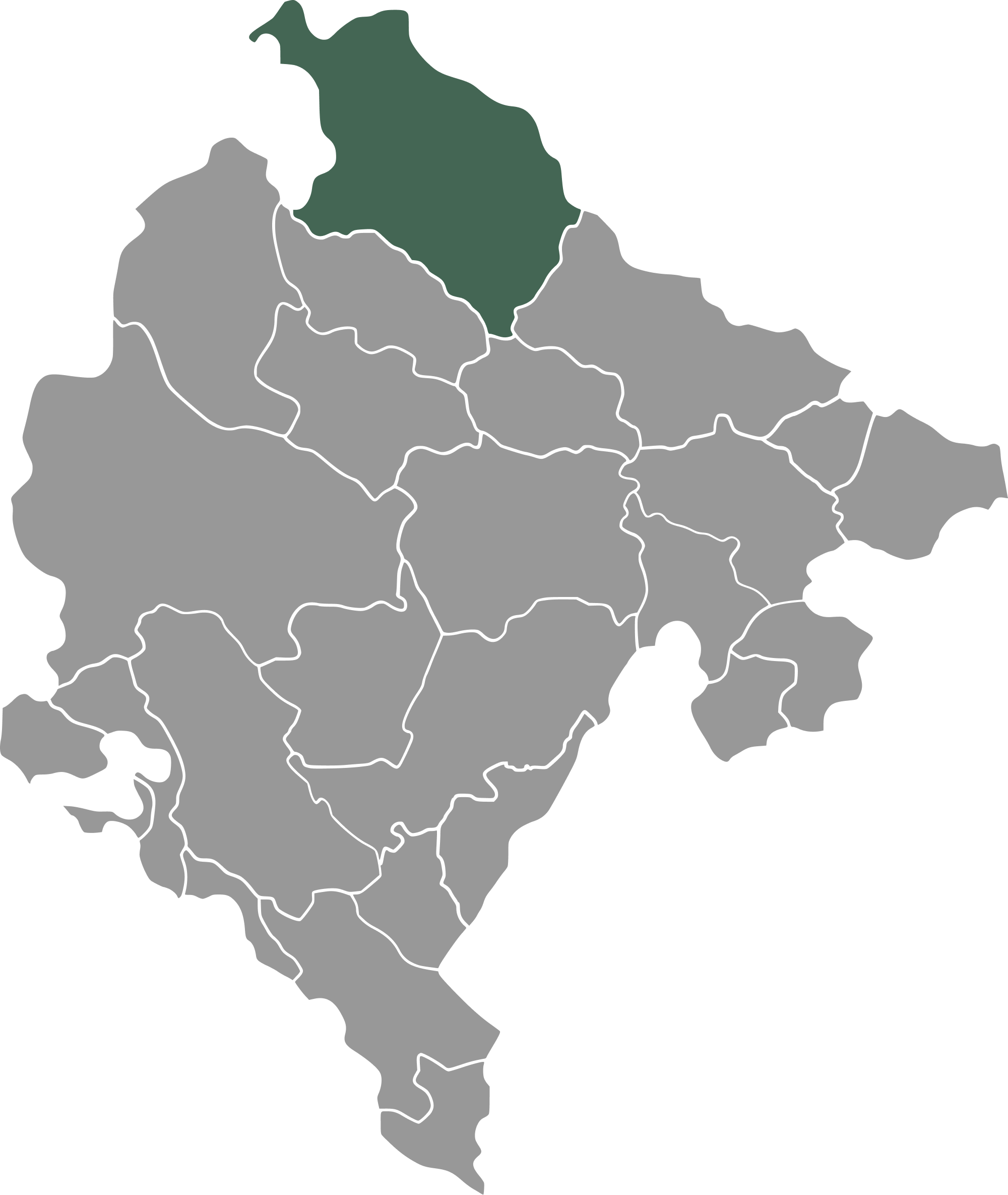
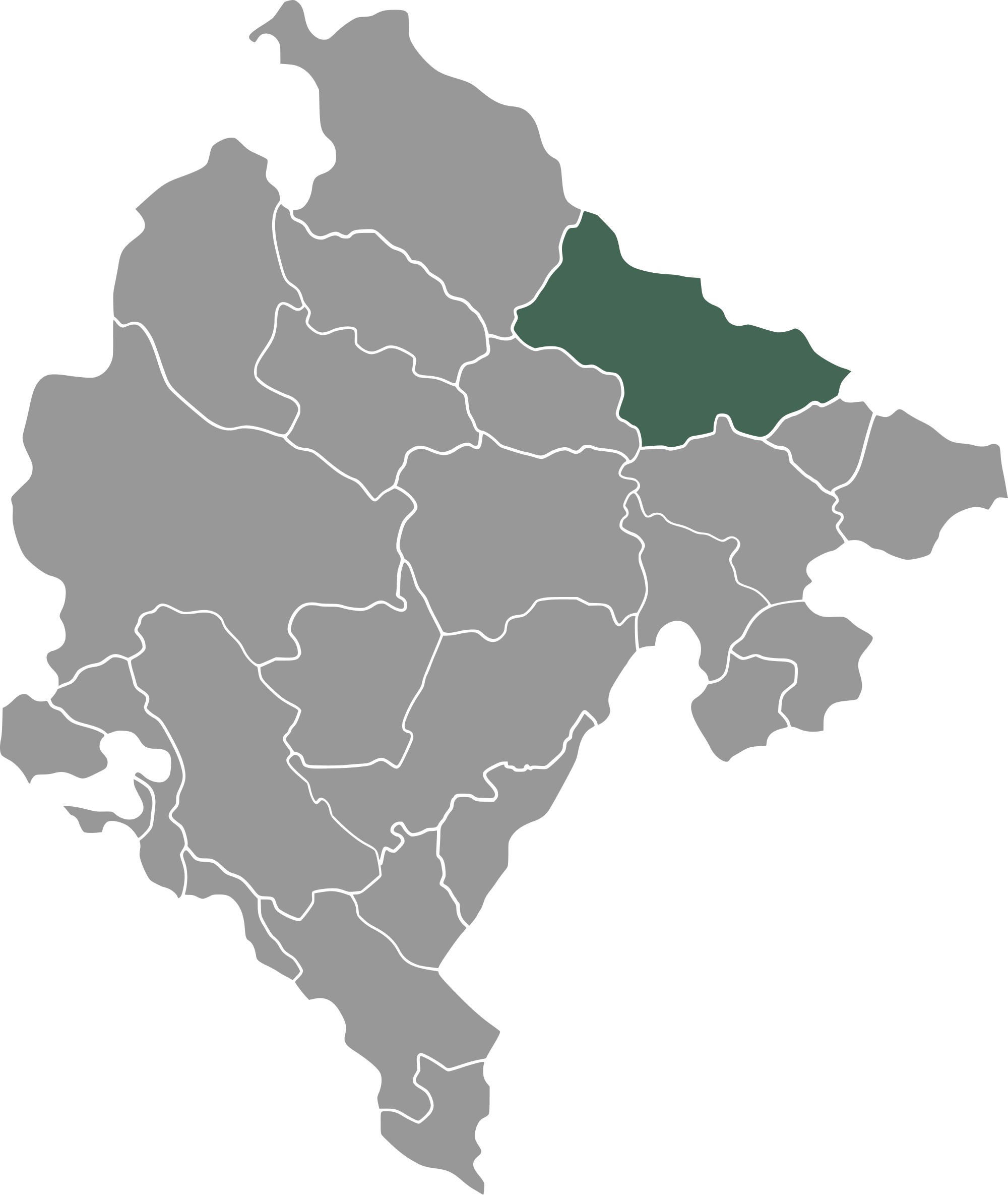
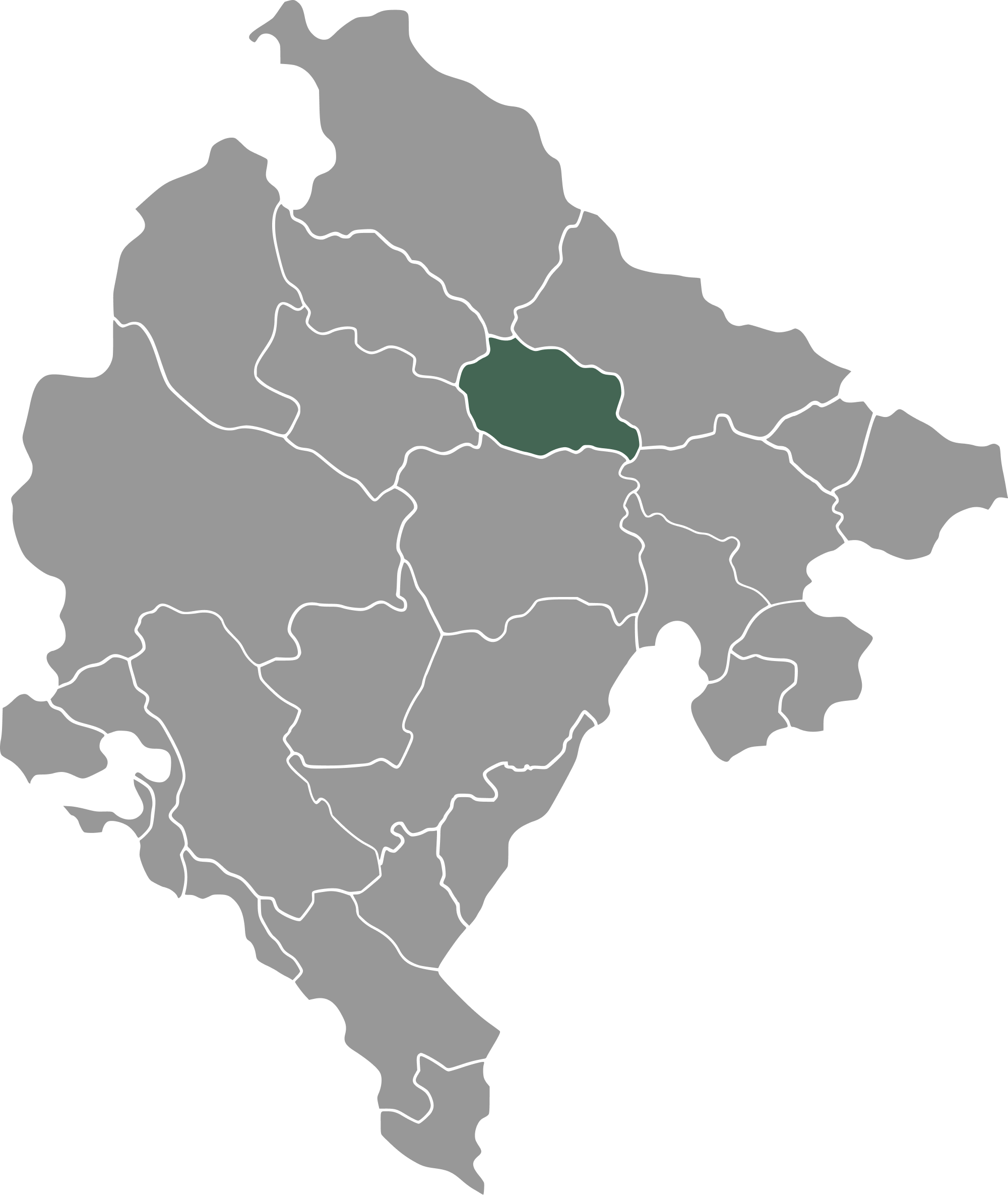
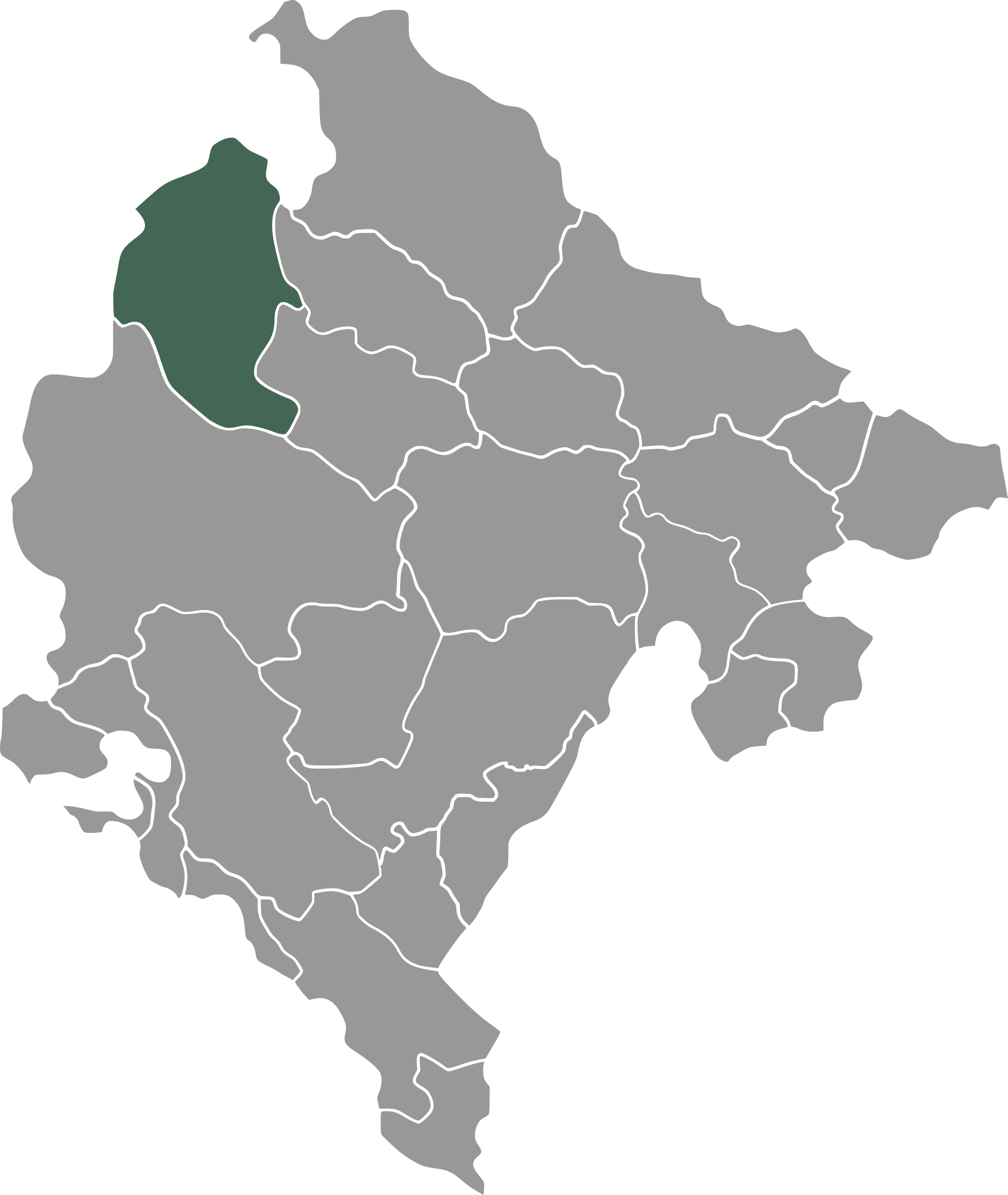
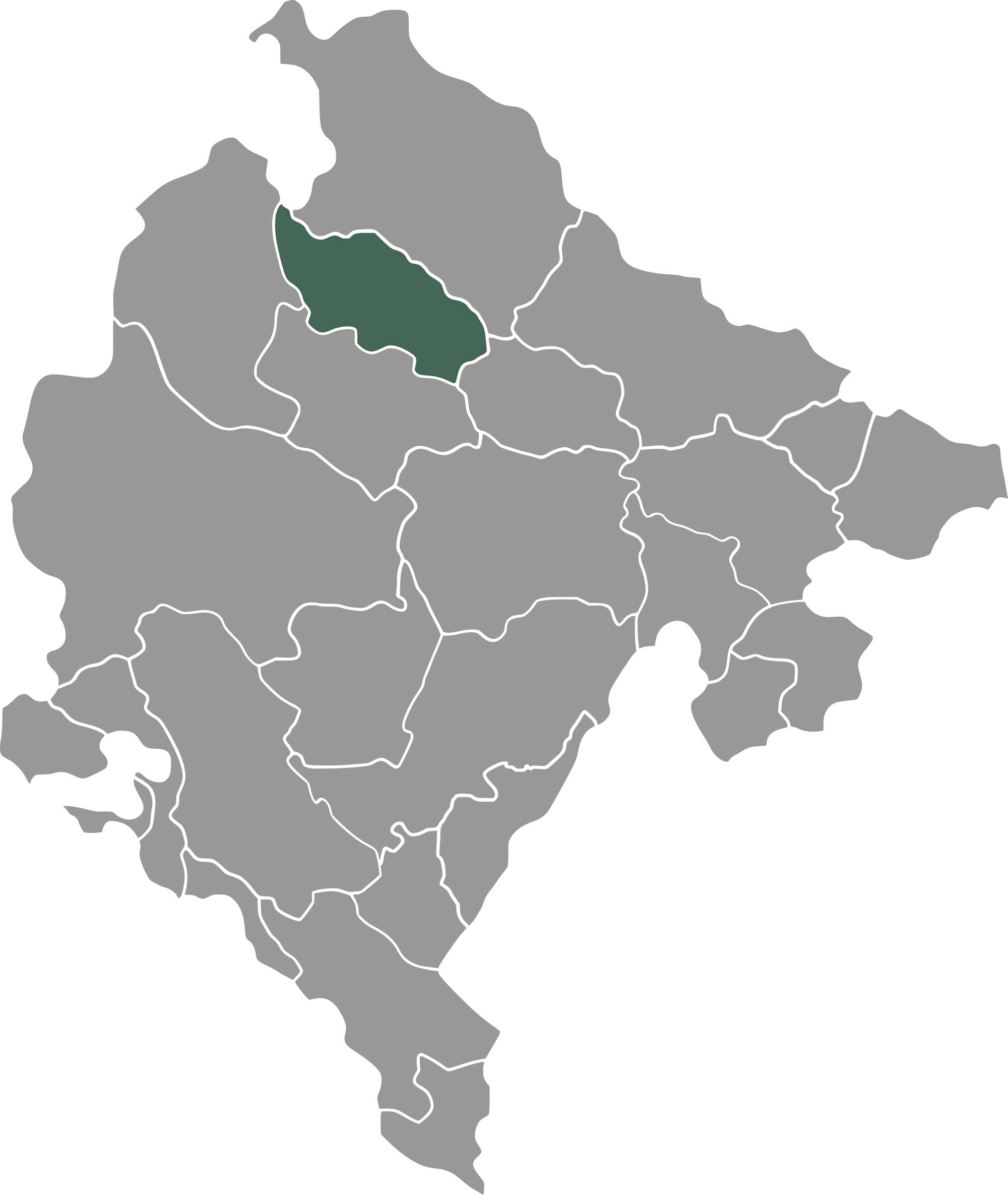
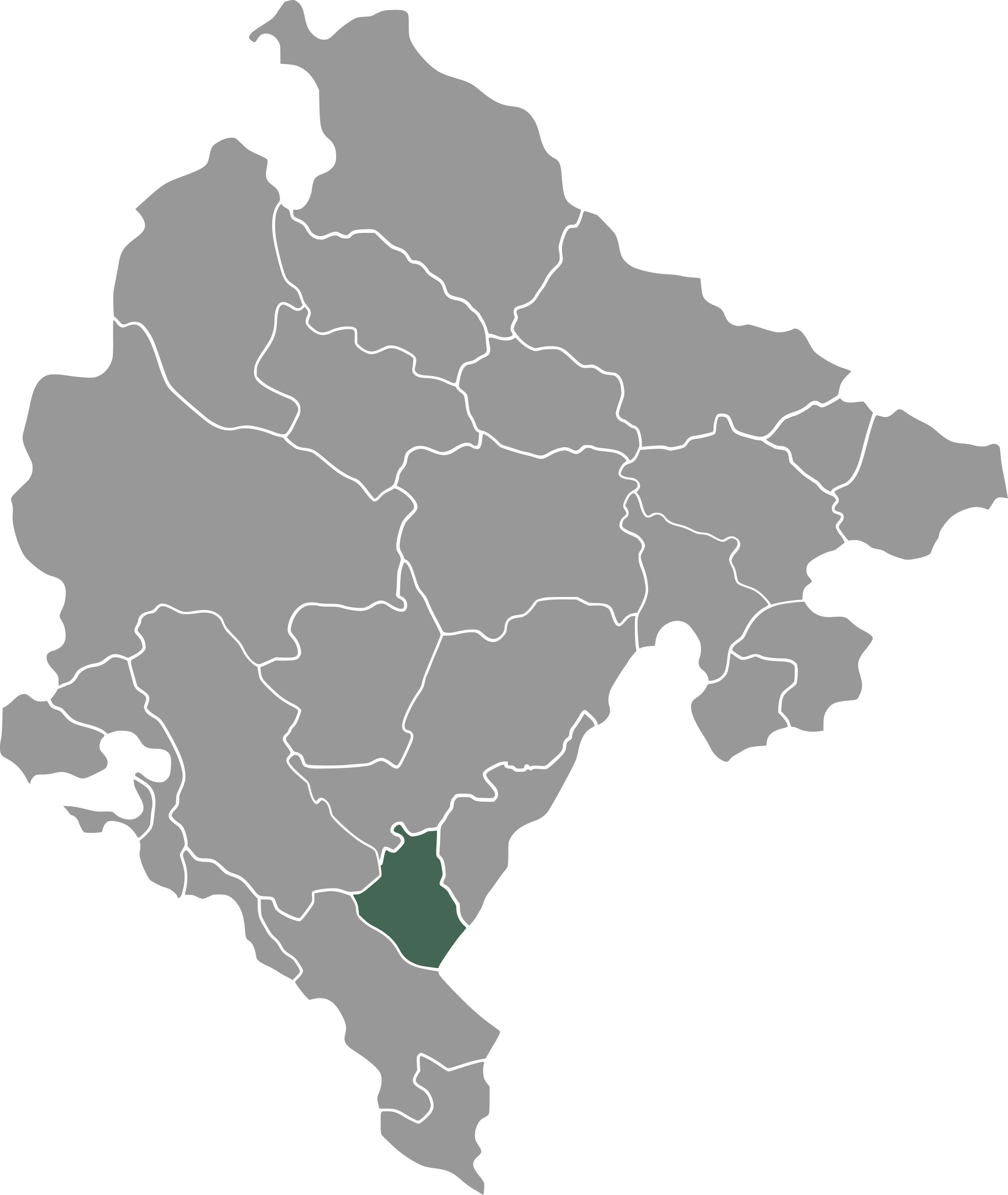
In the far north of Montenegro, in the Pljevlja basin at the foot of Golubinja Hill, in a landscape shaped by the rivers Breznica, Ćehotina, and Vezišnica, lies Pljevlja. This municipality covers nearly 1,350 square kilometres and is home to around 25,000 inhabitants. The town stands close to the borders with Serbia and Bosnia, which is why, through the centuries, it has served as an important commercial and cultural crossroads.
Pljevlja is a distinctly multiethnic and multiconfessional area. Its largest communities are Serbs and Montenegrins, followed by Bosniaks and other minorities. The town’s character is shaped by mining, a long tradition of seasonal work away from home, rural households, and a rich cultural heritage. Life here bears the mark of the north, yet also preserves the spirit of an old trading centre.
The economy of Pljevlja is based on mining, energy production, the timber industry, agriculture, and trade. The coal mine and the Pljevlja Thermal Power Plant are among the country’s most important energy resources. Forests and mountain pastures support livestock farming and the production of cheese, meat, and honey. Agriculture is especially strong in villages such as Odžak, Kruševo, Gradac, and Vrulja. Trade, hospitality, and traditional crafts have developed thanks to the town’s position as a regional centre.
Education plays an important role in the social and cultural life of Pljevlja. The municipality is home to preschool institutions, primary schools, and secondary schools offering a range of academic and vocational programmes, enabling students to gain knowledge in both general and professional education. In addition to teaching, schools in Pljevlja also take part in organising cultural, sporting, and social activities, thereby contributing to the development of young people and to the life of the local community as a whole. The town’s education system provides an important foundation for further study, professional training, and the inclusion of young people in the economic and social life of Pljevlja and Montenegro.
The culture of Pljevlja is imbued with the spirit of an old mercantile town. Its most important monument is the Holy Trinity Monastery, dating from the 16th century, with its unique frescoes and great historical significance. The old mosque of Husein Pasha Boljanić stands as a testament to the Ottoman period. Events such as the Pljevlja Cultural Festivities, the Days of Humour and Satire, along with numerous concerts and exhibitions, make the town a cultural focal point of northern Montenegro. Pljevlja is also known for epic poetry, sevdah, and traditional crafts.
The surroundings of Pljevlja abound in landscapes of striking variety. Ljubišnja is a mountain of wide meadows, beech forests, and peaks ideal for hiking. The Ćehotina Canyon offers impressive viewpoints, while the Vezišnica River brings tranquillity and clear water. The villages around Pljevlja preserve an authentic mountain scenery of stone houses, pastures, and springs. For lovers of nature, places such as Ljubišnja, Vezišnica, Kosanica, and Lake Otilovići are not to be missed.
Pljevlja is connected by main roads to Žabljak, Bijelo Polje, Prijepolje, and Foča. Regular bus services link it to Podgorica, northern Montenegro, and neighbouring countries. Transport connections are reliable, while mountain roads provide access to all the major tourist areas in the region.
The town has strong sporting traditions. Football, basketball, martial arts, and shooting are the most prominent. Ljubišnja and the surrounding mountains are well suited to hiking, cycling, and winter activities. Picnic areas by the rivers and forests are used for recreation throughout the year.
Pljevlja offers broad opportunities for investment in energy, wood processing, agriculture, tourism, and retail. Local industrial zones provide space for production facilities. Rural tourism, ethno-villages, and hospitality venues are increasingly in demand thanks to the area’s natural beauty and rich history. Land prices are favourable, while the town’s geographical position gives it an advantage for investments with regional reach.
Monastic frescoes, Mount Ljubišnja, canyons, the scent of beech forests, and traditional cuisine create a distinctive experience, making Pljevlja a must-visit destination among Montenegro’s towns. Visitors can explore hidden valleys, tour historical monuments, sample Pljevlja cheese, and discover the people, legends, and stories that define this region. Pljevlja offers an experience of the north that brings together culture, nature, and tradition.
Life in Pljevlja unfolds peacefully, in perfect balance between an urban rhythm and the strength of its mountain surroundings. People are warm and close-knit, everything is within easy reach, and nature accompanies everyday life. The town offers a stable daily life, well-developed services, and ample space to live in an authentic and inspiring setting.