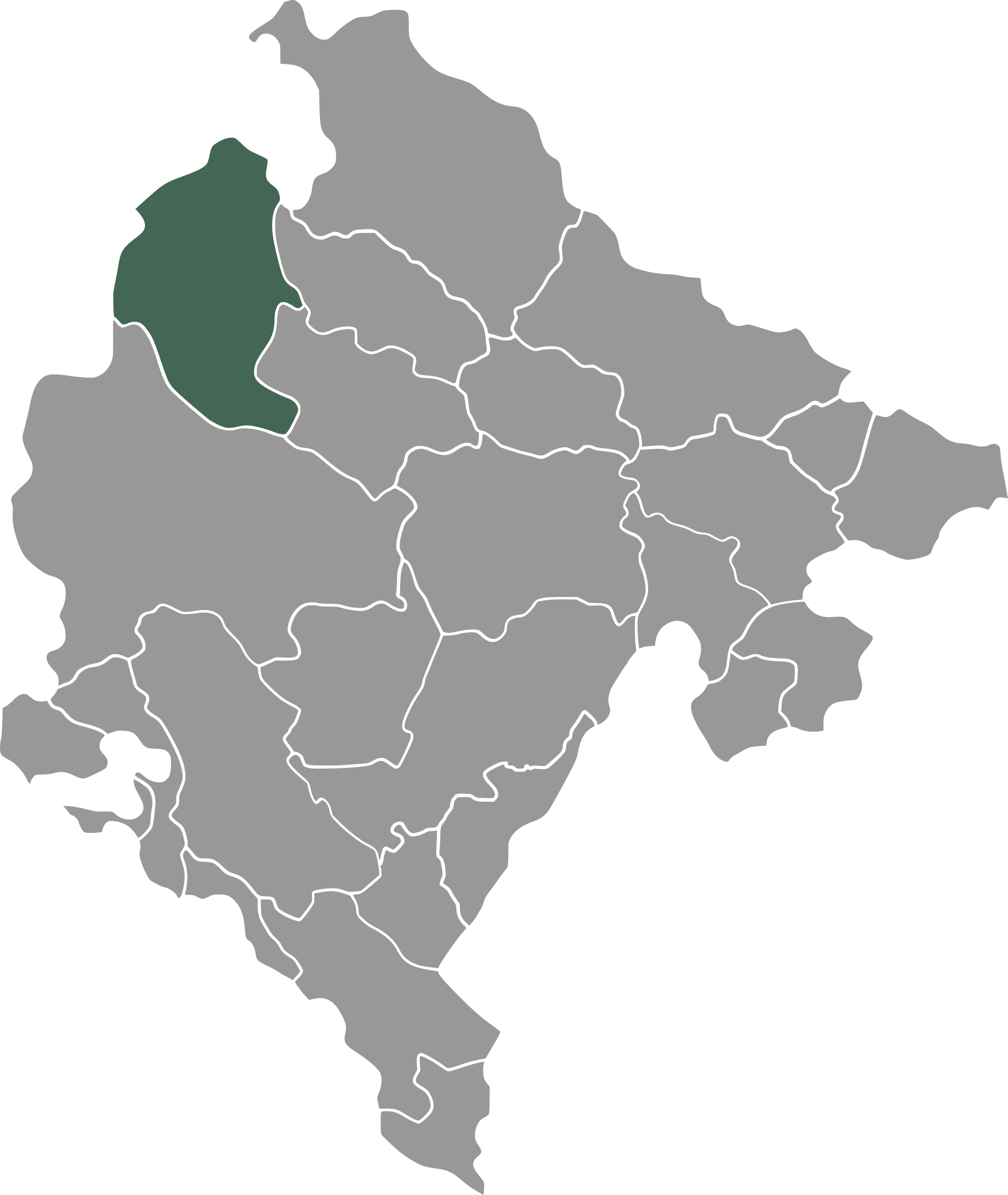
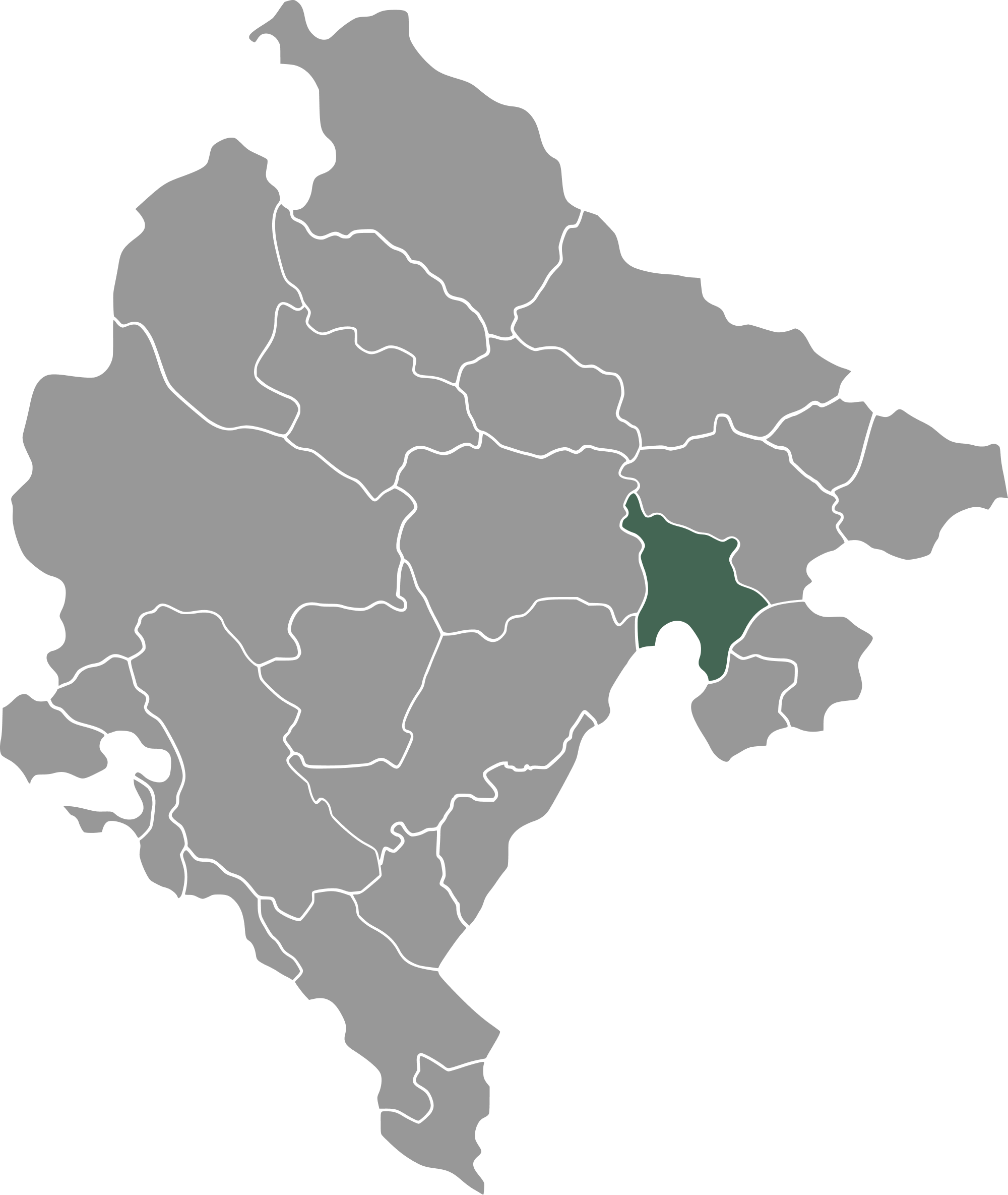
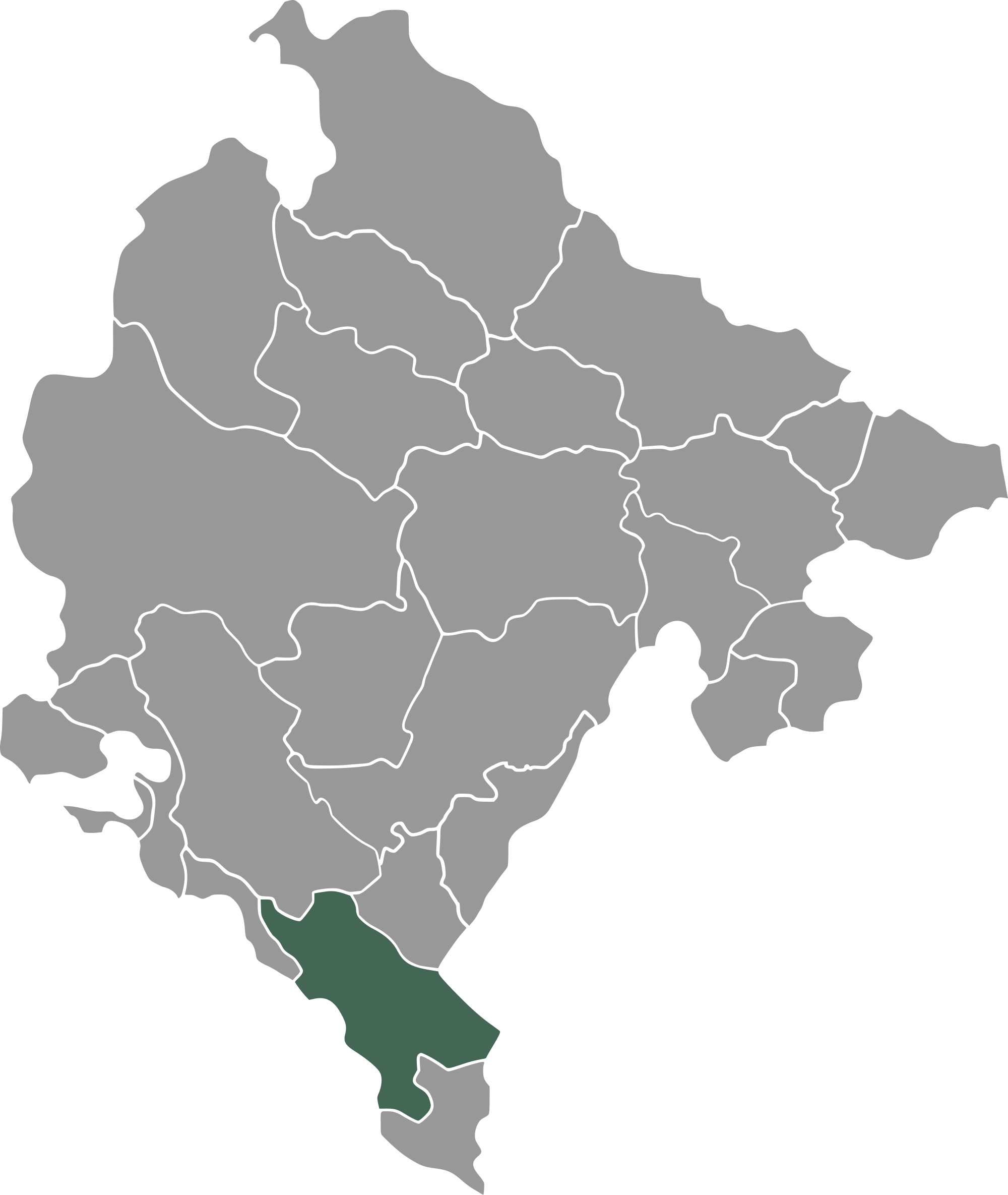
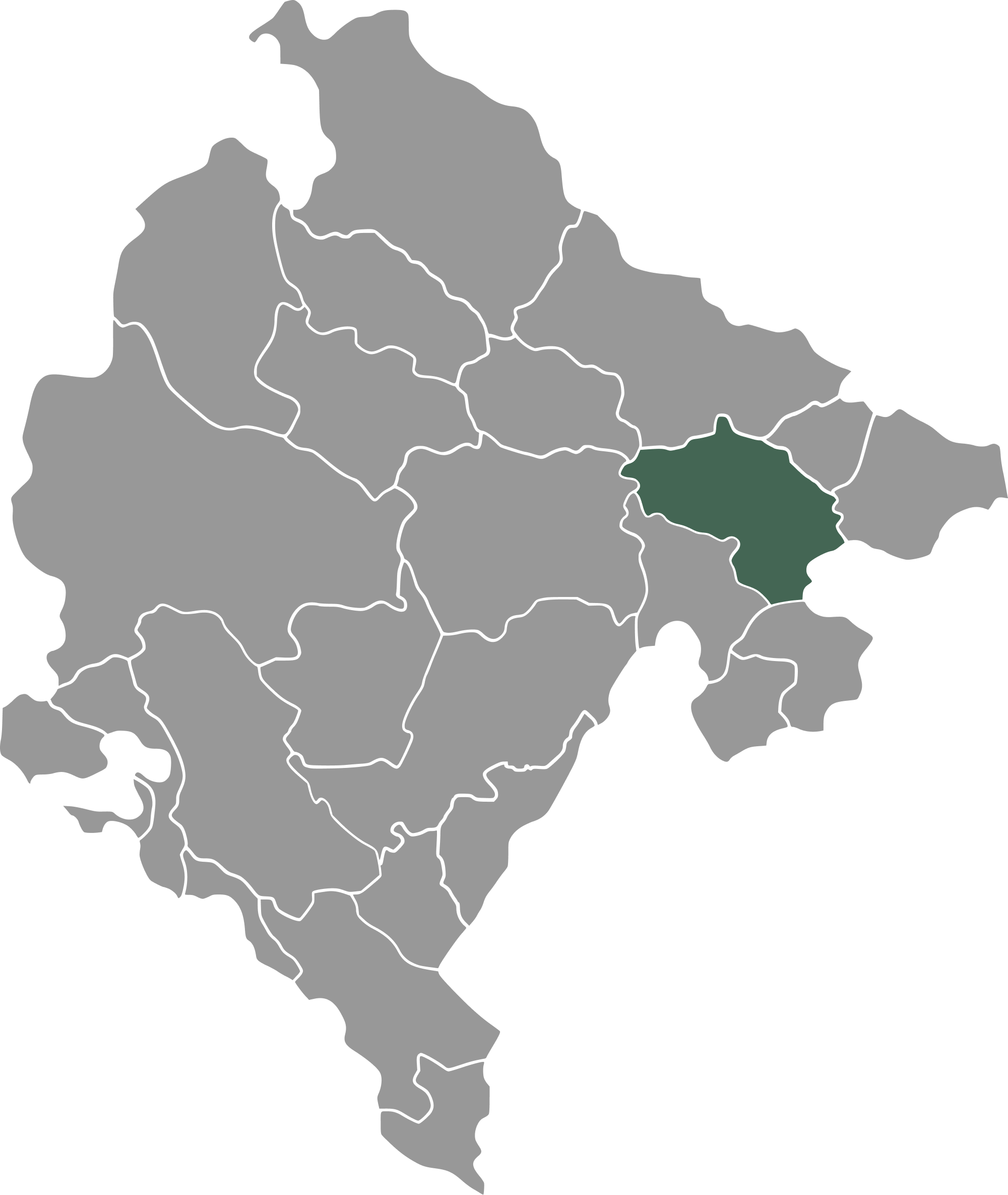
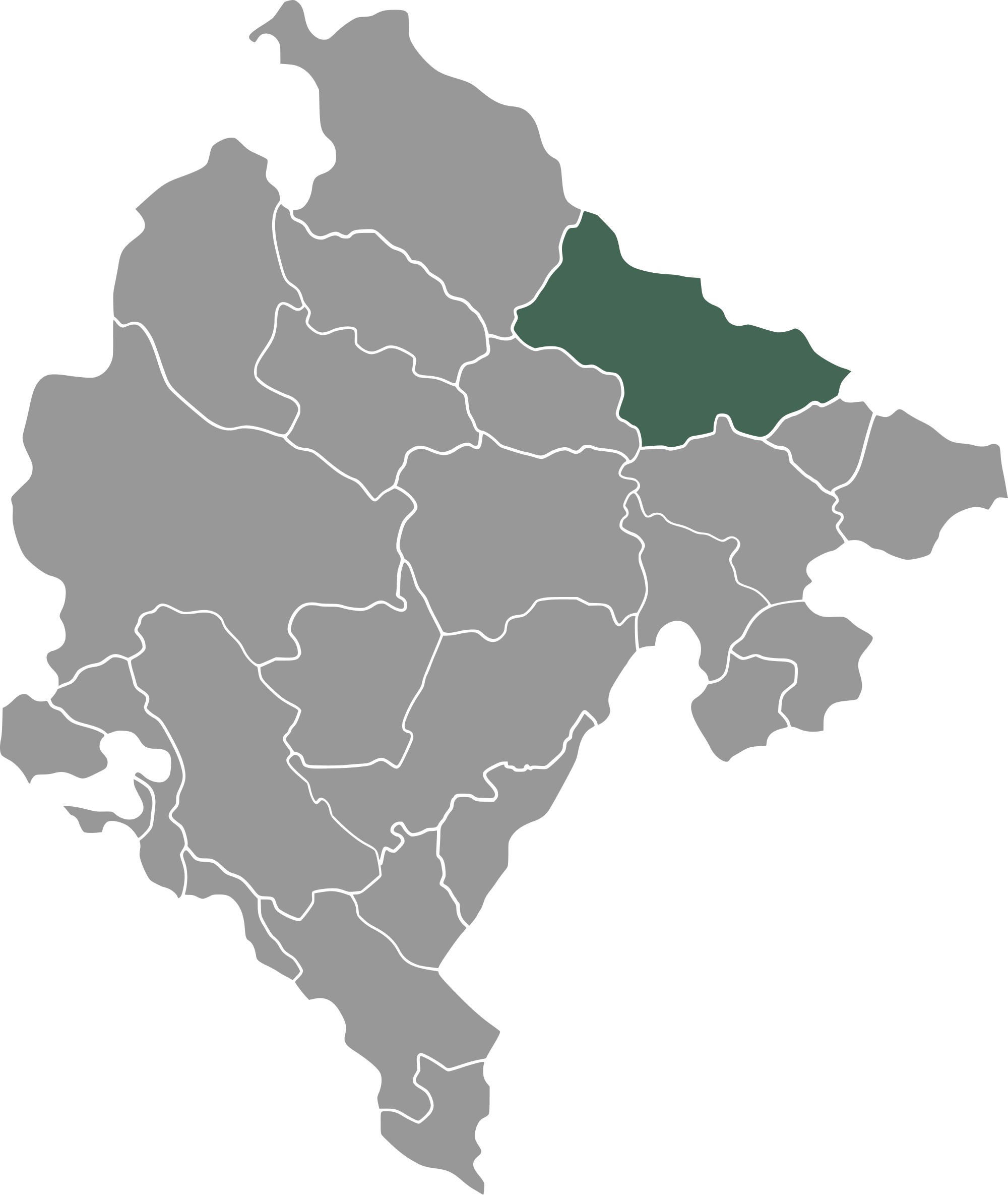
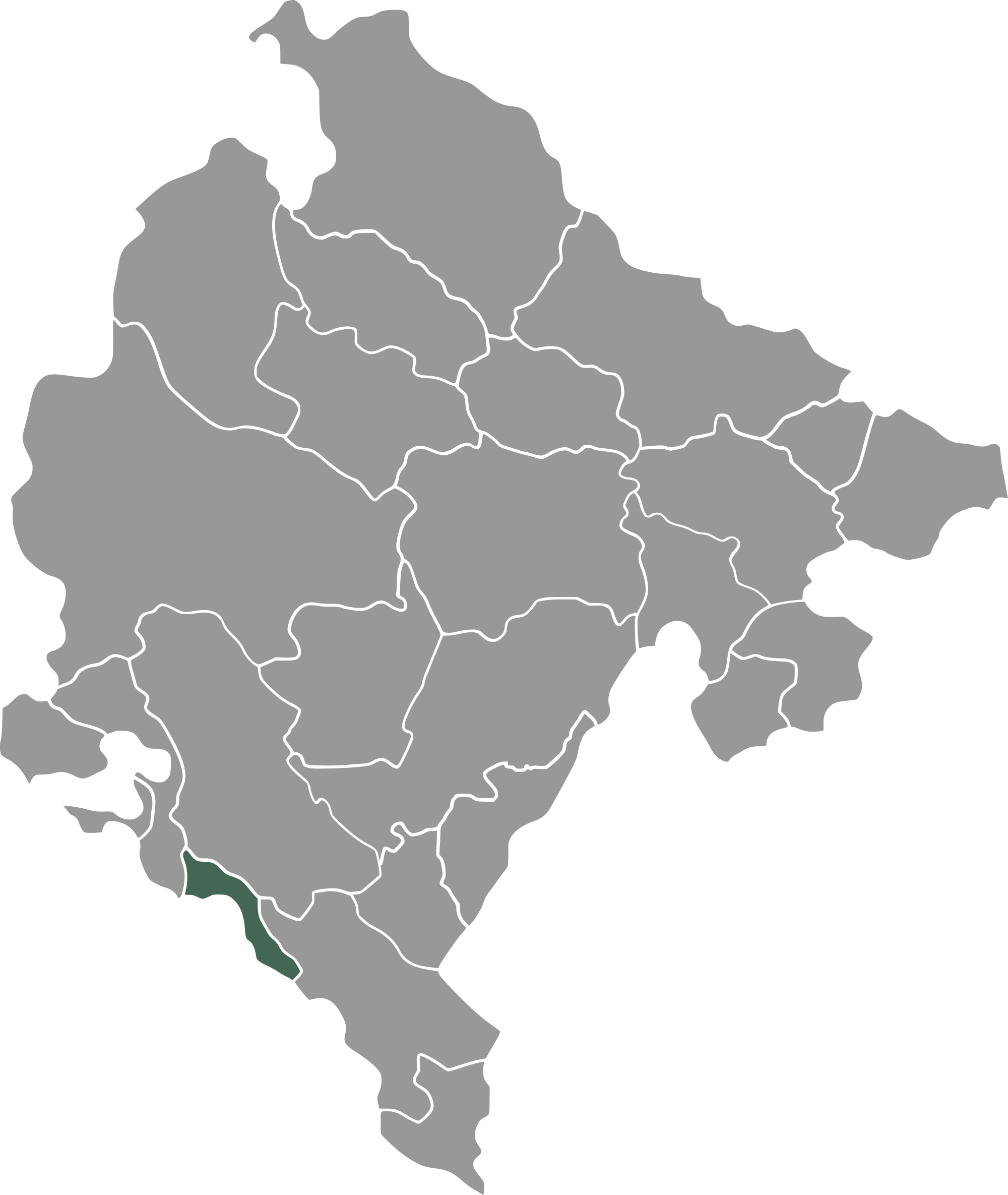
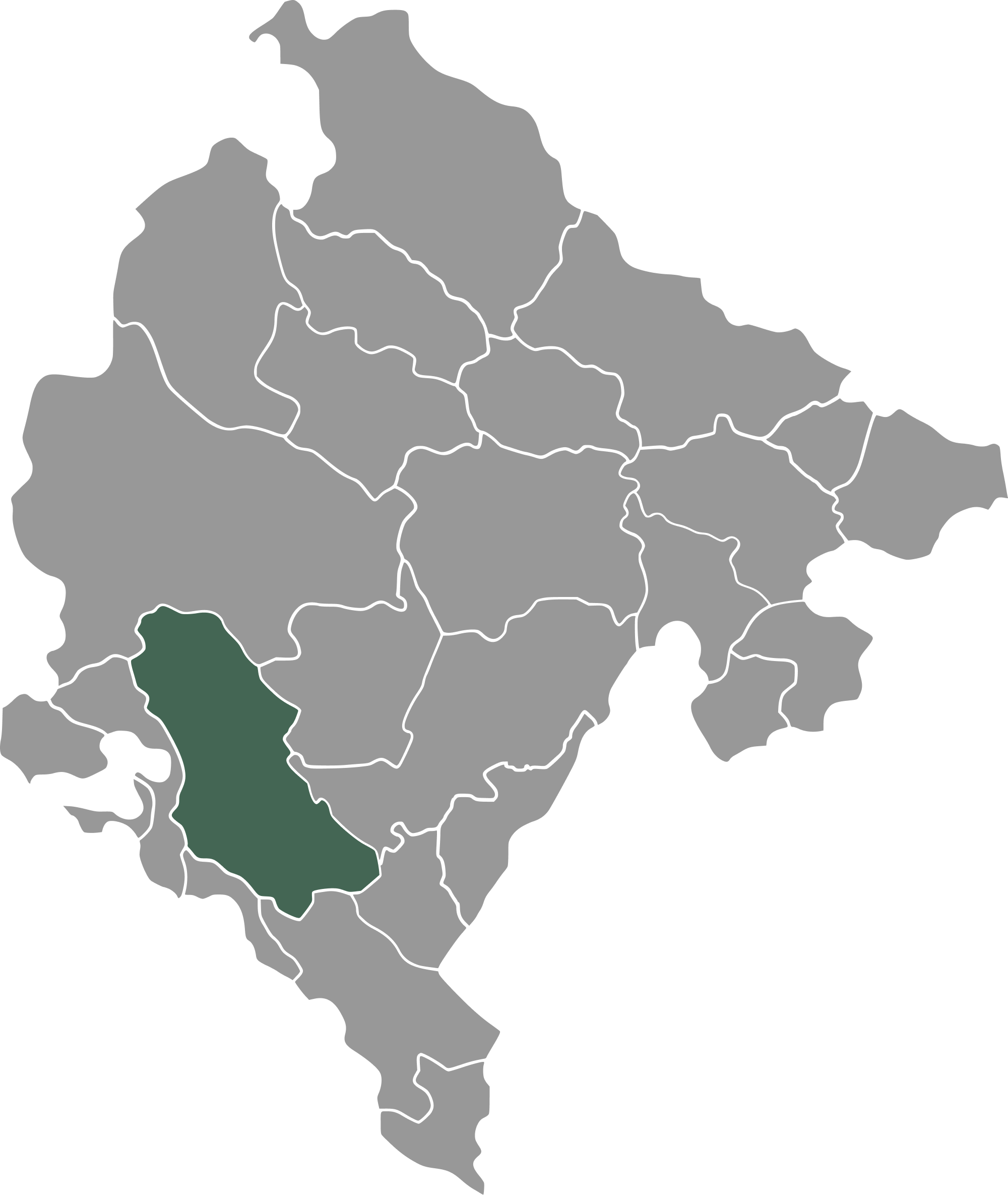
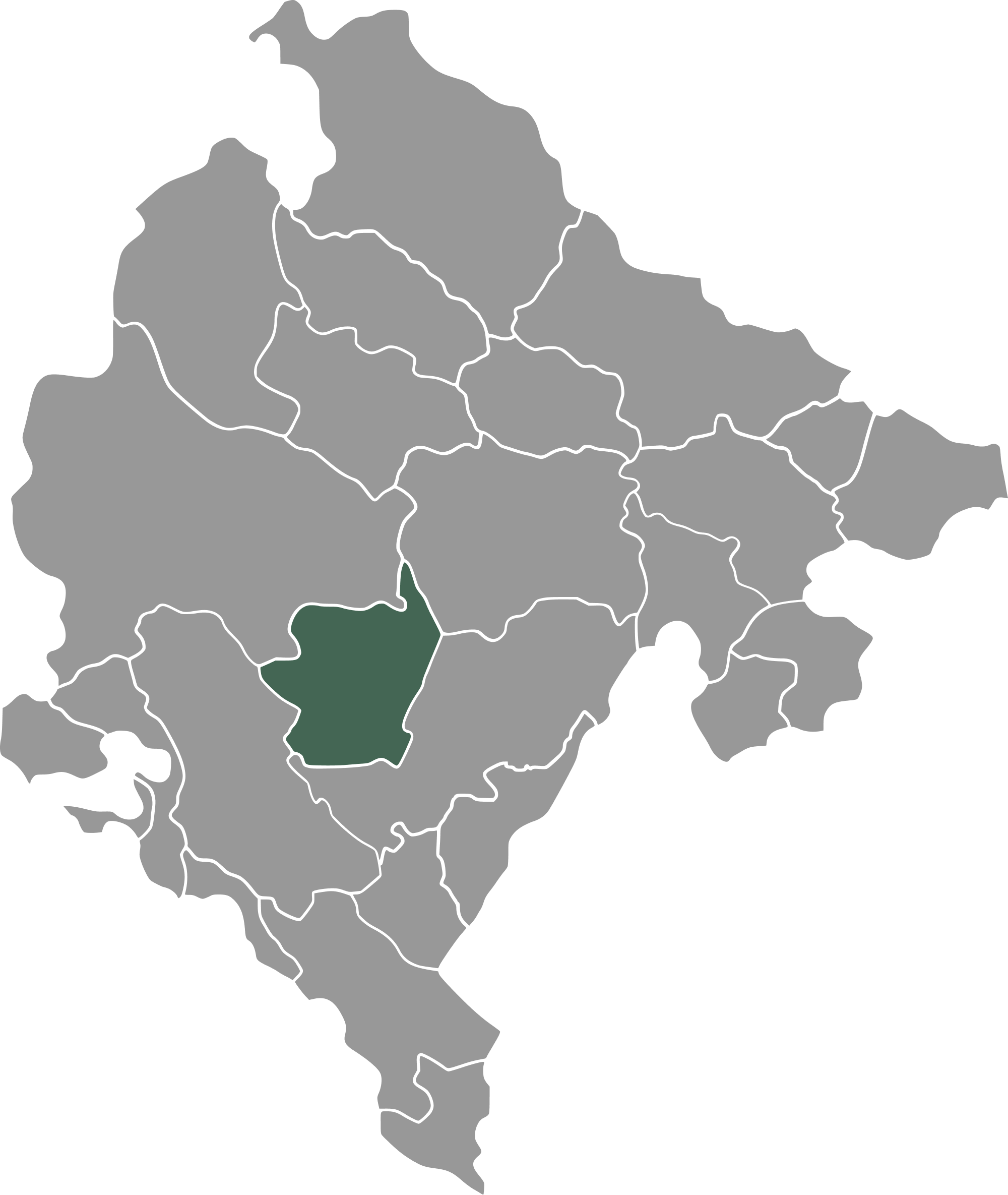
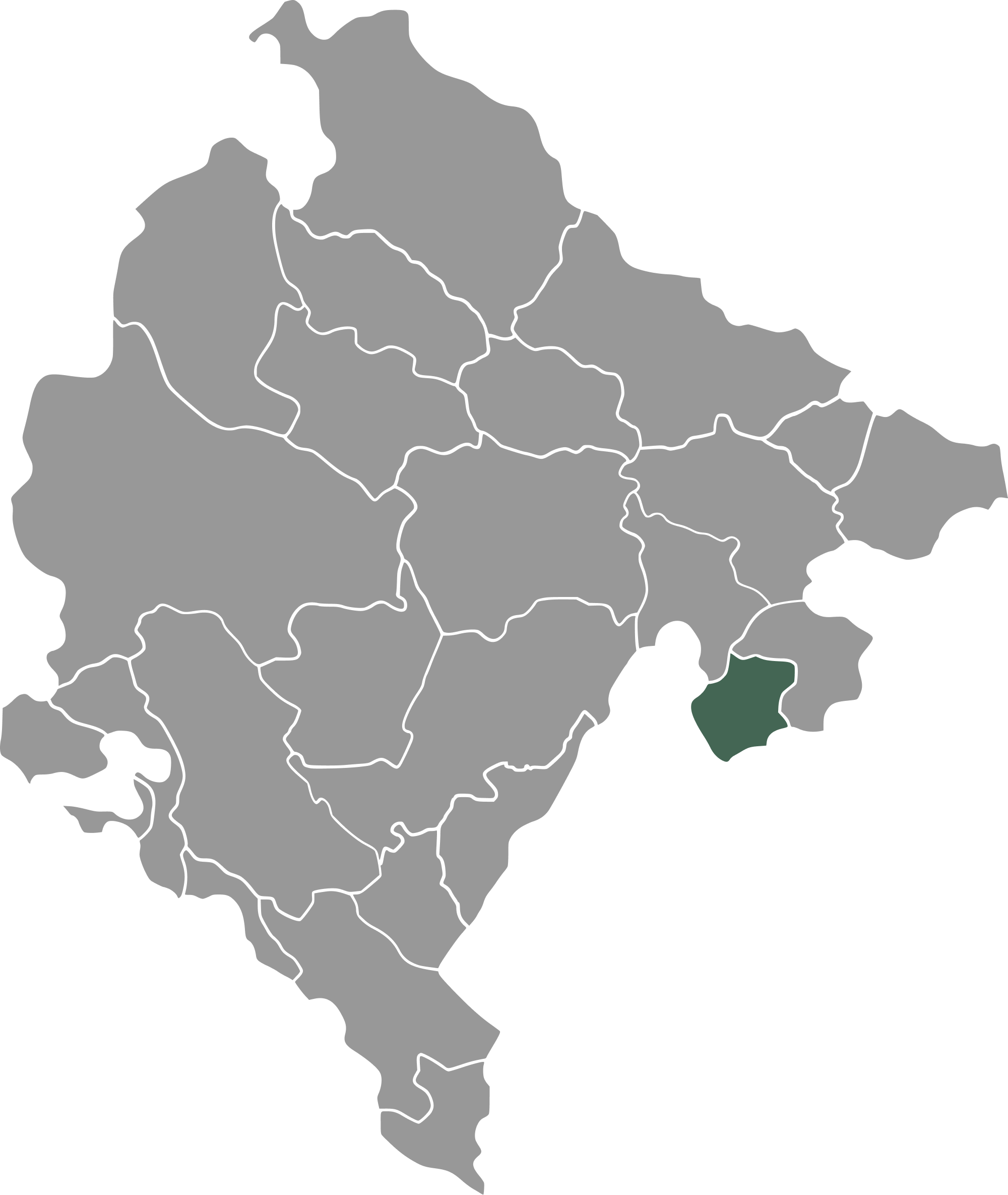
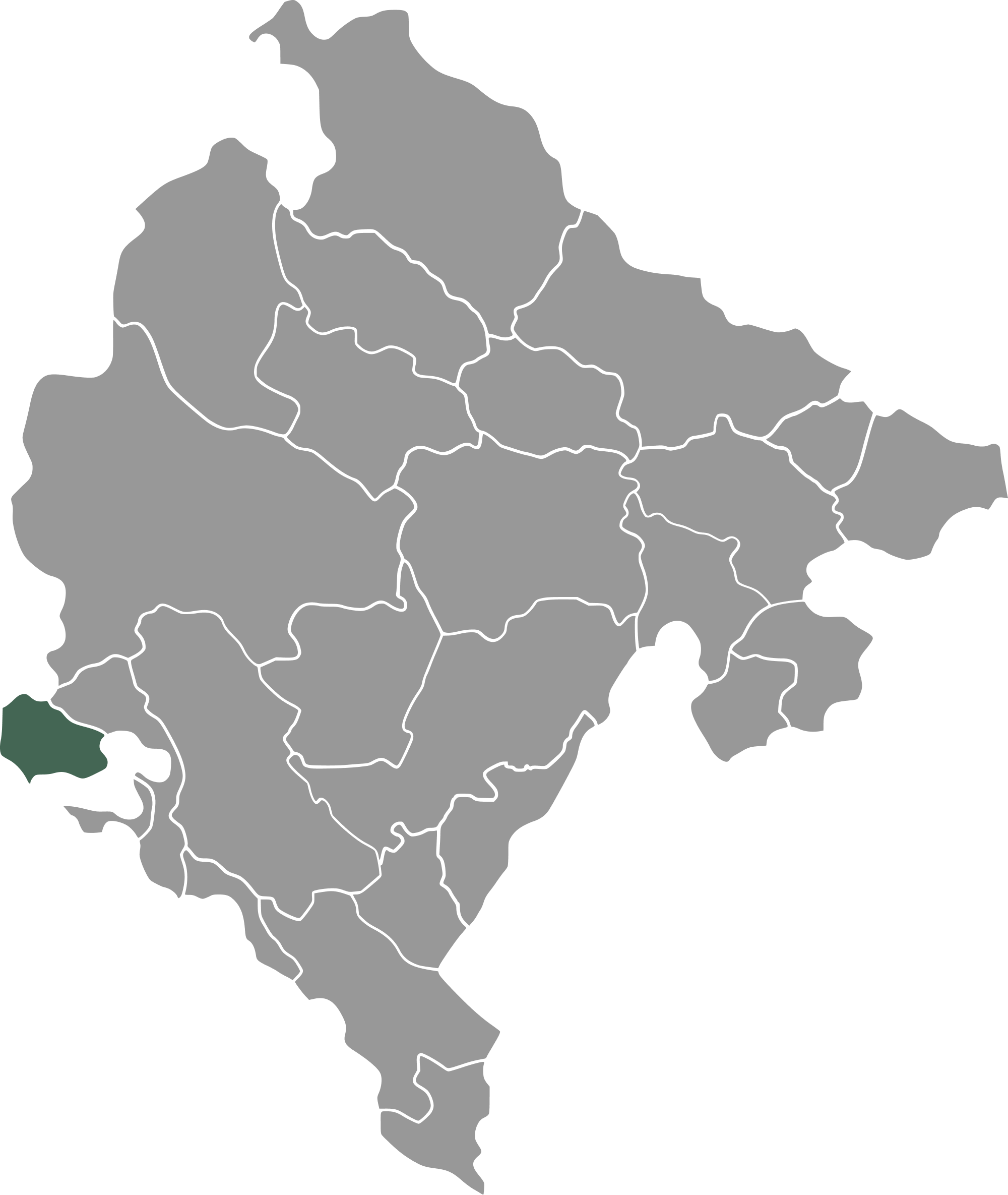
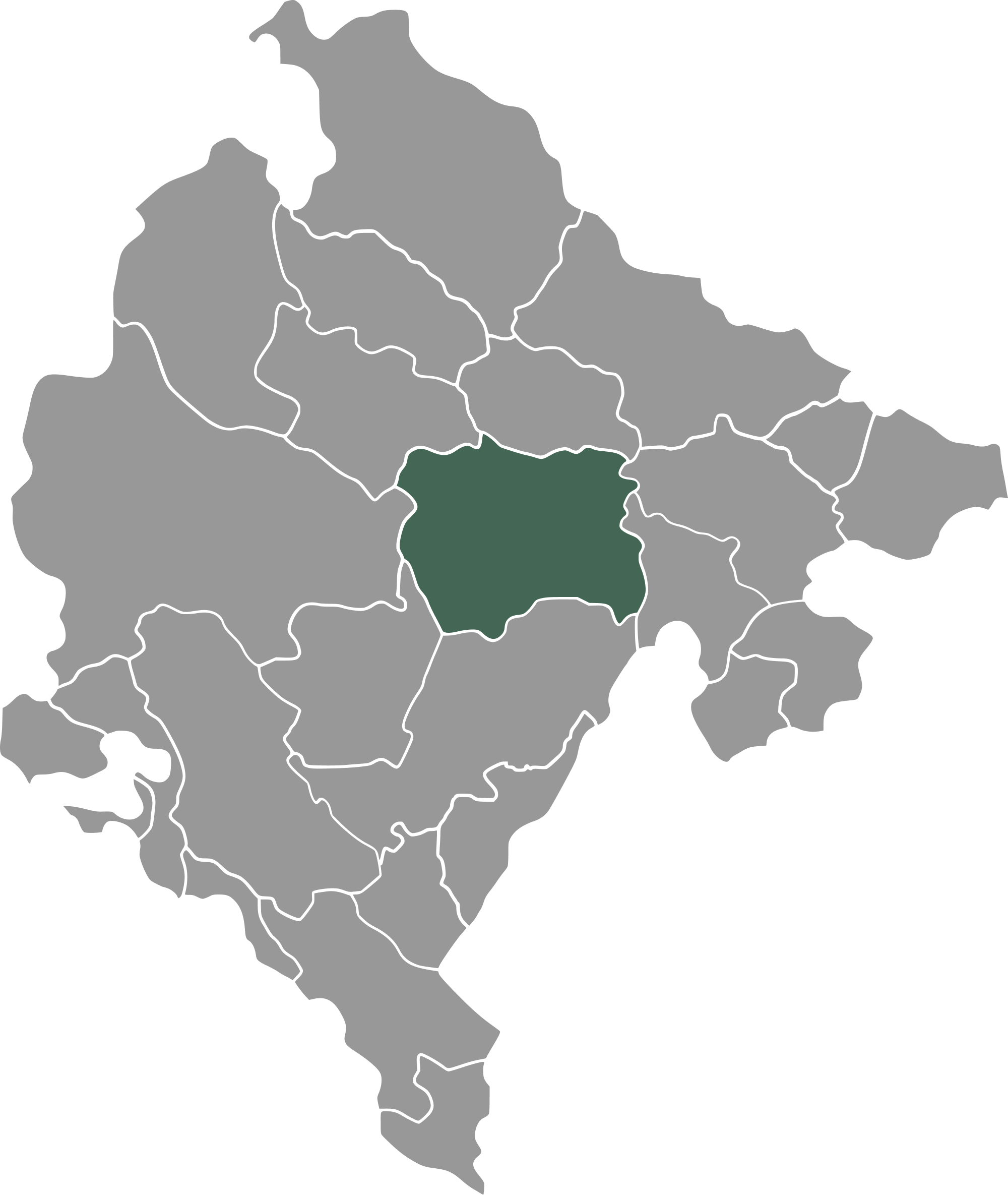
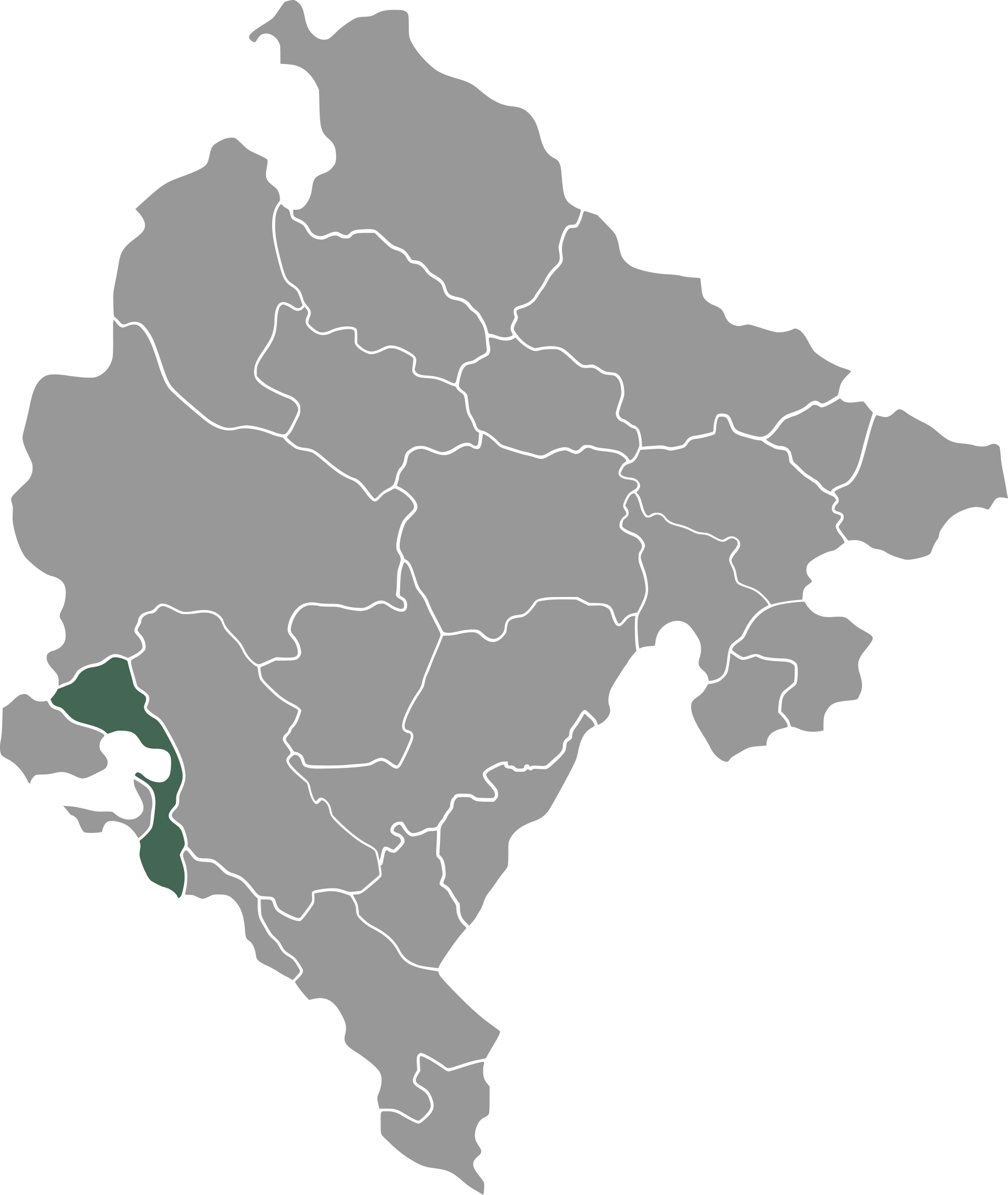
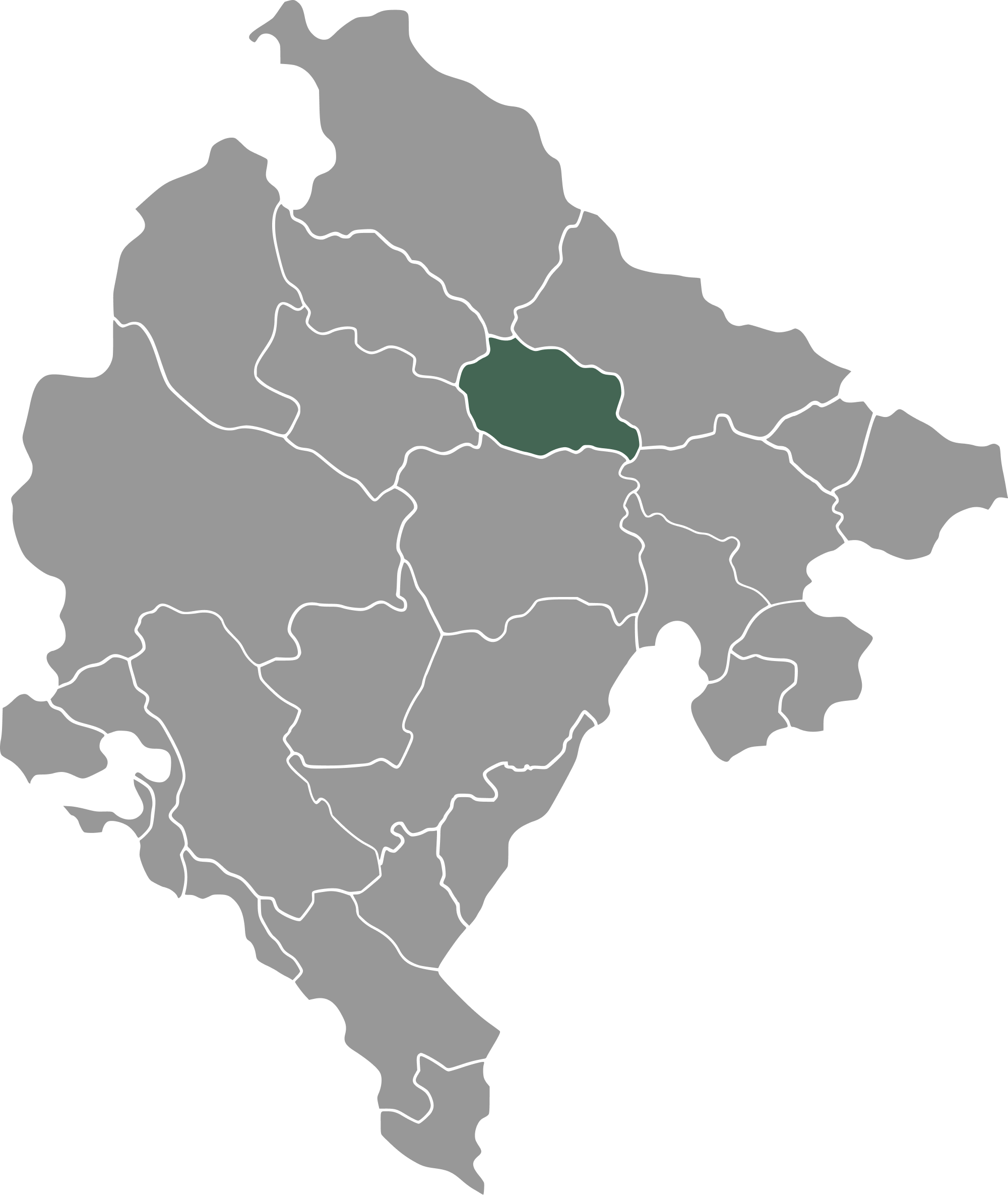
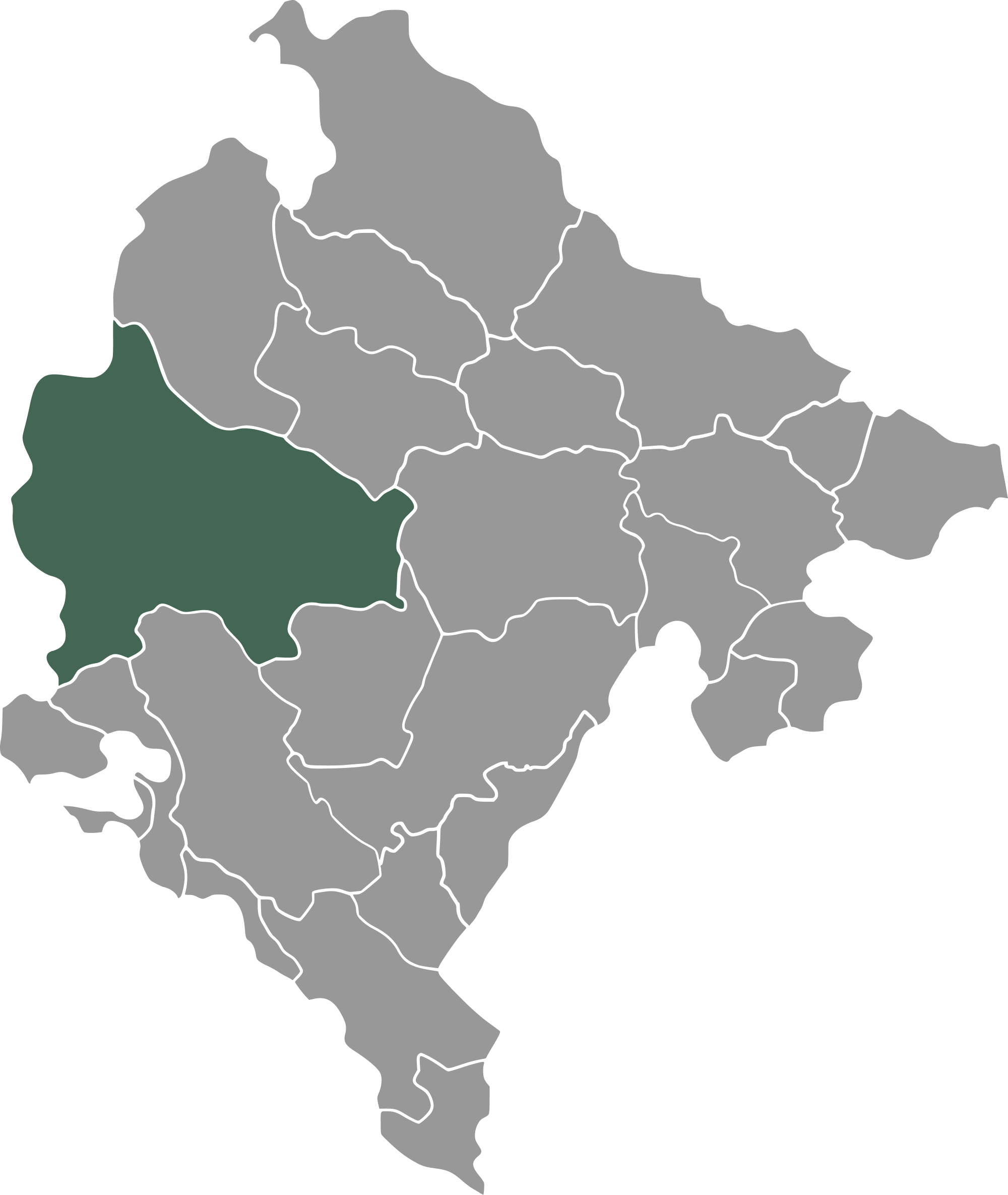
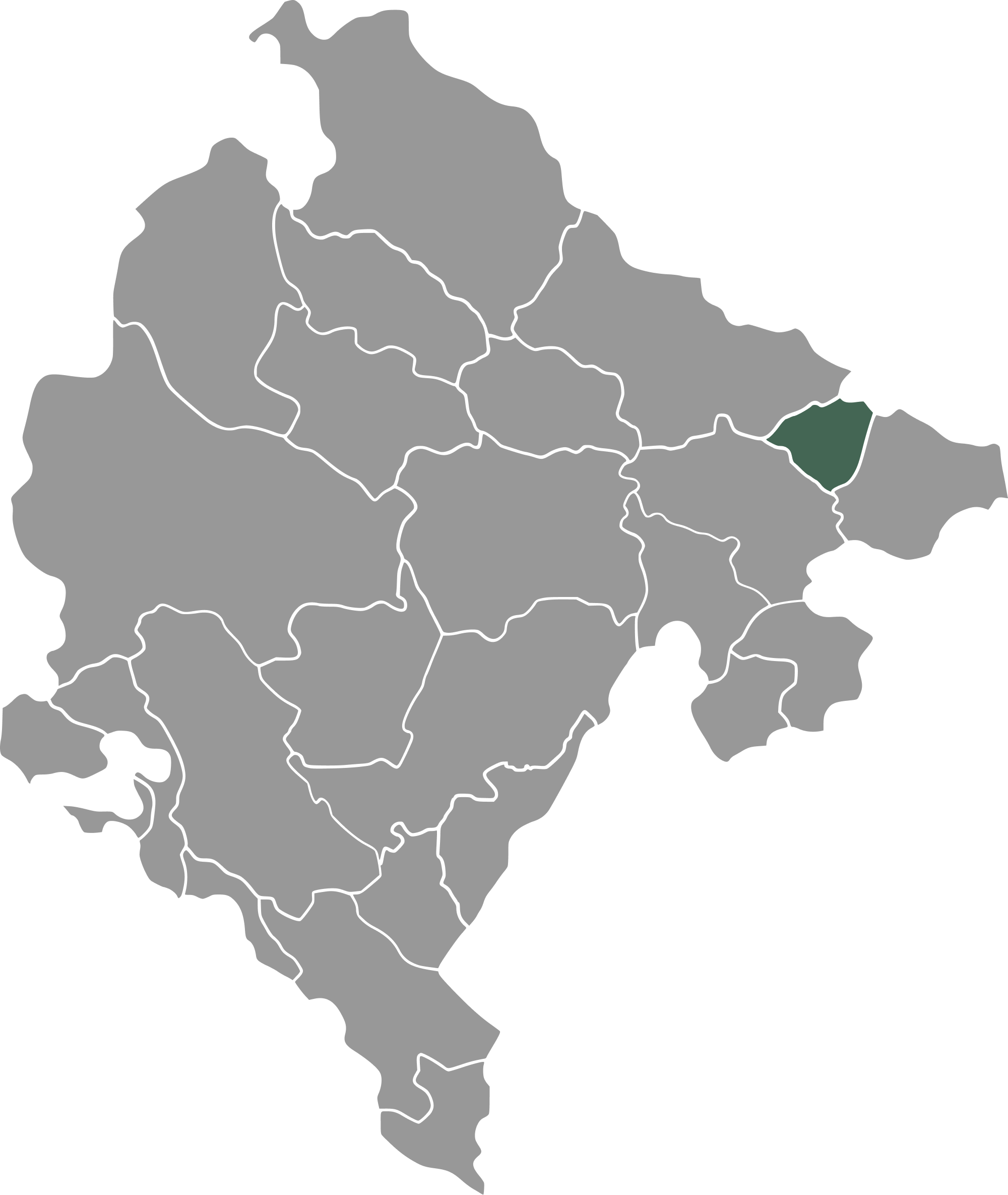
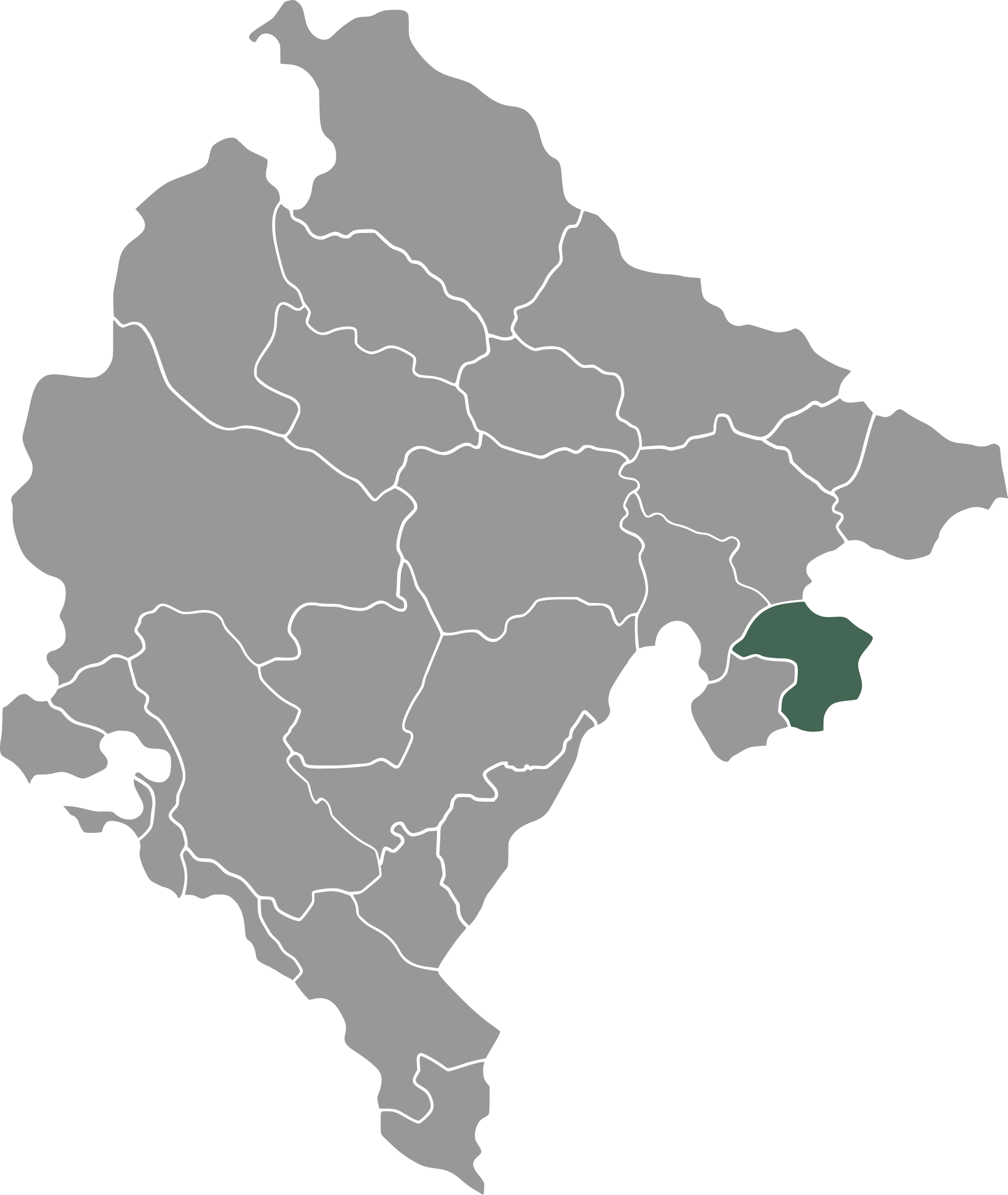
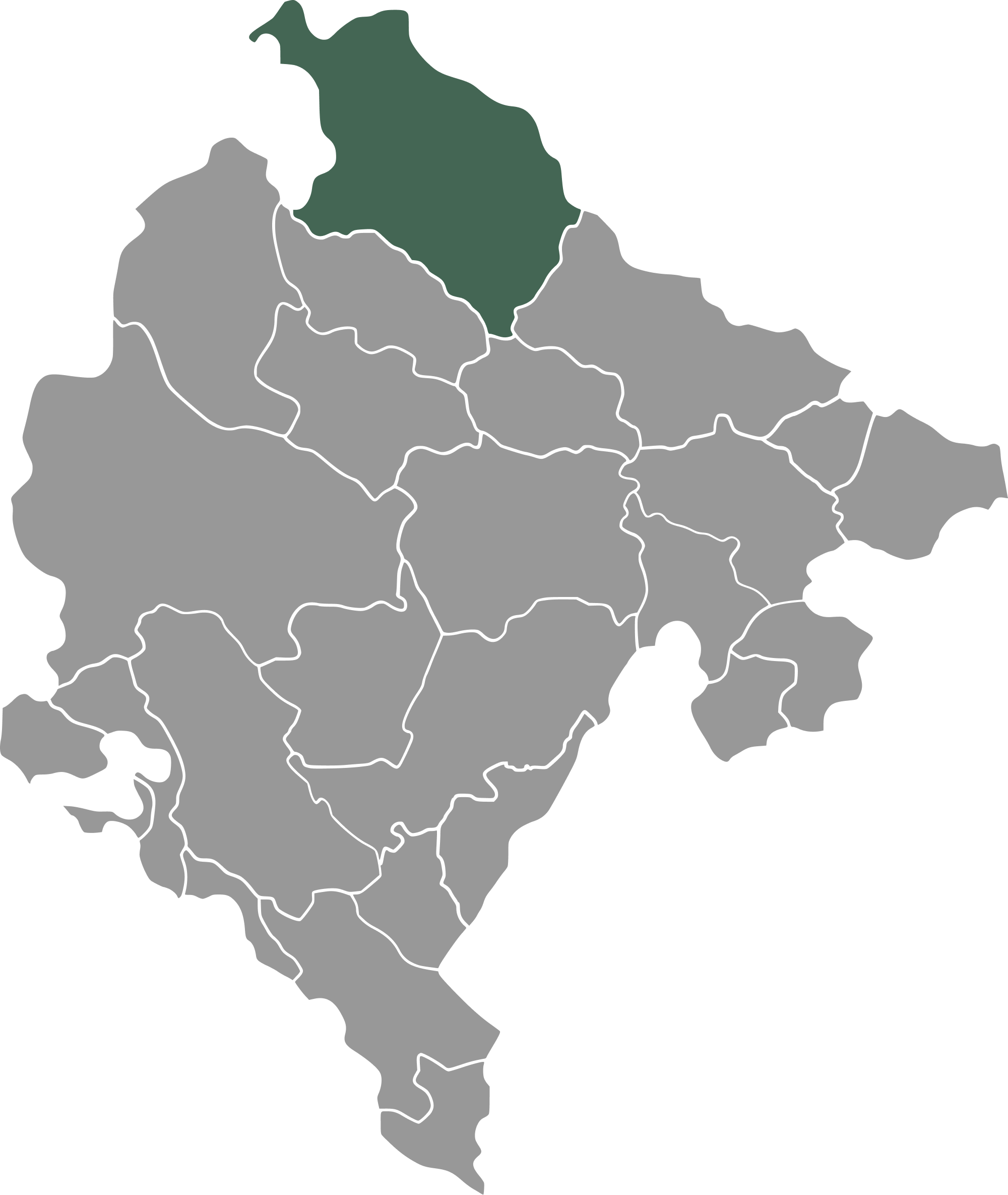
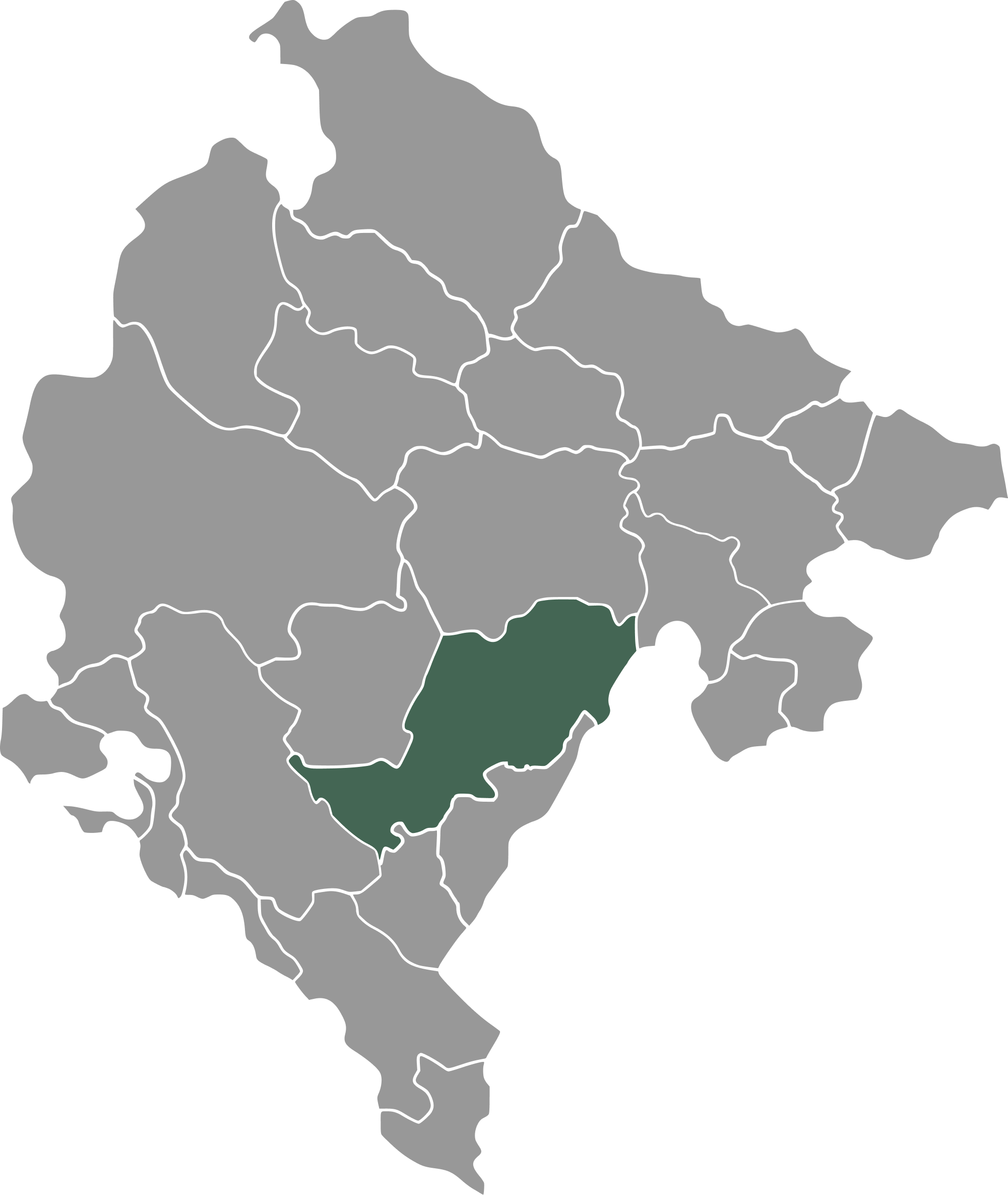
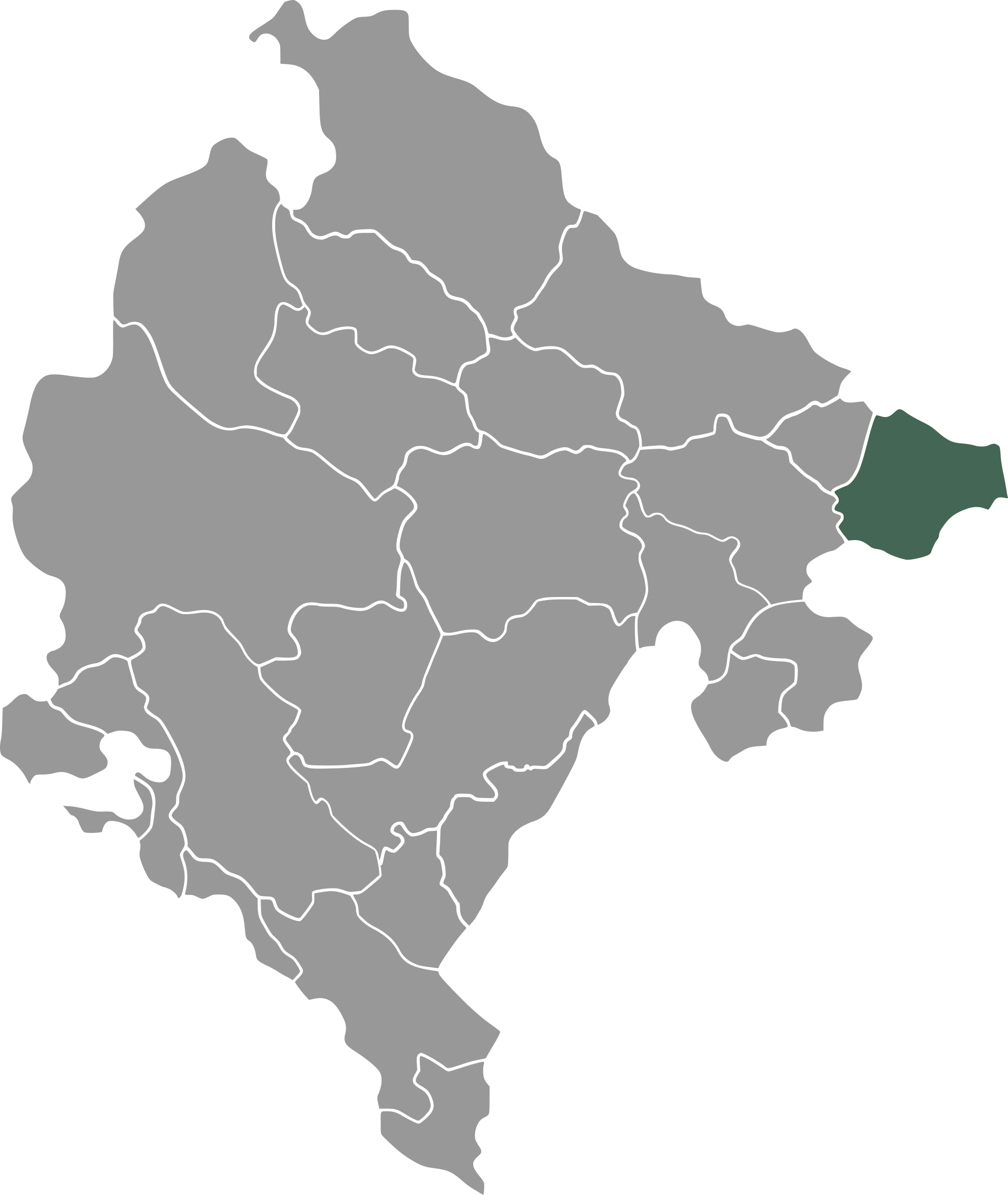
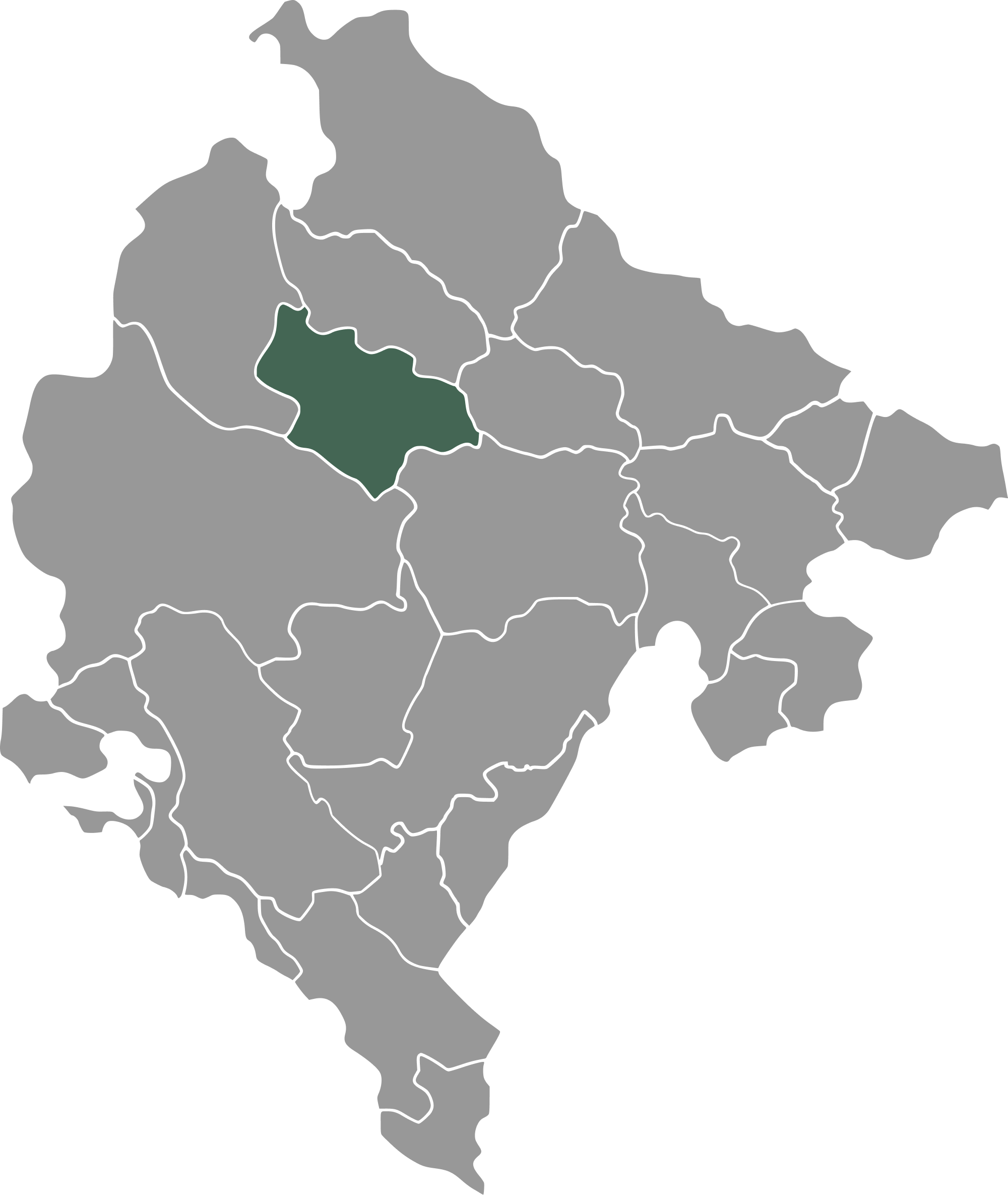
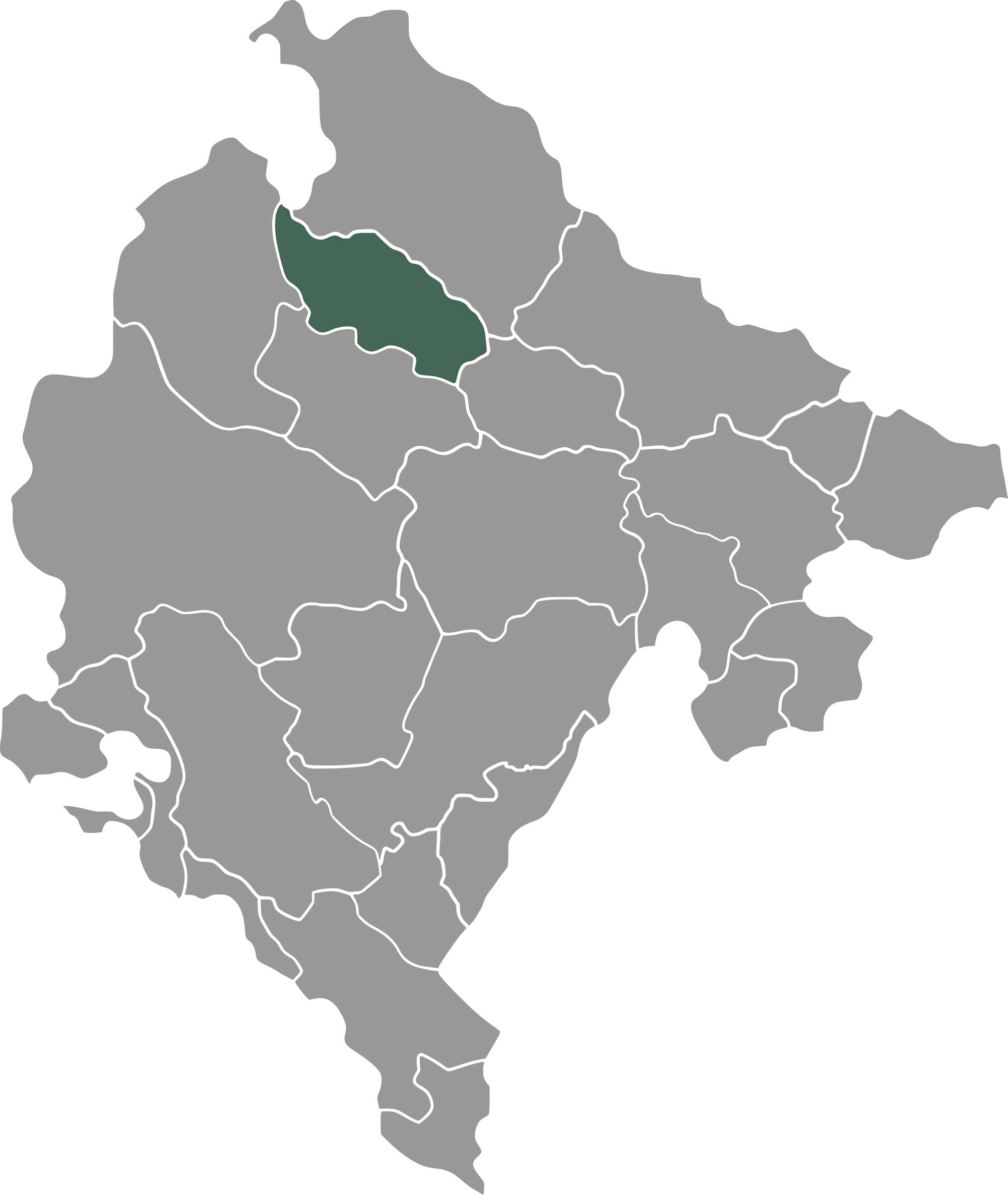
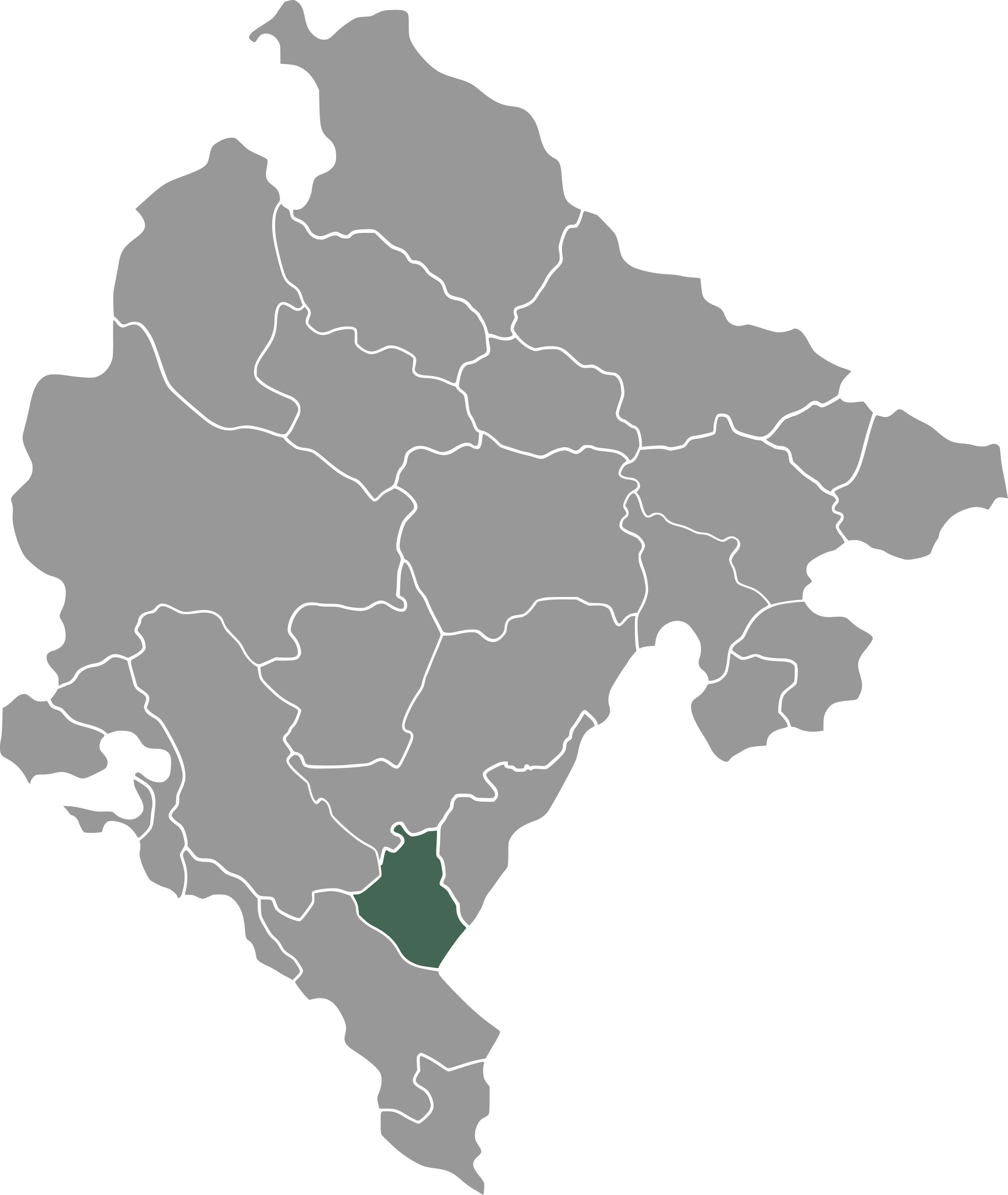
Set within the dramatic landscapes of the Piva region in northwestern Montenegro, Plužine is a place of striking natural beauty. The municipality covers around 854 square kilometres and is home to just over 2,000 residents. The town lies on the shores of Lake Piva, surrounded by steep cliffs, dense forests, and the high plateaus of Durmitor and Vojnik. Its geographic isolation and extraordinary natural contrasts make Plužine one of the most distinctive places in Montenegro.
The community is small, with a strong local identity and a deeply rooted traditional way of life. Tradition, neighbourly ties, and a close bond with the land remain very much alive here. The people are known for their openness, simplicity, and character, shaped by life on the rugged highlands. The identity of the people of Piva is closely intertwined with the history of its villages, the Piva Monastery, and the heritage of ancient tribal communities.
The economy of Plužine relies on agriculture, livestock farming, fishing, small businesses, and tourism. Lake Piva supports fish farming and the development of hospitality services. Livestock-farming villages are known for their meat, milk, cheese, and kajmak, all produced on mountain pastures.
Tourism continues to grow thanks to rafting on the Tara River, boat rides on the lake, and the area’s unspoiled natural surroundings. The Piva Hydroelectric Power Plant plays an important role in the country’s energy system, while the lake itself serves as an additional local resource for development.
The town is home to the Plužine Educational Centre, which includes a kindergarten, primary school, and secondary school. Education is tailored to the needs of a small community, while cultural and sports activities play an active role in local life. Many young people continue their education in Nikšić and Podgorica.
Plužine preserves the traditions of Piva through festivals, village gatherings, folklore performances, and religious celebrations. The Piva Monastery, one of Montenegro’s most important cultural and historical landmarks, stands as a symbol of the region’s identity. During the summer, the town hosts concerts, poetry gatherings, art meetings, and events dedicated to the culture of Piva.
Nature is Plužine’s greatest treasure. With its turquoise hues and winding inlets, Lake Piva resembles a fjord. The Tara River cuts through one of the deepest canyons in the world and offers thrilling rafting experiences. Durmitor lies relatively nearby, opening access to hundreds of kilometres of trails, lakes, and panoramic viewpoints. Piva Mountain, Vojnik, Krnovo, and Trsa offer wild landscapes, peace, and vast open spaces for exploration. Every view reveals steep cliffs, thick forests, and expanses of water that shift in colour with the changing daylight.
Plužine is connected by road to Nikšić, Žabljak, and the border with Bosnia and Herzegovina. The route via Šćepan Polje leads toward Foča and Sarajevo. Mountain roads require caution, but well-maintained sections allow smooth access throughout the year. Bus lines connect the town with Nikšić, Žabljak, and Podgorica.
Rafting on the Tara is one of the area’s main attractions. Hiking, cycling, boating on the lake, fishing, and excursions across the plateaus draw many visitors. In winter, the surrounding mountains offer opportunities for skiing and ski touring. Local sports clubs bring young people together through football and martial arts.
Plužine holds considerable potential for tourism, especially in the development of accommodation facilities, adventure-based activities, ethno villages, camping areas, and restaurants. Lake Piva and the proximity of Durmitor give a clear advantage to projects focused on nature, ecology, and outdoor experiences. Property and land prices remain favourable, while the growing interest of tourists opens up new business opportunities each year.
This is truly a town worth visiting. Mountain canyons, a turquoise lake, and the silence of the Piva plateaus create an atmosphere that is at once inspiring and calming. Visitors can explore the grandeur of Durmitor, sail by boat through the lake’s winding passages, feel the force of the Tara River’s rapids, visit the spiritually significant Piva Monastery, and enjoy homemade food prepared in an authentic mountain style.
Plužine offers a unique blend of untouched wilderness, spiritual stillness, and complete freedom of movement, making it ideal for those who wish to slow down, breathe deeply, and experience nature in its purest form.
Life here unfolds quietly and without pretence, in a strong bond with nature and the traditions of Piva. The days are measured by sunrises above Lake Piva and calm evenings beneath the mountain sky. People live at a gentler pace, relying on community, homemade food, and the rhythm set by the mountains.