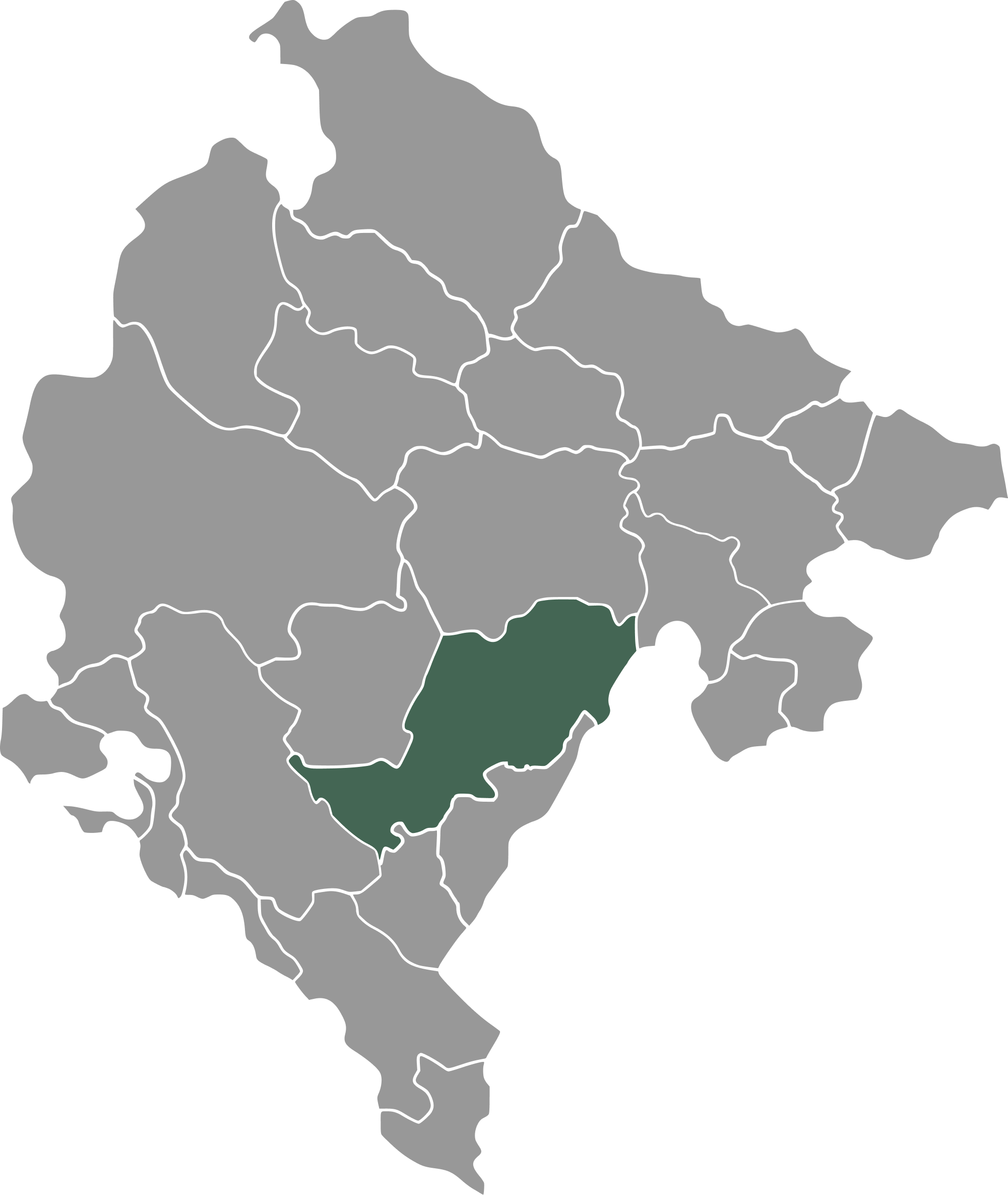
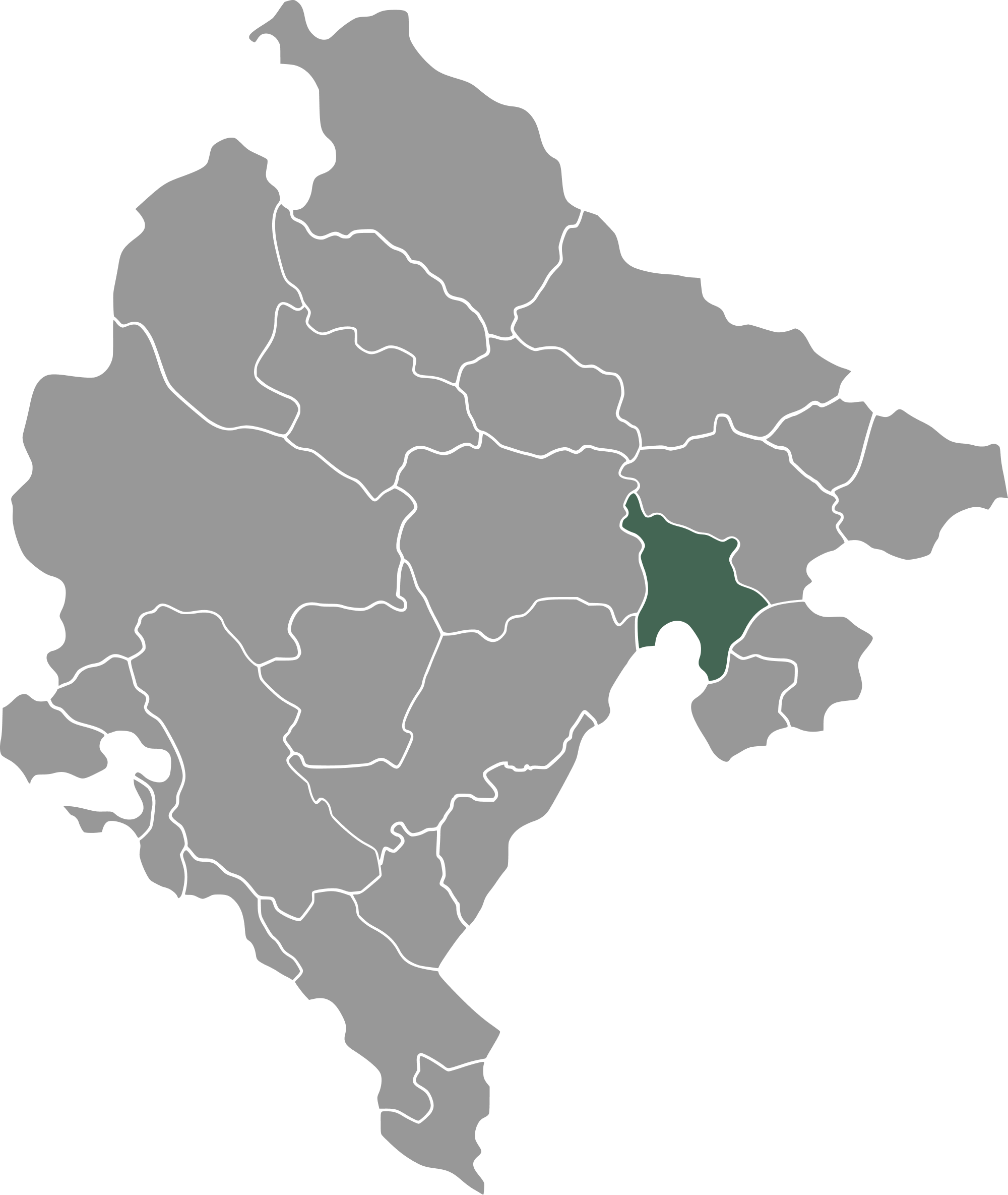
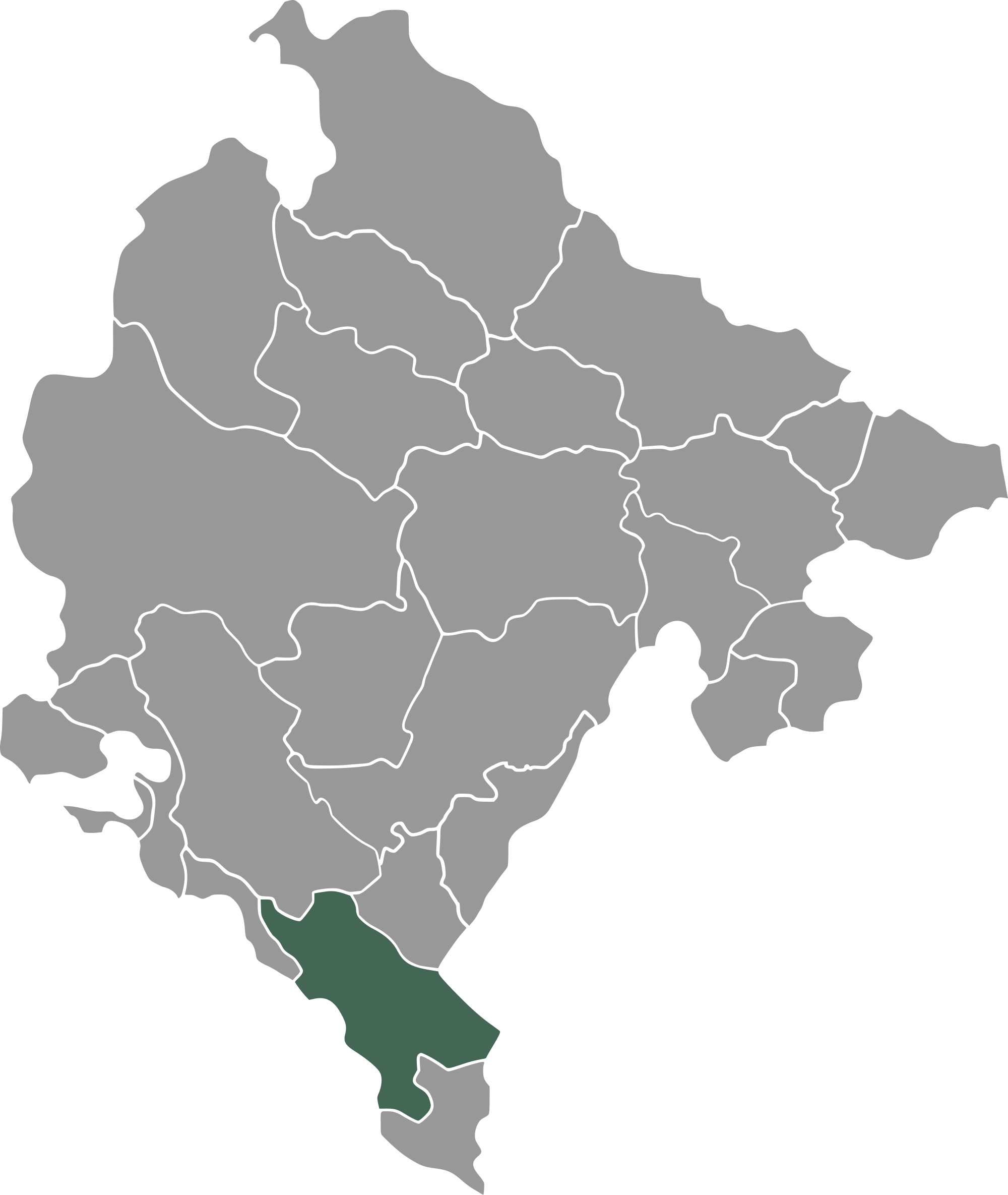
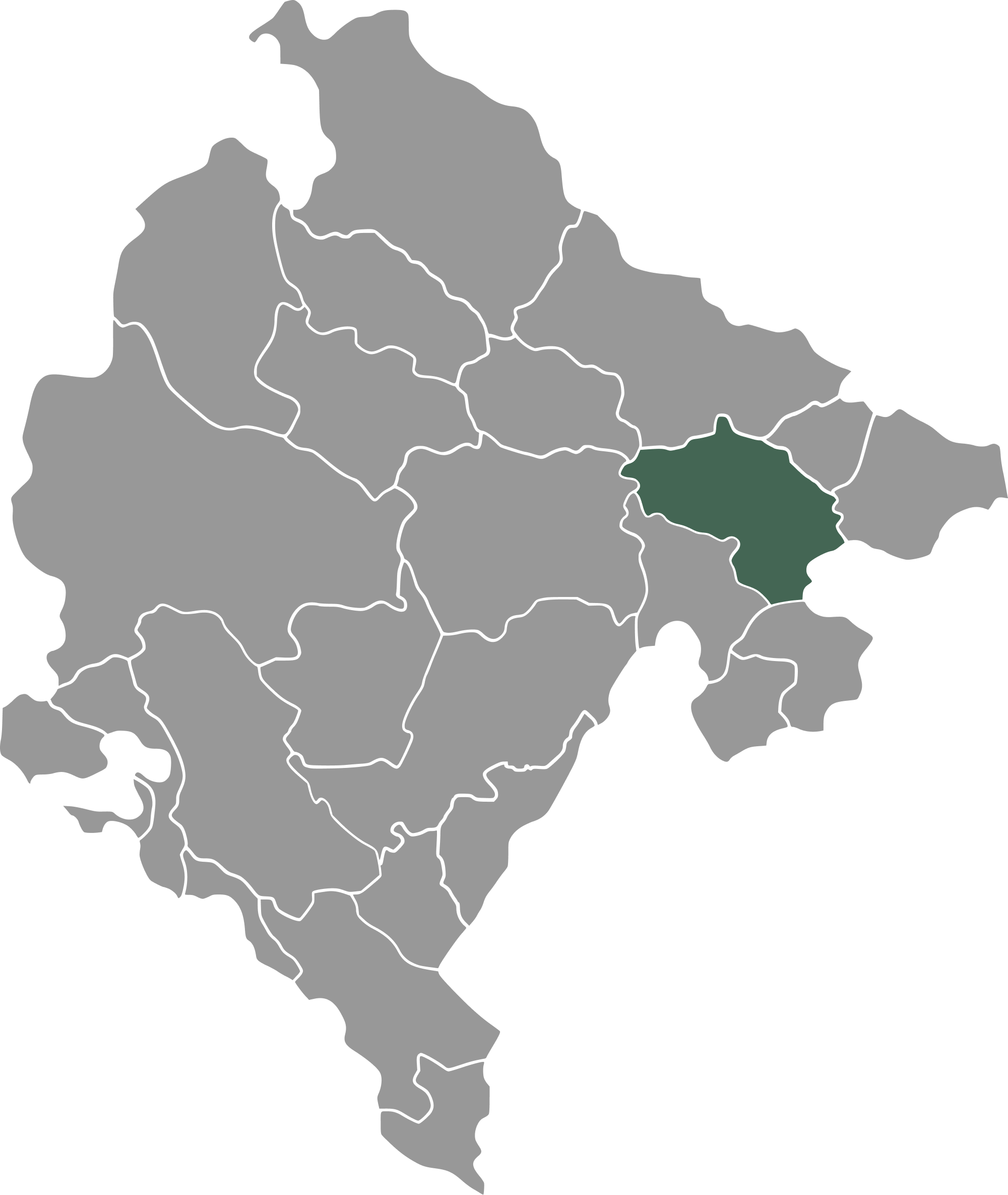
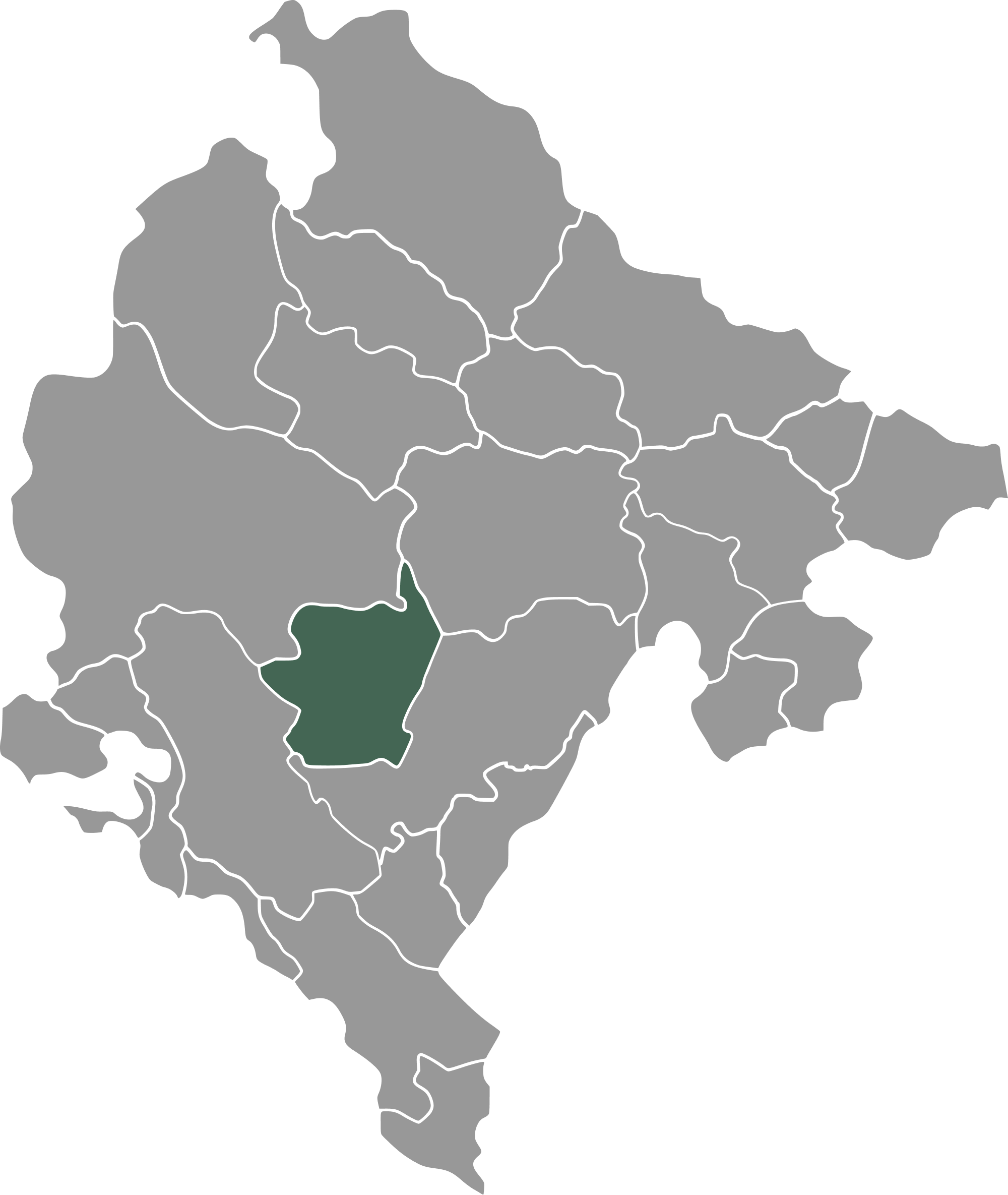
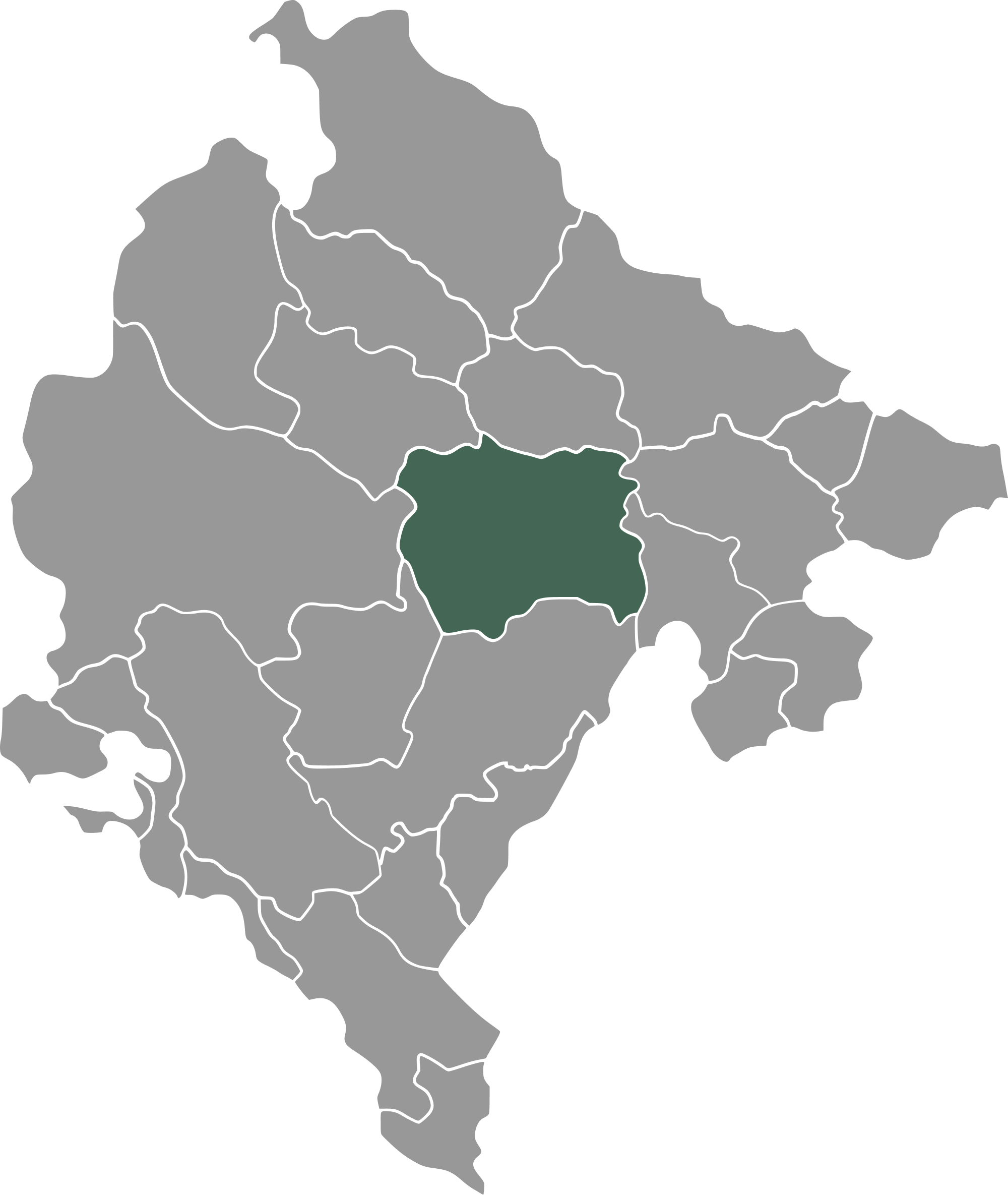
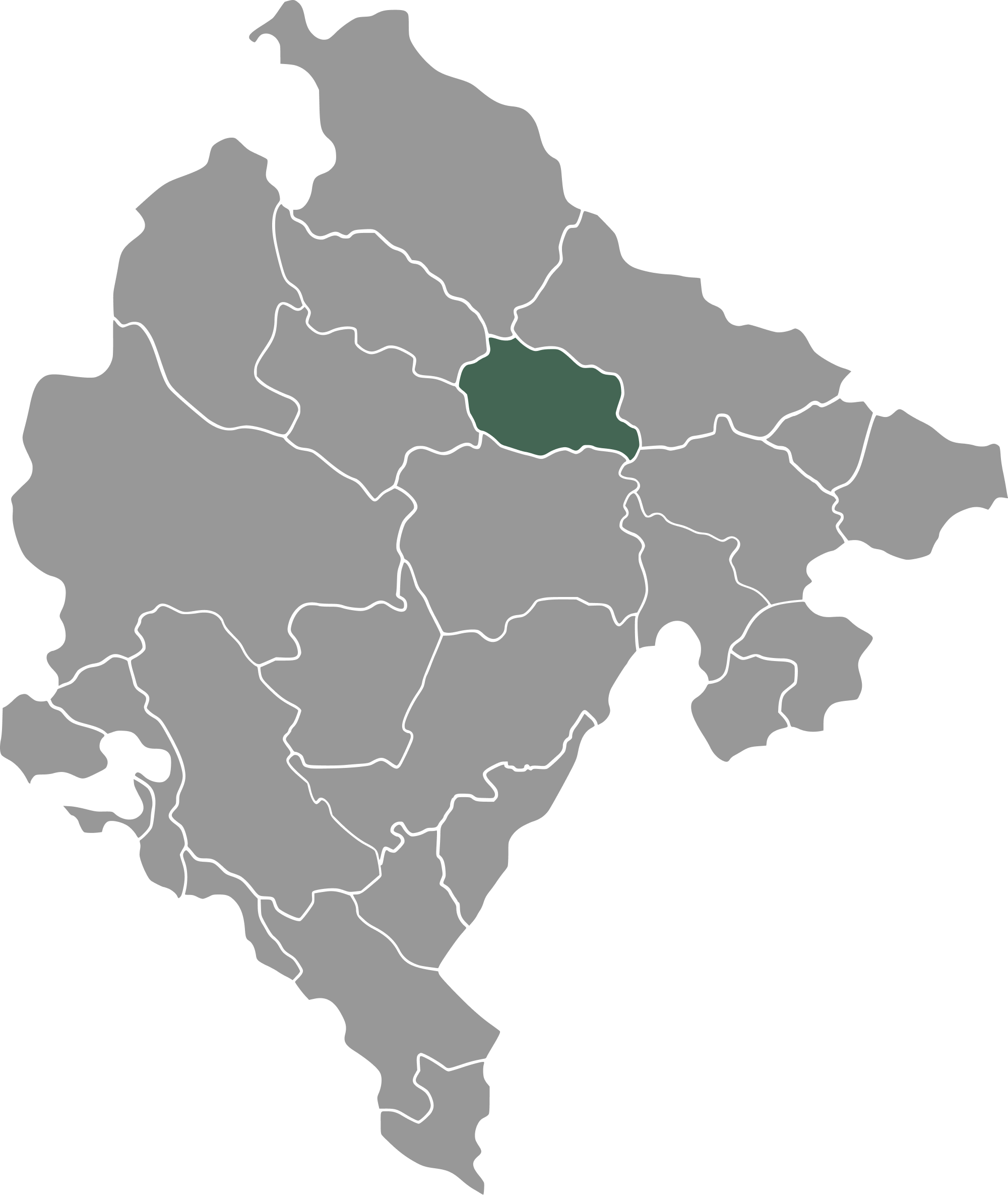
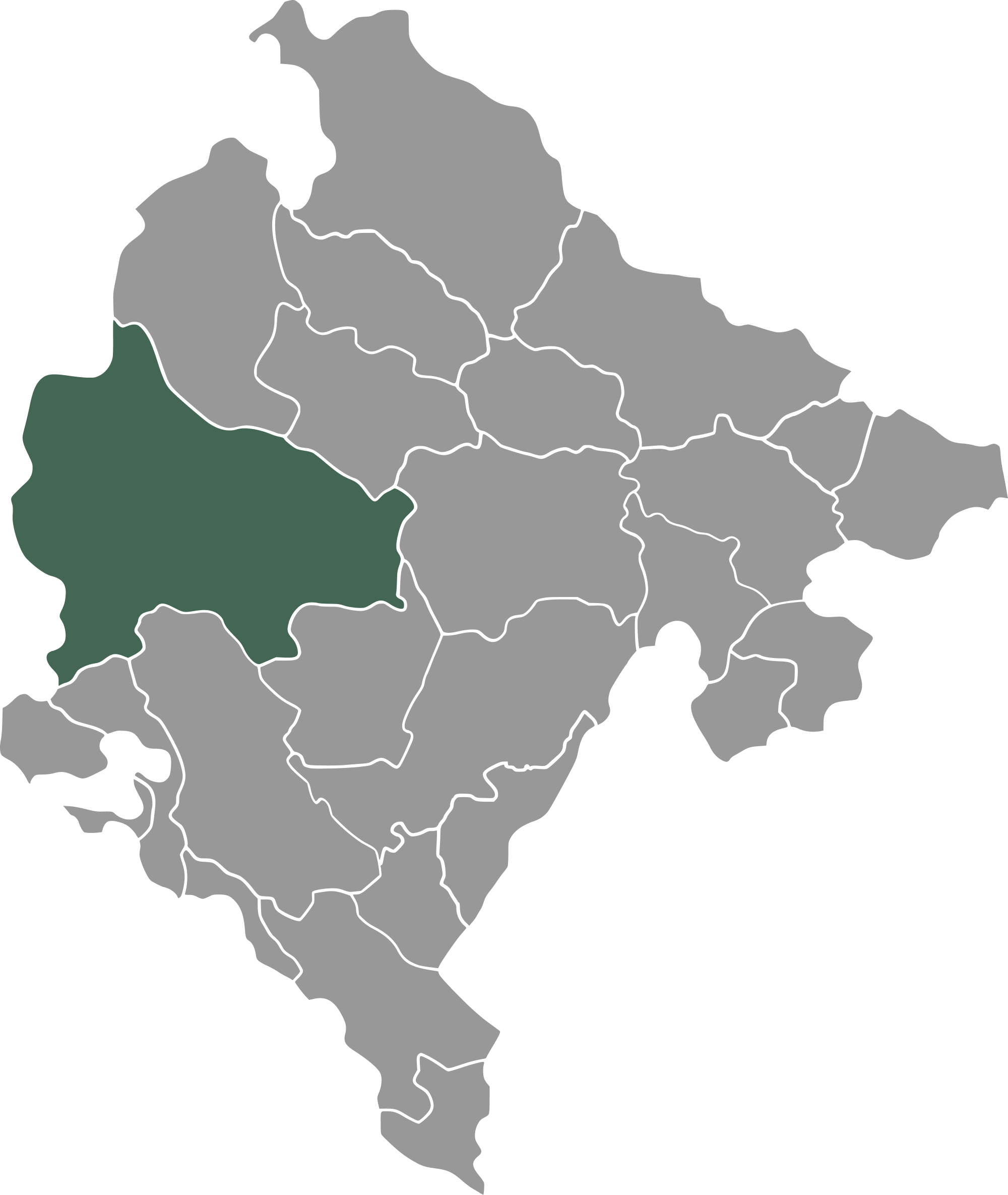
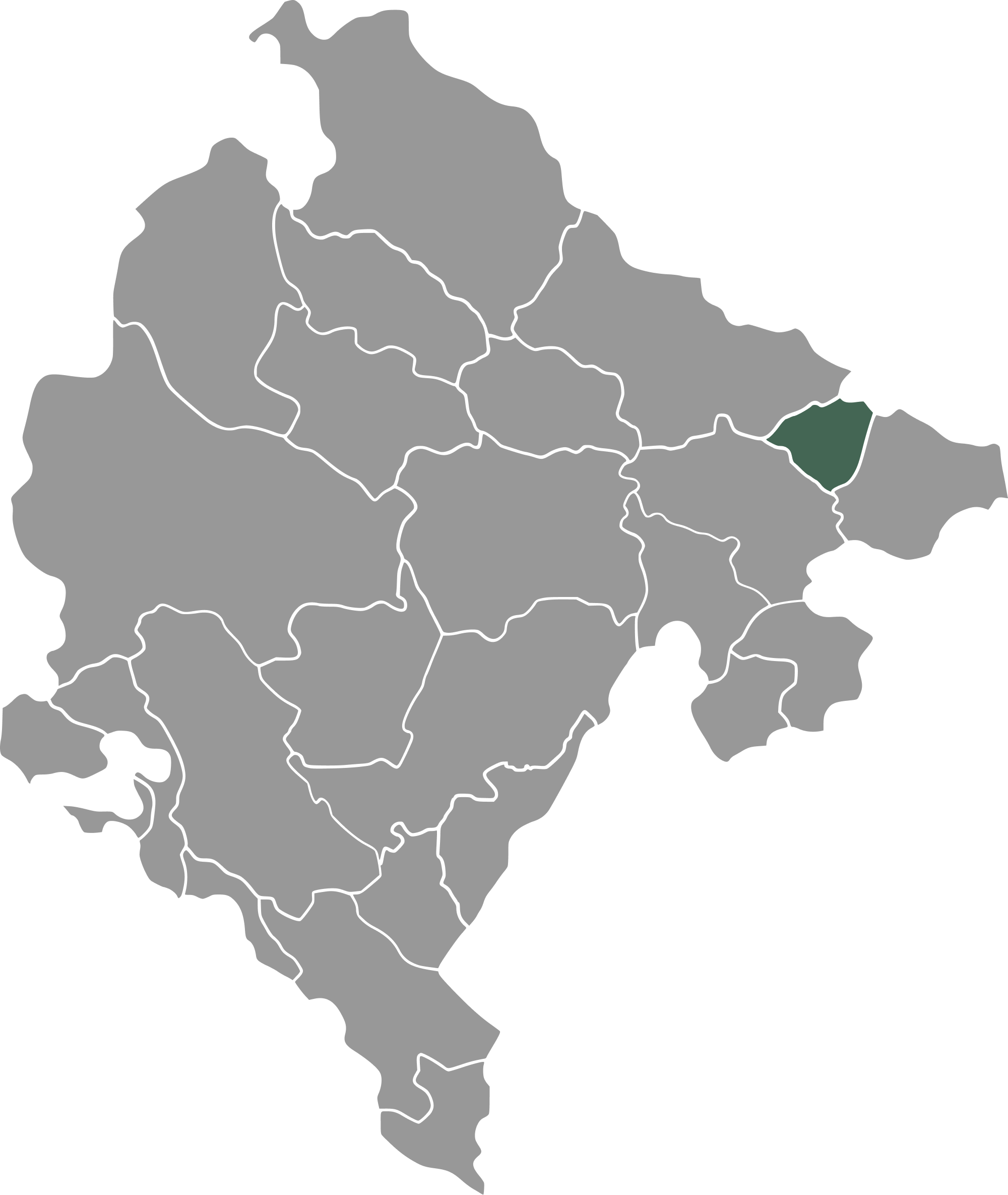
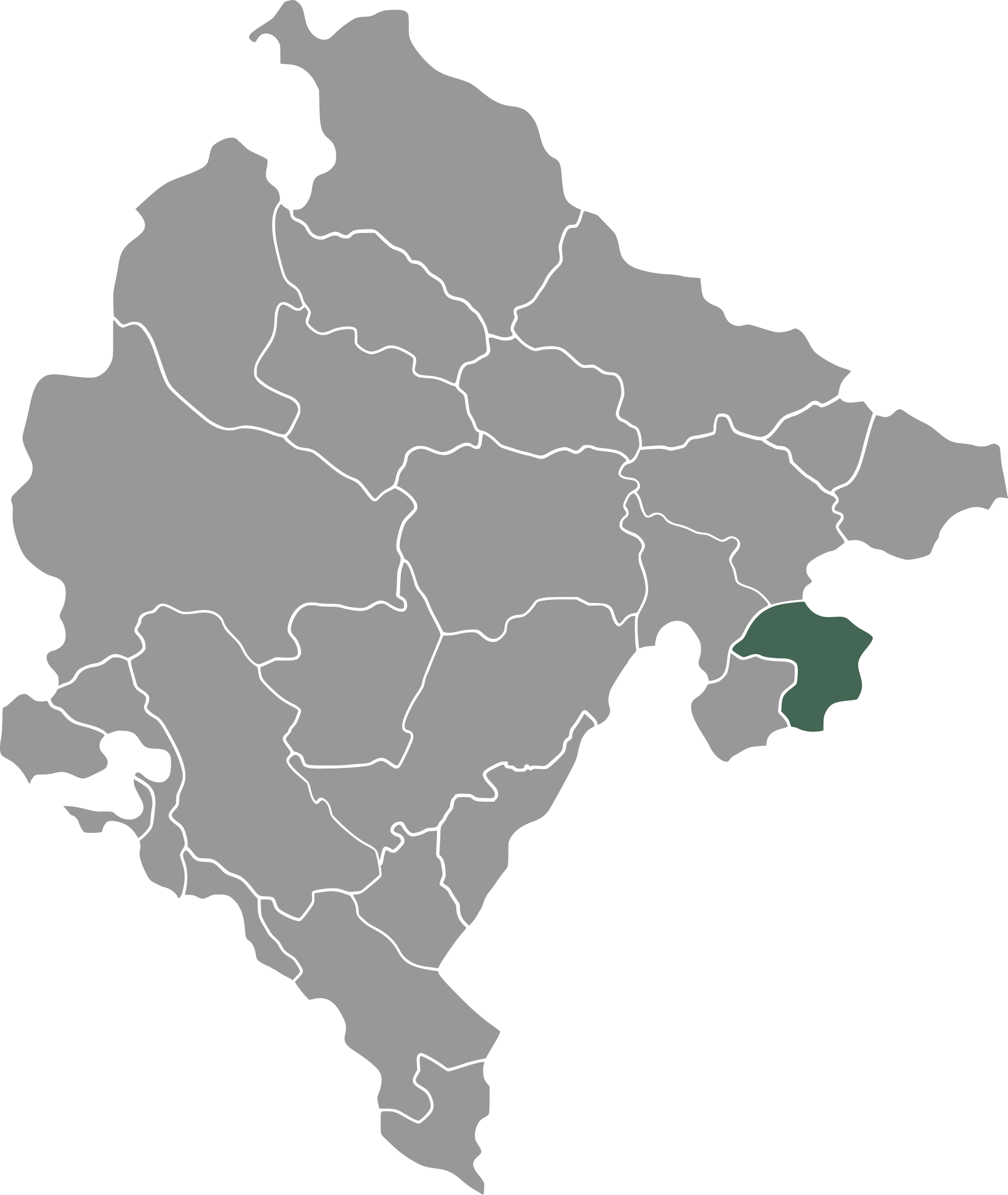
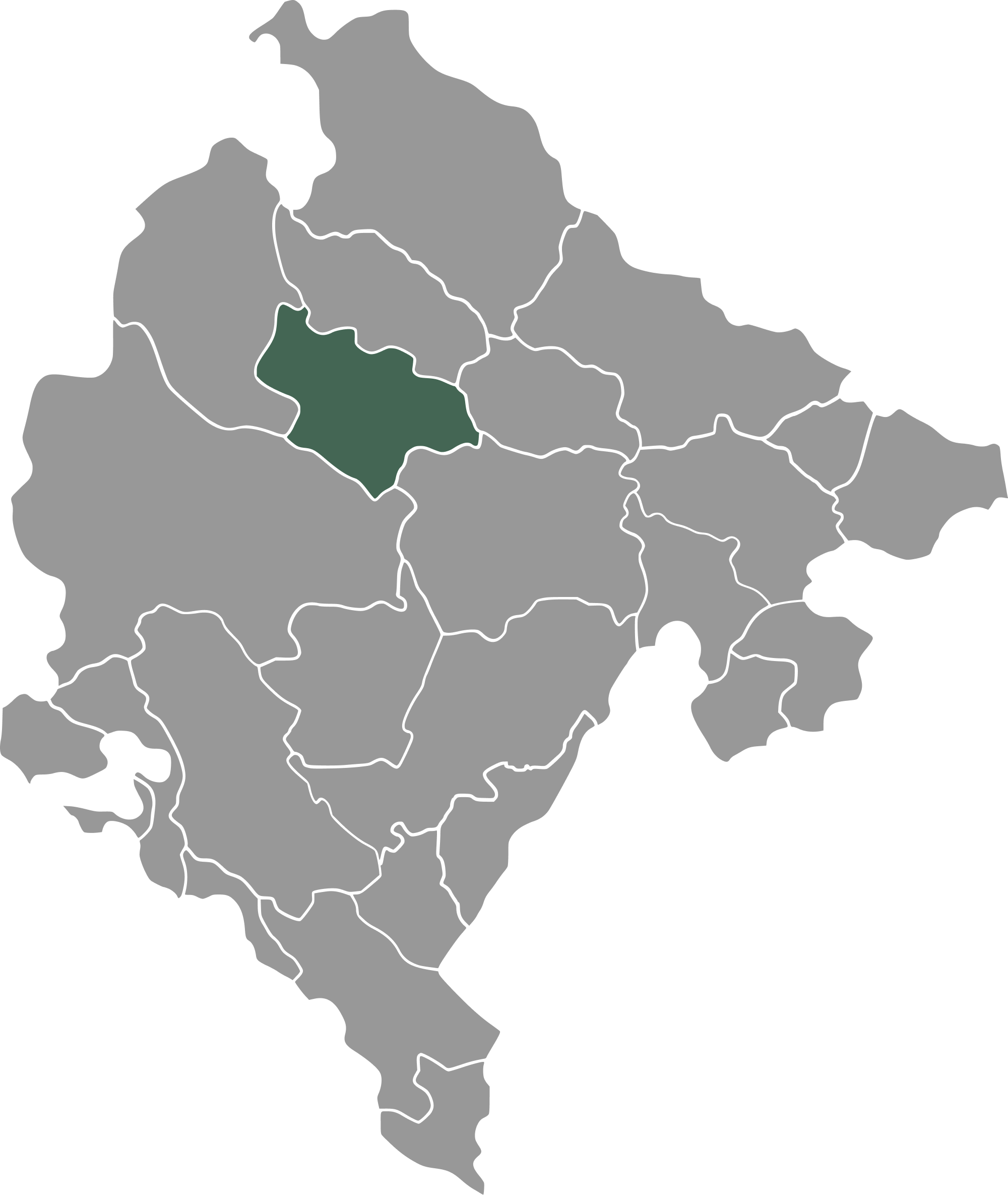
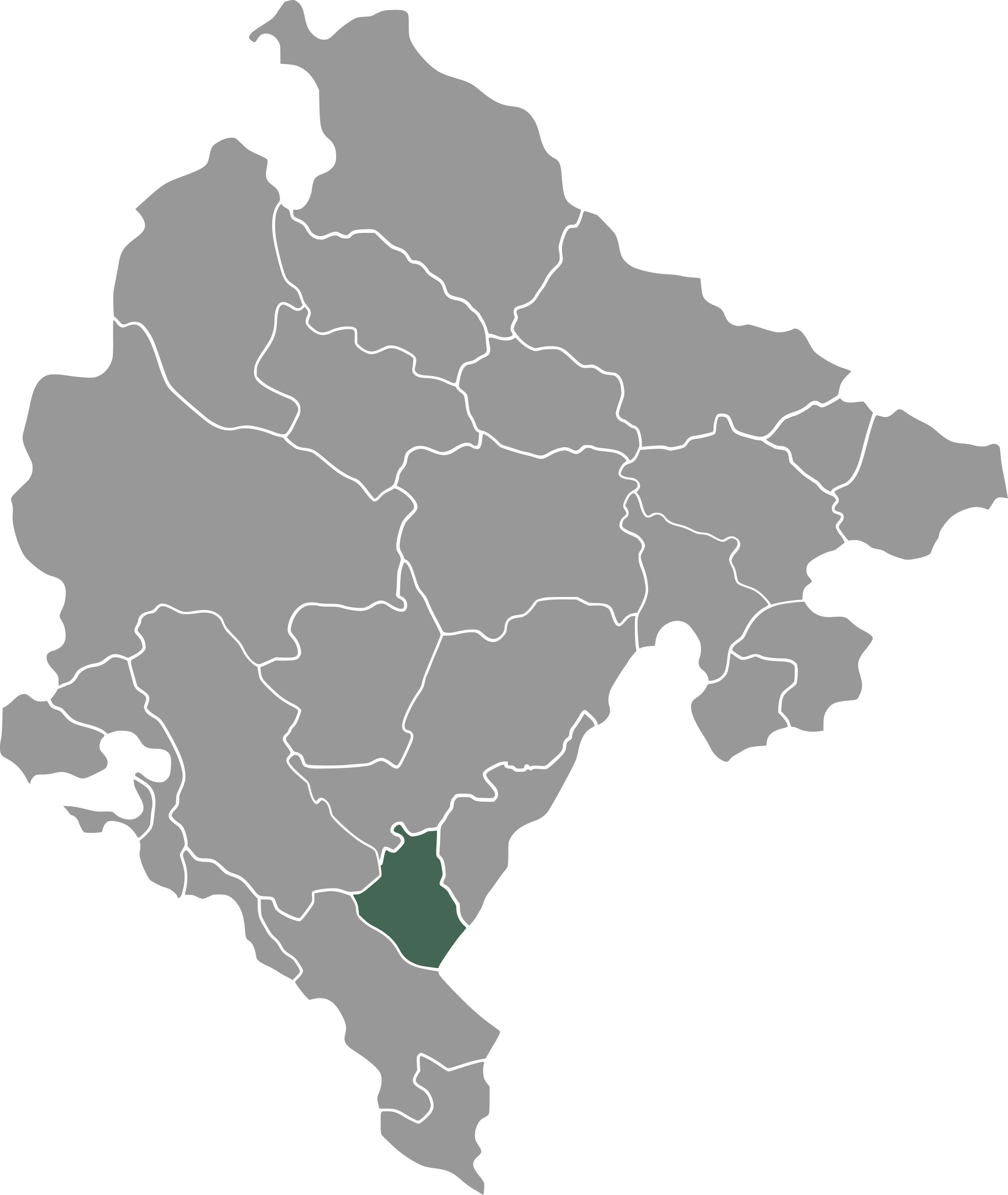
Podgorica is a city where different layers of time and space converge. Set between five rivers, the Morača, Ribnica, Zeta, Cijevna, and Sitnica, Podgorica carries the spirit of a place that has always been a meeting point.
Its face is shaped by contrasts: the remains of ancient Doclea, the stone bridge over the Ribnica, socialist architecture, and modern boulevards stretching toward new neighbourhoods. The city covers around 140 square kilometres, or 1,441 km² including the wider municipal area, and has a population of more than 180,000.
Podgorica’s charm lies in the everyday life of its people. The culture of lingering over coffee, long conversations in the shade, and the nearness of both mountains and sea give the city a relaxed and approachable character.
Podgorica is a distinctly diverse environment. Montenegrins and Serbs make up the largest communities, alongside a significant presence of Bosniaks, Albanians, and others.
Orthodox, Muslim, and Catholic places of worship are spread throughout the city, creating a harmonious setting. Different traditions, languages, and customs shape the character of a city where coexistence feels natural.
The economy is based on services, trade, energy, telecommunications, banking, and the food industry.
The city is home to the headquarters of most state institutions, as well as a large number of companies.
Its proximity to the airport, railway, and the Sozina Tunnel makes Podgorica a key hub linking the coast, the north, and the wider region.
Technology parks, startup centres, and modern business complexes give Podgorica a distinctive contemporary character.
Podgorica is the country’s main academic centre and home to most faculties of the University of Montenegro, including the Faculty of Economics, Faculty of Law, Faculty of Electrical Engineering, Faculty of Natural Sciences and Mathematics, Faculty of Medicine, Faculty of Political Sciences, and others.
Alongside public institutions, there are also private higher education establishments, international schools, and professional training centres, making the city especially attractive to students from across the country.
The city has a vibrant cultural scene. The KIC “Budo Tomović” Cultural and Information Centre hosts theatre performances, concerts, and film programmes. The City Theatre, the Montenegrin National Theatre, and the “Radosav Ljumović” National Library sustain the city’s artistic life. The Museum and Galleries of Podgorica trace both its history and its contemporary art. Throughout the year, the city hosts FIAT, the Podgorica Carnival, Artists’ Days, the Festival of Wine and Bleak, as well as numerous musical and literary events.
Stara Varoš, with its narrow, winding streets paved in stone and polished by the footsteps of generations, preserves an oriental imprint, while Nova Varoš and the business districts embody the modern spirit of the city.
Gorica and Ljubović are popular spots for walking and recreation. The trails of Gorica, soft with pine needles, lead through a forest where the city seems to fall silent. The scent of resin and earth mingles with the freshness of the air, which is why this place is often called the city’s lungs. Ljubović is rougher and more open, its slopes more bare, dotted with low vegetation and steep climbing paths.
The canyon of the Cijevna, with its striking water colour and rocky banks, draws nature lovers. Lake Skadar lies only a short drive away and offers boat rides, birdwatching, and quiet hidden coves.
The Morača divides the city and gives it identity, while the Millennium Bridge has become a recognisable symbol of Podgorica’s modern skyline.
Podgorica is the country’s most important transport hub. The airport is only about ten minutes from the city centre. Main roads lead toward the coast, the north, and Albania.
The railway connects the city with Bar and Belgrade, while the bus network provides links to every major town in Montenegro.
Podgorica has a well developed sports infrastructure. Stadion pod Goricom is the home of the national football team. The Morača Sports Centre hosts basketball, handball, and water polo. KK Budućnost and RK Budućnost represent the city successfully in European competitions.
The city also offers numerous outdoor gyms, cycling paths, and recreational zones.
Podgorica is currently the most stable and dynamic real estate market in Montenegro. Population growth, a strong IT sector, the presence of international companies, and a large student population create constant demand for both property purchases and rentals.
New residential developments in City Kvart, Central Point, Pobrežje, and Stari Aerodrom offer modern standards of living. Business zones in Donja Gorica attract logistics and manufacturing companies.
Prices remain lower than on the coast, yet continue to rise steadily due to strong demand for long term rentals.
Foreign nationals coming for work or remote employment are increasingly choosing Podgorica as their base, which further strengthens the city’s investment security and long term potential.
This city brings together the modern and the traditional. In a single day, it is possible to visit museums, walk through Gorica, head out to the Cijevna, and in the evening enjoy the atmosphere of Bokeška Street or Stara Varoš.
The proximity of the lake, the mountains, and cultural amenities makes Podgorica ideal for those seeking a balanced pace and access to nature without giving up urban living.
Life here unfolds at a measured and practical rhythm. In winter, the pace becomes calmer, while summer brings heat and long gatherings on terraces. Everything is close at hand, city services function efficiently, and natural surroundings are only minutes away. Families, students, and professionals easily find a rhythm that suits them.
Podgorica is a city of simple everyday life, but also a place that offers far more to those who truly come to know it.
View listings in Podgorica