
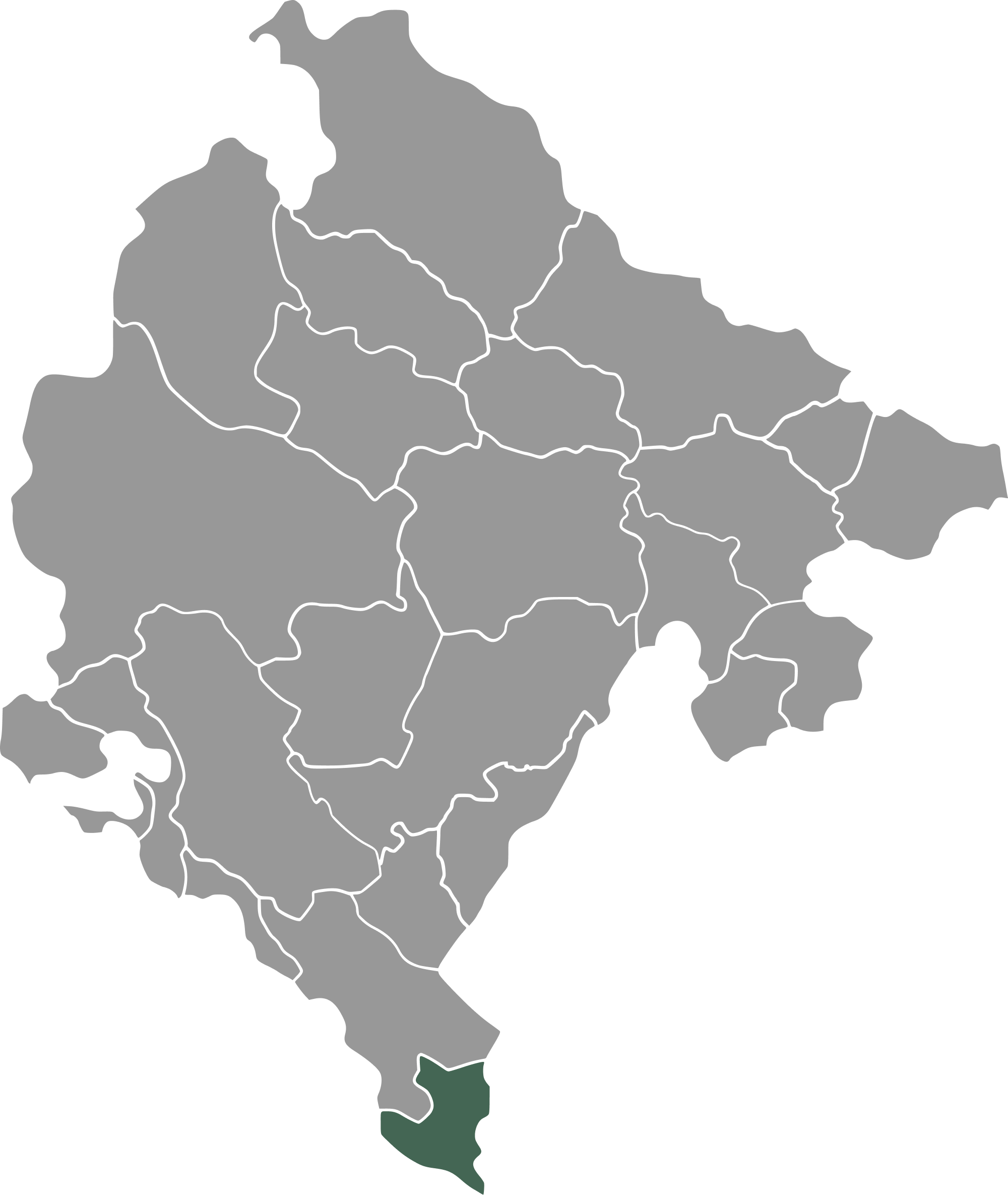
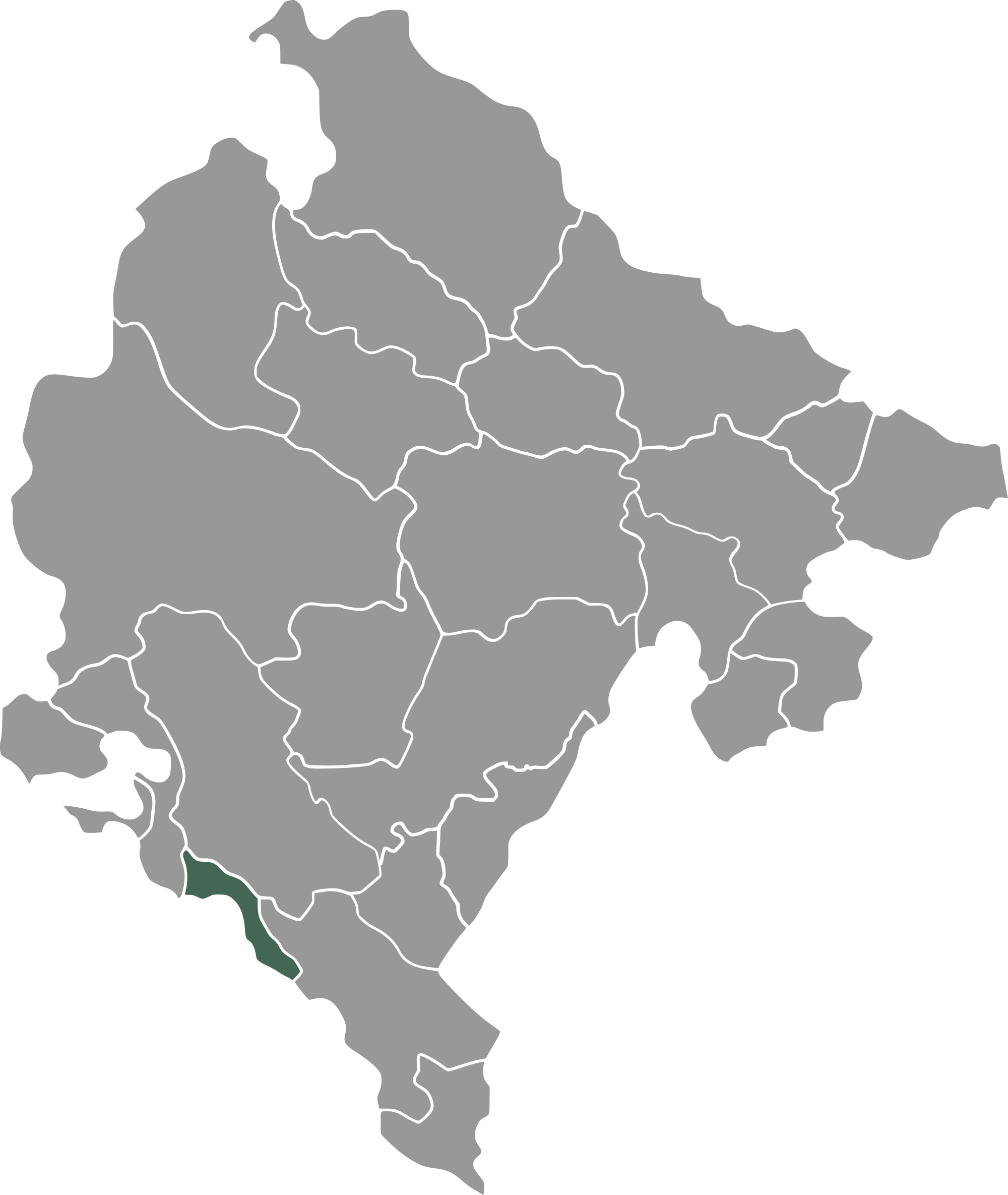
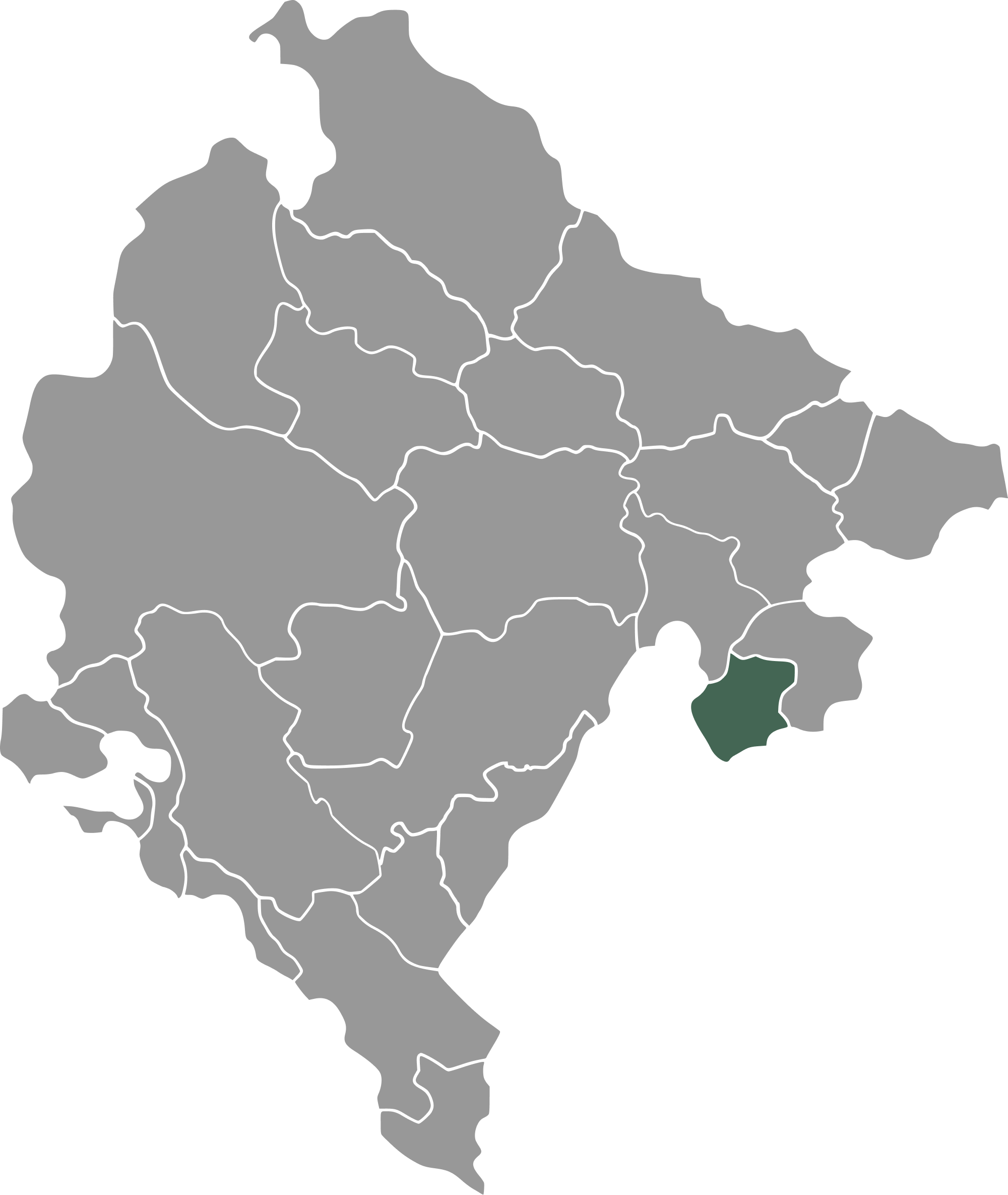
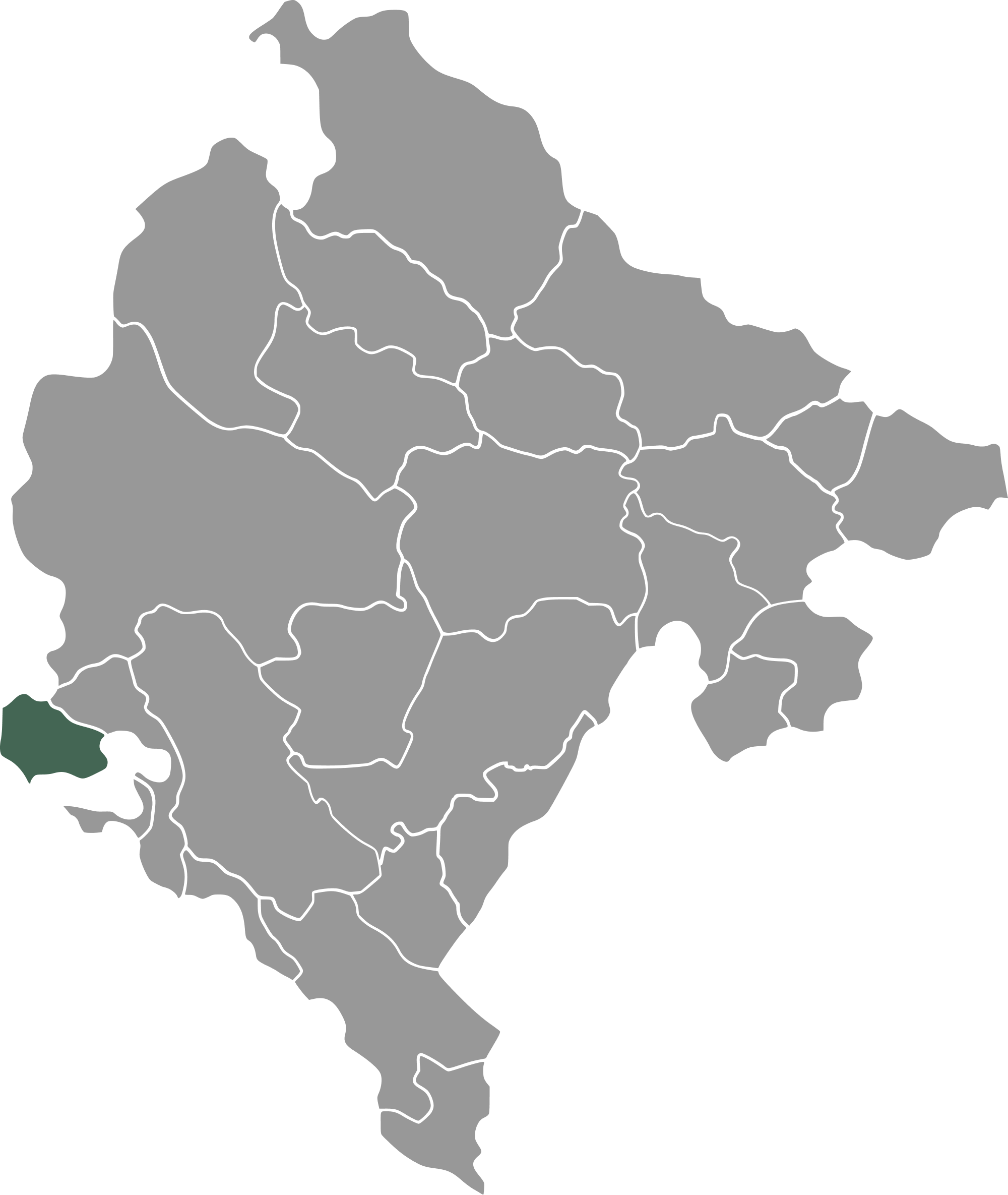
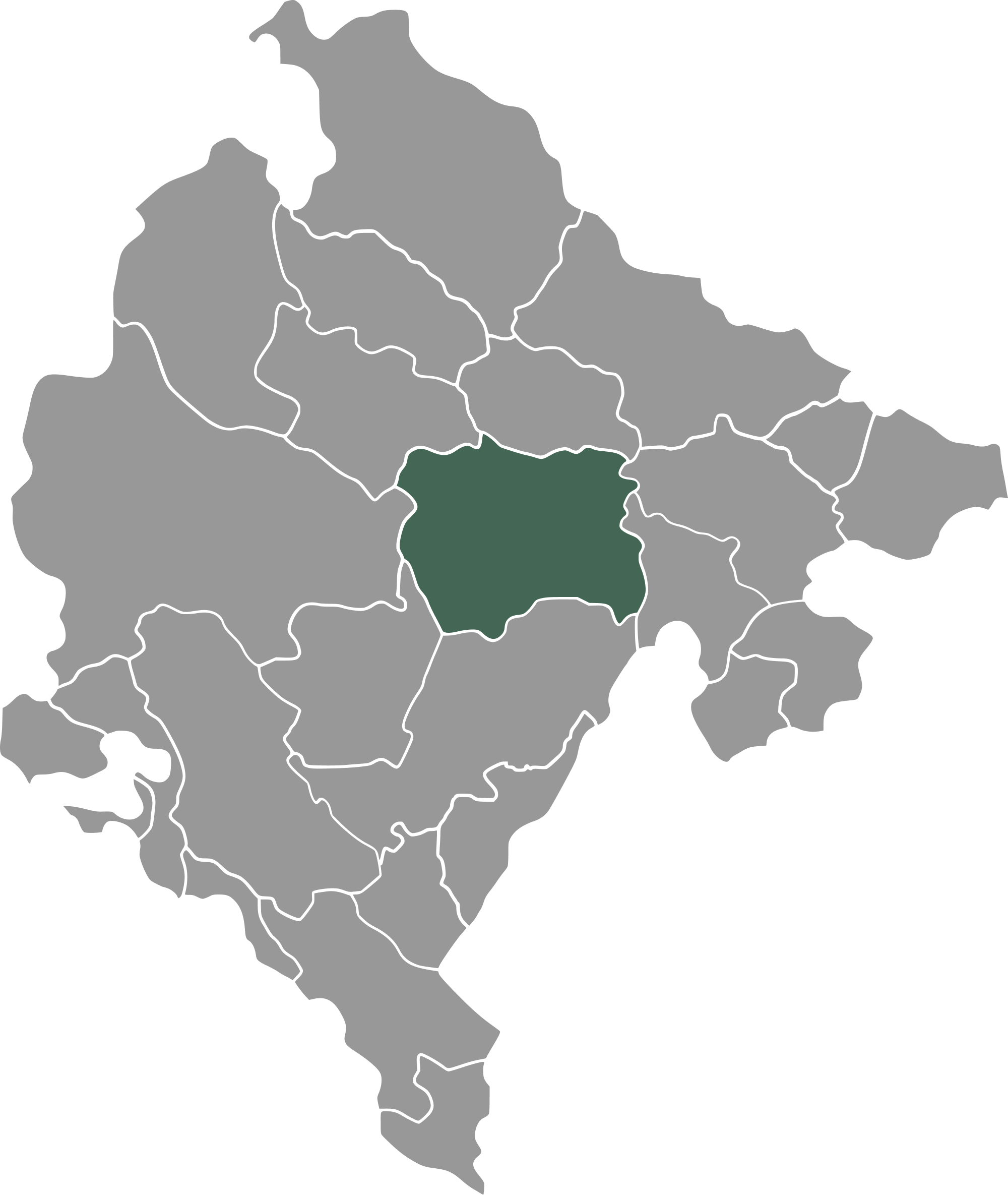
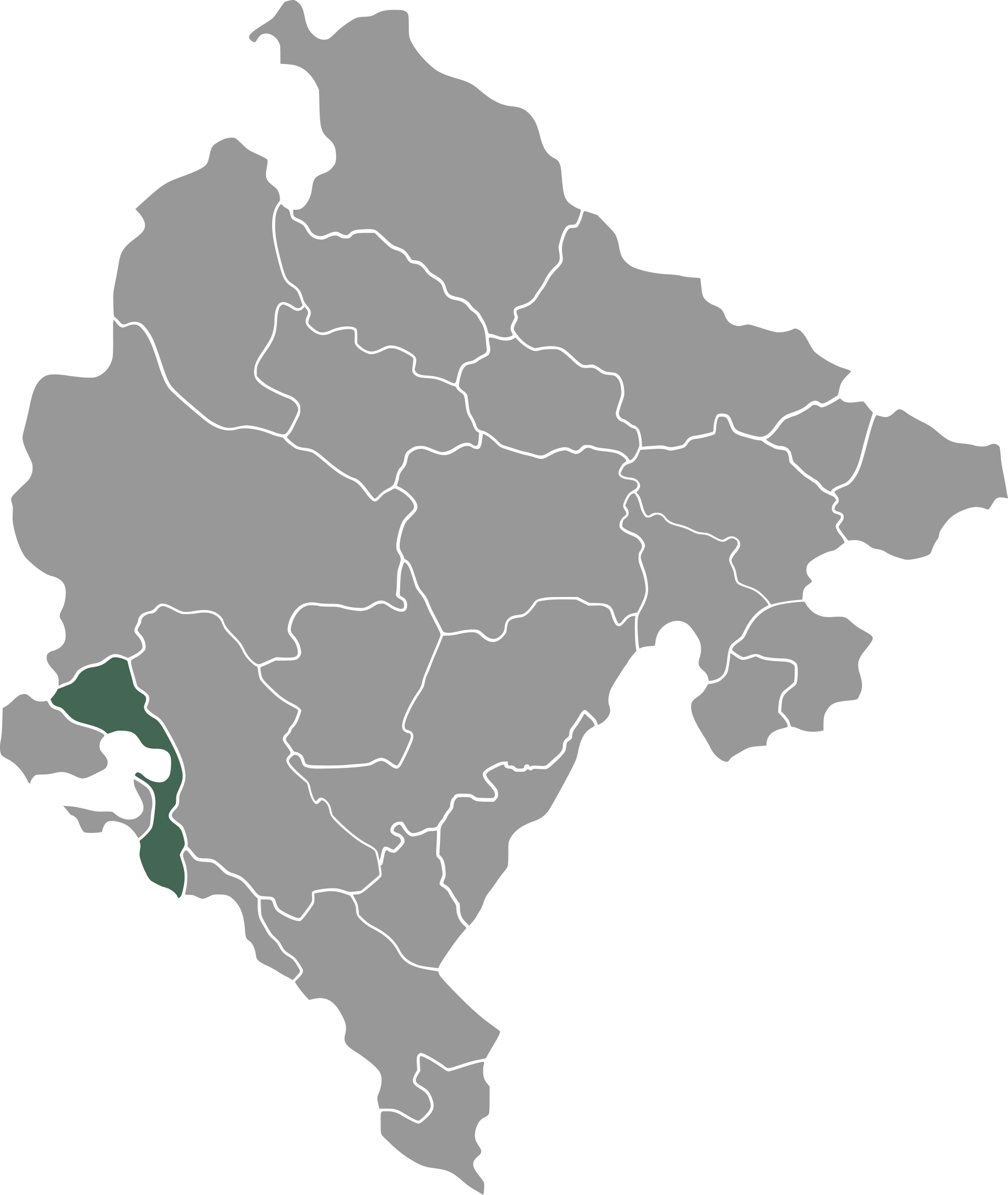
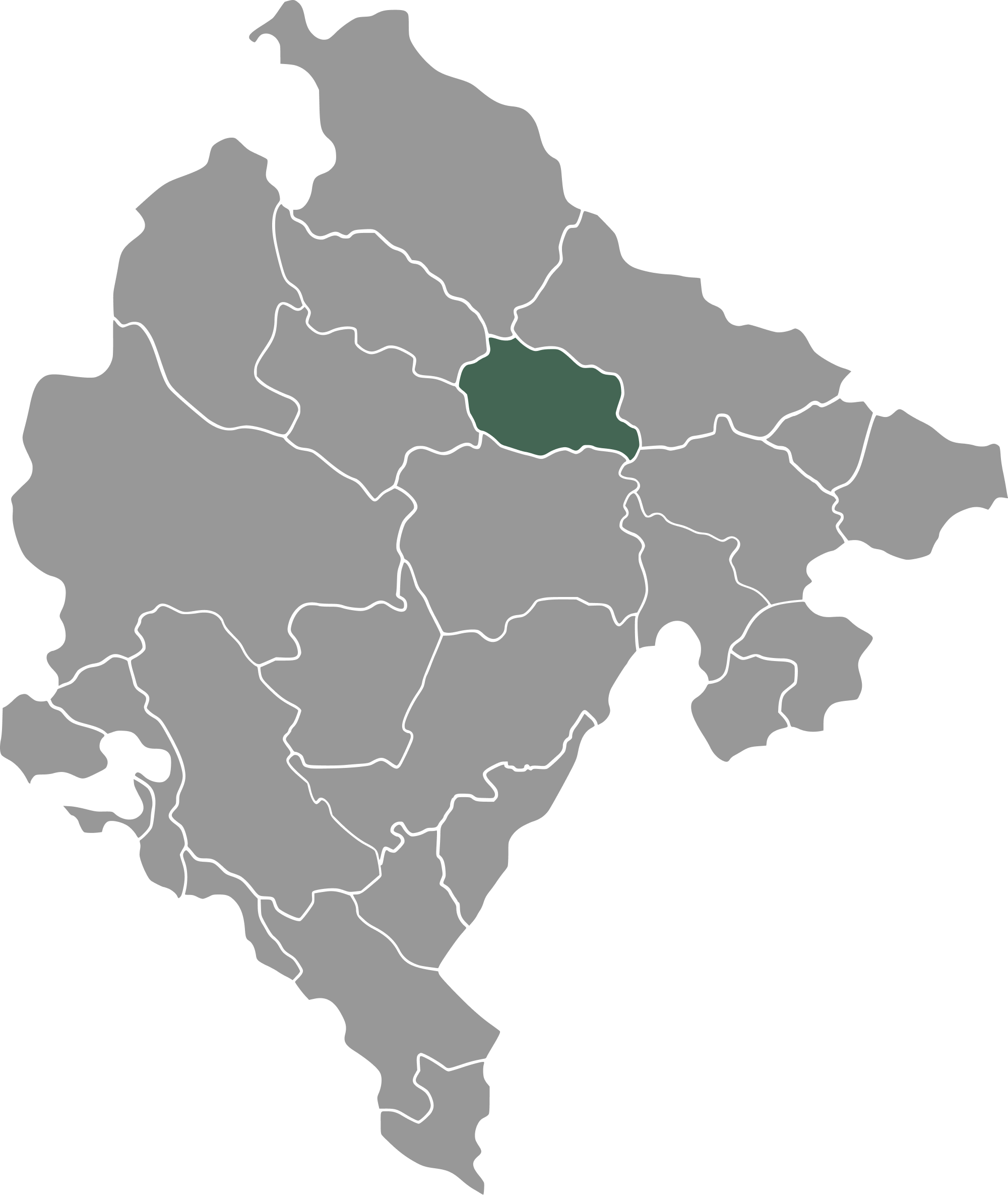
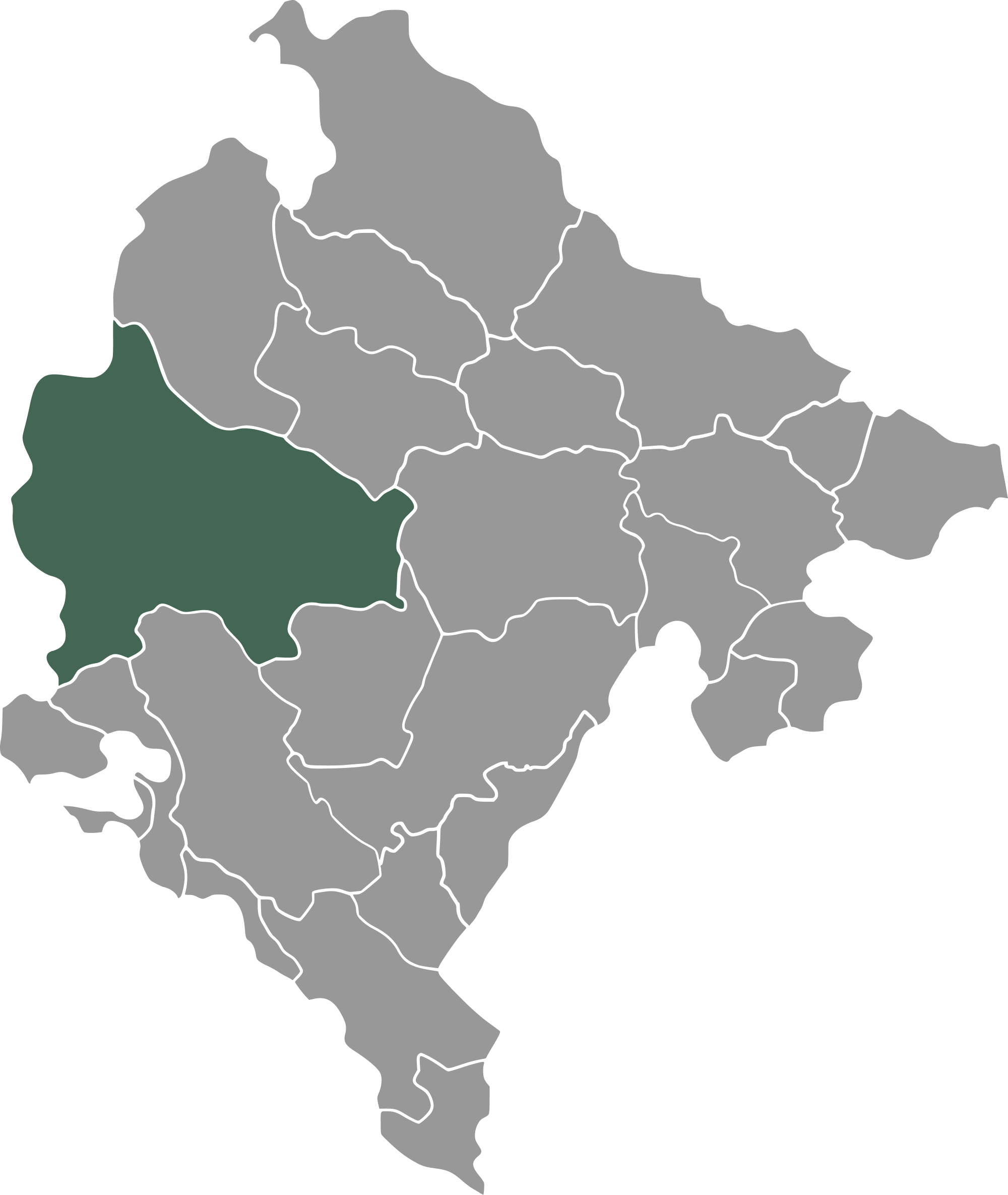
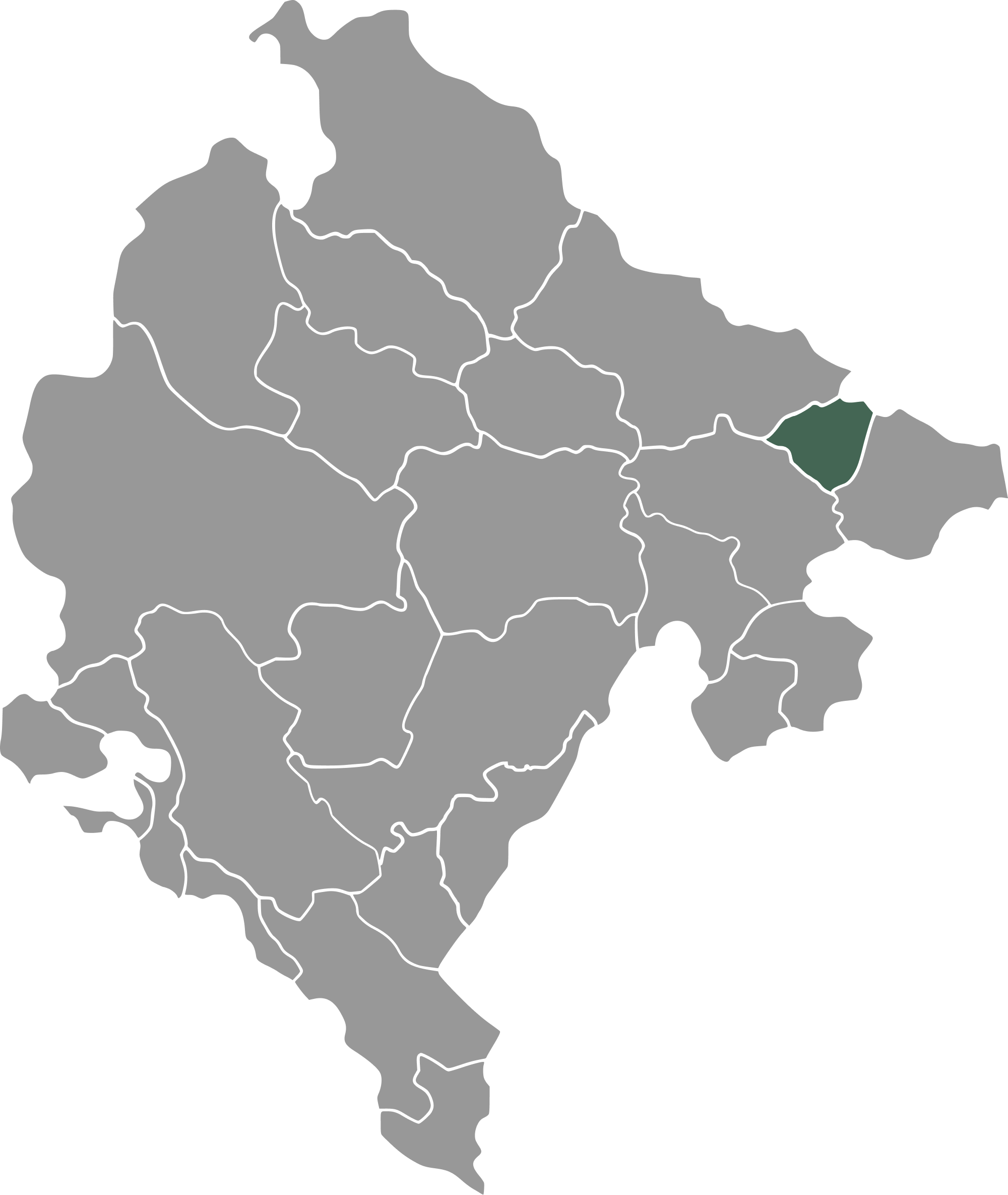
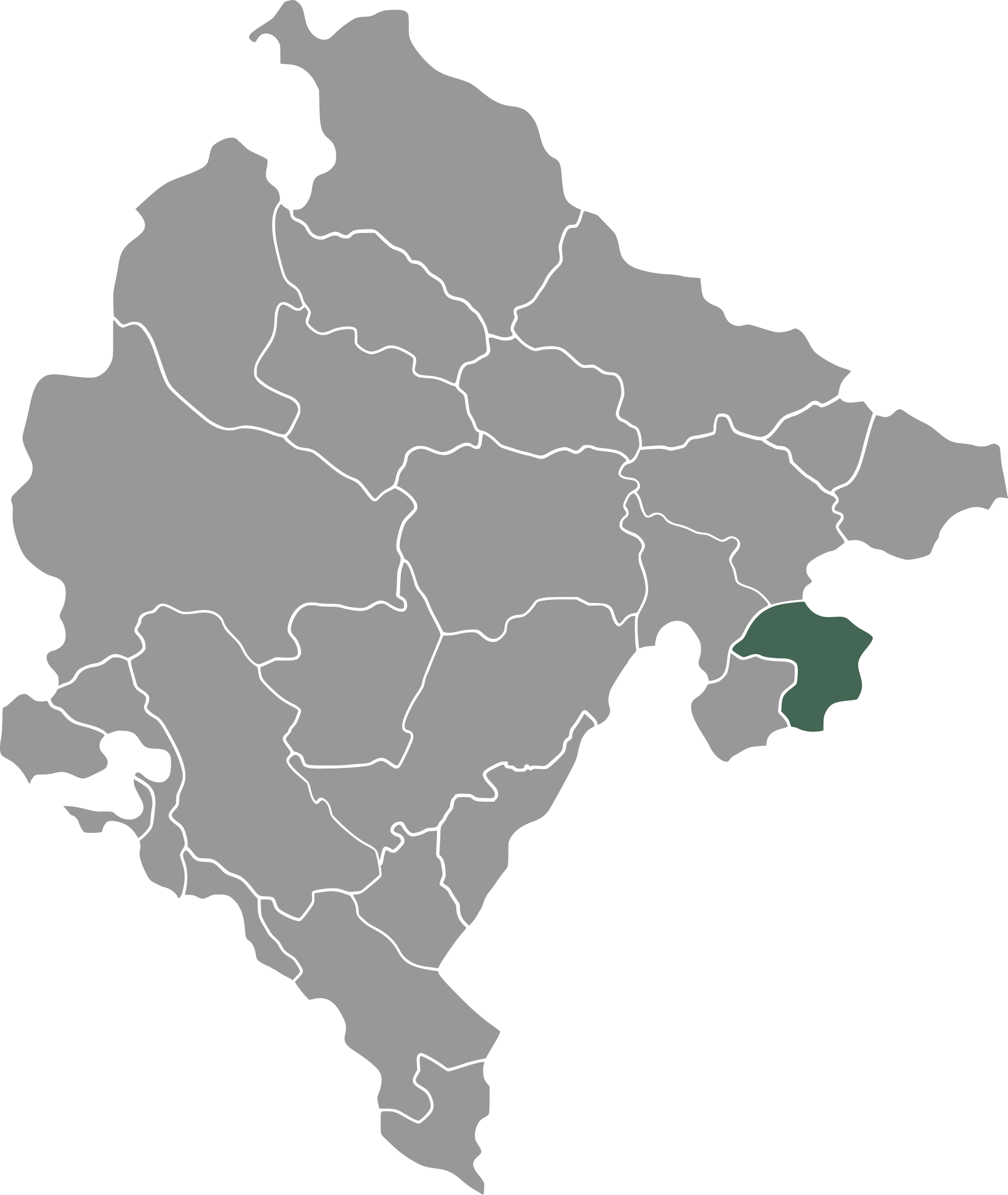
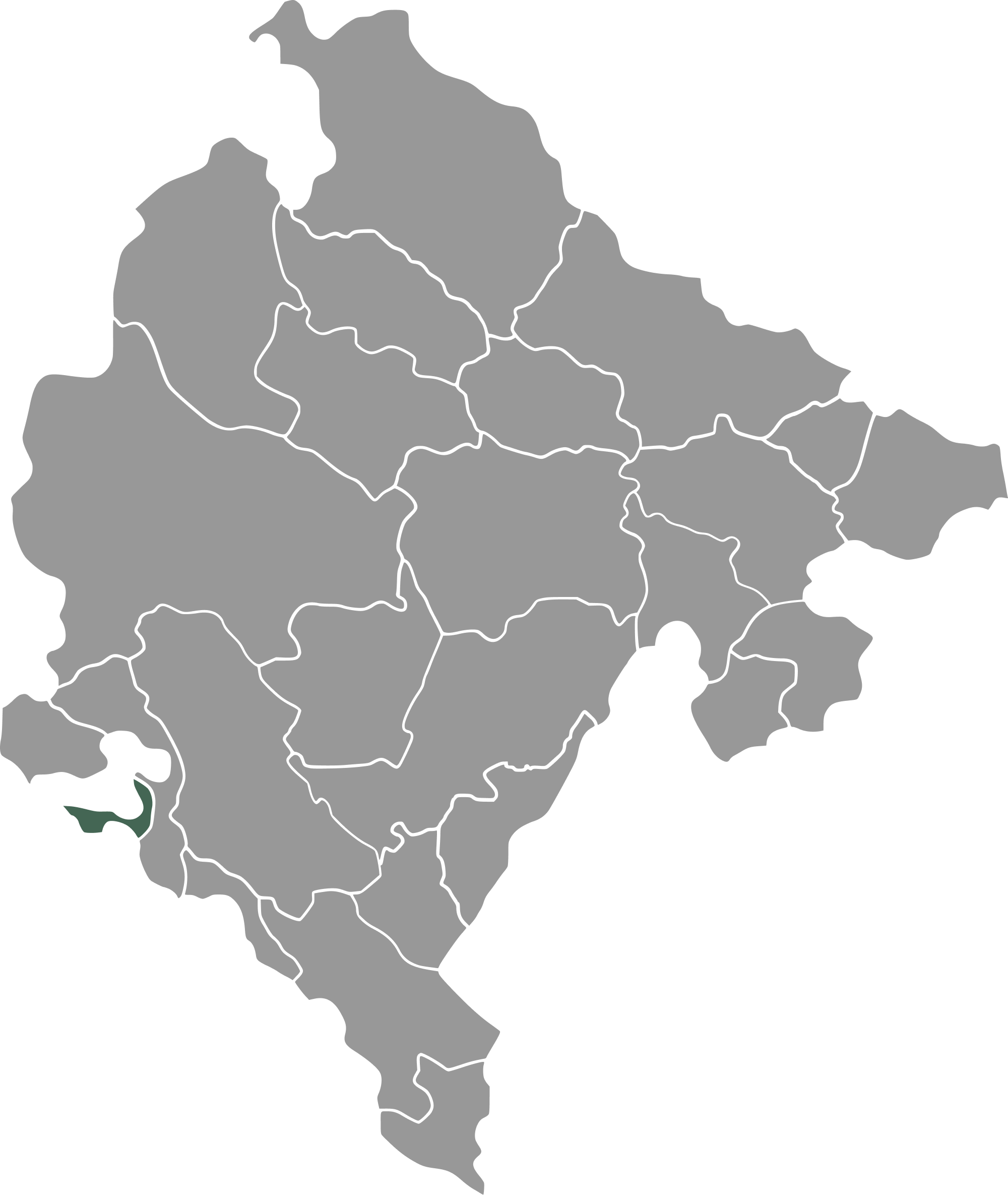
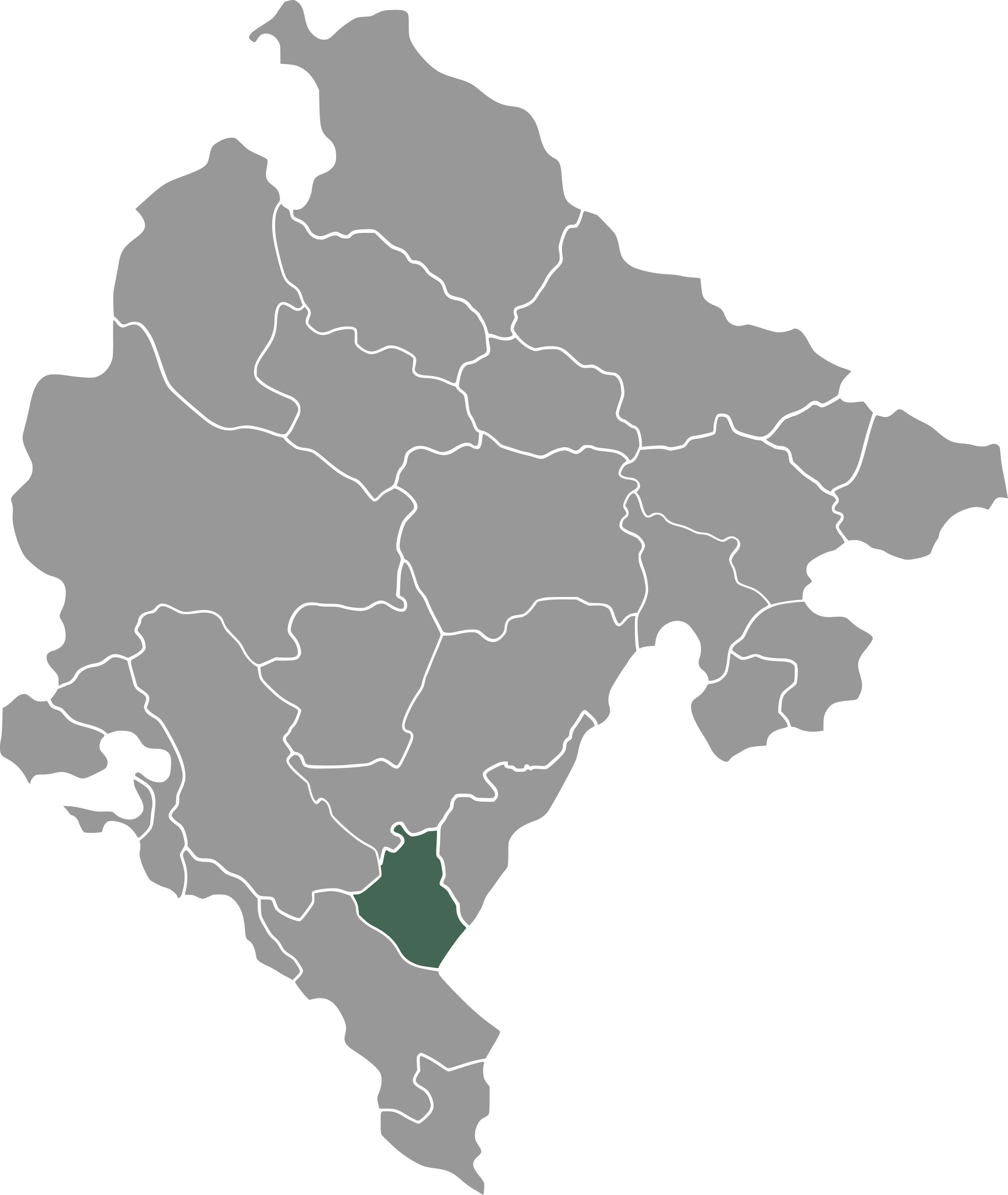
On the coast of the Adriatic Sea, at the extreme south of Montenegro, lies Ulcinj - once a pirate fortress on a rock above the sea, and today a place known for long sandy beaches, picturesque, ancient cobblestones, Mediterranean spirit and hospitality. Located on an area of about 255 square kilometers, between the municipality of Bar and the border with neighboring Albania, with about 22,000 inhabitants, Ulcinj is a place in which you can experience the dynamics of a coastal city, but also the peace of small villages among olive groves.
Ulcinj is a multi-ethnic environment in which the majority is made up of Albanians, along with the presence of Montenegrins, Bosniaks and other minorities. This diversity is reflected in the languages, customs and religious objects that contribute to the aesthetics of the city, and the more important ones are the Pasha's Mosque, Sailors' Mosque and the church of Saint Nicholas. The traditional coexistence of different cultures gives the city a special charm and a tolerant atmosphere.
Primary and secondary education in Ulcinj takes place in the Montenegrin and Albanian languages, which reflects the multicultural character of the city. In this municipality, there are several primary schools - „Boško Strugar", „Maršal Tito", „Bedri Elezaga" and „Marko Nuculović" in which instruction is carried out in both languages. In secondary education, the public Mixed School „Bratstvo i jedinstvo" and the private school Gymnasium „Drita" operate. This kind of bilingual instruction enables children from different communities to be educated in their mother tongue and contributes to the preservation of the rich culture of the region.
Modern Ulcinj relies to the greatest extent on tourism. The Long Beach (Velika plaža), more than 12 kilometers long, attracts families, surfers and kite-surfers. Besides it, there are the Small Beach (Mala plaža) in the center of the city, Valdanos bay, the island of Ada Bojana and the peaceful Šasko Lake. On the coast, restaurants, cafes, camps and water sports schools have developed, which makes Ulcinj an even more attractive destination.
Agriculture is an important supplement to tourism - Ulcinj is famous for old olive groves and orchards; olives, citruses, figs and pomegranates are still cultivated in the hinterland. Locals produce olive oil, wine and honey, and local fishermen still go out to sea. The proximity of the Albanian border facilitates trade and makes Ulcinj an important market center of the extreme south.
Ulcinj offers an attractive combination of affordable prices and long-term growth potential. The growth of tourism, the increasing influx of foreign visitors and the development of projects like marina developments maintain a stable demand for real estate, especially during the summer season when accommodation becomes a precious resource. Whether it is an investment apartment for rent, a renovated old house in the city core or a modern home by the beach, Ulcinj offers a wide selection of real estate. Prices still remain lower compared to other parts of the coast, which attracts buyers who care about value for money. Long-term renting is becoming increasingly sought after as the city adapts to digital nomads and foreigners who want to spend more months near the sea.
The municipality of Ulcinj abounds in contrasts: on one side endless sandy beaches, on the other side lagoons, rivers and lakes. Šasko Lake is home to hundreds of species of birds and a paradise for birdwatchers. The river delta of Bojana forms the island of Ada Bojana, known for untouched nature and a nudist beach. Valdanos bay is surrounded by thousands of olive trees and a crystal clear sea. Numerous smaller beaches and bays are hidden among the pines and olive groves, ideal for escaping the crowd.
The climate in Ulcinj is typically Mediterranean - summers are hot and dry, and winters are mild. A large number of sunny days and warm sea water extend the tourist season from early spring to late autumn. The mild climate favors olives, citrus fruits and staying outdoors throughout the year.
The southern coast of Ulcinj is known for active holidays: kitesurfing on Ada Bojana, various water disciplines on the Long Beach, diving among wrecks, mountain biking, hiking, orienteering and riding a bicycle through the olive groves in Valdanos. Besides sea fishing, visitors can enjoy fishing on the lake or river, and in hunting zones such as Reč, it is possible to hunt wild boars, rabbits and other game. Ulcinj also has a series of sports clubs and courts for football, basketball, handball, tennis and karate, which provides numerous opportunities for recreation throughout the year.
Ulcinj is connected with the rest of Montenegro by highways, while the Sozina tunnel shortens the way to the interior, i.e., Podgorica. There are also planning initiatives for the construction of an international airport, and the municipality currently has only a grass runway with a length of 760 meters. The nearest airports in Podgorica and Tivat are about 70 and 85 kilometers away, and they offer flights to main European destinations. The airport in Tirana is also close, which has exceptional air connectivity and is about 120 kilometers away from Ulcinj. Numerous bus lines connect Ulcinj with cities in the country and the region, including Serbia, Albania, Kosovo, North Macedonia, Greece and Germany...
The city is proud of its long historical continuity. Ulcinj's Old Town, with preserved walls and winding streets, bears the traces of Greeks, Romans, Venetians and Ottomans. In the summer, the main walking zone, the korzo, turns into a vivid meeting place of locals and tourists. Locals and visitors enjoy numerous cafes, souvenir shops and galleries.
The first Saturday in April is celebrated as the Day of the Municipality of Ulcinj because it symbolizes the beginning of the tourist season and the departure of sailors to ships. During those days, fairs of domestic products, concerts, sports activities and outdoor manifestations are organized. During the summer, the festival Ulcinj Cultural Summer offers concerts, theater plays and exhibitions, highlighting the multicultural tradition of the city.
If you are looking for a destination that joins kilometer-long beaches, hospitable hosts, oriental architecture and Mediterranean gardens, Ulcinj is an ideal choice. Here you can enjoy freshly caught fish on Ada Bojana, walk through the centuries-old olive groves of Valdanos, buy handicrafts in the old town or simply watch the sunset over the Long Beach. Whether you are a fan of adrenaline sports, hedonistic beaches, cultural heritage or active holidays, Ulcinj in a small space offers a handful of experiences, in which everyone can find something close to themselves.
In Ulcinj, life does not subside even after the end of the tourist season: mild winters and relatively warm sea enable cafes and restaurants to remain open, and markets to be full of fresh citruses and olives. Schools, kindergartens, the health center and pharmacies function as in the summer, so families do not have to travel for basic needs. At the same time, festivals, wine and olive fairs, concerts and local celebrations take place, and returnees from the diaspora contribute to a sense of community.
Out of season, beaches become peaceful oases for long walks, olive groves change color, prices of groceries and accommodation drop, traffic is weaker and there is more time for socializing with the locals. For lovers of peace or remote work, Ulcinj in the quiet months provides an ideal blend of Mediterranean climate and an authentic, friendly environment.
Ada Bojana is a natural island complex located at the mouth of the river Bojana into the Adriatic Sea. It is known for beautiful sandy beaches, untouched nature and a peaceful environment. It attracts visitors because of its unusual geography and diverse offer. Three sides of the coast provide spacious sandy beaches with fine sand and crystal water, and constant winds make the island a mecca for kitesurfing and windsurfing. One beach is reserved for nudists, so the island is especially appreciated among lovers of naturism. Authentic fishing taverns along the coast of Bojana offer fresh fish and seafood, while riding in boats through the river channels is counted among the most beautiful excursions. Due to the peaceful atmosphere, wild nature and the view of Albania on the other side of the river, Ada Bojana is a place where the sea, river and sky merge into an experience of relaxation and adventure, so every year it attracts thousands of tourists eager for a different kind of vacation. This space is also ecologically significant because of the rich plant and animal world. Ada Bojana is known as a sanctuary for birds, so it is popular also among lovers of ornithology.