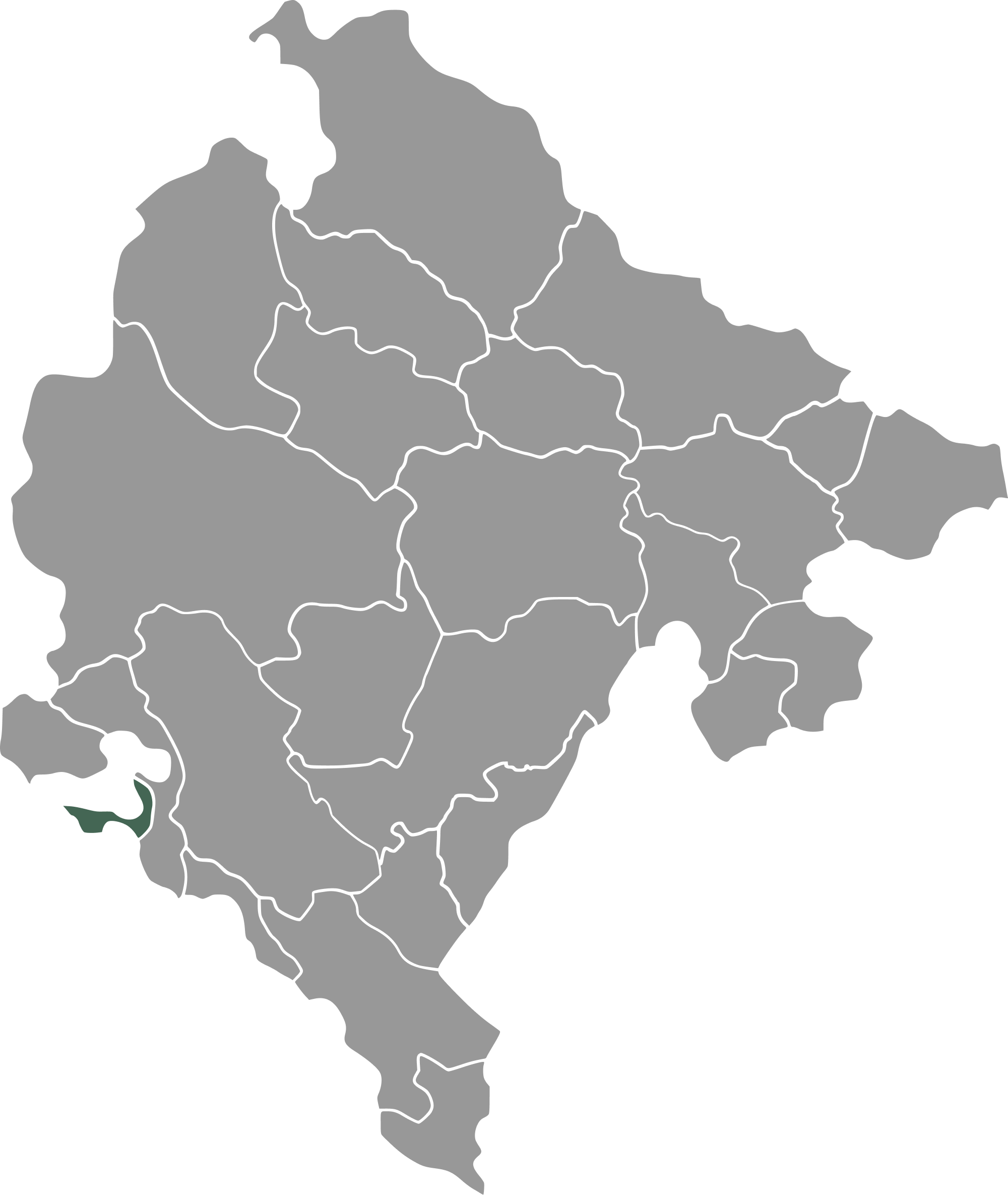
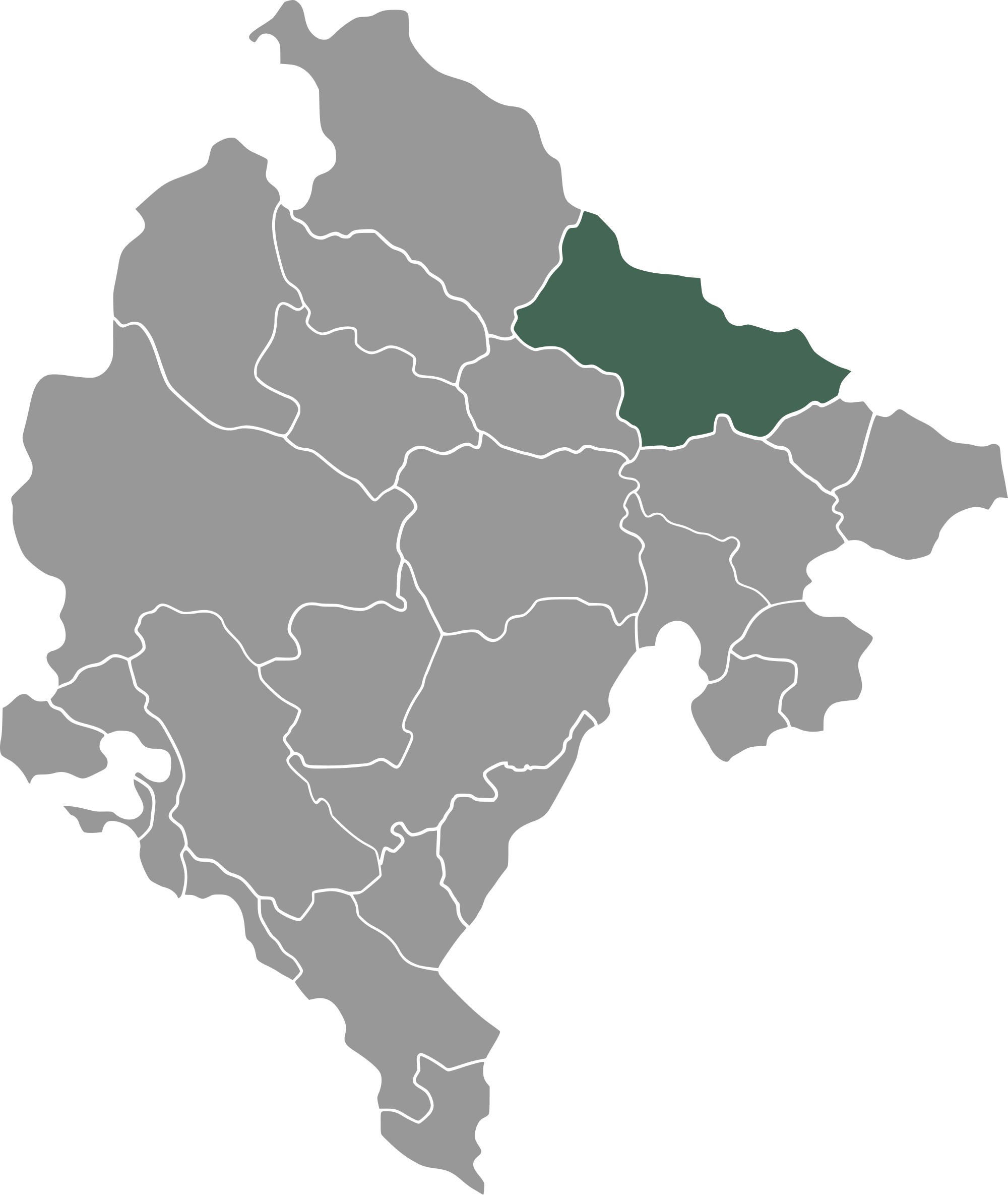
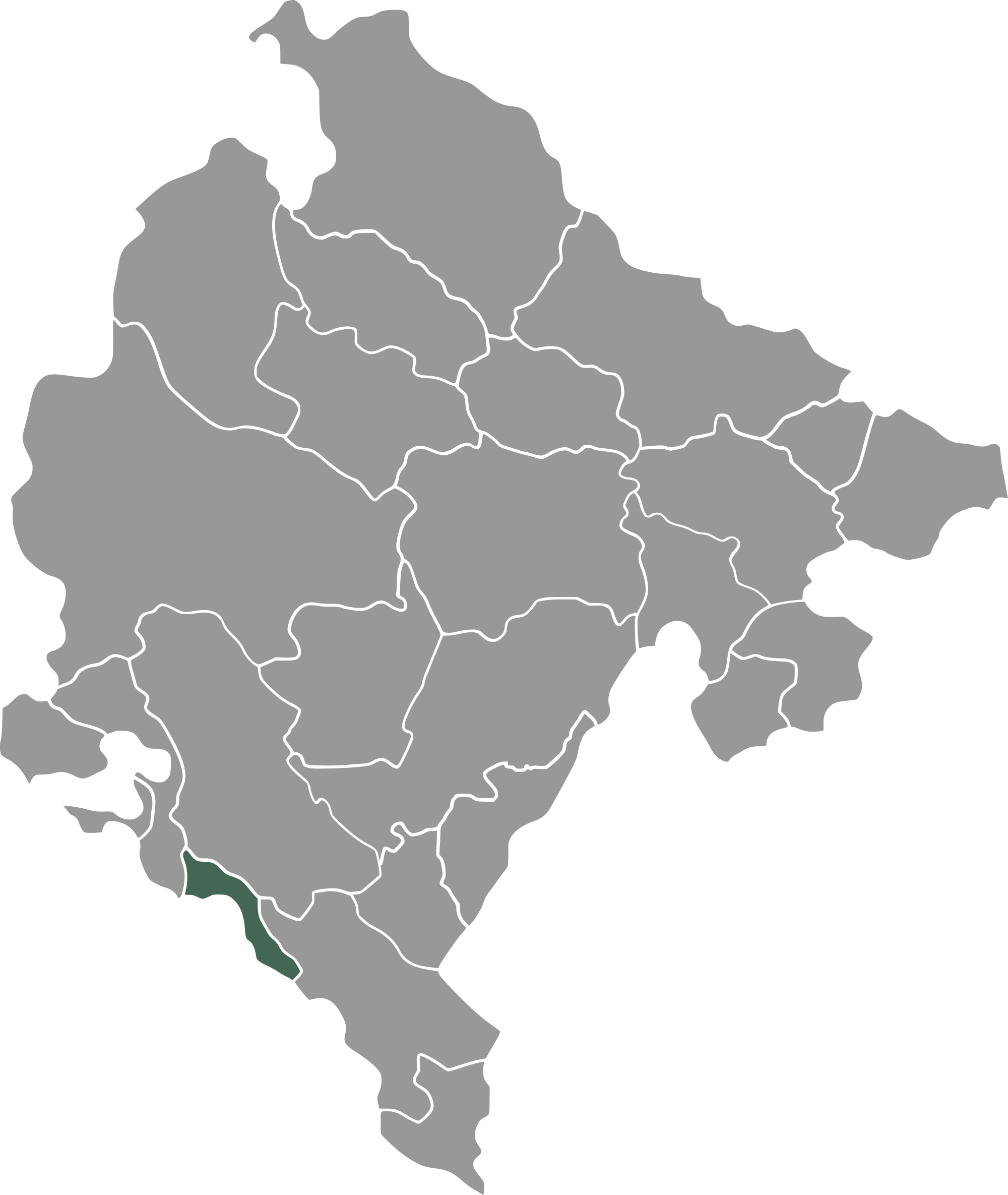
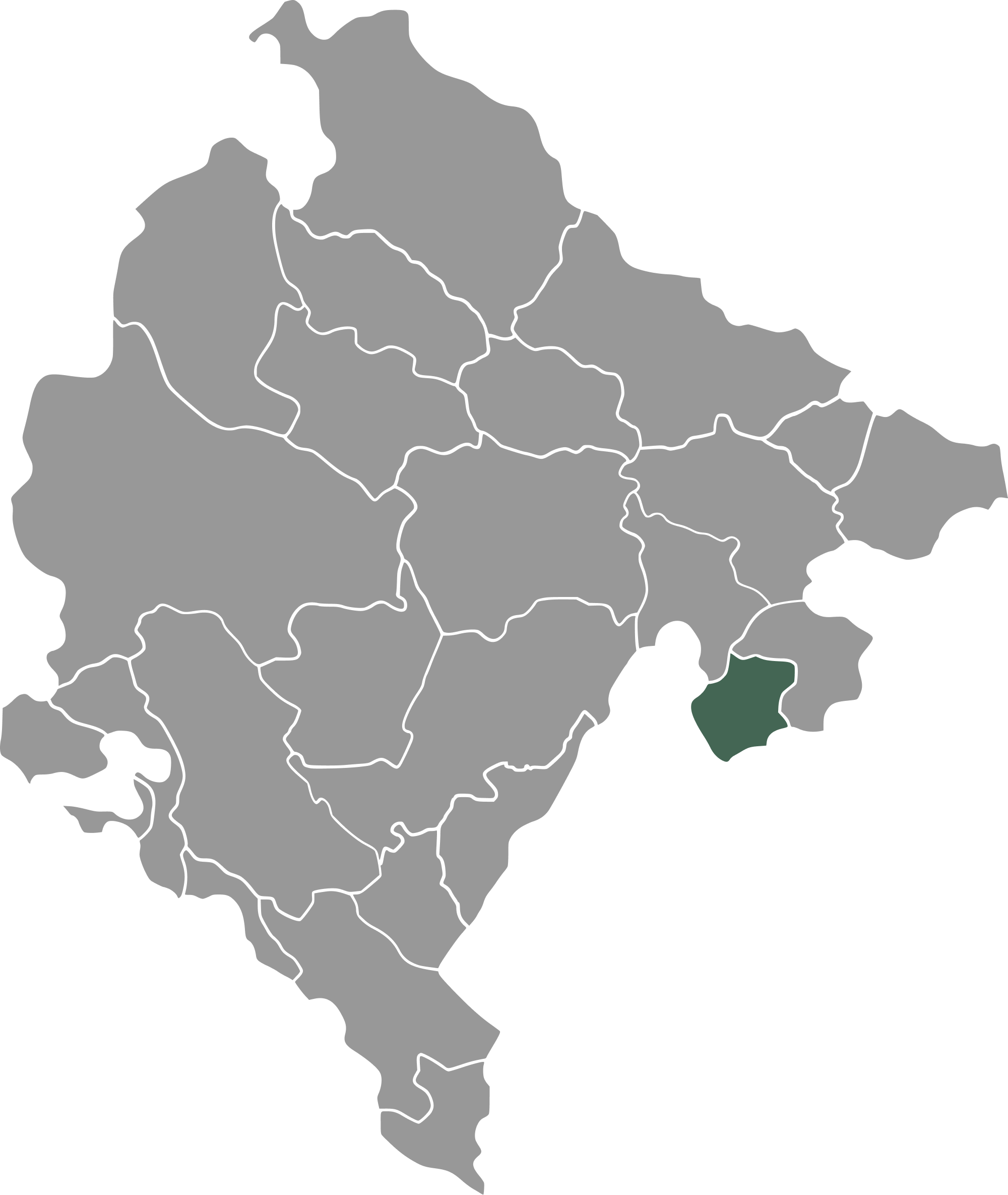
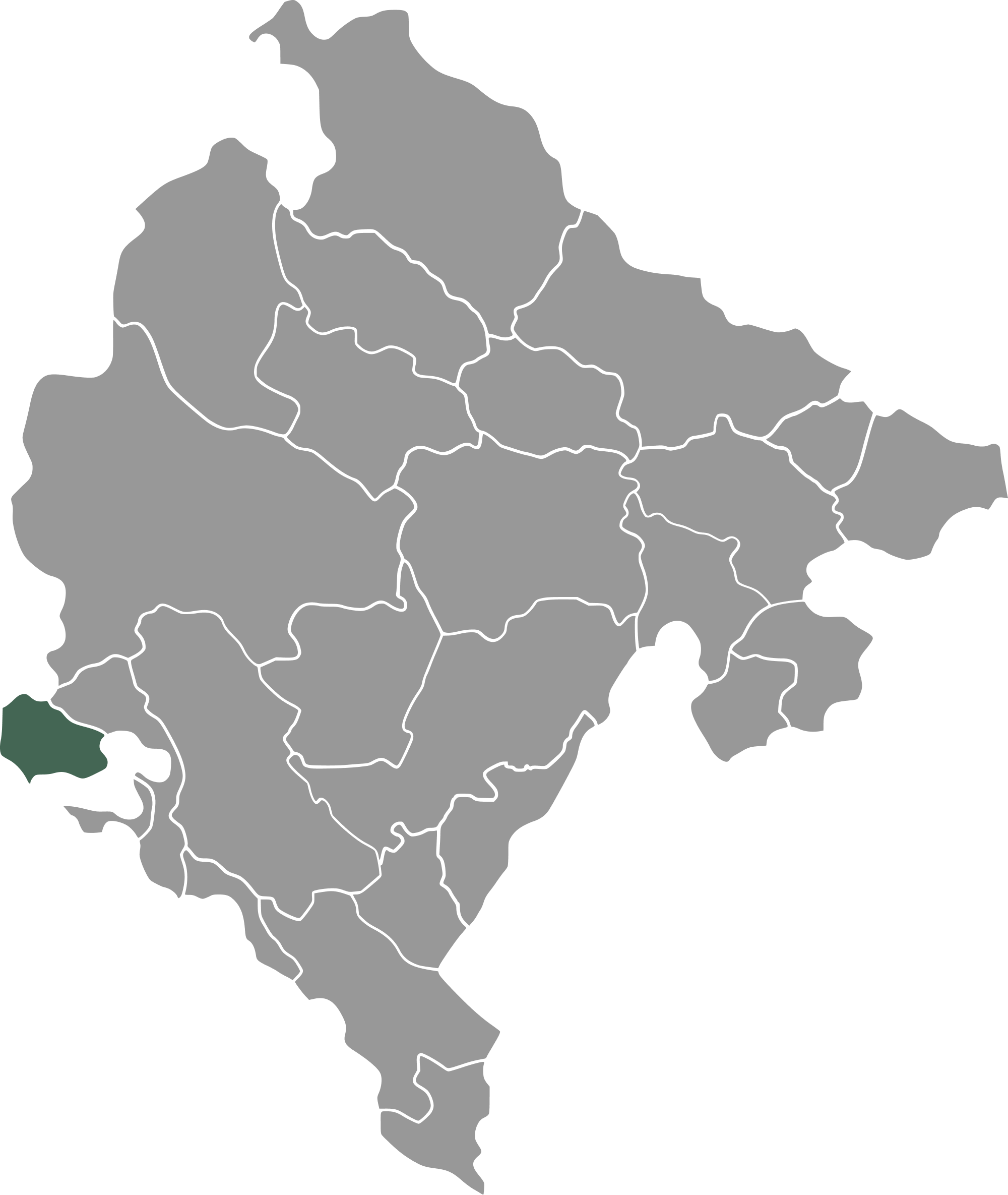
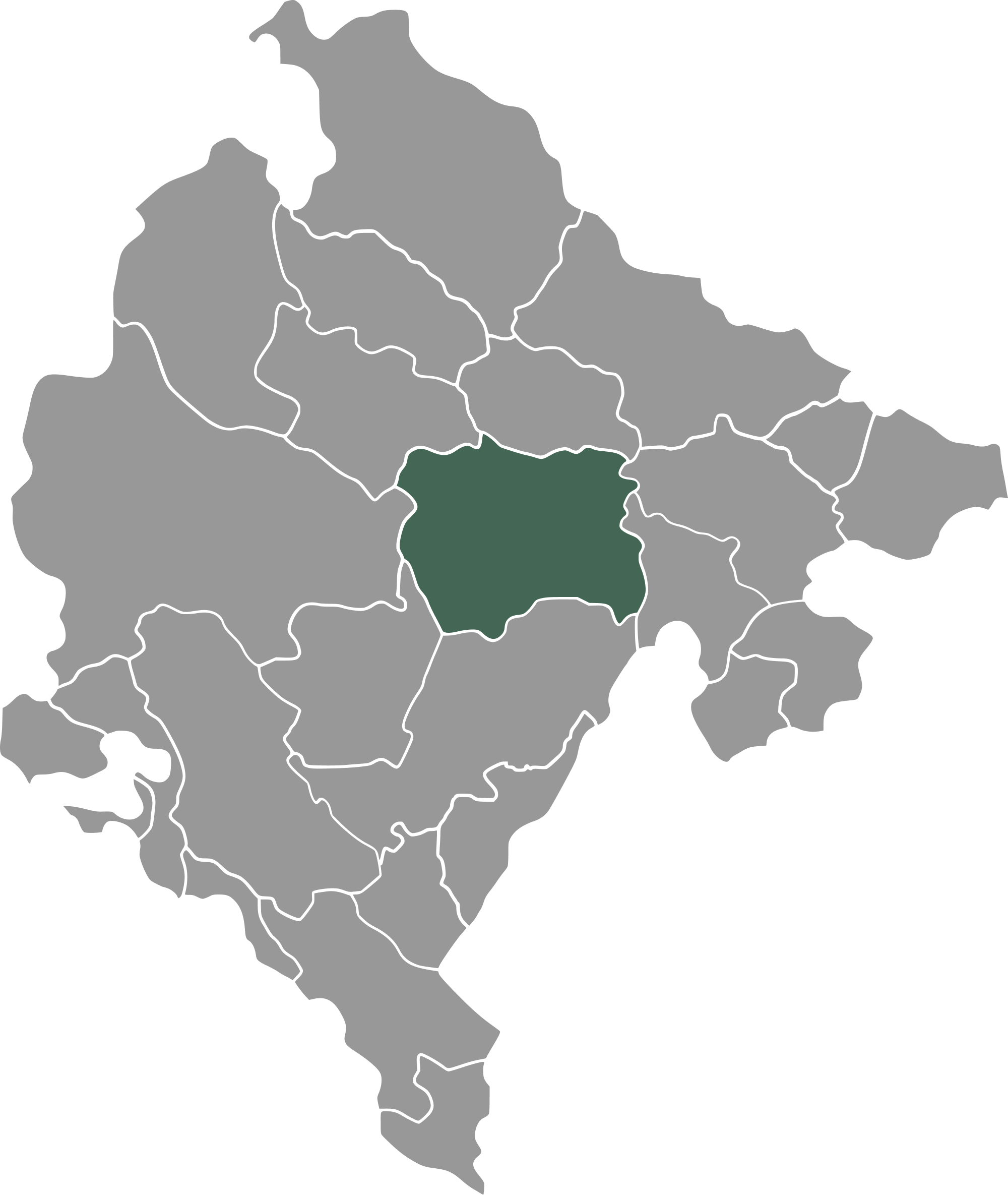
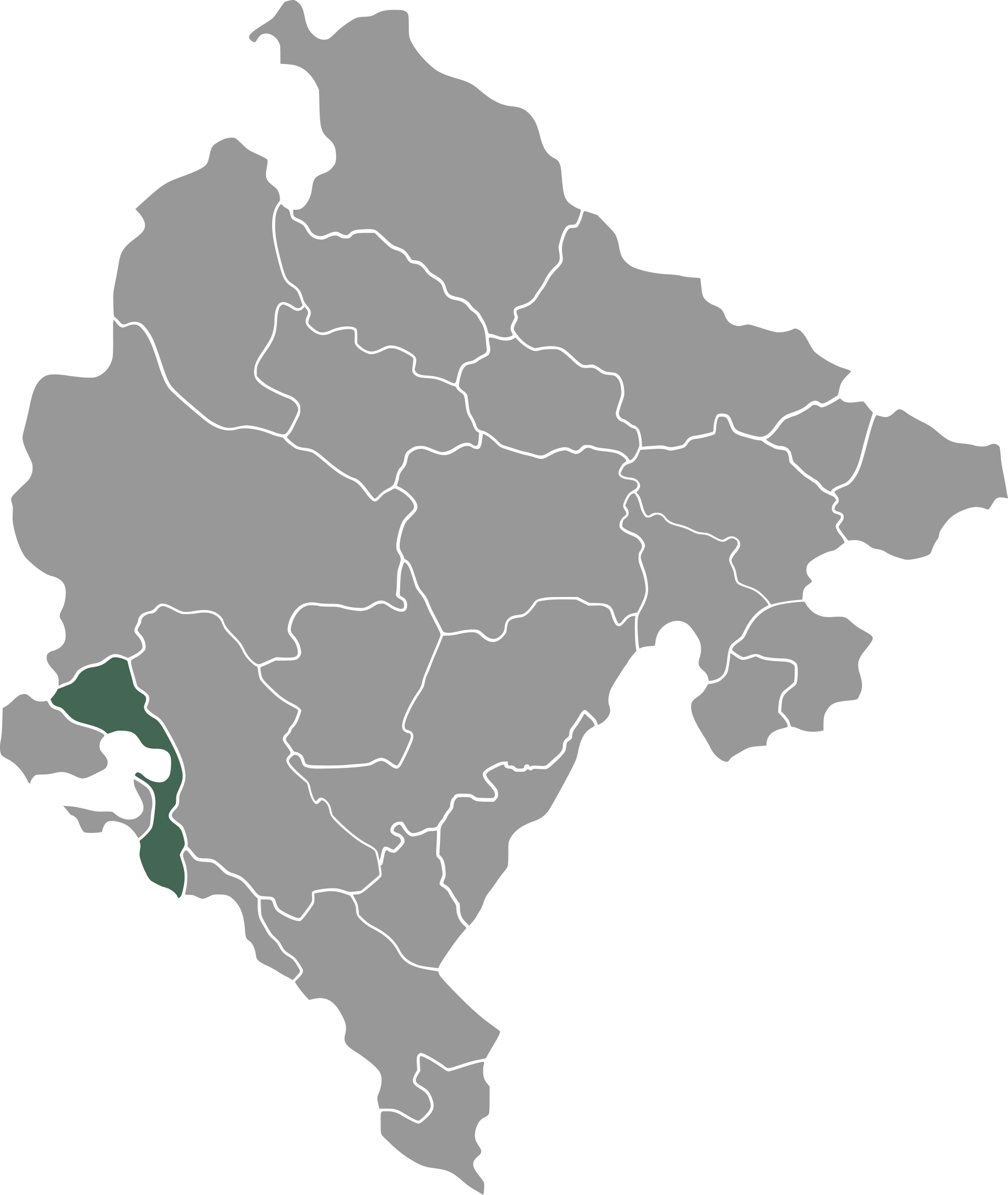
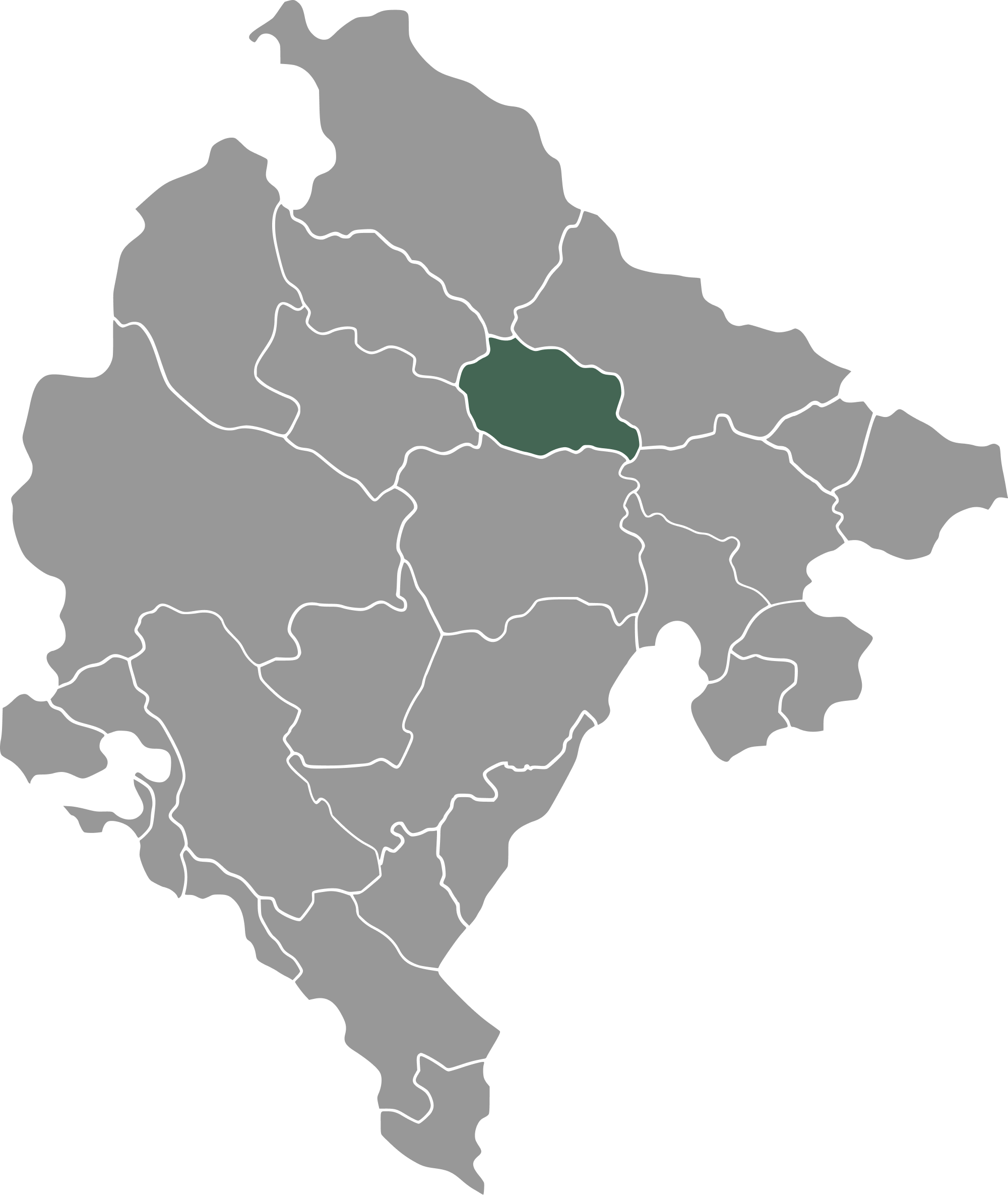
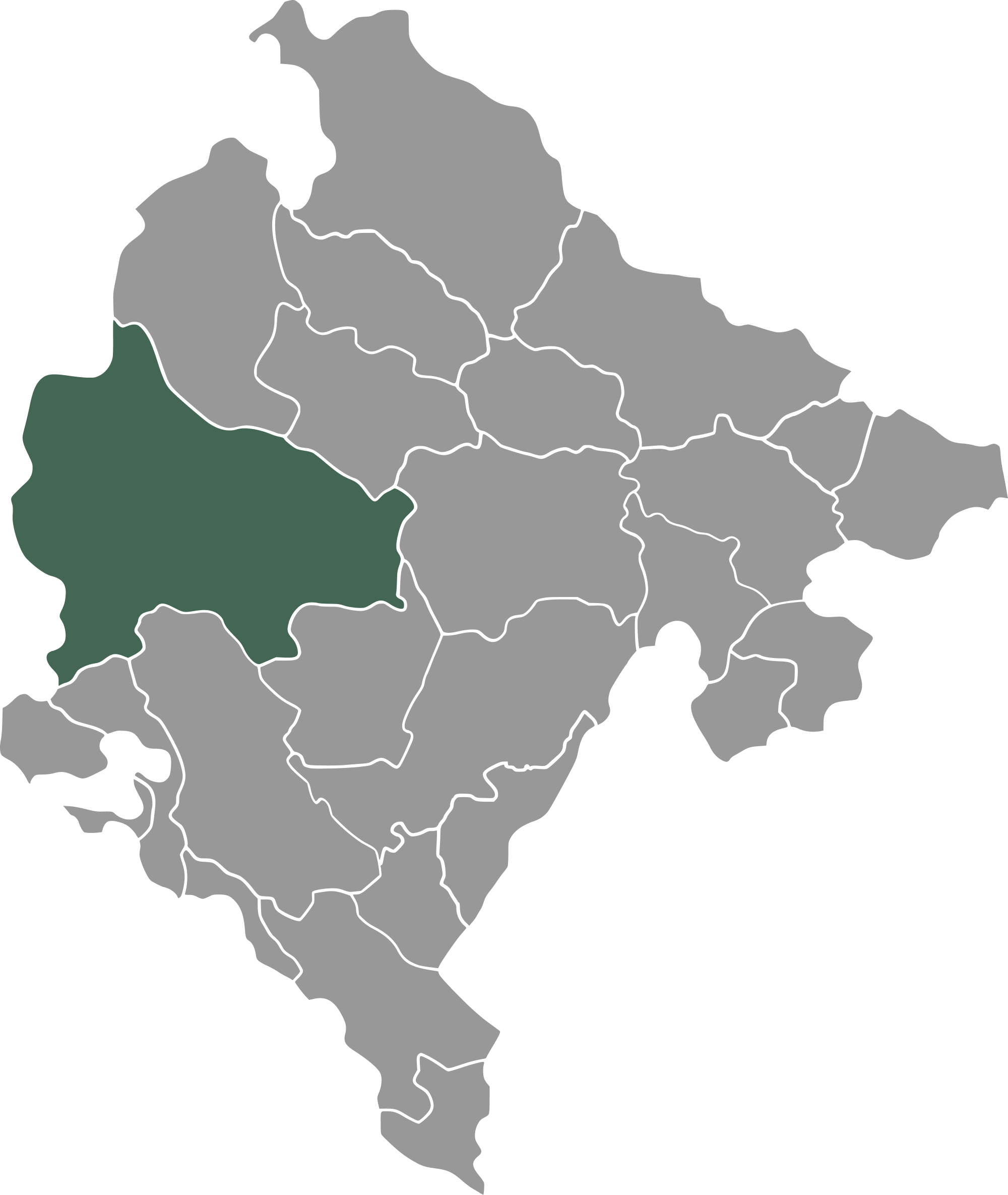
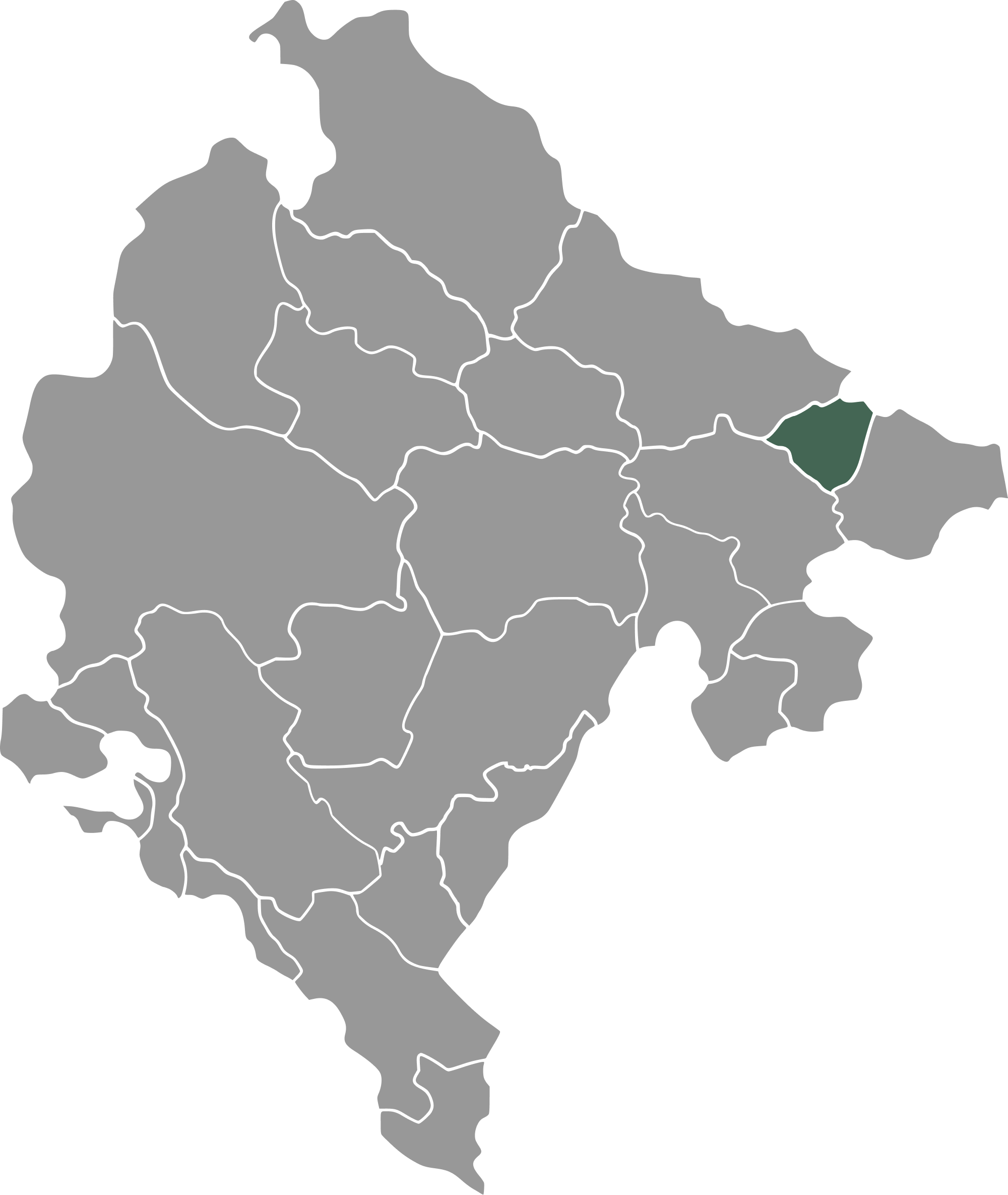
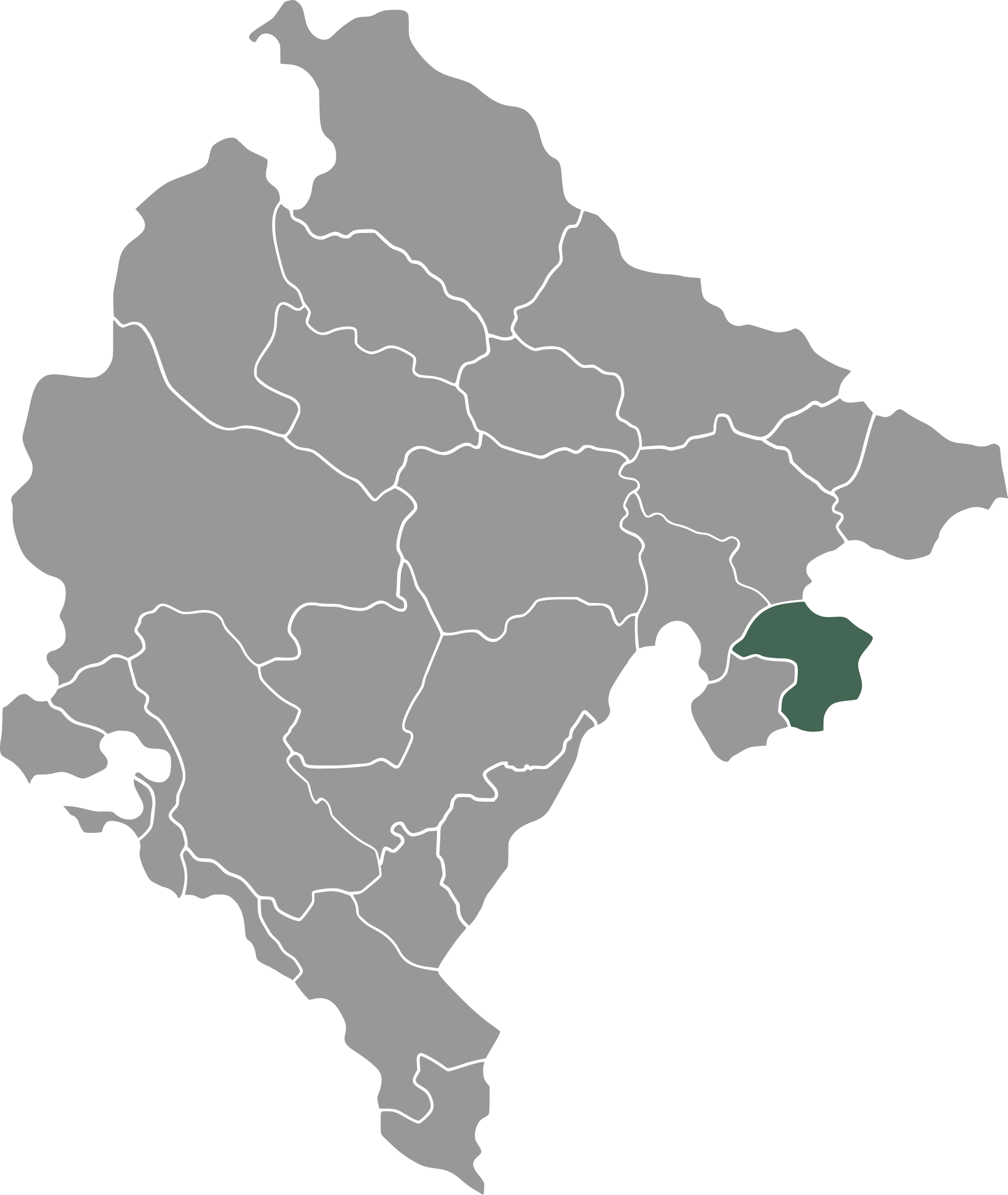
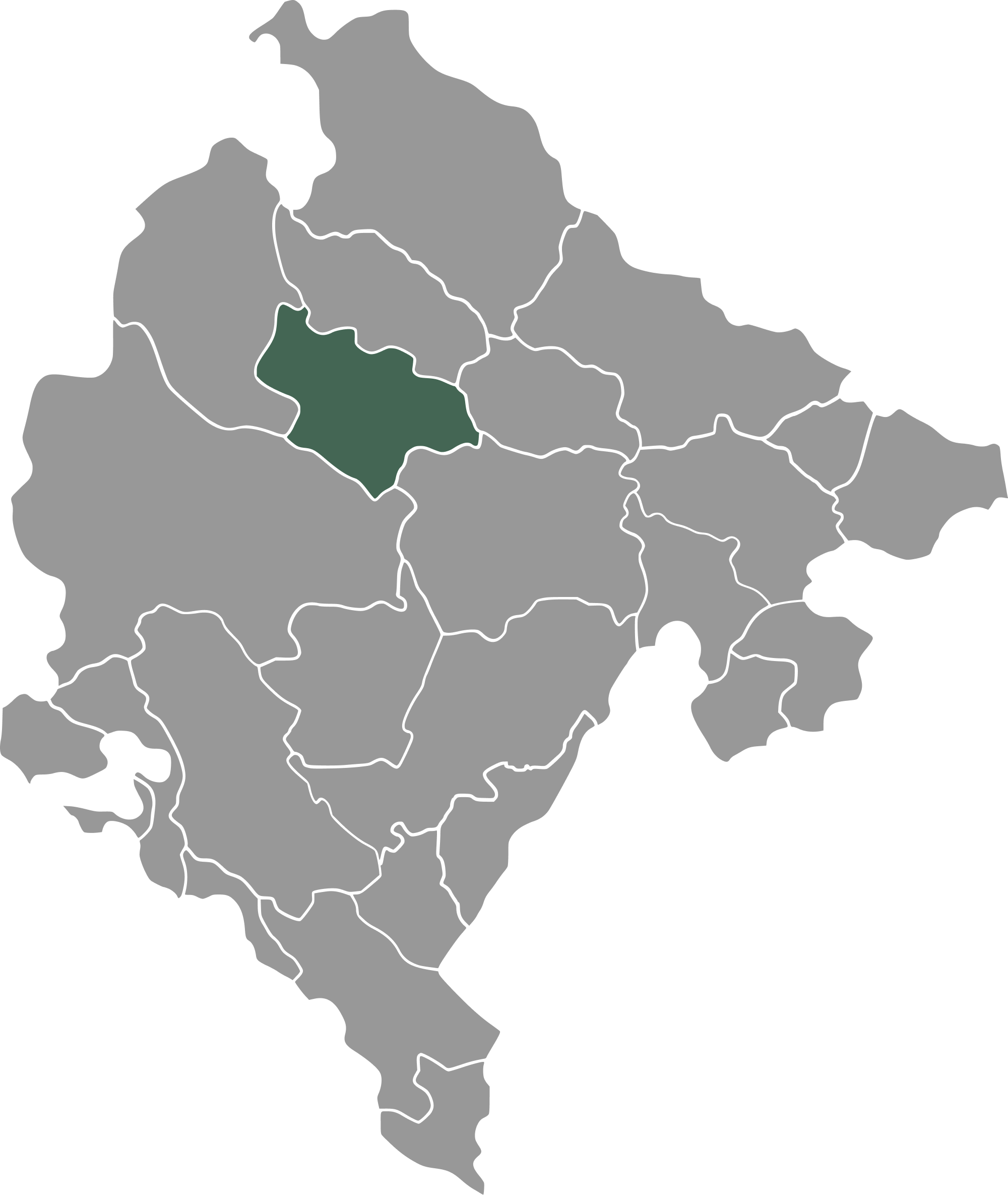
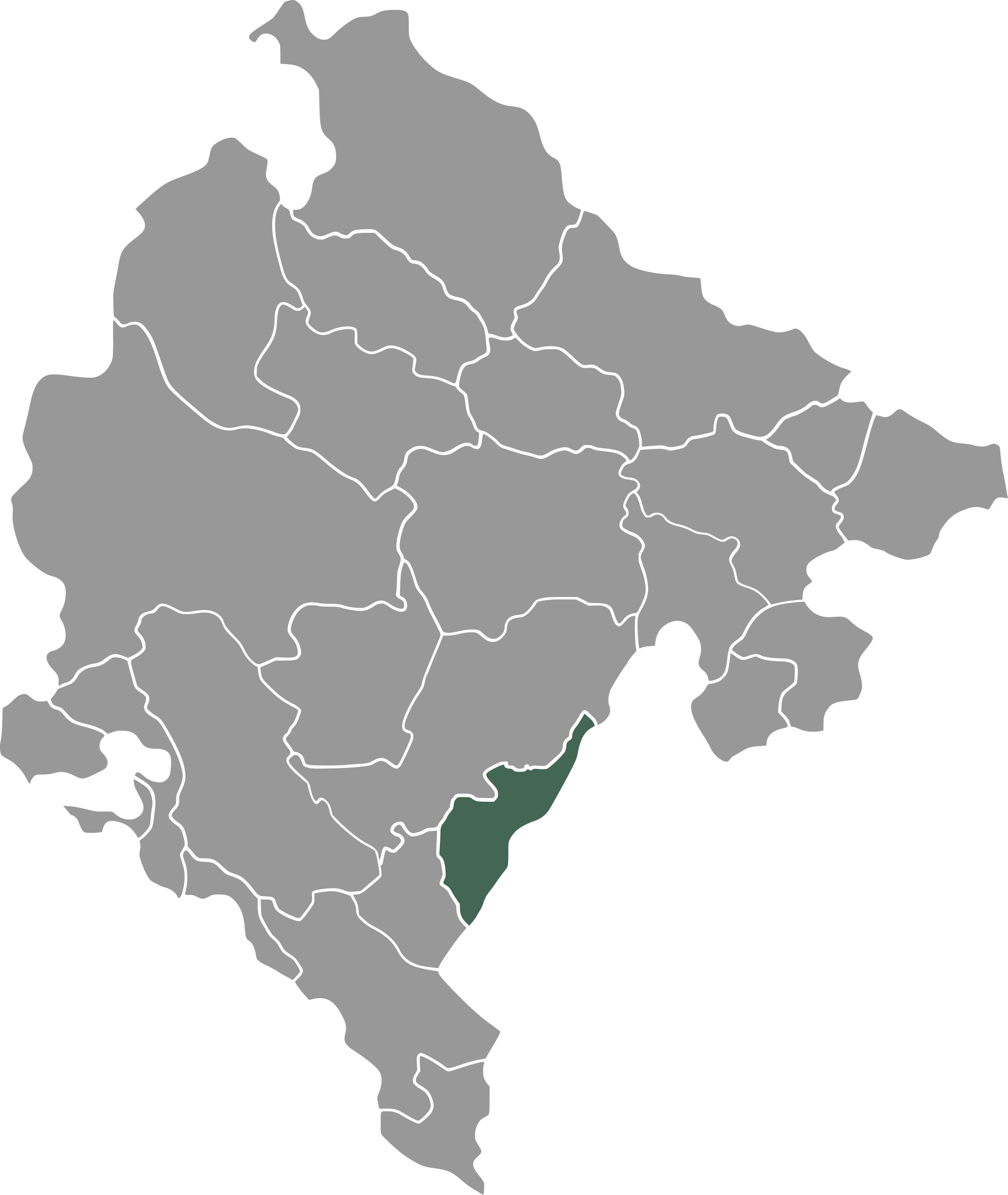
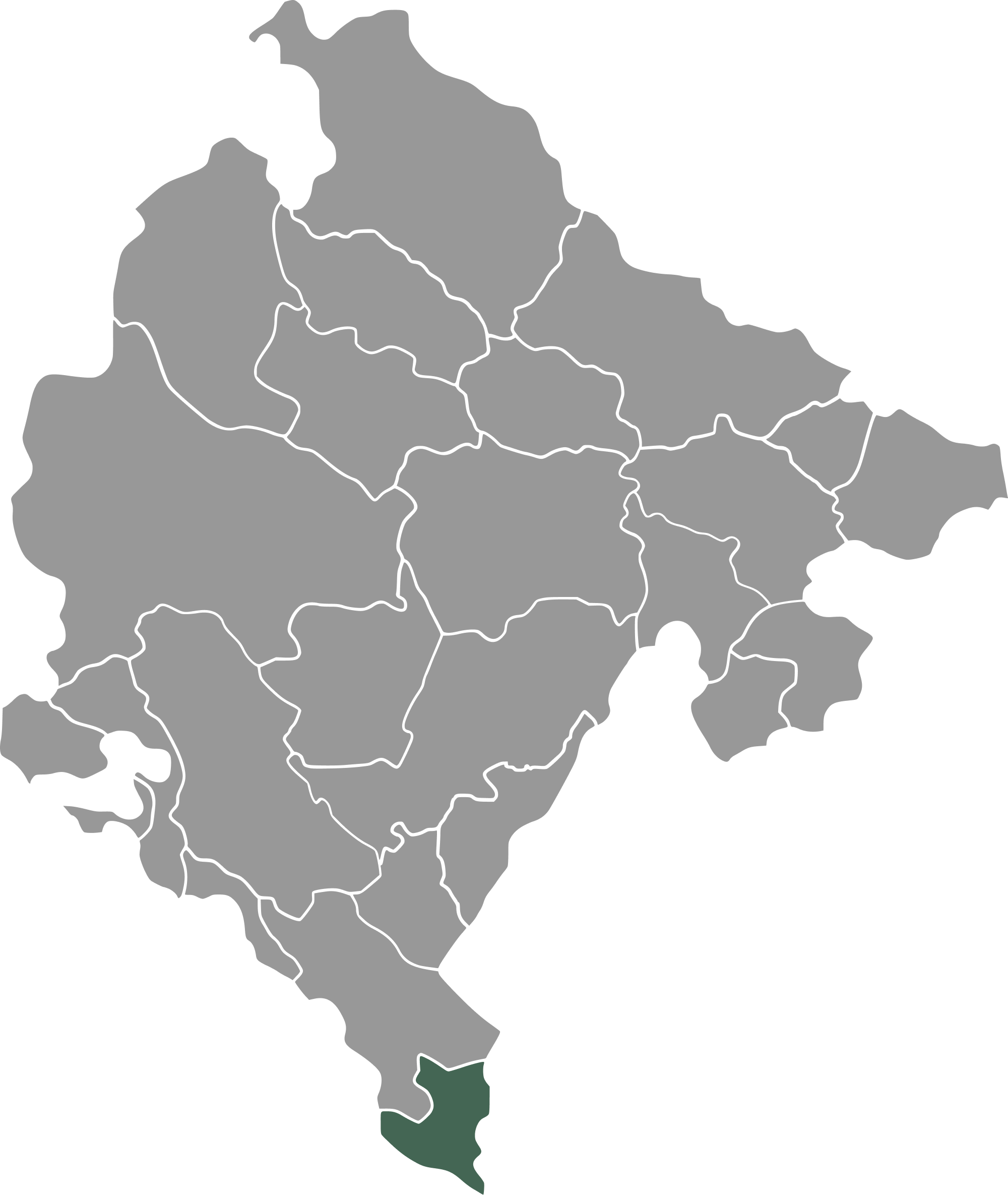
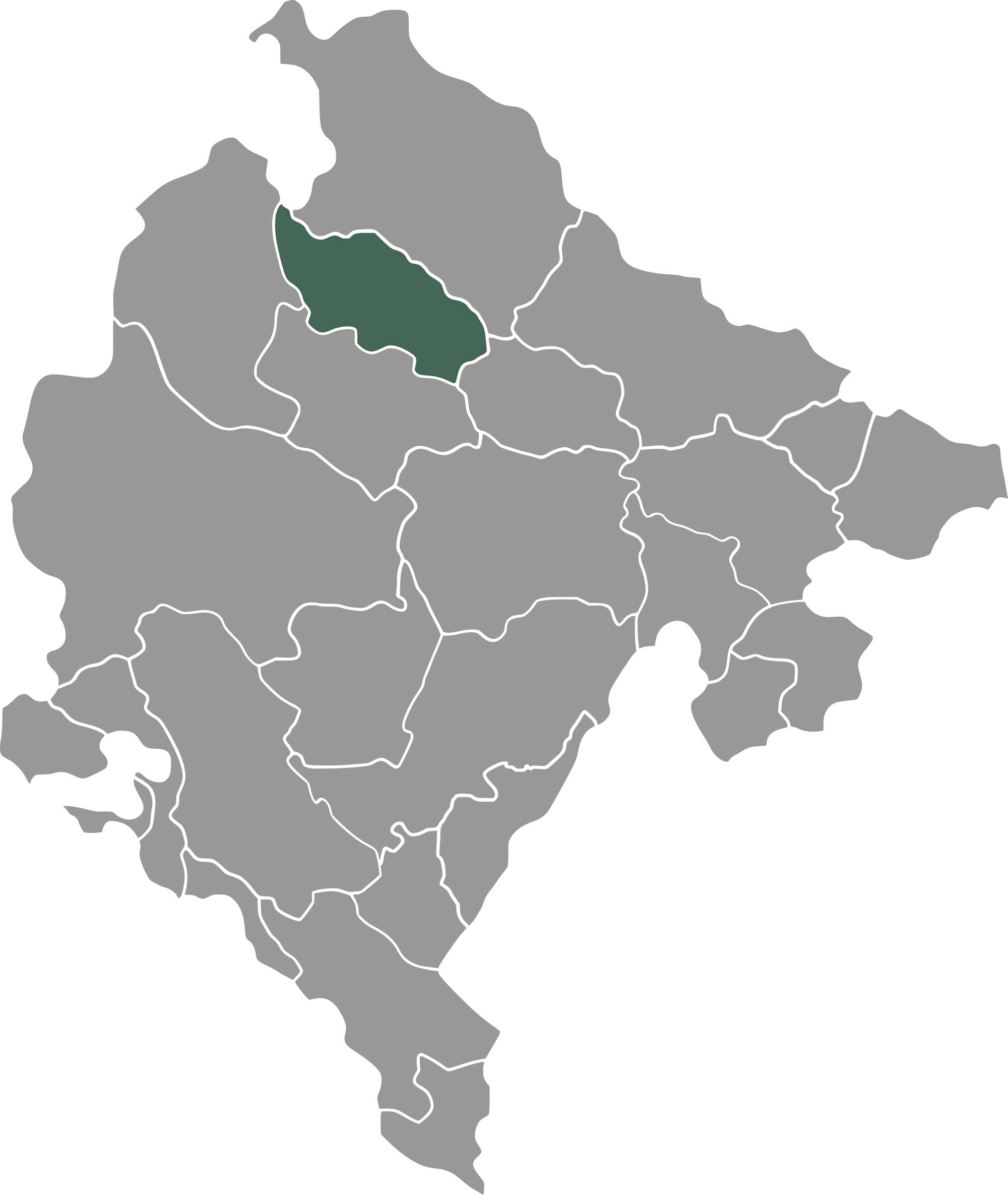
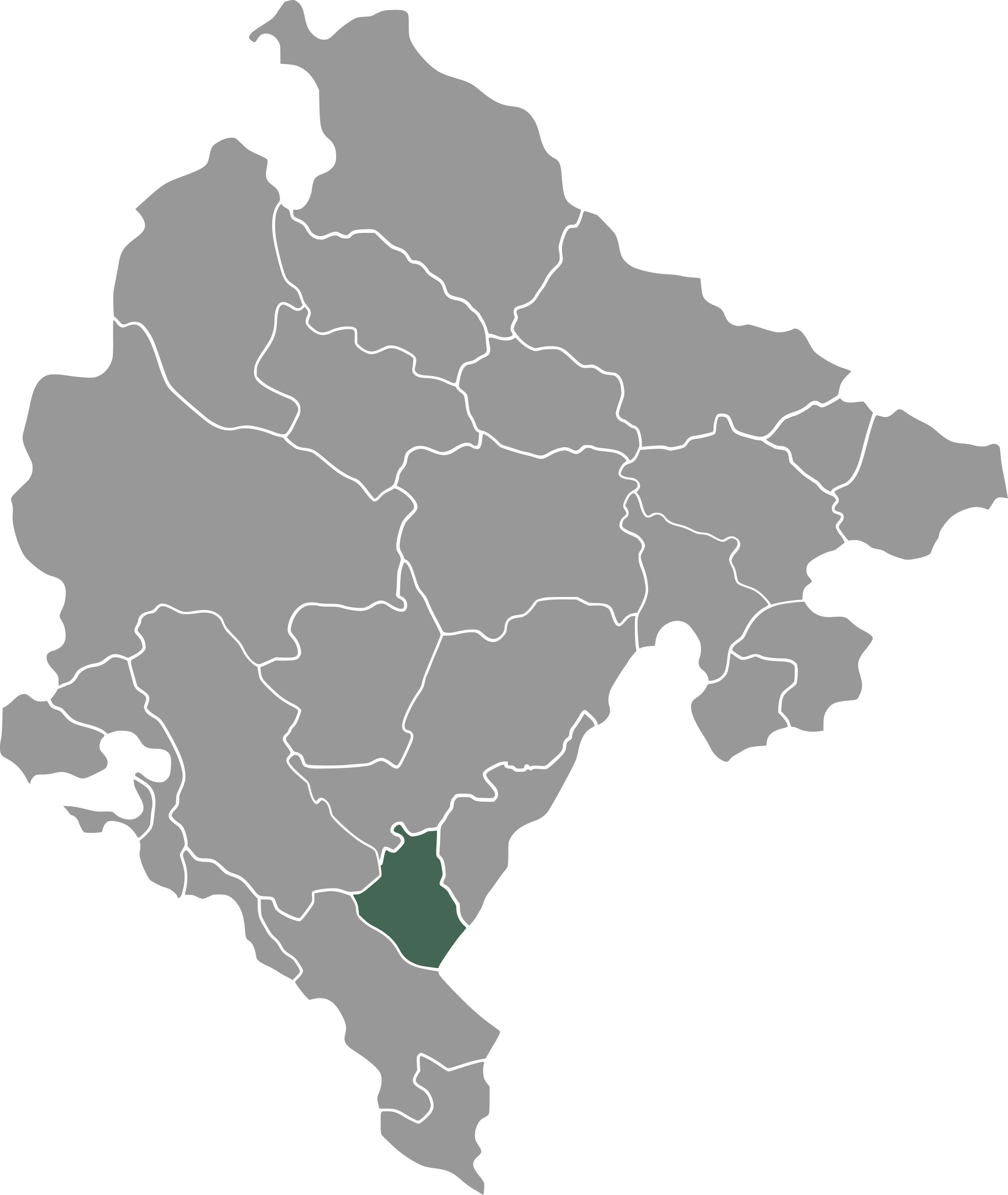
Located in the heart of the Bay of Kotor, Tivat is the youngest town in the region and one of its most dynamic. It blends Mediterranean ease and tradition with the polish of a modern luxury destination.
The municipality is the smallest in Montenegro, covering 47 square kilometers, with a population of about 16,500. The town center lies between the Grbalj plain and the western slopes of Mount Vrmac, opposite the islands of St. Marko and the Island of Flowers.
Tivat borders Herceg Novi to the west, Kotor to the north and east, and opens to the Adriatic Sea in the south.
Tivat is a cosmopolitan town home to residents of more than 50 nationalities. Montenegrins form the largest group, followed by Serbs and Croats. Since 2022, a significant number of Russians and Ukrainians have settled here.
The majority of residents are Orthodox Christians, followed by Catholics and Muslims. Religious diversity is reflected in the presence of churches, monasteries, and mosques, as well as in the peaceful coexistence of communities.
Thanks to its central location and natural assets, Tivat has rapidly developed into an upscale coastal destination. Sheltered coves, the Prevlaka peninsula, St. Marko Island, Pržno beach, and the Porto Montenegro development have placed the town firmly on the luxury tourism map.
Canadian businessman Peter Munk acquired the former naval shipyard and developed Porto Montenegro into a world class marina with 450 berths for yachts from 12 to 150 meters, luxury residences, restaurants, bars, boutiques, and extensive leisure and cultural facilities. The marina holds a Five Gold Anchor rating. Since 2016, the majority owner has been the Investment Corporation of Dubai.
Tivat also hosts the Luštica Bay project, a 1.6 billion euro investment creating a sustainable coastal town with 3,000 apartments, 300 luxury villas, seven hotels, golf courses, and a 4.9 kilometer promenade. By July 2025, over 600 million euros had been invested. More than 700 families already live there, and the project employs around 650 people, including 165 local residents.
Alongside these major investments, the town supports numerous smaller hotels, restaurants, and marinas. Traditional fishing and agriculture, including olives, vineyards, and citrus groves, remain present in the Grbalj plain and around Donja Lastva, though the service sector now dominates.
The nearby airport and developed maritime infrastructure further strengthen Tivat’s position as an international nautical hub.
Tivat enjoys a typical Mediterranean climate with mild, rainy winters and warm, sunny summers. The swimming season lasts about six months, from May to October. The bora wind blows in winter, the maestral in summer, and the warm sirocco brings heavy rainfall in autumn and winter. Annual precipitation averages around 1,755 mm, mostly rain.
The mild climate supports lush vegetation. In addition to Mediterranean plants such as olives, palms, and oranges, the town features magnolia, mimosa, camellia, agave, eucalyptus, and bougainvillea.
The Tivat Riviera includes more than ten beaches. Among the best known are Belane, the town beach by Hotel Palma; Kalardovo and Kukoljina near the airport; Kamelija in the center; Opatovo with its sandy coves; Oblatno; Plavi Horizonti near Radovići, the longest and most prominent beach; Ponta Seljanova; the beaches of Pržno; Verige; and Waikiki.
Mount Vrmac rises behind the town to 710 meters, while vineyards and olive groves spread across the Grbalj plain.
Tivat lies on the Adriatic Highway, which links Montenegro’s coastal towns. Via Budva or the Sozina Tunnel, Podgorica and the north of the country are easily reached.
The Kamenari Lepetani ferry shortens the route to Herceg Novi across the Verige Strait, and a bridge is planned for the future.
Tivat Airport, just three kilometers from the center, is one of Montenegro’s two international airports. Due to its proximity to the town, it does not operate at night. Around 80 percent of traffic occurs during the summer season, with 1.37 million passengers recorded in 2019.
Porto Montenegro Marina and other docks provide extensive berthing facilities, while the ports of Kotor and Herceg Novi are close at hand.
Although the youngest town in the Bay, Tivat has a rich history. In the Middle Ages, the area was under Venetian rule. The Buća family residence now serves as a museum. The Renaissance Buća Palace, located in the town center, frequently hosts cultural events.
On the Island of Flowers stand the remains of the Monastery of St. Michael and the graves of the metropolitans of Zeta. Gornja Lastva, an authentic village 300 meters above sea level, preserves traditional architecture and offers panoramic views of the bay.
Tivat also takes pride in its botanical garden, enriched by exotic plants brought home by local seafarers.
Annual events include the Bokelj Olympics, a traditional bocce competition, and Summer Fest, featuring concerts and theater performances. Marathons, regattas, and sporting events fill the summer calendar.
Tivat is home to FK Arsenal Tivat, competing in Montenegro’s national football league, and RFC Arsenal Tivat rugby club. The Teodo basketball club competes domestically and regionally. Water polo and sailing are especially popular, and the marina offers sailing schools and skipper training.
The town park and seaside promenades are ideal for running and cycling, while surrounding olive groves and hills provide hiking trails.
In a single day, you can stroll along the waterfront with coffee in hand, explore nearby islands and hidden beaches, and spend the evening in marina restaurants or at open air concerts. Porto Montenegro offers the glamour of a premier yachting center, while Luštica Bay represents the vision of a modern Mediterranean town in the making.
With its mild climate, rich flora, cultural diversity, and excellent connections, Tivat is an ideal destination for holidays, nautical pursuits, or permanent residence.
View listings in Tivat