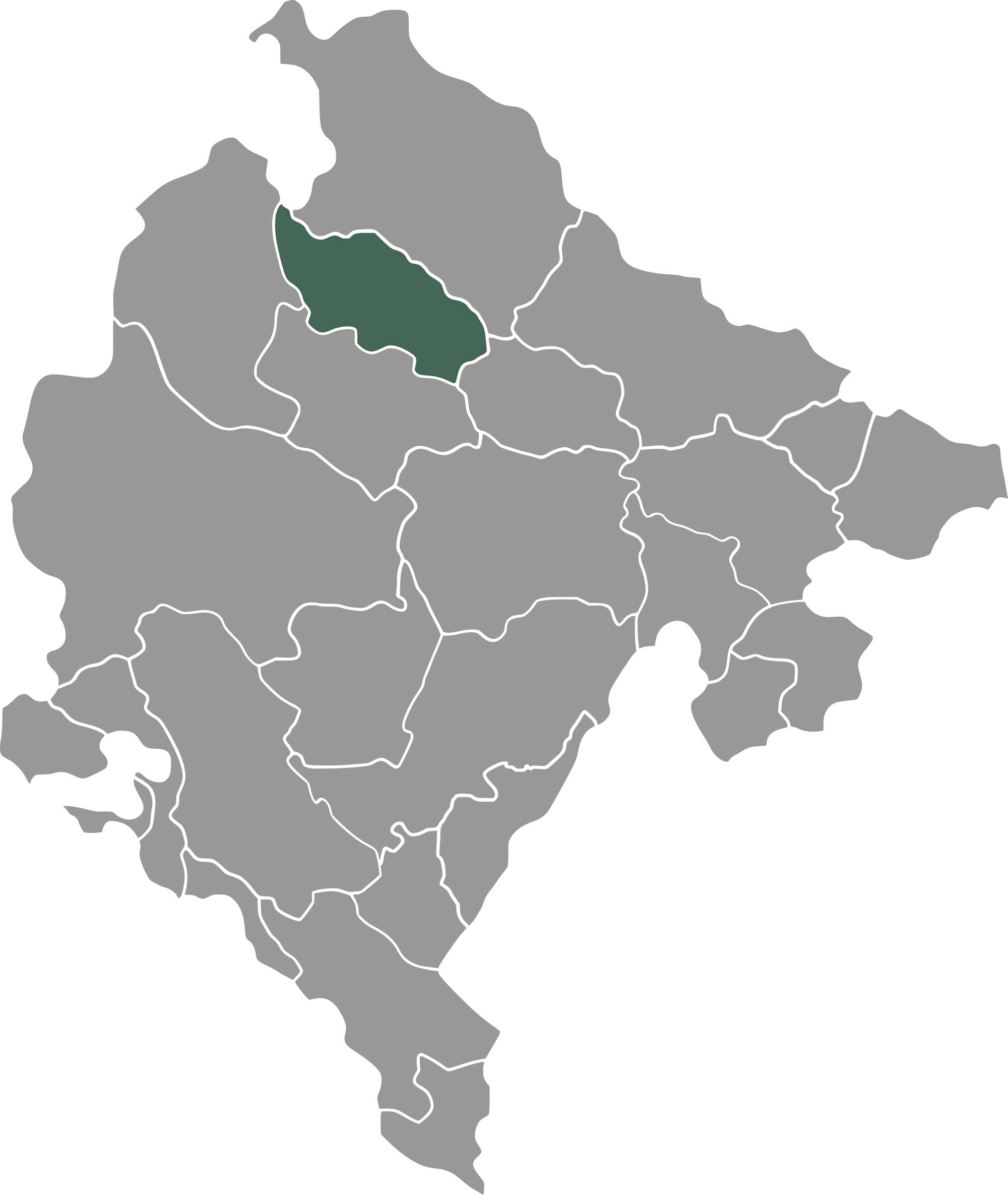
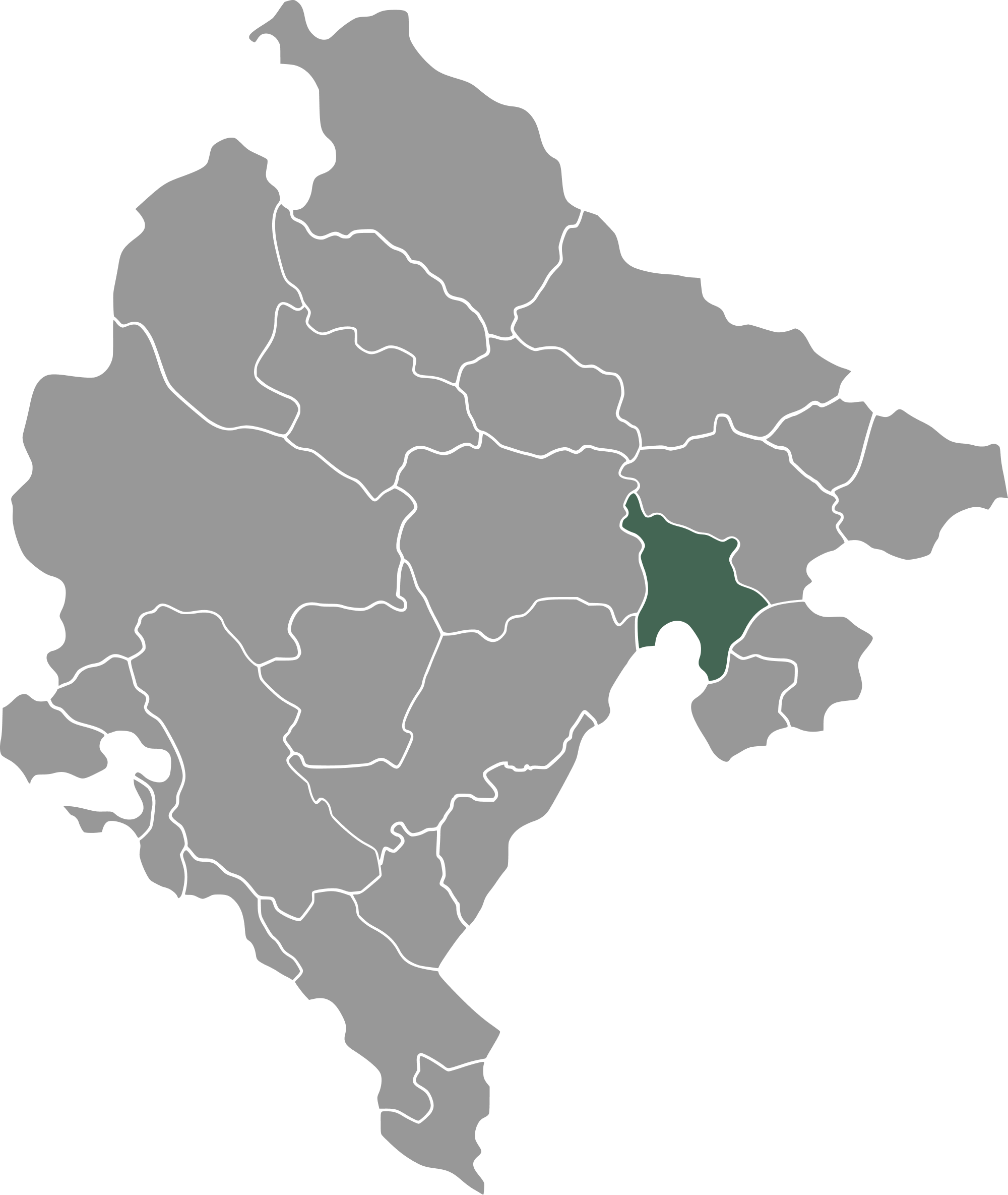
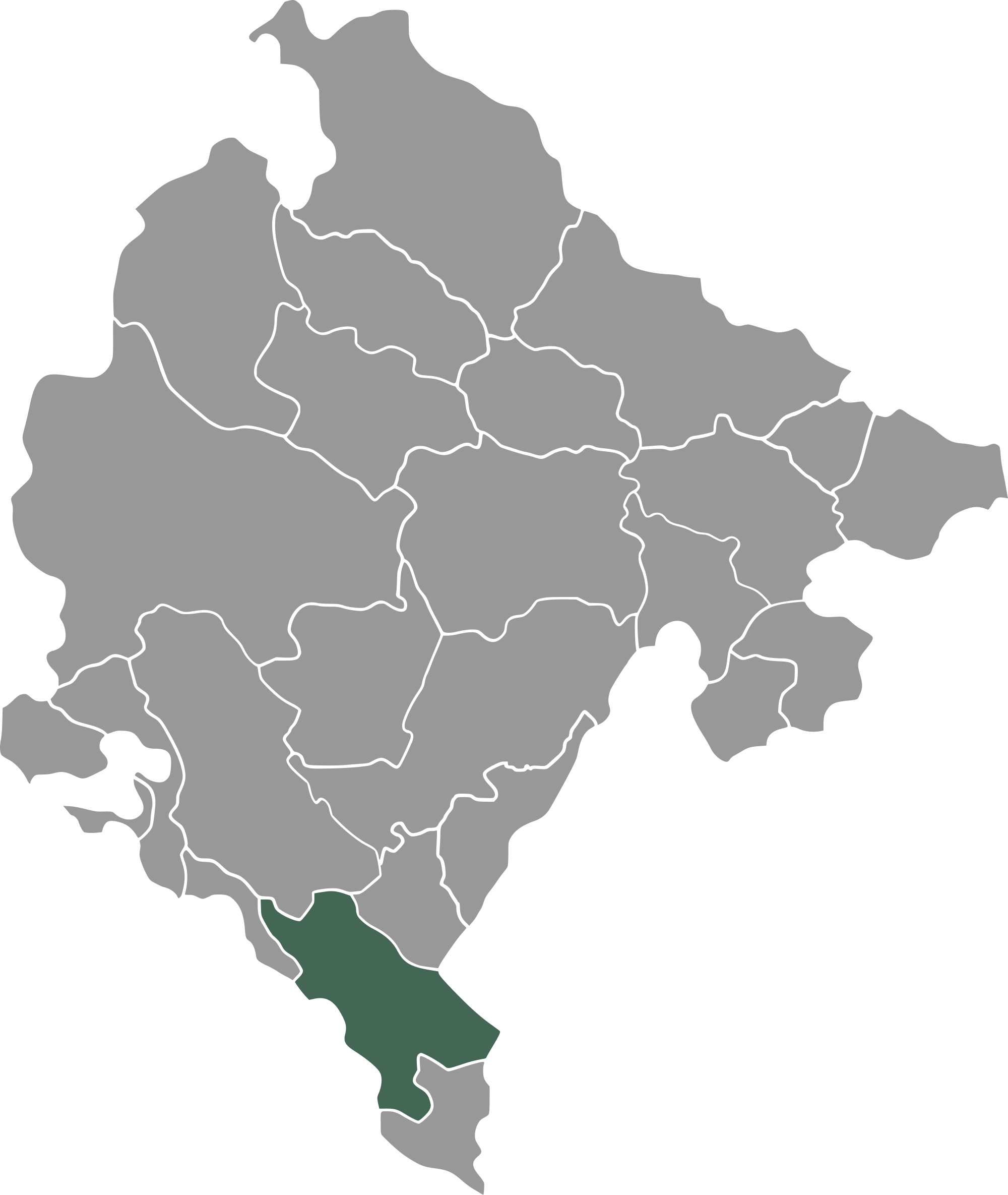
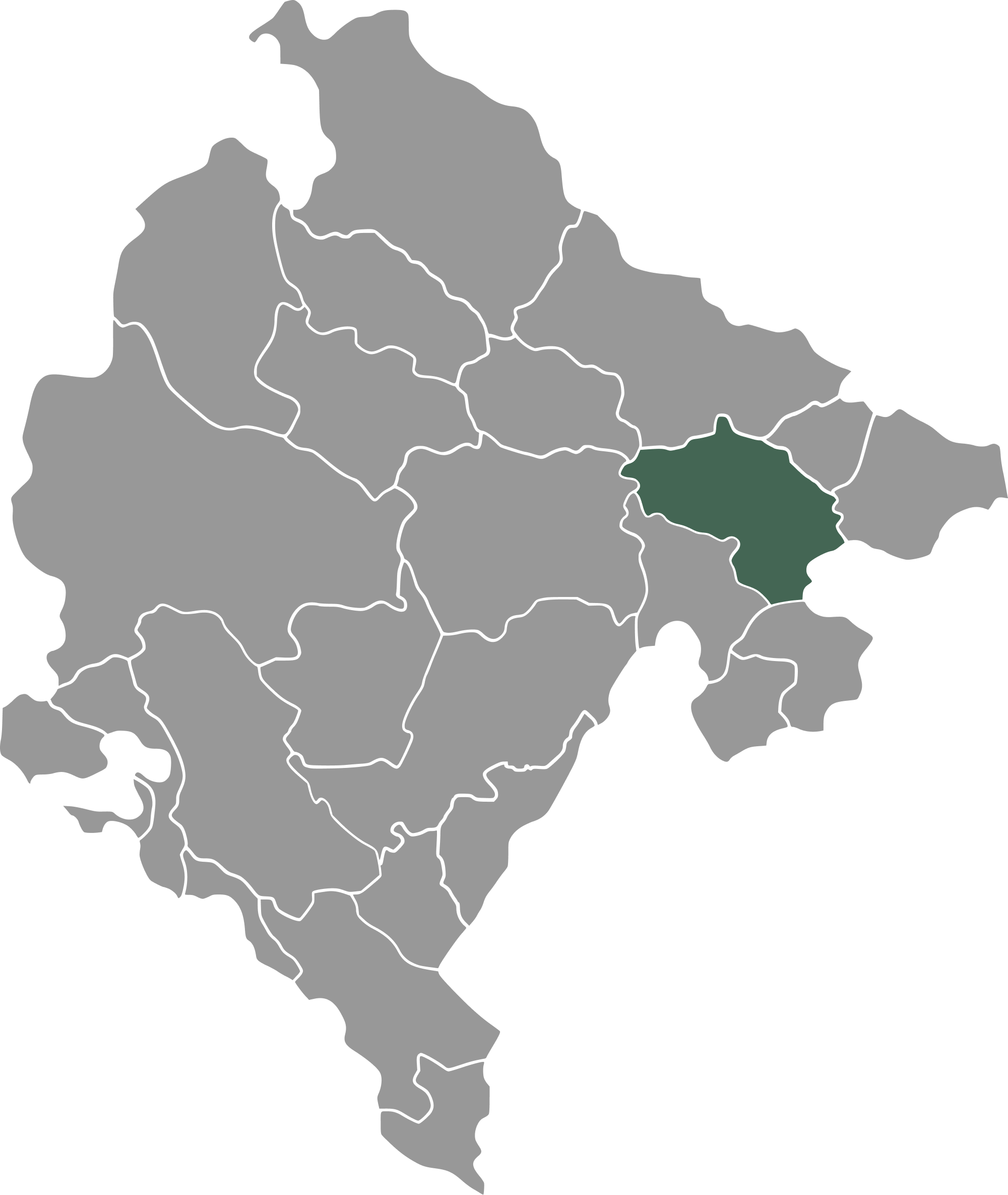
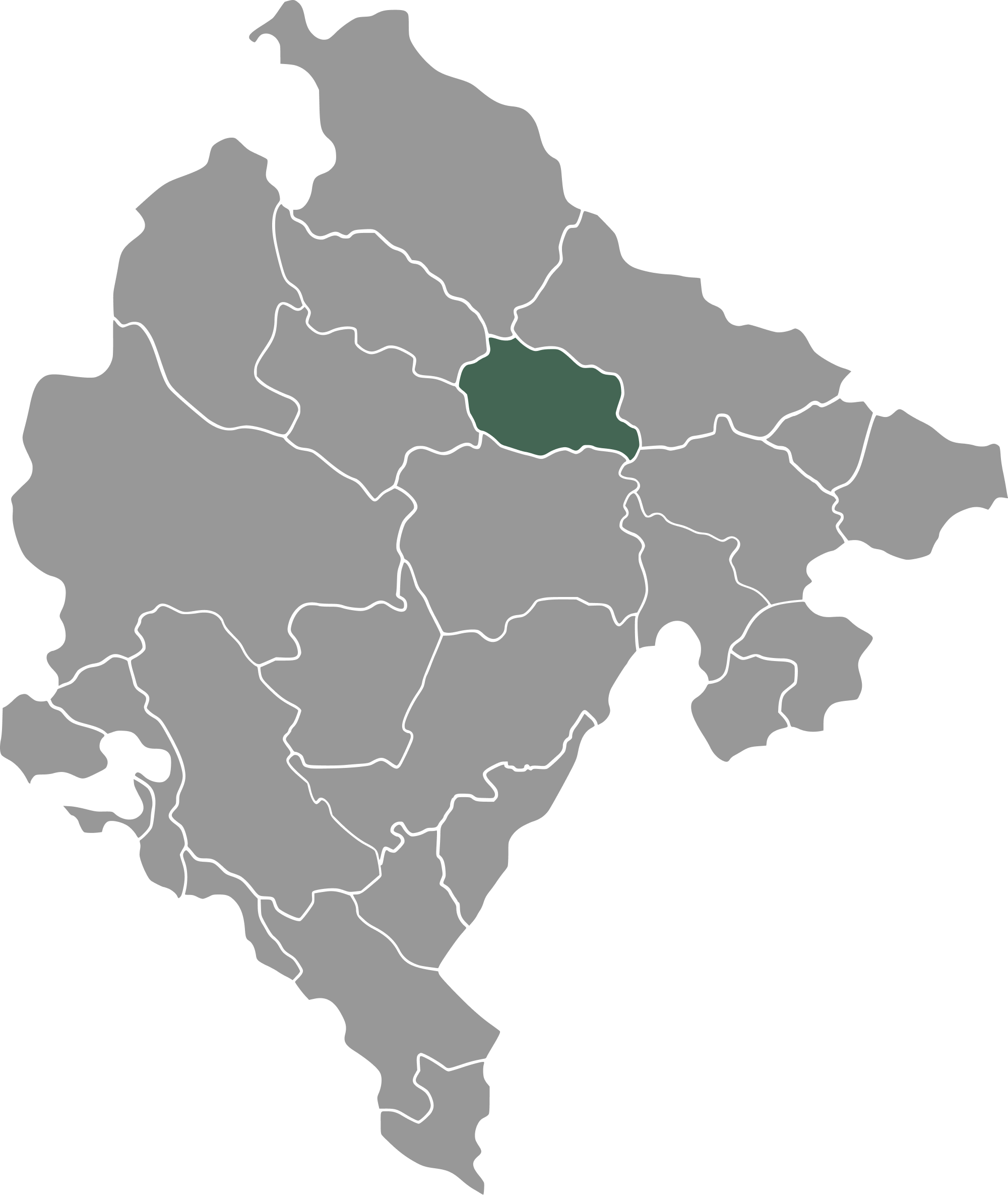
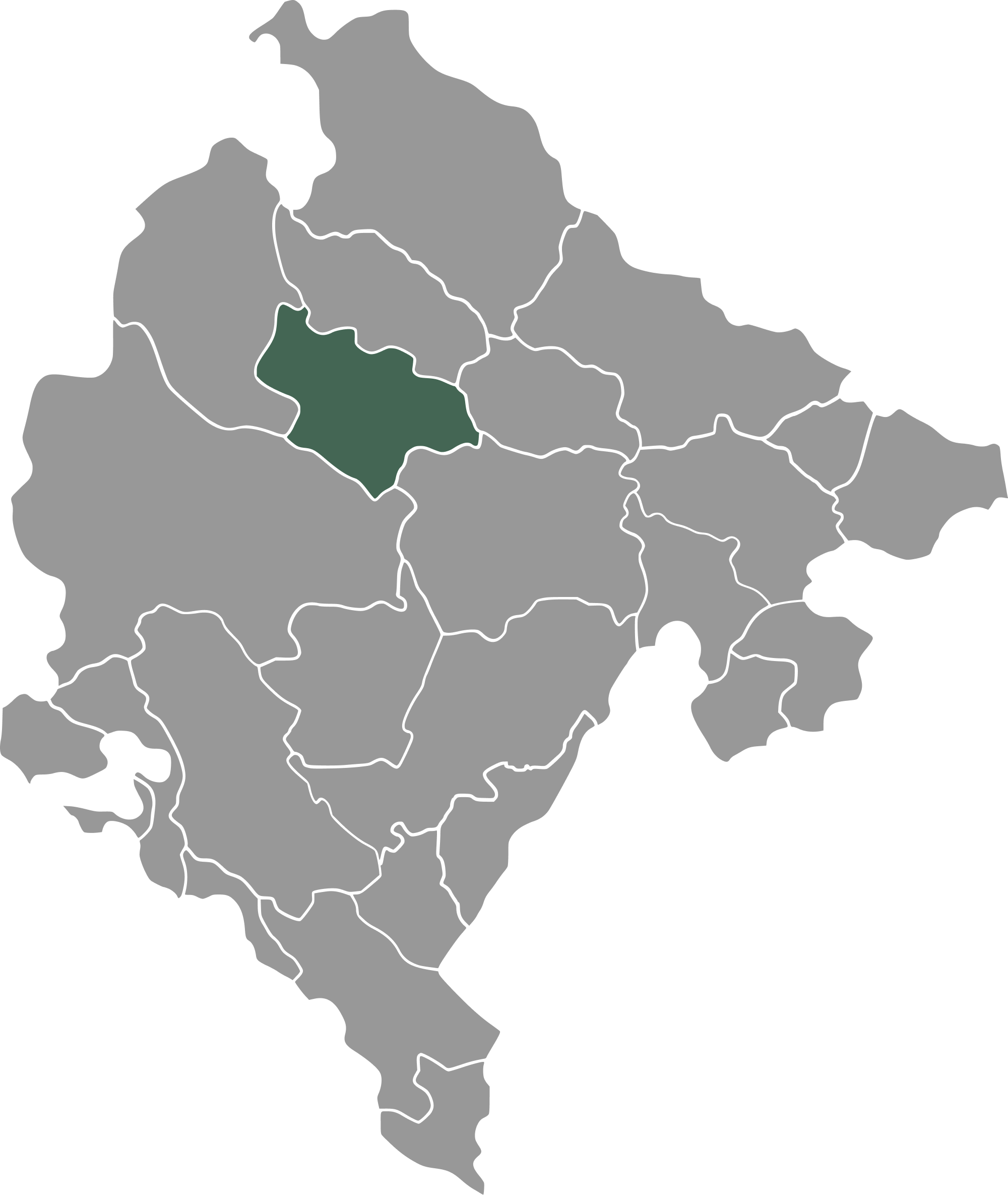
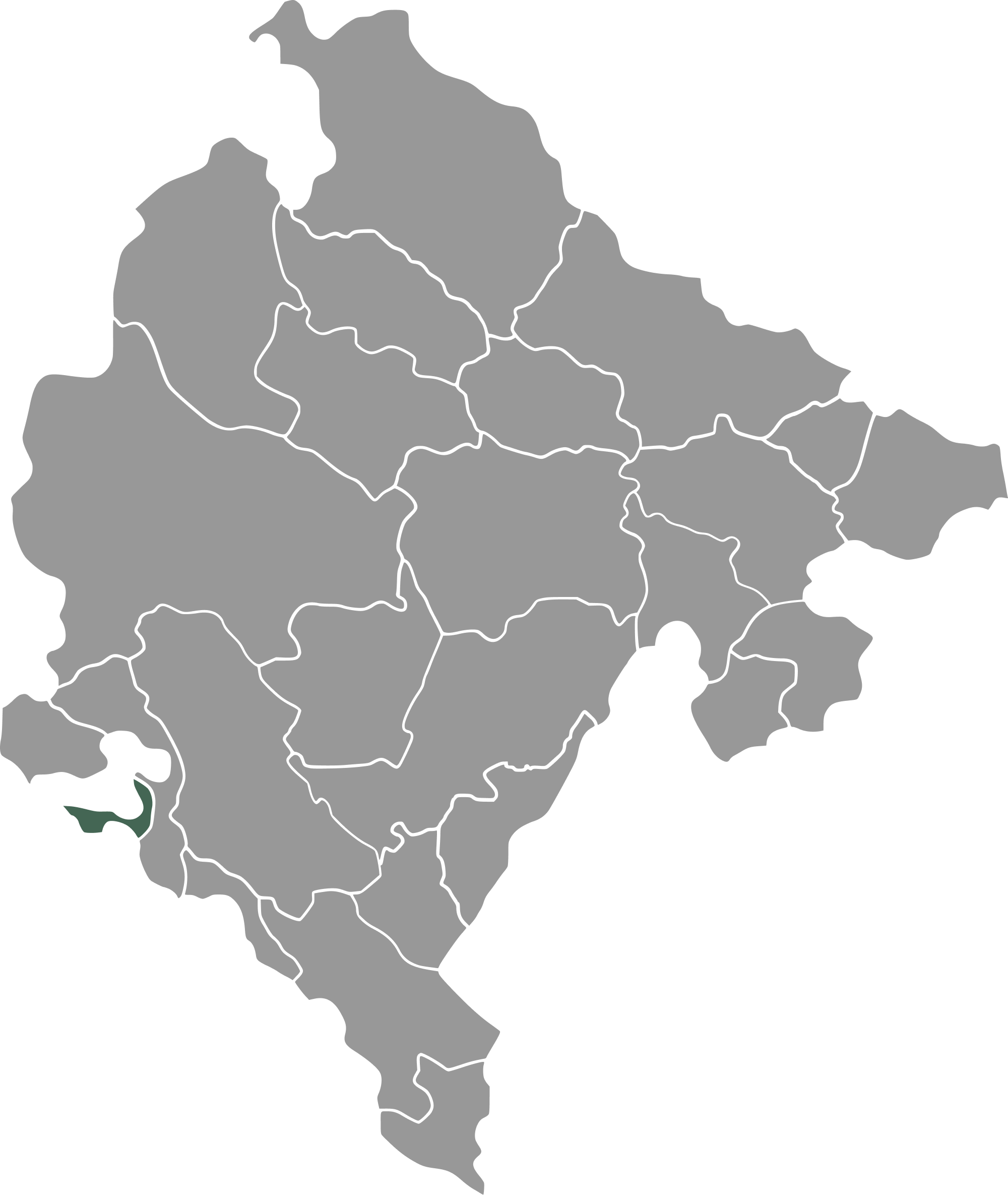
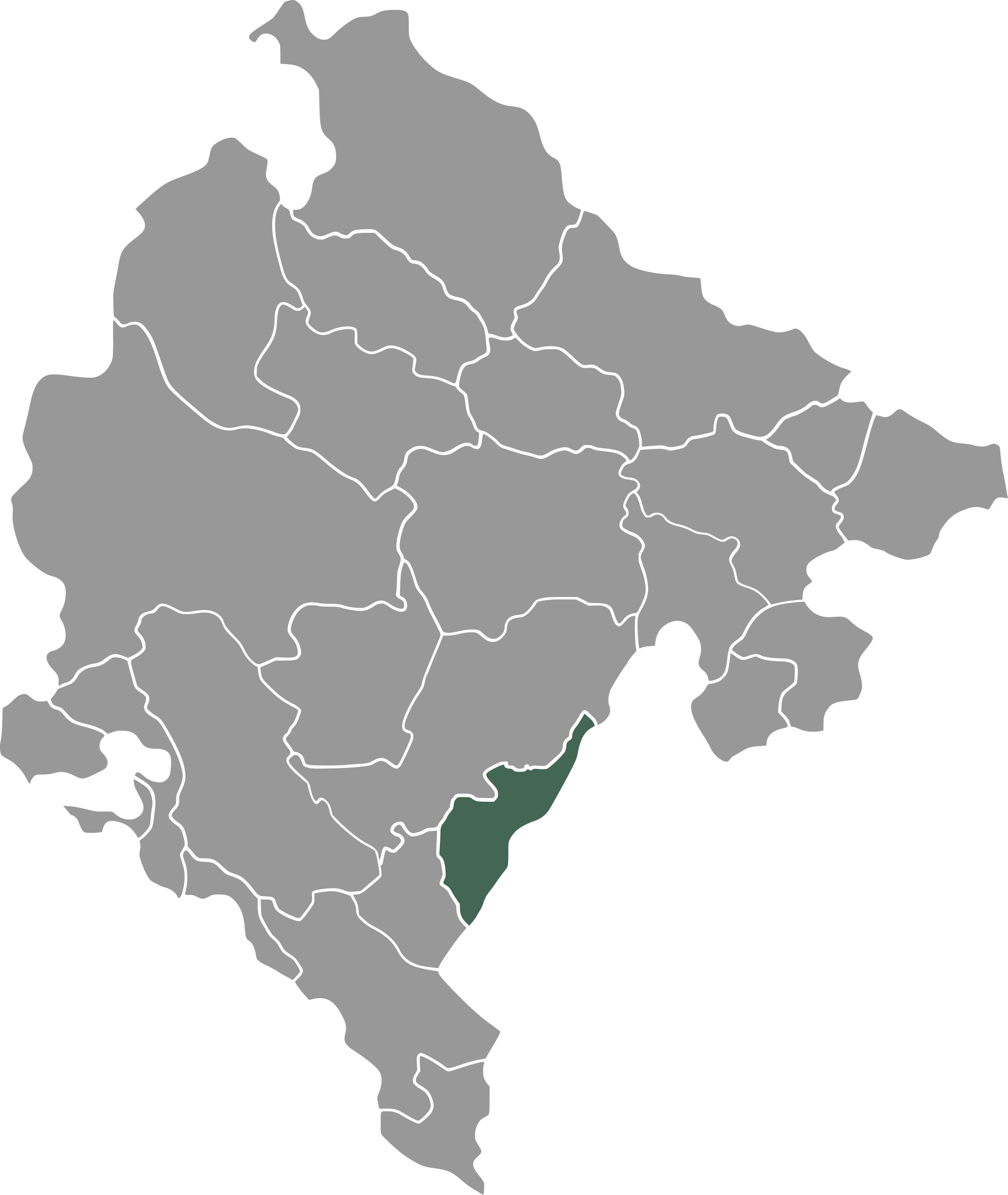
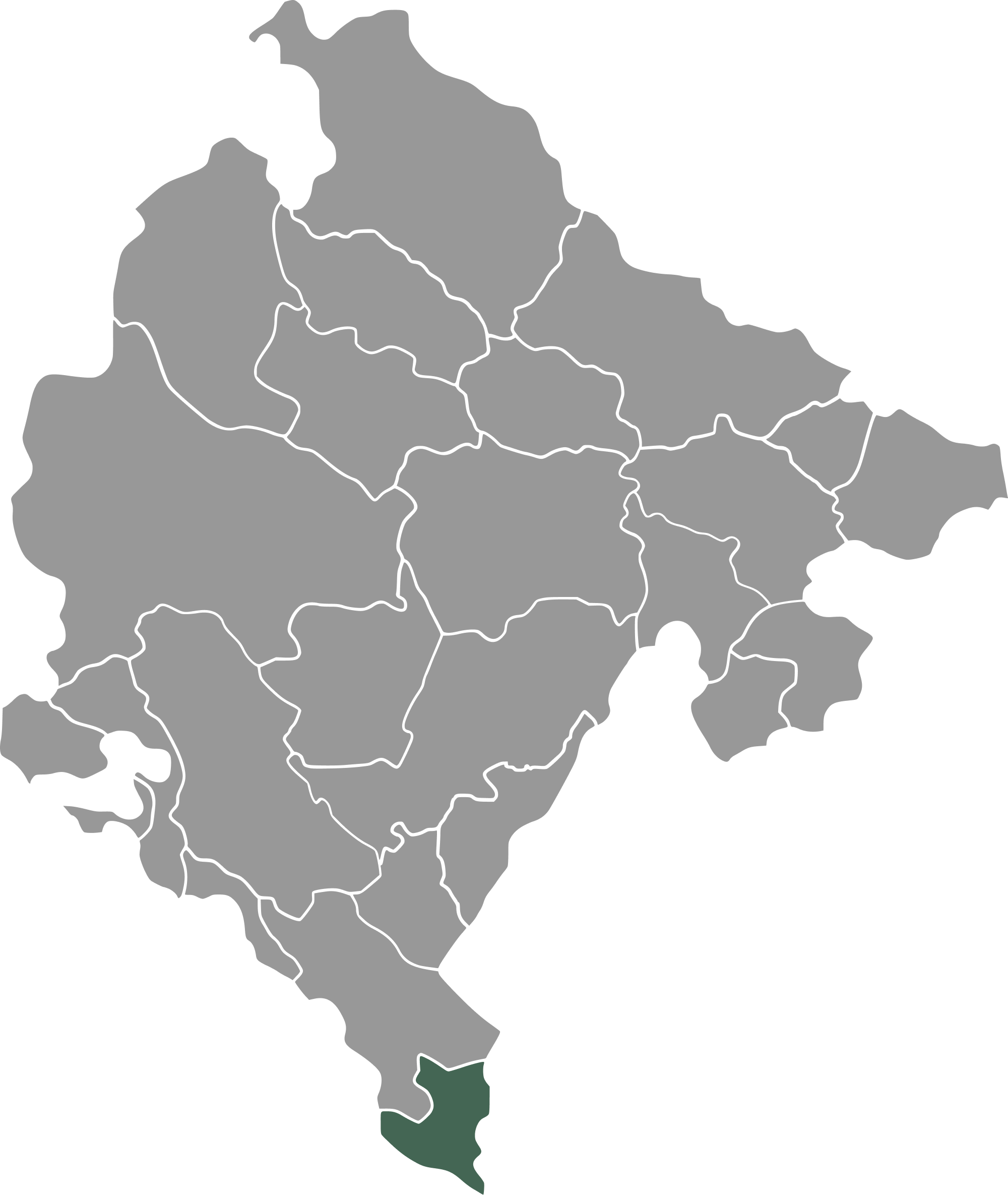
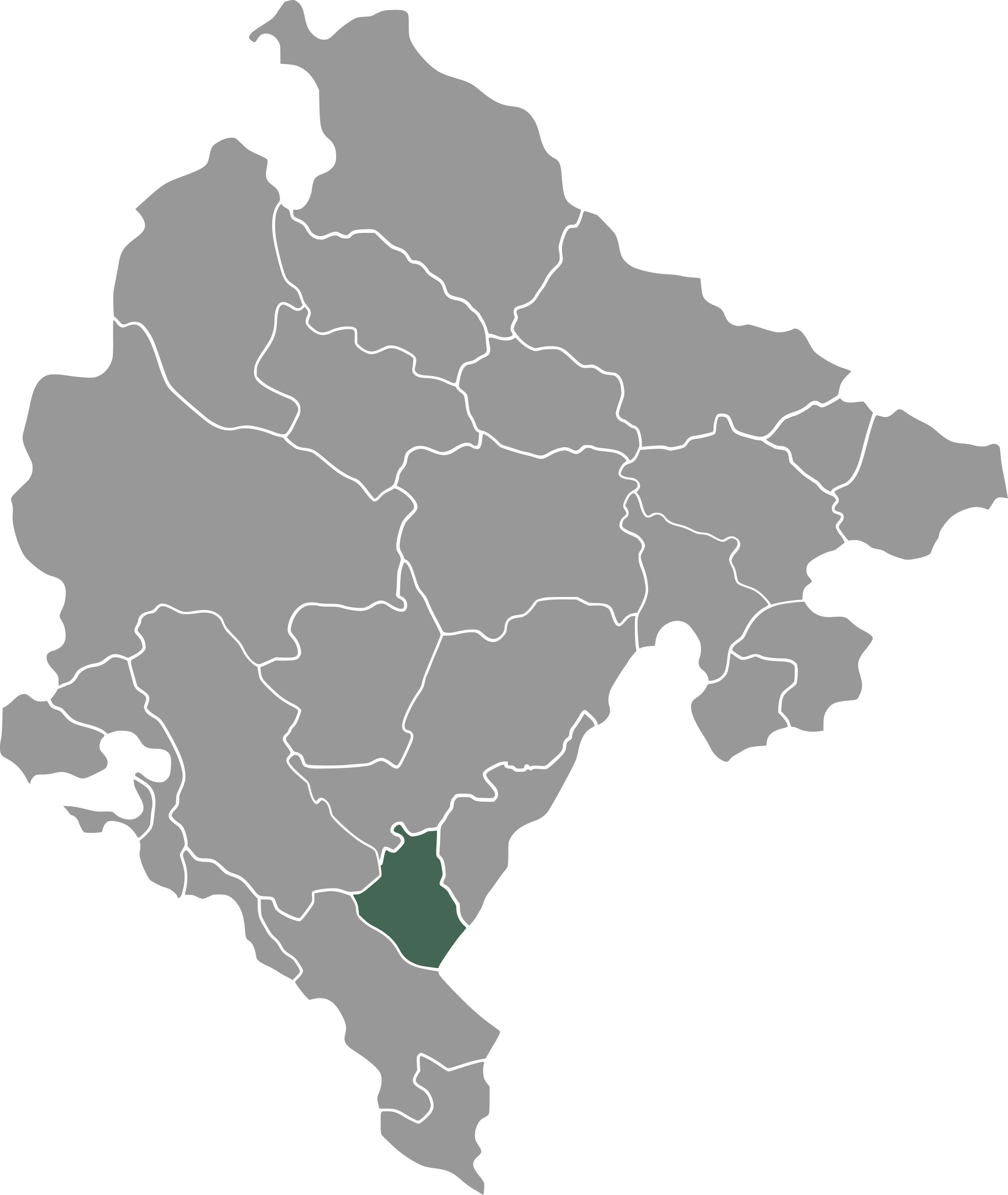
In the heart of Durmitor, at an altitude of around 1,500 metres, lies Žabljak, a town surrounded by dense forests, pastures, glacial valleys, and mountain peaks that create landscapes rarely seen elsewhere.
This municipality covers more than 400 square kilometres and is home to around 3,000 people, known for their hospitality, simplicity, and deep bond with nature.
The majority of the population consists of Montenegrins and Serbs. The community is small, close-knit, and shaped by the distinct Durmitor mindset. Žabljak carries the spirit of pastoral traditions and a way of life forged in harsh climatic conditions. The identity of the town has been shaped by the mountains, the snow, and a long-standing struggle with the severe Durmitor climate.
Tourism is the main pillar of the local economy. Hotels, apartments, and mountain lodges are being developed in step with the growing number of visitors. The winter season brings skiers, while the summer attracts lovers of mountains, lakes, and adrenaline-filled activities. Livestock farming and the production of traditional homemade goods remain present in the surrounding villages. Small-scale enterprise is also growing through restaurants, guides, sports agencies, and trade.
The town has a primary school as well as a secondary vocational school, while many local high school students also choose to continue their education in Nikšić and Pljevlja. A culture of sport and mountaineering forms part of school life, and from an early age children develop a close connection with nature and the Durmitor landscape.
Žabljak preserves the traditions of Montenegro’s northern region through local festivals, traditional village gatherings, and events dedicated to the mountains. Its culture is closely tied to nature, livestock breeding, songs, and stories of Durmitor. During the summer, the town hosts concerts, sporting events, and gatherings of mountaineers.
Durmitor is the municipality’s greatest treasure. More than 40 peaks rise above 2,000 metres, the most famous being Bobotov Kuk. Black Lake is the symbol of Žabljak. Its dark waters, encircled by thick forest and towering peaks, offer a sight that remains etched in memory for a lifetime. There are also Zminje Lake, Vražje Lake, Riblje Lake, as well as the valleys of Škrka and Lokvišta. The Tara Canyon, the deepest in Europe, lies nearby and offers the thrill of rafting through crystal-clear rapids.
Each season transforms the face of Žabljak, turning it into a living postcard all year round.
Žabljak is connected by road to Mojkovac, Pljevlja, and Šavnik. Regular bus services run to Podgorica and Nikšić. The mountainous roads require caution, especially in winter, but ongoing infrastructure development is making the town increasingly accessible to tourists throughout the year.
Snow sports define winter life in Žabljak. Skiing, cross-country skiing, and ski touring are among the most popular activities. In summer, Žabljak becomes a centre for hiking, mountaineering, cycling, and trail running. The Tara River is ideal for rafting, while numerous local guides offer tours to viewpoints, peaks, and lakes. The natural terrain provides opportunities for all generations.
Žabljak holds enormous tourism potential. Investments in hotels, apartments, ethno-villages, restaurants, and sports agencies enjoy steady demand. Local land and property prices vary depending on proximity to the lake and ski slopes, yet they remain competitive for investors. Durmitor, as a world-renowned natural attraction, supports long-term value guarantee of value. Opportunities also exist in eco-tourism, rural tourism, and the production of traditional local goods.
Žabljak offers a rare blend of wilderness, tranquillity, and pure adrenaline. The mountain air, the dark waters of Black Lake, and the dramatic peaks of Durmitor create an experience of lasting impact. Visitors can discover ancient forests, hike to high panoramic viewpoints, taste homemade cheese and honey, explore the Tara Canyon, and surrender to the silence of the mountains.
Life in this town moves slowly, in rhythm with the seasons. Winters are long and snowy, summers short but intense. People are close, households are strong, and everything is turned toward the mountains.