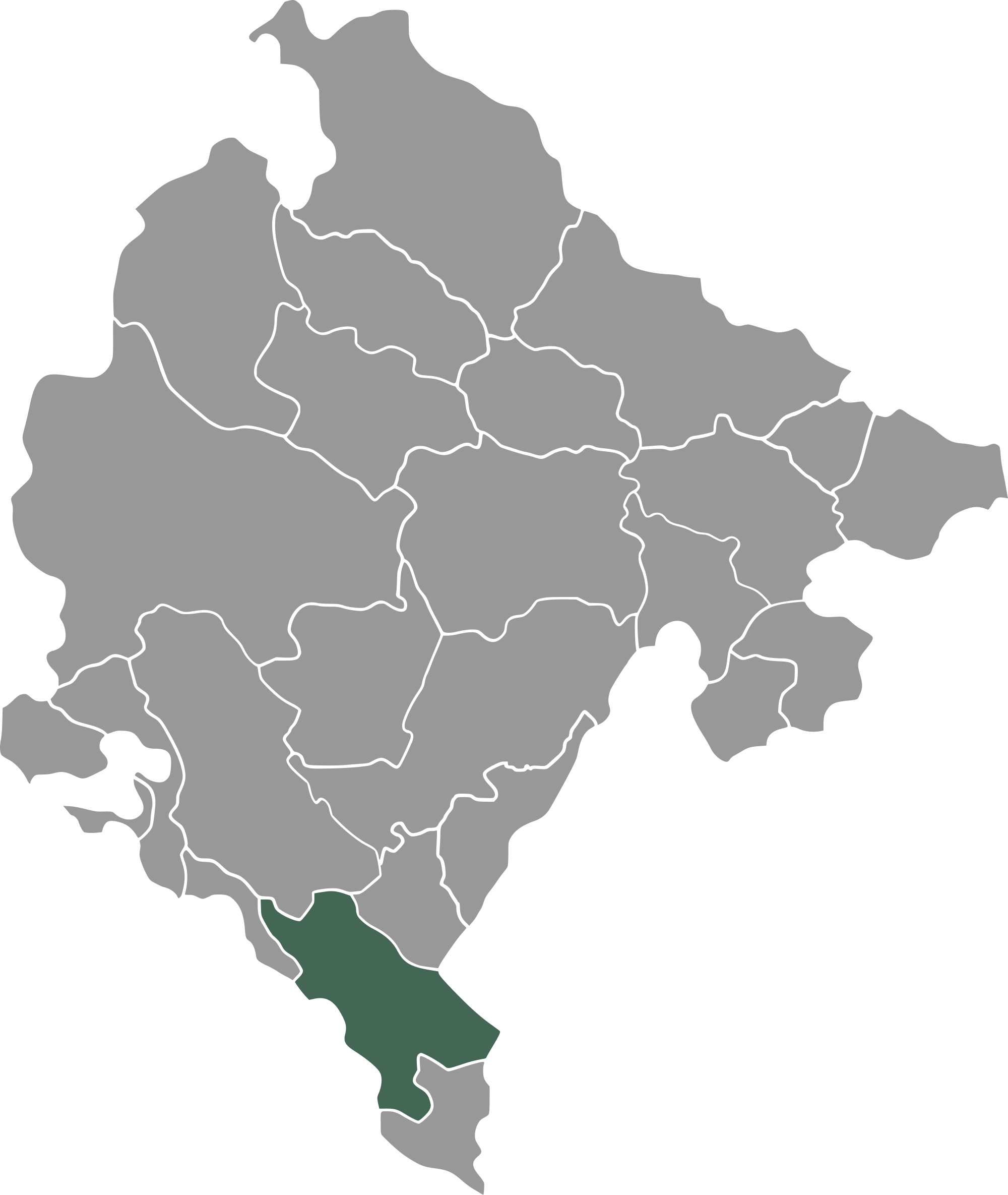
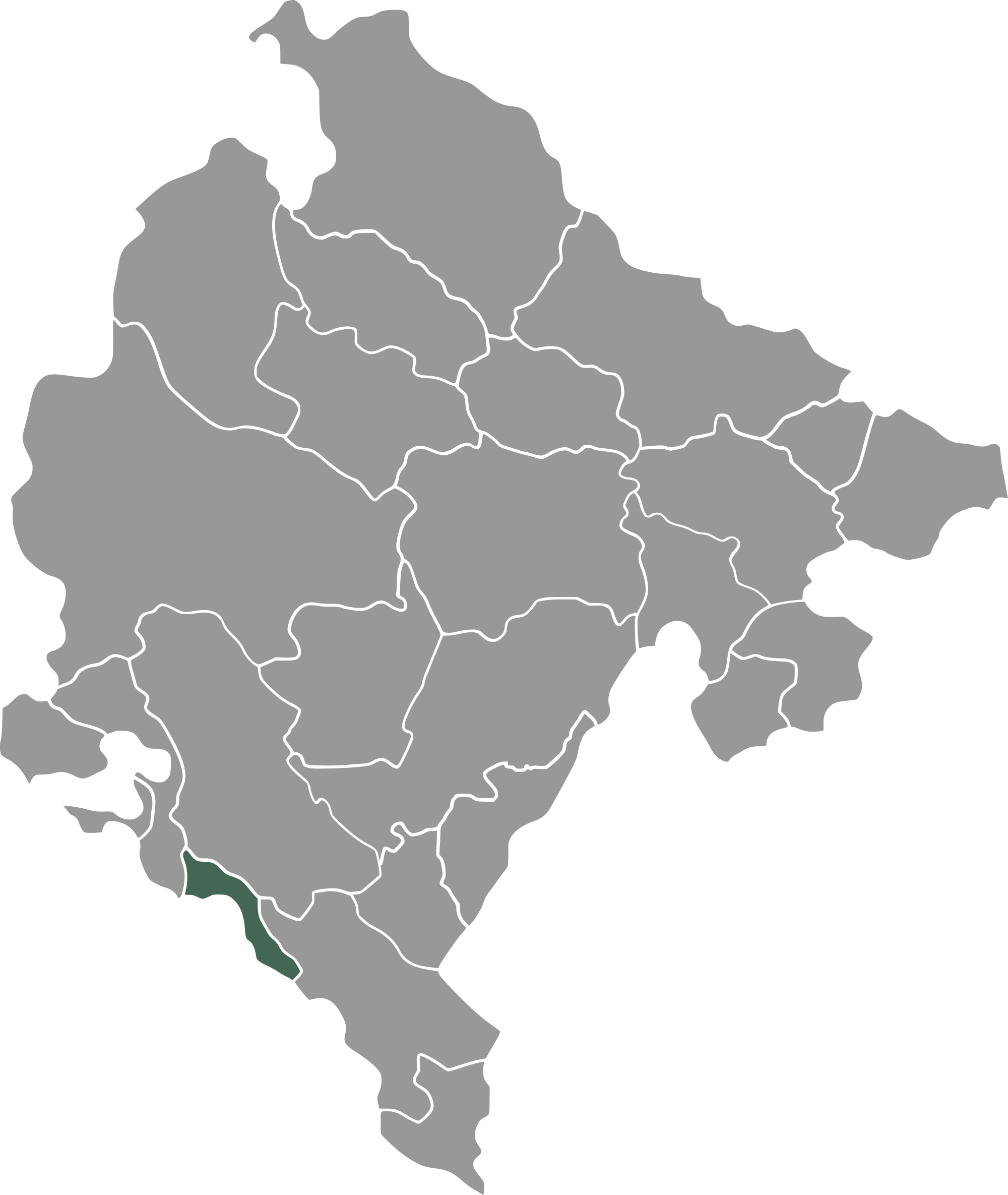
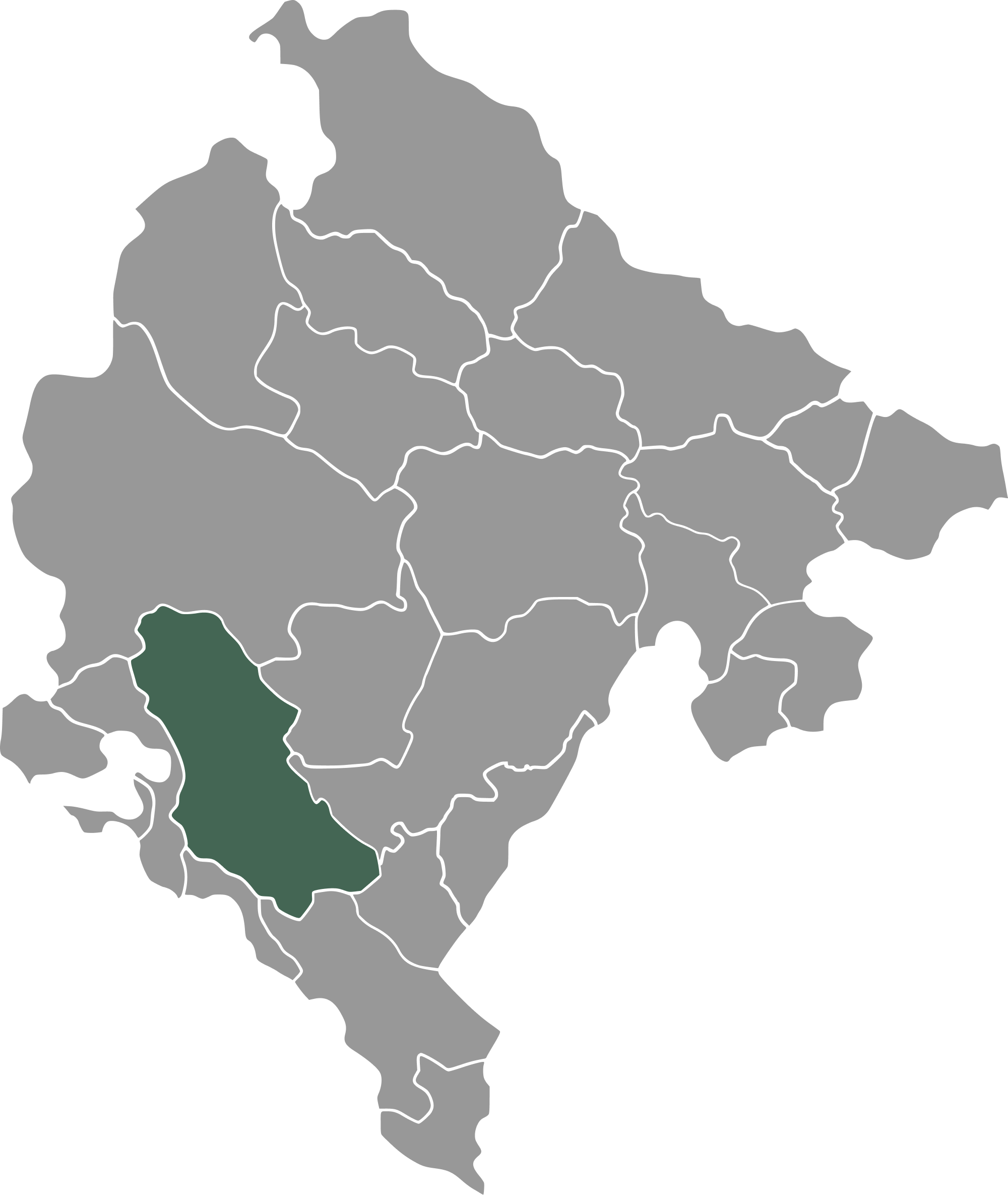
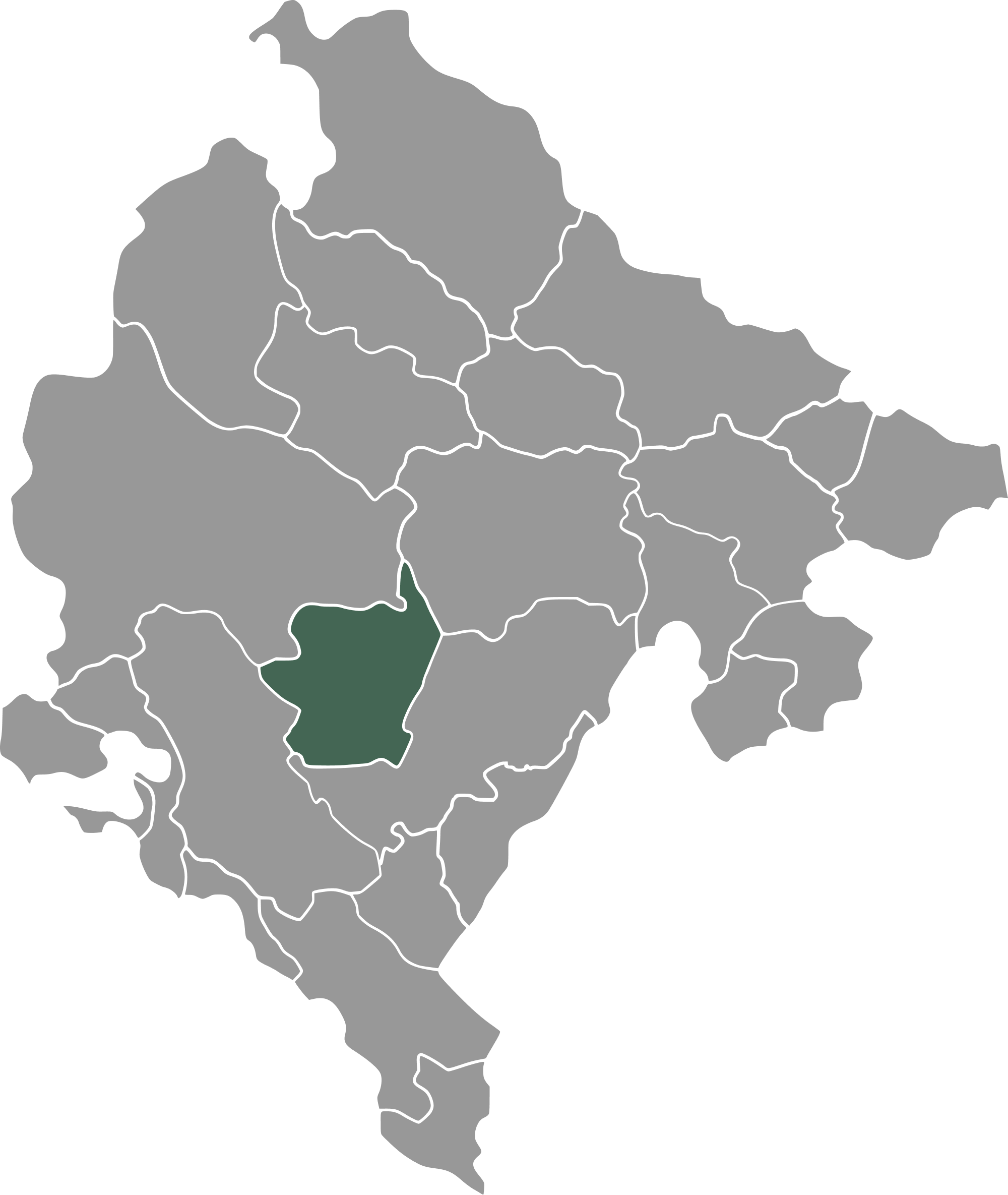
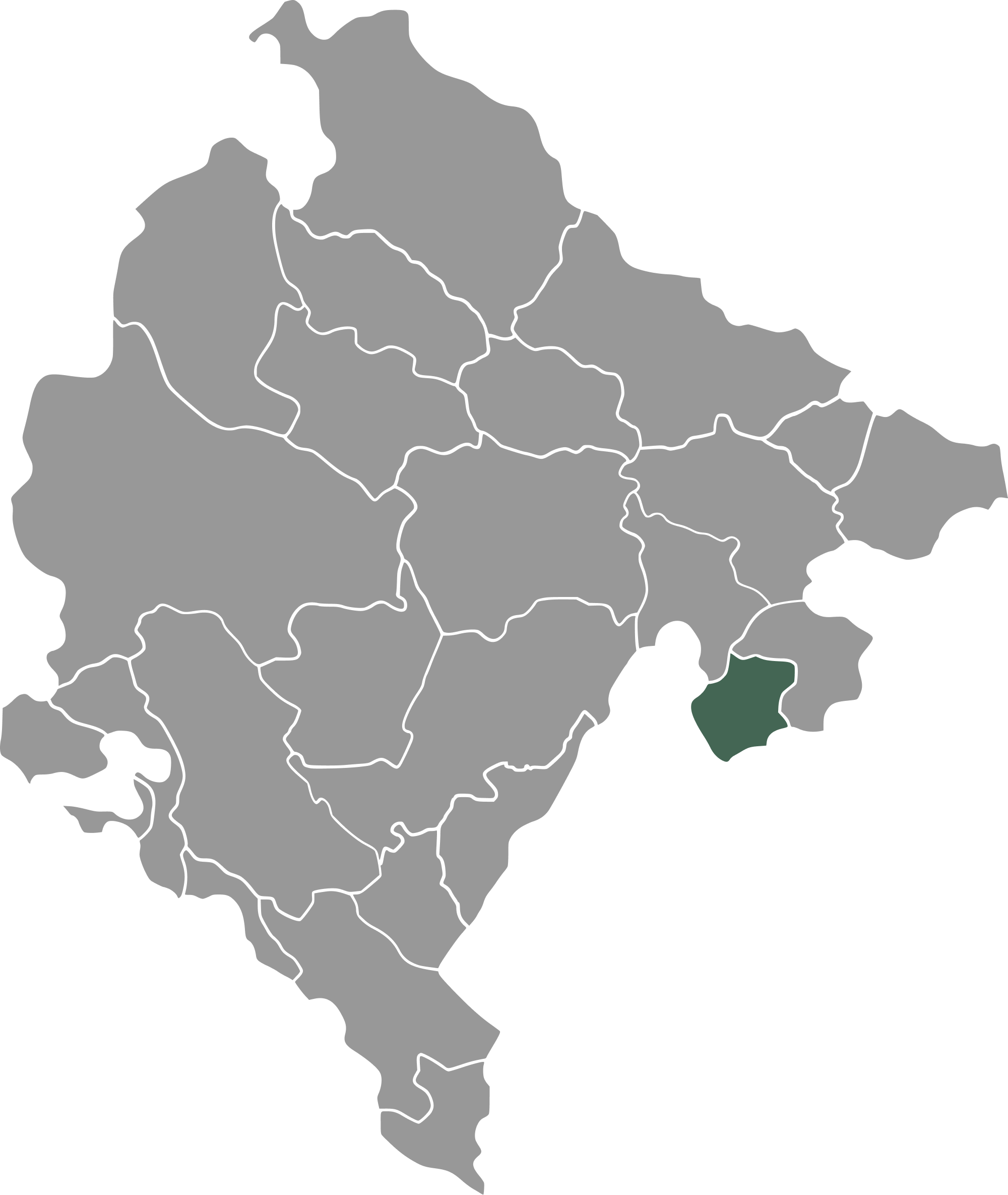
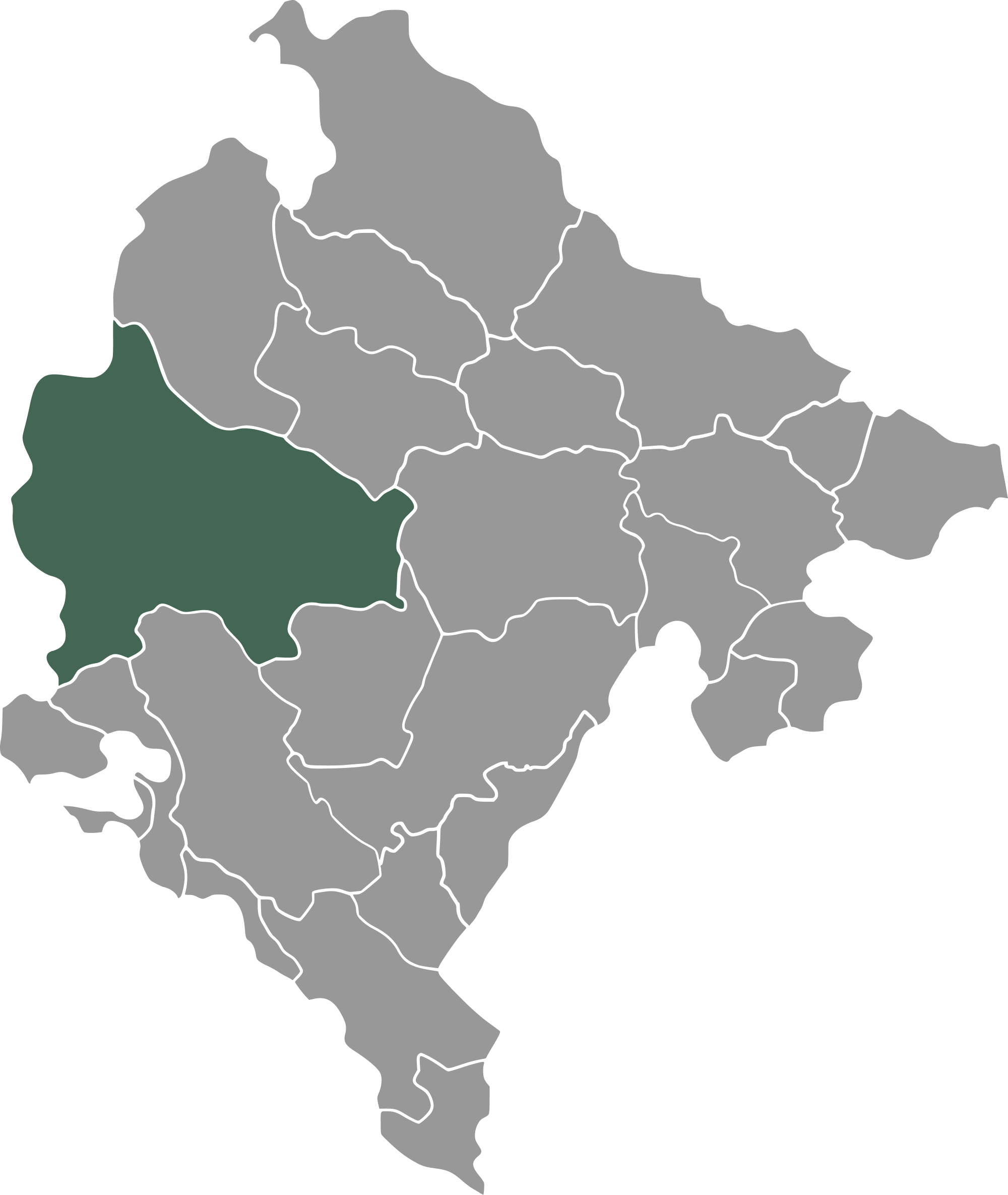
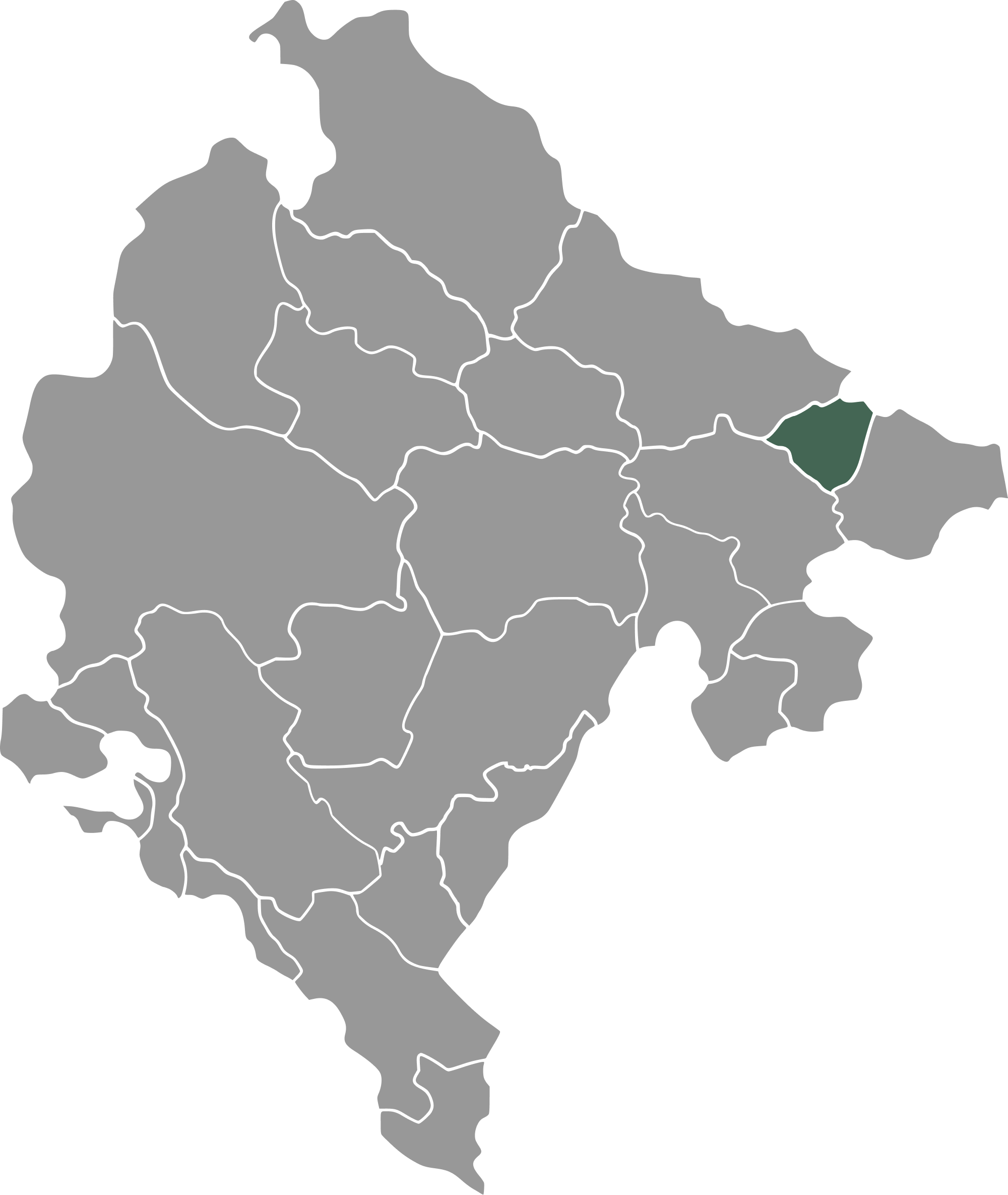
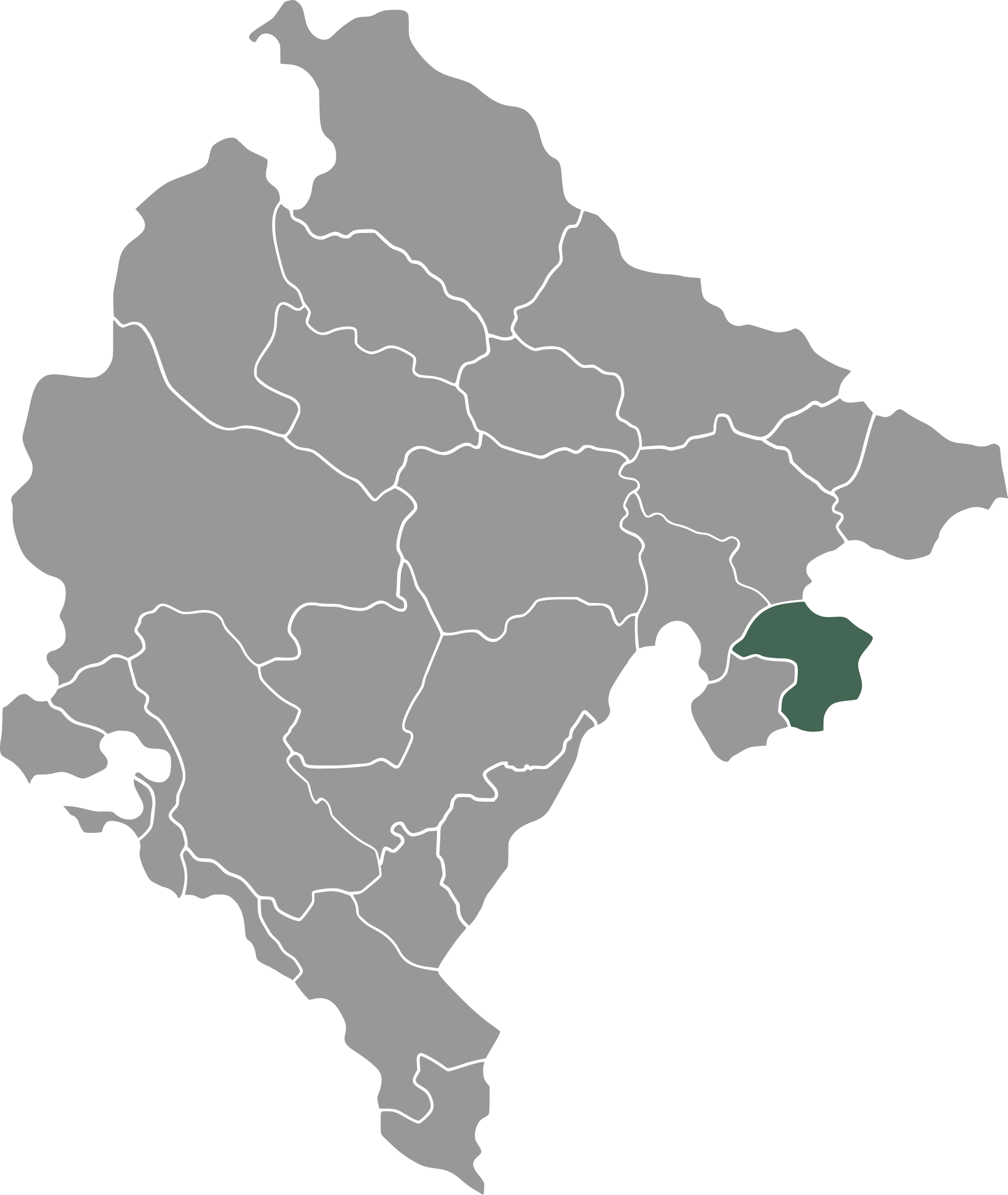
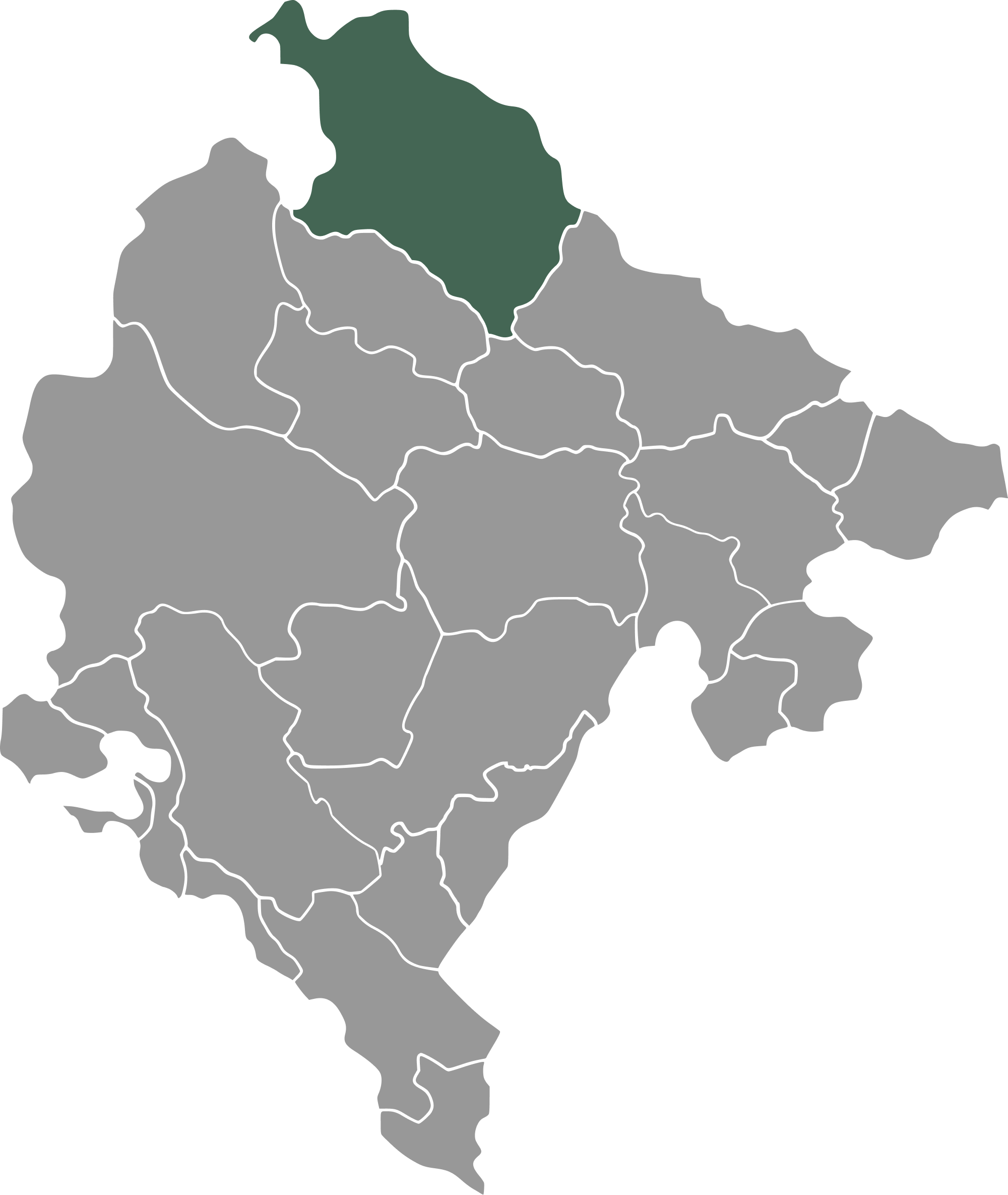
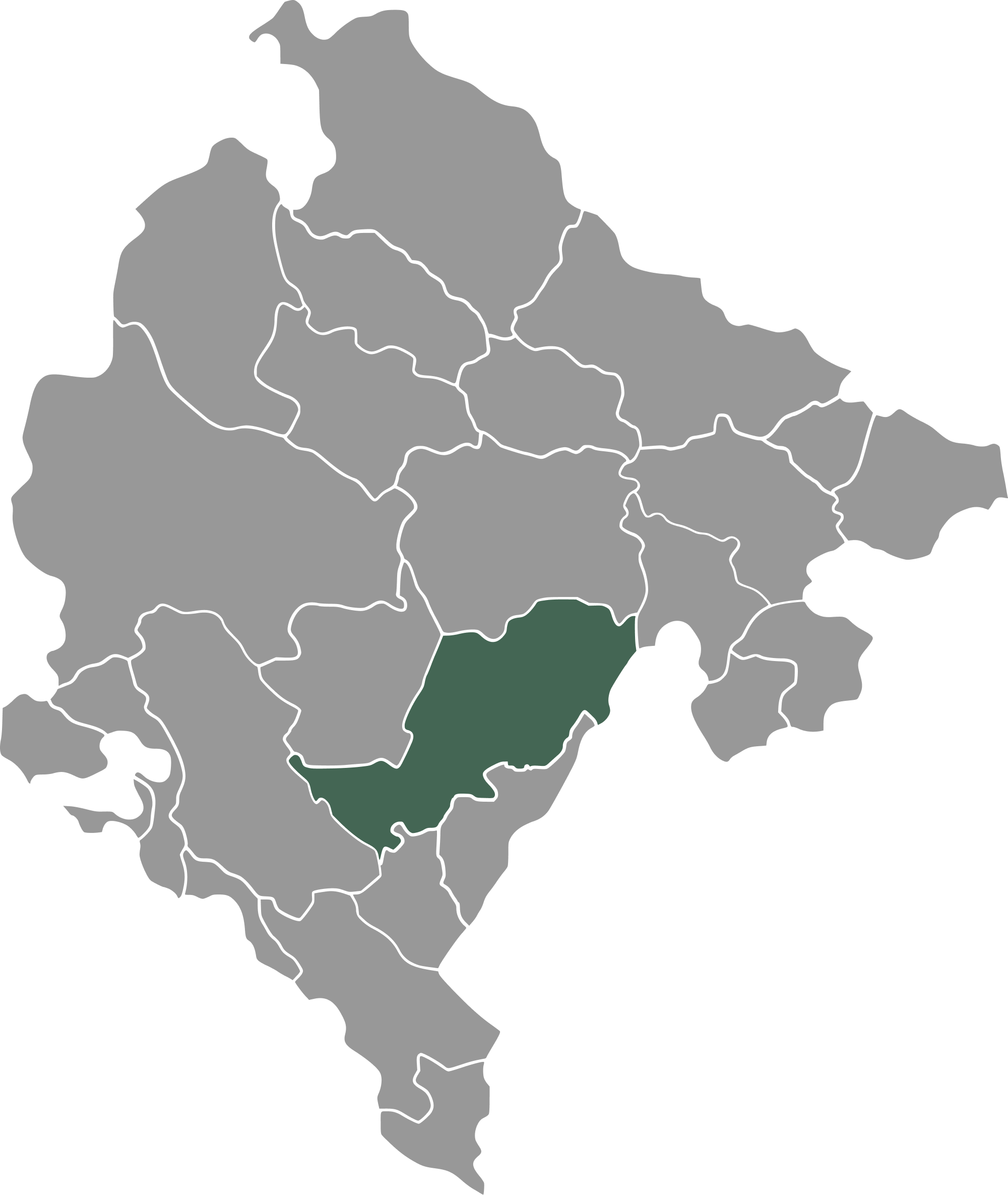
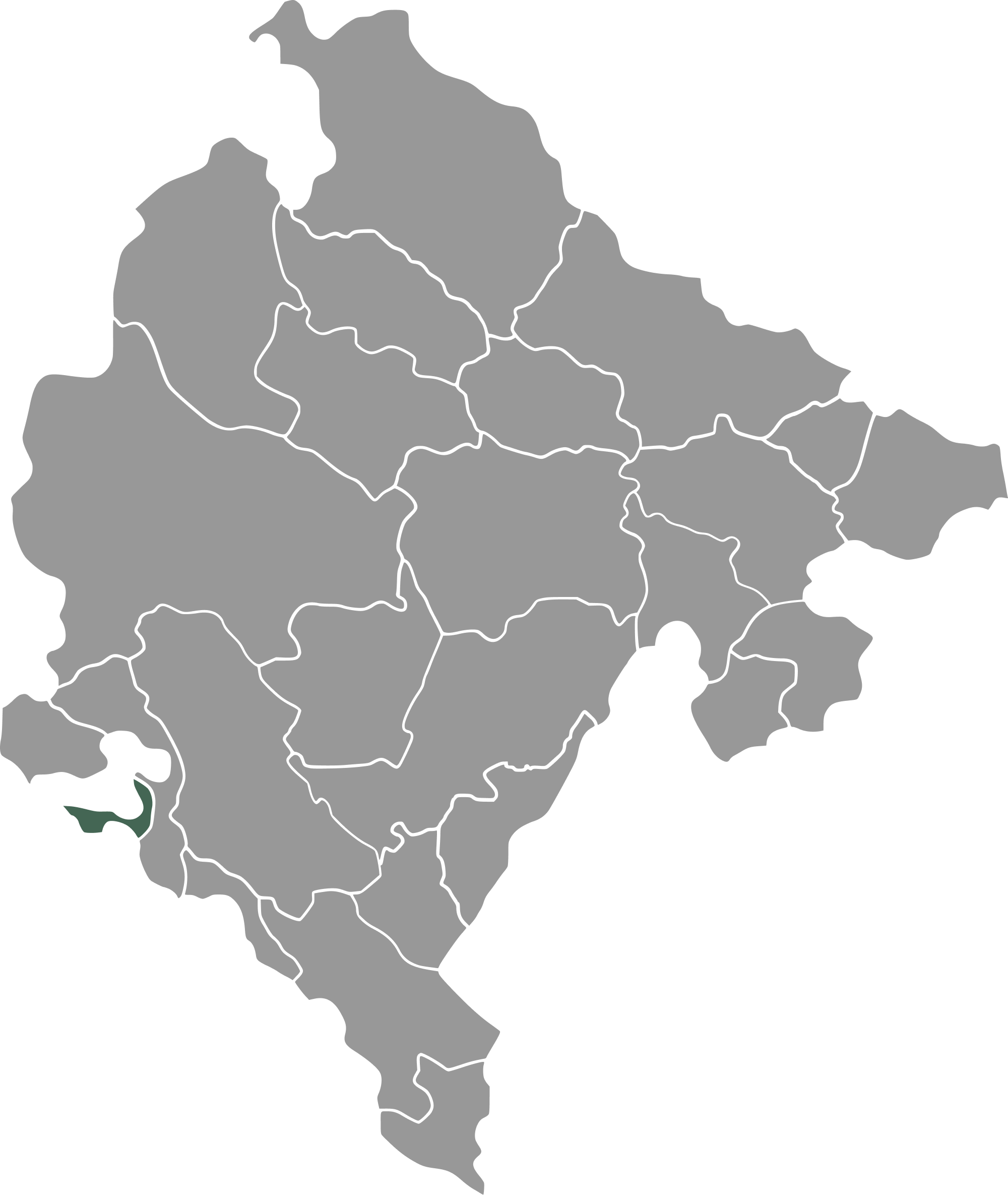
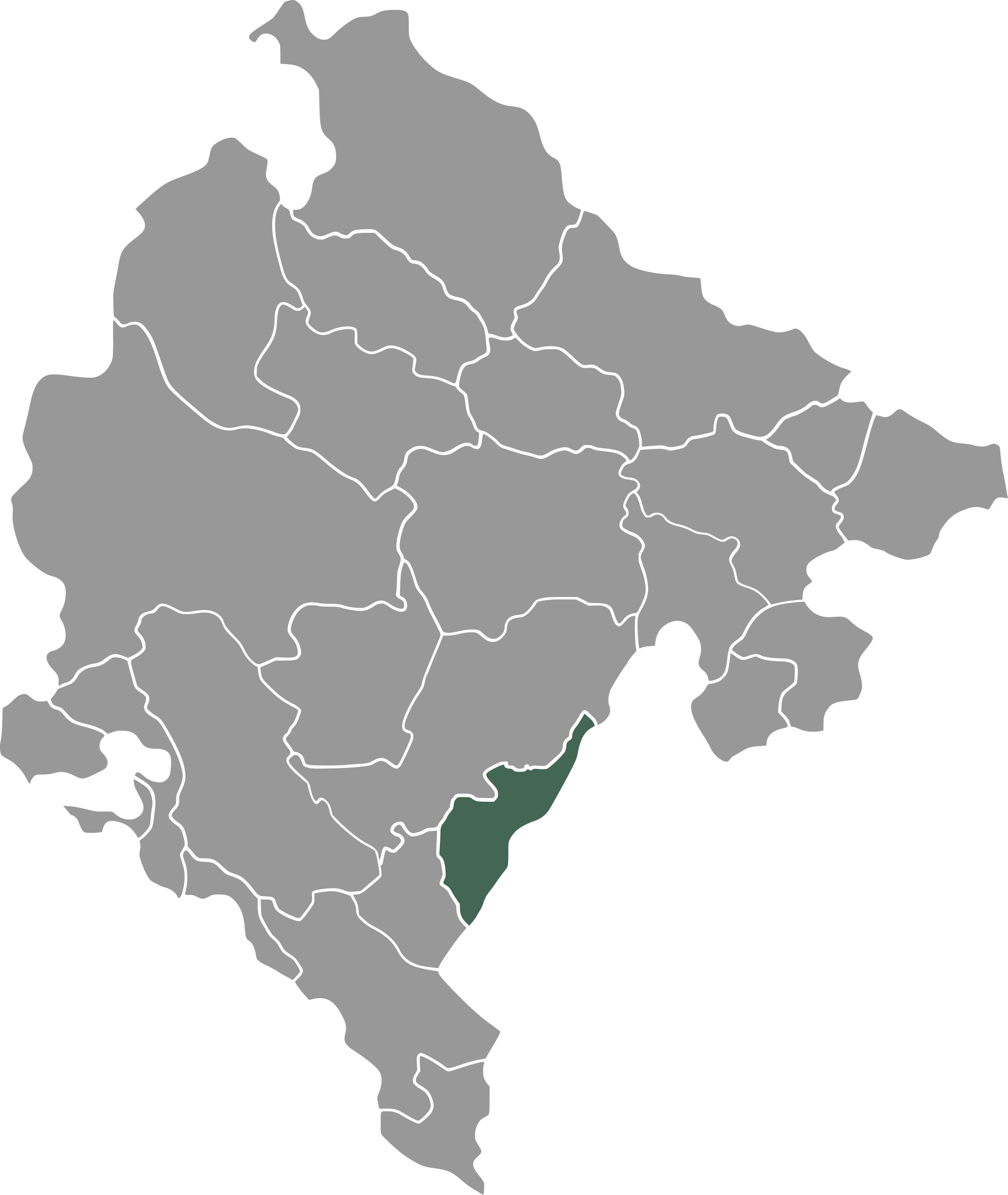
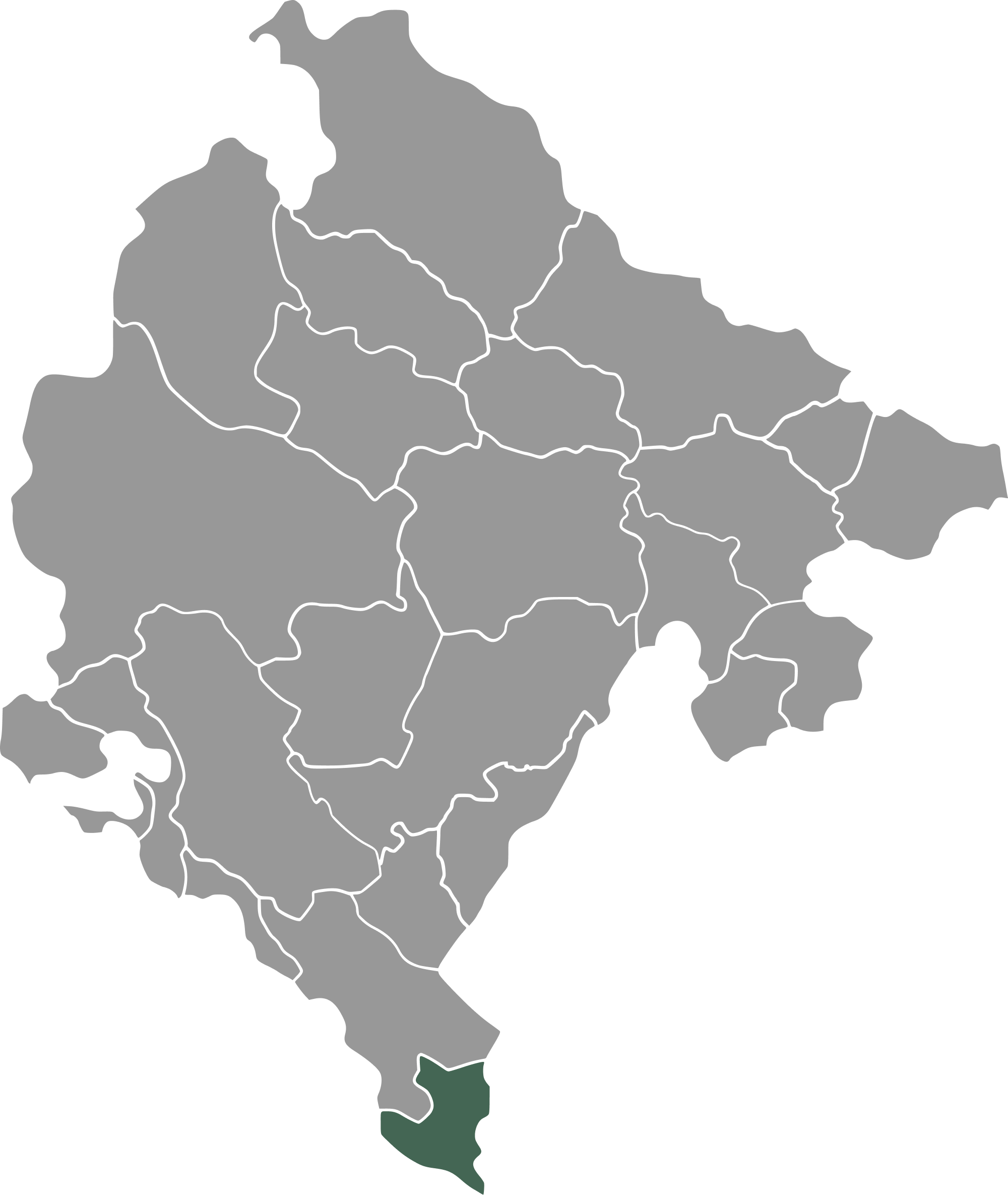
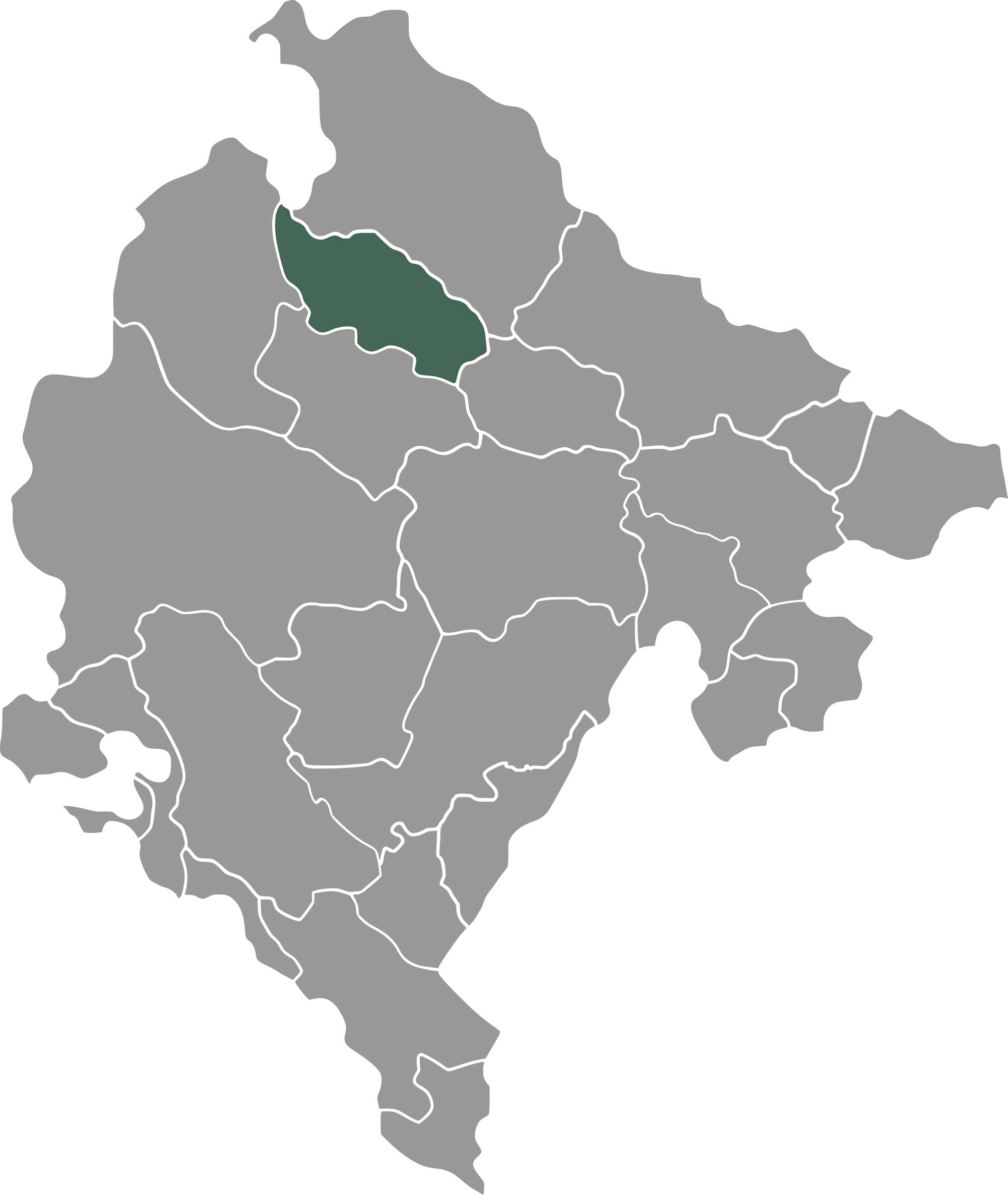
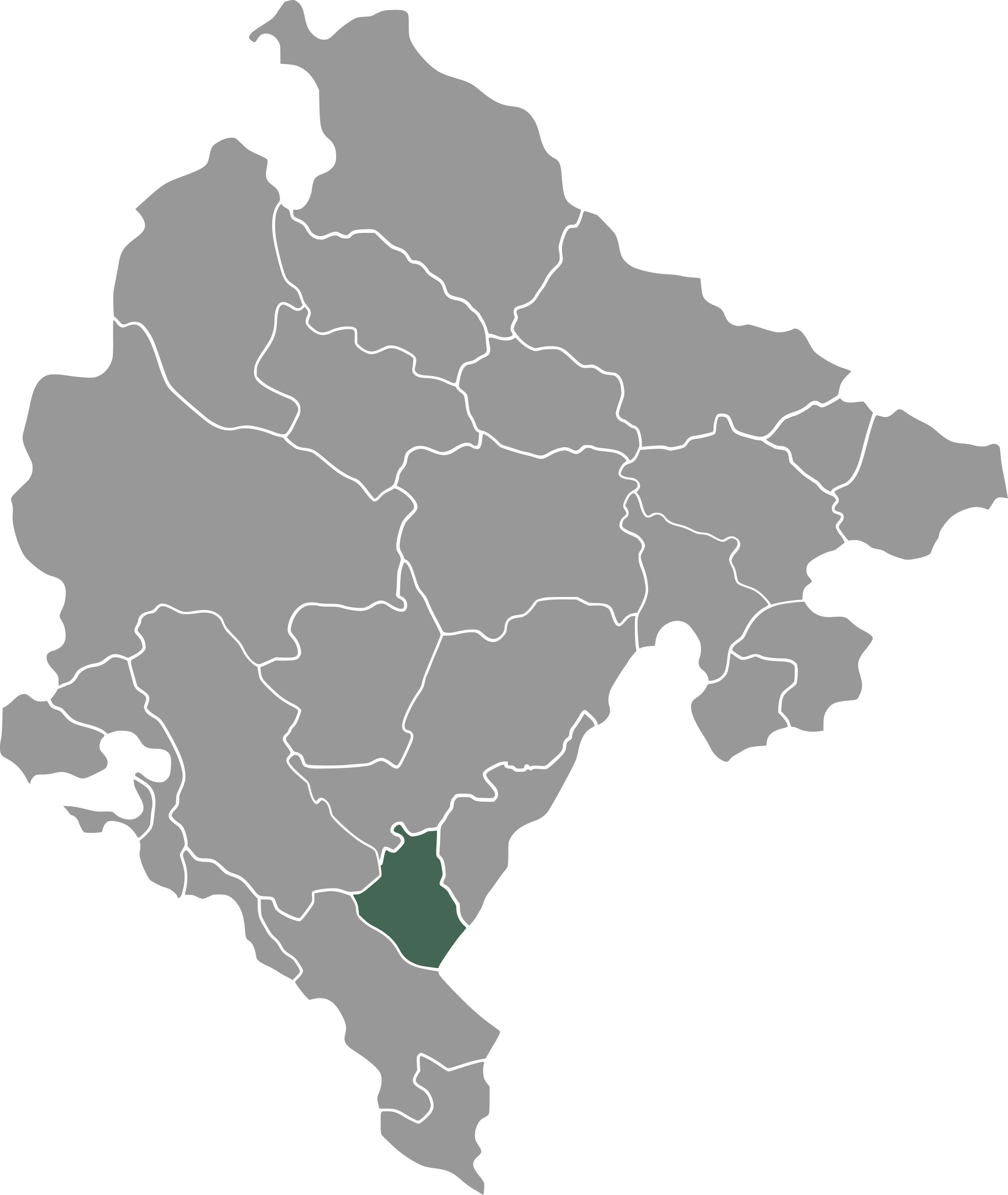
The most important seaport of Montenegro and a crossroads between the eastern and western coasts of the Adriatic is the city of Bar. It is the second largest on the Montenegrin coast and the seat of the municipality of the same name, which covers 598 square kilometers.
It includes 77 settlements and has 46,171 inhabitants, of whom about 17 thousand are grouped in the urban city core, while the rest live in rural settlements scattered between the sea, the mountains and Lake Skadar.
Near the city is Mount Rumija, and most settlements stretch along the coast and in green valleys.
Bar is ethnically and religiously diverse: the majority of the population consists of Montenegrins and Serbs, with a significant community of Bosniaks, Albanians and other minorities. The largest part of the population is of Orthodox faith, with the presence of Muslims and Catholics. This diversity is reflected in numerous churches, mosques and monasteries throughout the municipality, and the multicultural harmony is further enriched by shared festivals, gastronomic customs and traditions.
The tourist offer of Bar combines seaside landscapes, historical monuments and mountain excursions:
● Old Town Bar – a medieval fortress on the slopes of Rumija where the ruins of churches, an aqueduct and an oriental bazaar can be seen. Restored buildings and museums testify to the Venetian, Ottoman and Montenegrin heritage.
● King Nikola’s Palace – the residence of the last Montenegrin king has been turned into a museum. It is surrounded by parks and a seaside promenade.
● Beaches – popular ones are Sutomore, Čanj, Šušanj and Topolica Beach in the city, while in the hinterland there are secluded coves with warm sea and pine trees.
● Lake Skadar and Rumija – only a few kilometers from the city. This area offers boat rides, fishing, bird watching and hiking. From the top of Rumija there is a panoramic view of the sea and the Skadar plain.
● Olive groves in villages such as Dobra Voda and Old Bar preserve olive trees older than 1,000 years, and many still bear fruit today.
Bar is the economic engine of southern Montenegro. Its economy is based on the Port of Bar, the Belgrade–Bar railway and the Sozina tunnel.
The port stretches over 3,100 meters of coastline and 800 hectares of land, with a cargo handling capacity of five million tons per year.
The railway opened in 1976 connected Podgorica and the north with the Adriatic, enabling faster transport of goods and access to the port.
The Sozina tunnel, opened in 2005, shortened the distance to the capital to 50 kilometers, making Bar a key transit point between the inland and the coast.
Agriculture and the food industry also make up an important part of the economy. The municipality has about 95,000 olive trees and 80,000 citrus trees, and the Center for Subtropical Cultures, founded in 1937, is one of the oldest scientific institutions in Montenegro.
Thanks to the port and agricultural resources, Bar has become a logistics and food center, and tourism is an increasingly important part of the economy.
In addition to the railway, Bar has seasonal ferry lines to Bari in Italy, as well as to Ancona. The city is connected by the Adriatic Highway with other coastal cities, while Sozina facilitates travel to Podgorica and the north.
Podgorica Airport is about 40 kilometers away, enabling a fast air connection with European destinations.
Public transport is provided by local bus lines, and intercity and international routes connect Bar with Belgrade, Sarajevo, Tirana and other cities.
Bar has a borderline humid subtropical and Mediterranean climate. Winters are mild, and summers are warm and sunny.
Rainfall is heaviest in autumn and winter, which nourishes lush vegetation. In the surroundings olives, citrus fruits, grapevine, figs and pomegranate are grown.
Forests of oak and beech cover the northern slopes of Rumija, while the coast is adorned with maquis and Mediterranean plant life.
Bar hosts numerous cultural events:
● Bar Chronicle – a multi day festival in July and August offering theatre performances, exhibitions, literary evenings and concerts of classical, spiritual, jazz and rock music. The program takes place at several locations, and part of the festival is the Mediterranean Book Fair.
● Maslinijada – a traditional event held in November in Old Bar, celebrating the “liquid gold” of this region. The event gathers olive growers who exhibit oil, olives, homemade cheese, honey and citrus fruits, accompanied by a rich folklore program and tastings that attract thousands of visitors.
● Wine and Bleak Festival – held in December in Virpazar, on the very shore of Lake Skadar. This famous festivity celebrates indigenous Crmnica region wine varieties, such as Vranac, and the specific lake fish bleak, preserving the authentic spirit and tradition of the Bar hinterland.
● Vladimir’s Cross – every year on Trinity Day in May, pilgrims carry the silver cross of Jovan Vladimir to the top of Rumija. The procession gathers believers of three confessions and symbolizes the unity and tolerance of Bar.
● Swimming Marathon – in August competitors test their endurance on a five kilometer route from Sutomore to Bar.
● Mrkojevići Days – at the end of July in the village of Mrkojevići, the cultural identity of the area is celebrated through folklore, song and tasting of traditional dishes.
Bar has a well developed network of schools: several primary schools, the “Niko Rolović” Gymnasium, the Secondary Agricultural School, the Economics and Hospitality School and several vocational education institutions.
The city is also an important higher education center, recognizable for the Faculty of Business Economics and Law and the Faculty of Tourism, while private schools such as Adriatic Open School offer programs in English and Russian.
Healthcare services are provided by the Bar Health Center, several specialist clinics and the General Hospital Bar.
Bar has more than 50 sports clubs. The most famous football club is Mornar, which plays at the Topolica Stadium, along with the teams Hajduk and Sloga. The basketball club Mornar Bar is a regular participant in the national and regional league.
The Topolica Sports Center offers halls, courts and a swimming pool. In addition, hotel complexes have tennis, basketball and volleyball courts.
Water sports such as diving, sailing, kayaking and rowing on the sea and Lake Skadar attract both amateurs and professionals.
Bar is a unique combination of modern life, history and nature.
During the day you can swim in the warm Adriatic Sea, visit the ruins of Old Bar, taste olive oil from centuries old olive groves or visit King Nikola’s Palace.
The evening brings a seaside walk, concerts, festivals and the scent of citrus.
Mild climate, good transport connections and a diverse offer make Bar perfect for those seeking an authentic blend of coastal culture, tradition and modern amenities.
View listings in Bar