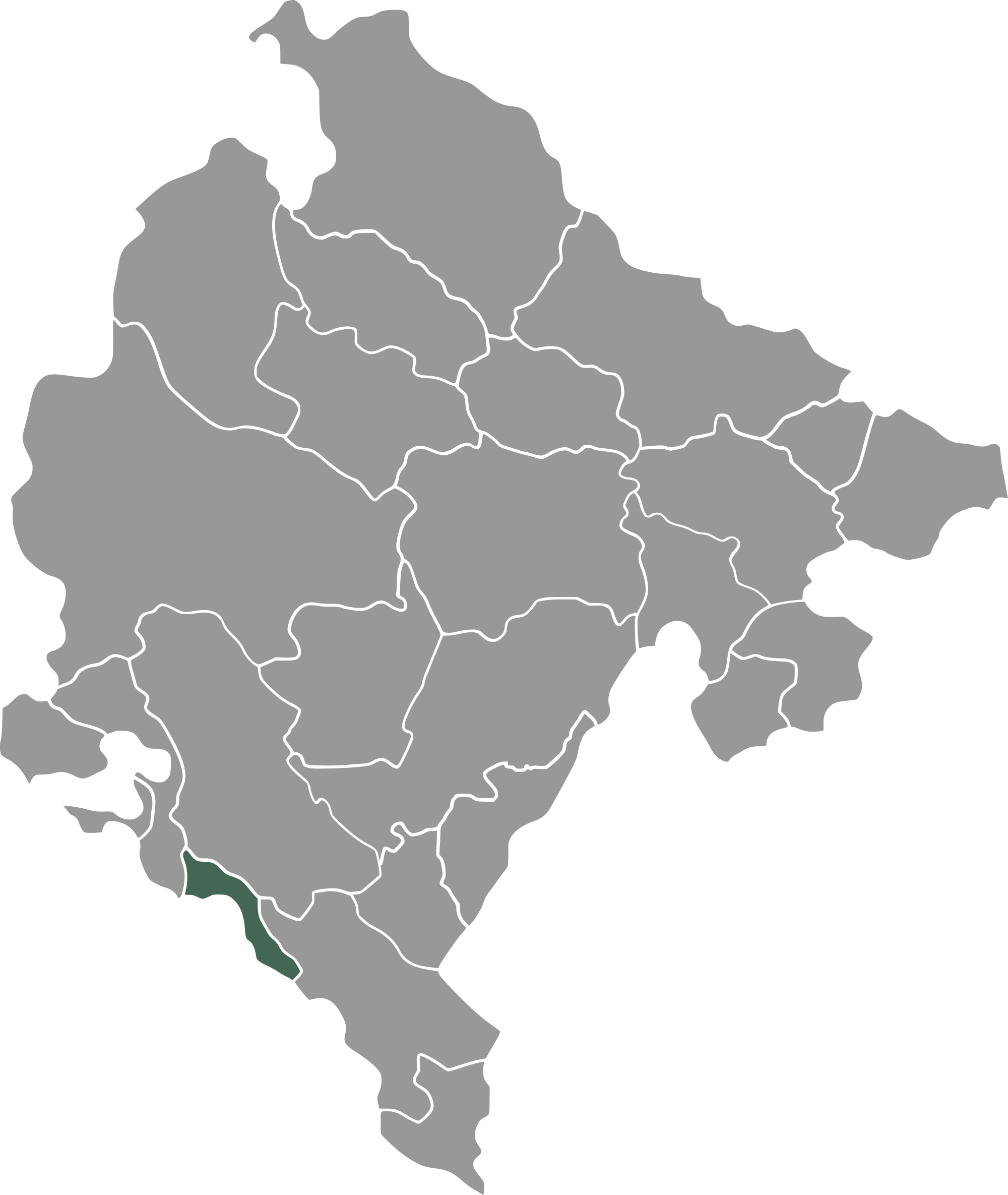
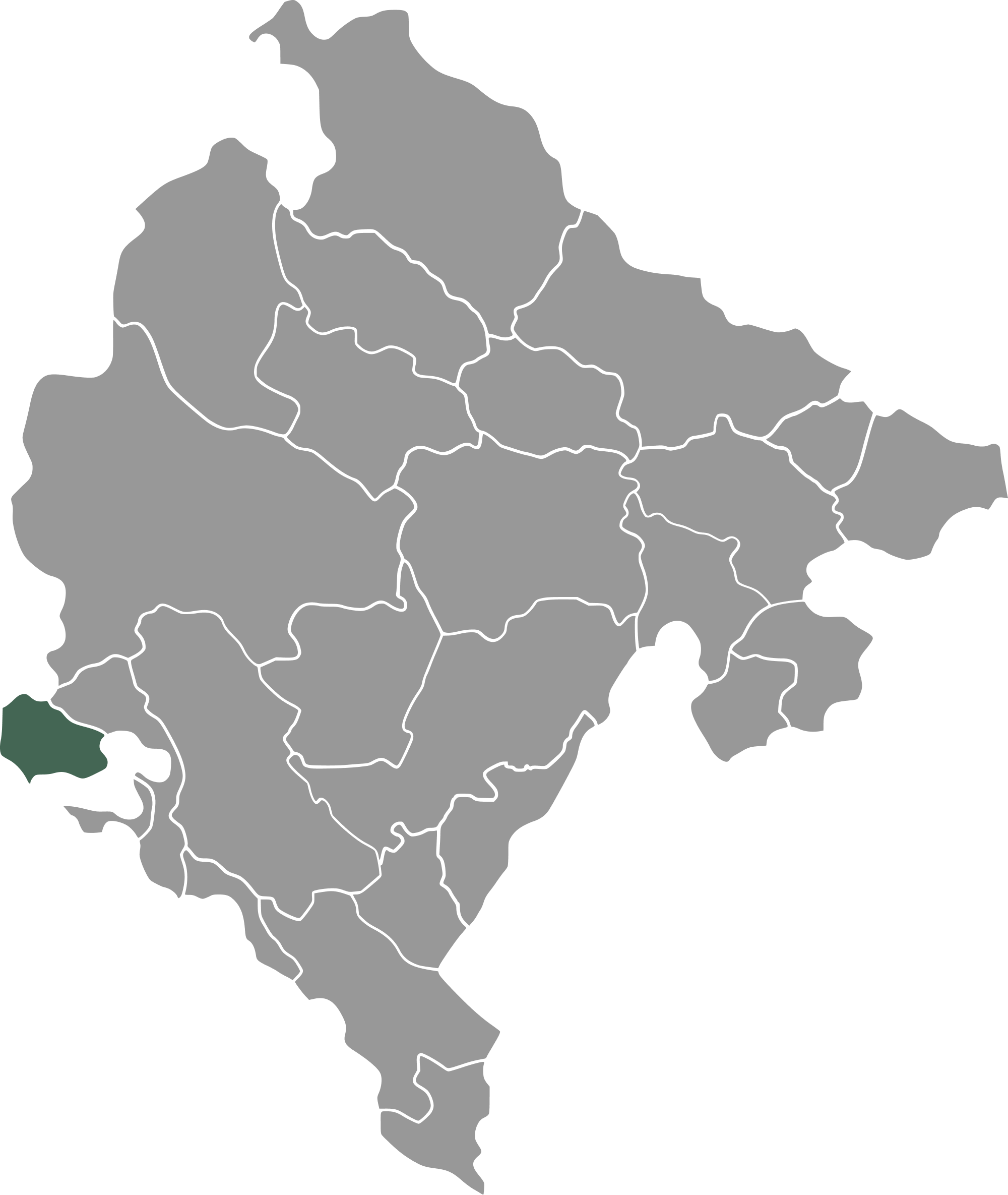
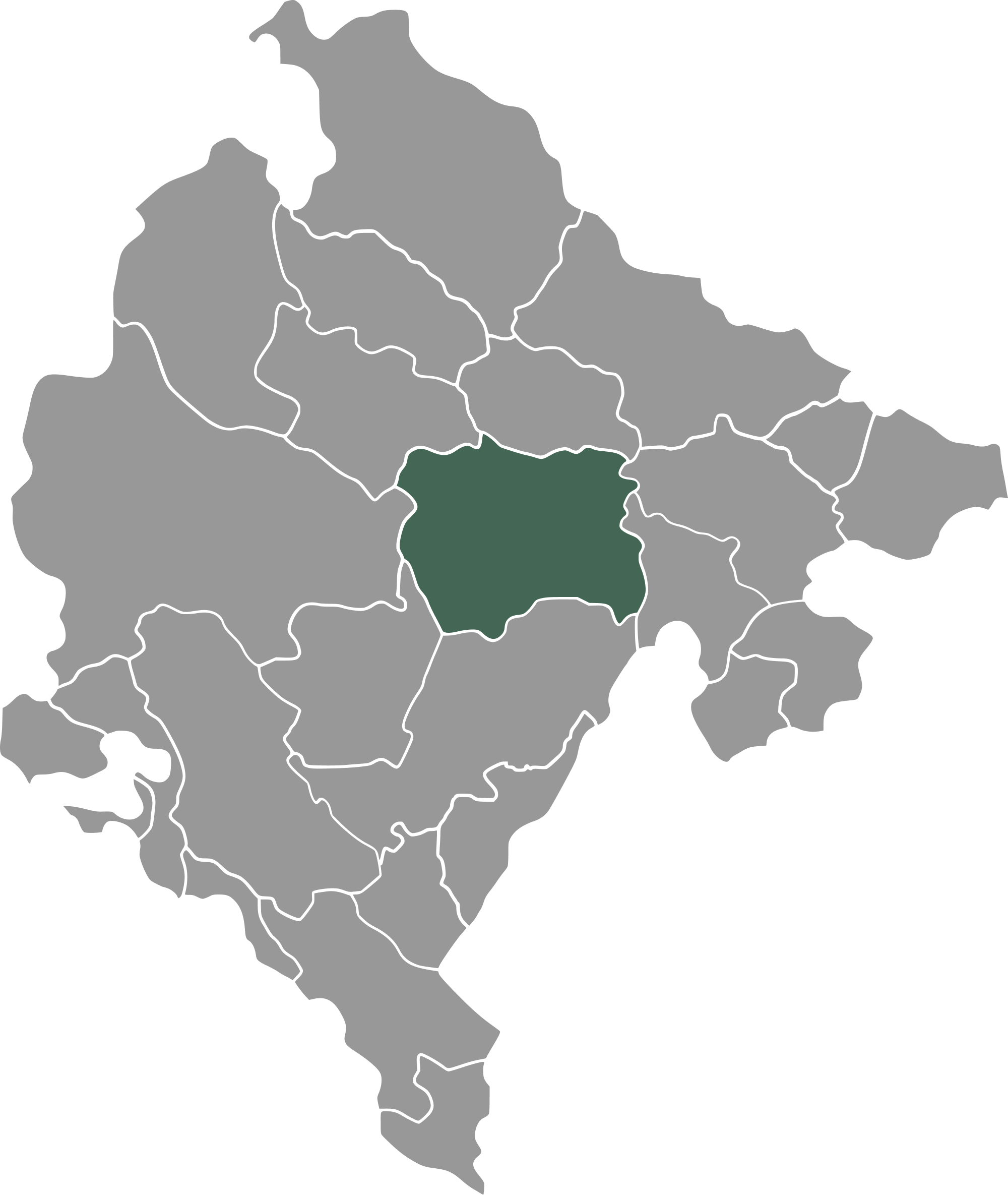
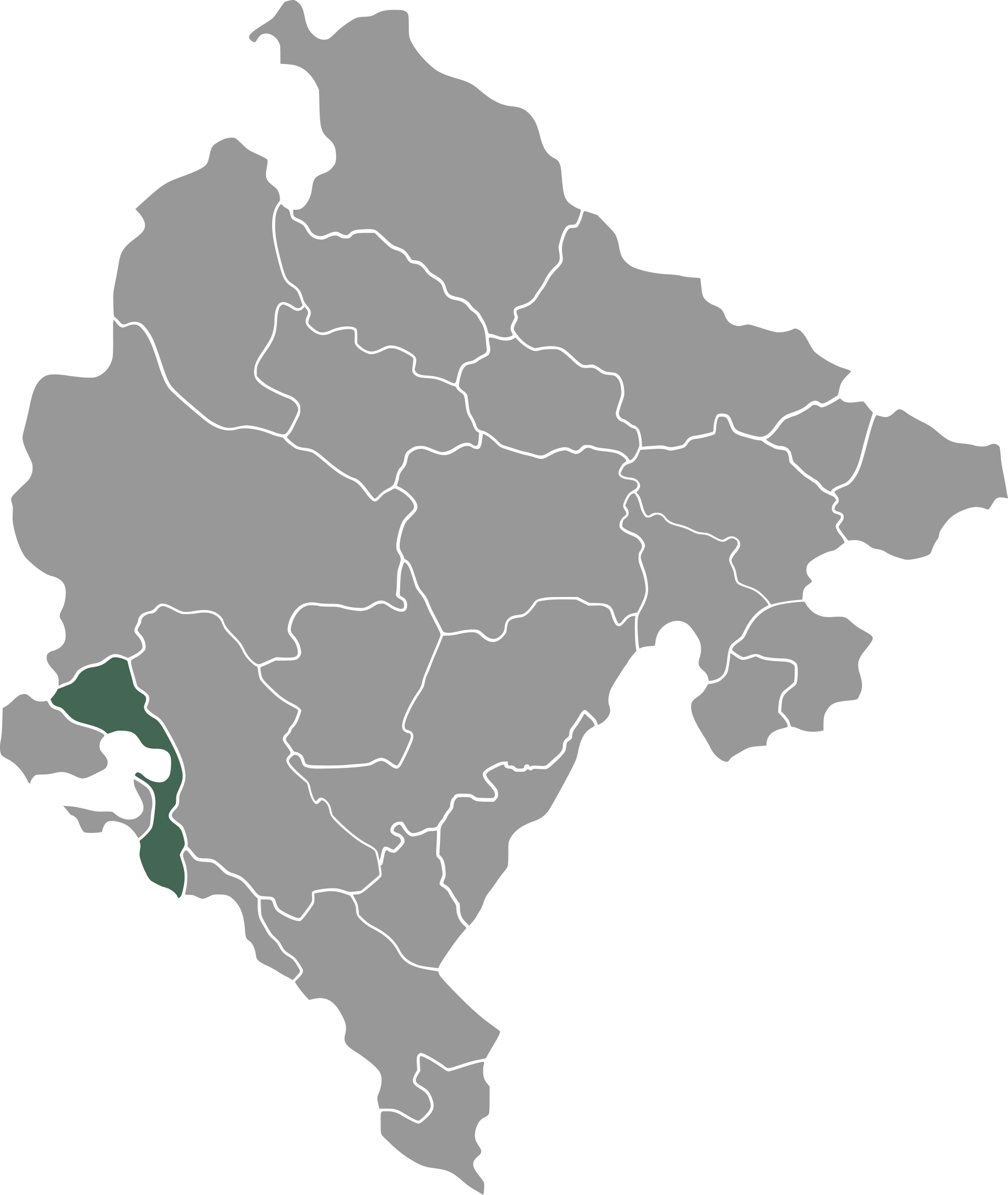
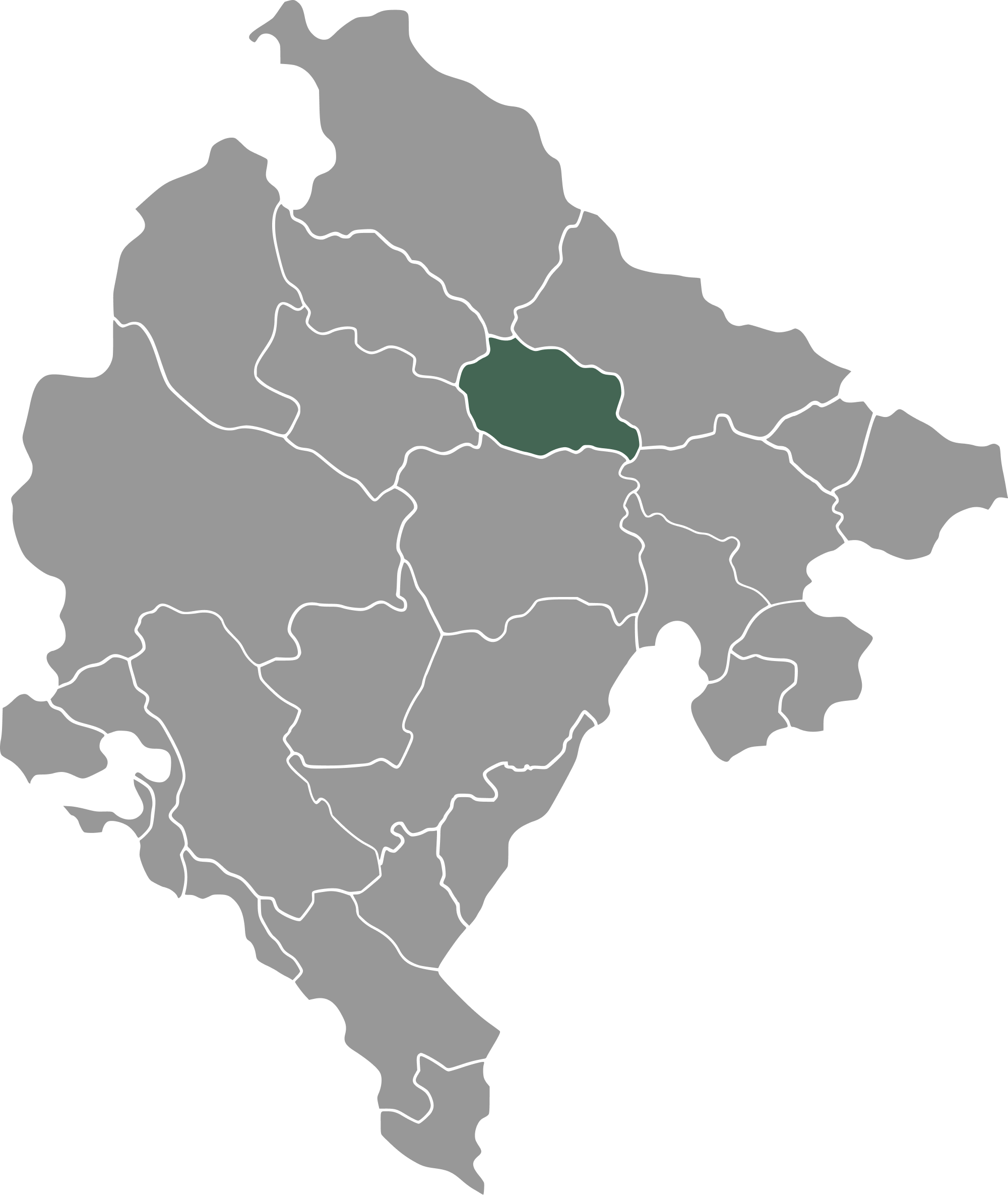
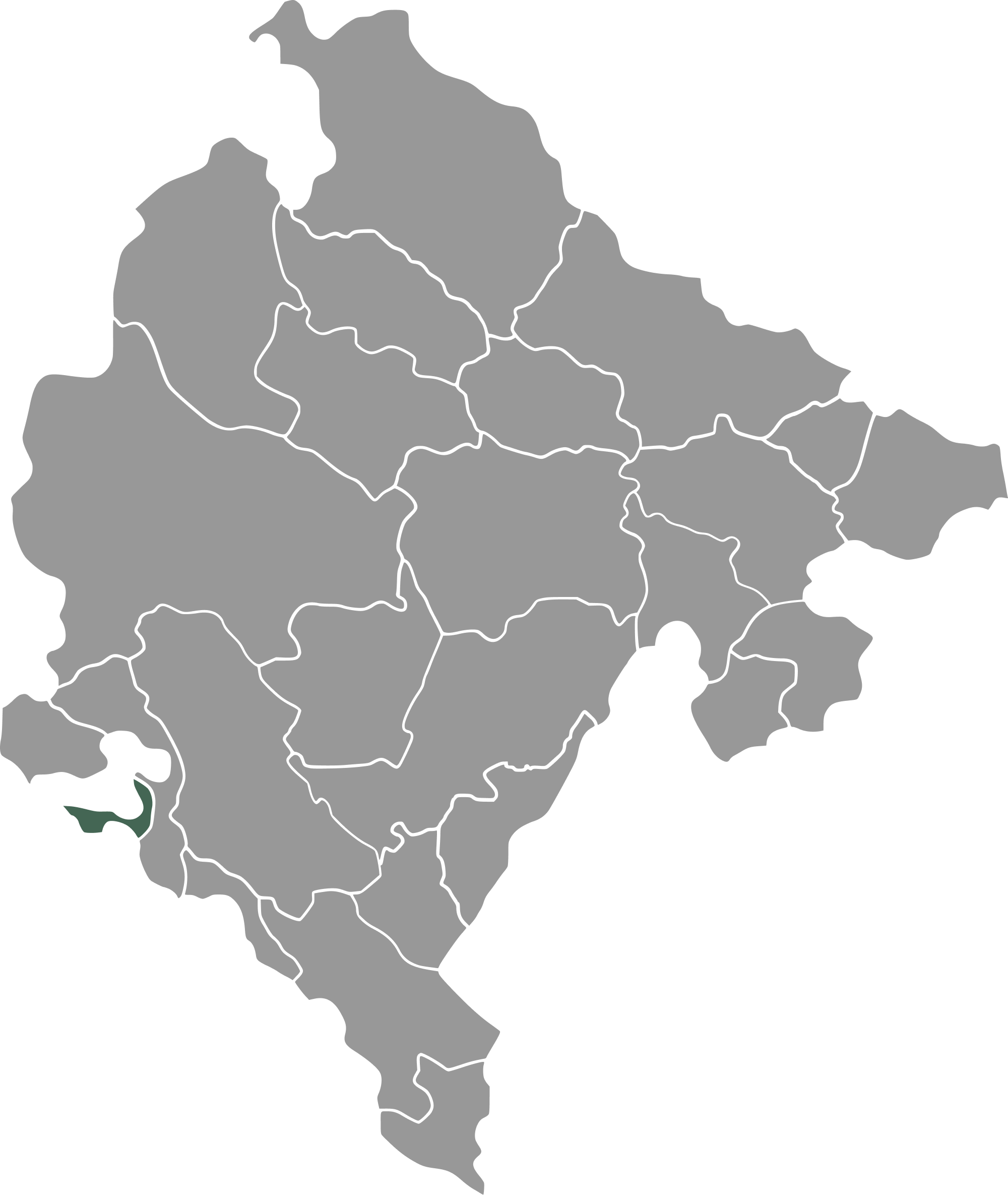
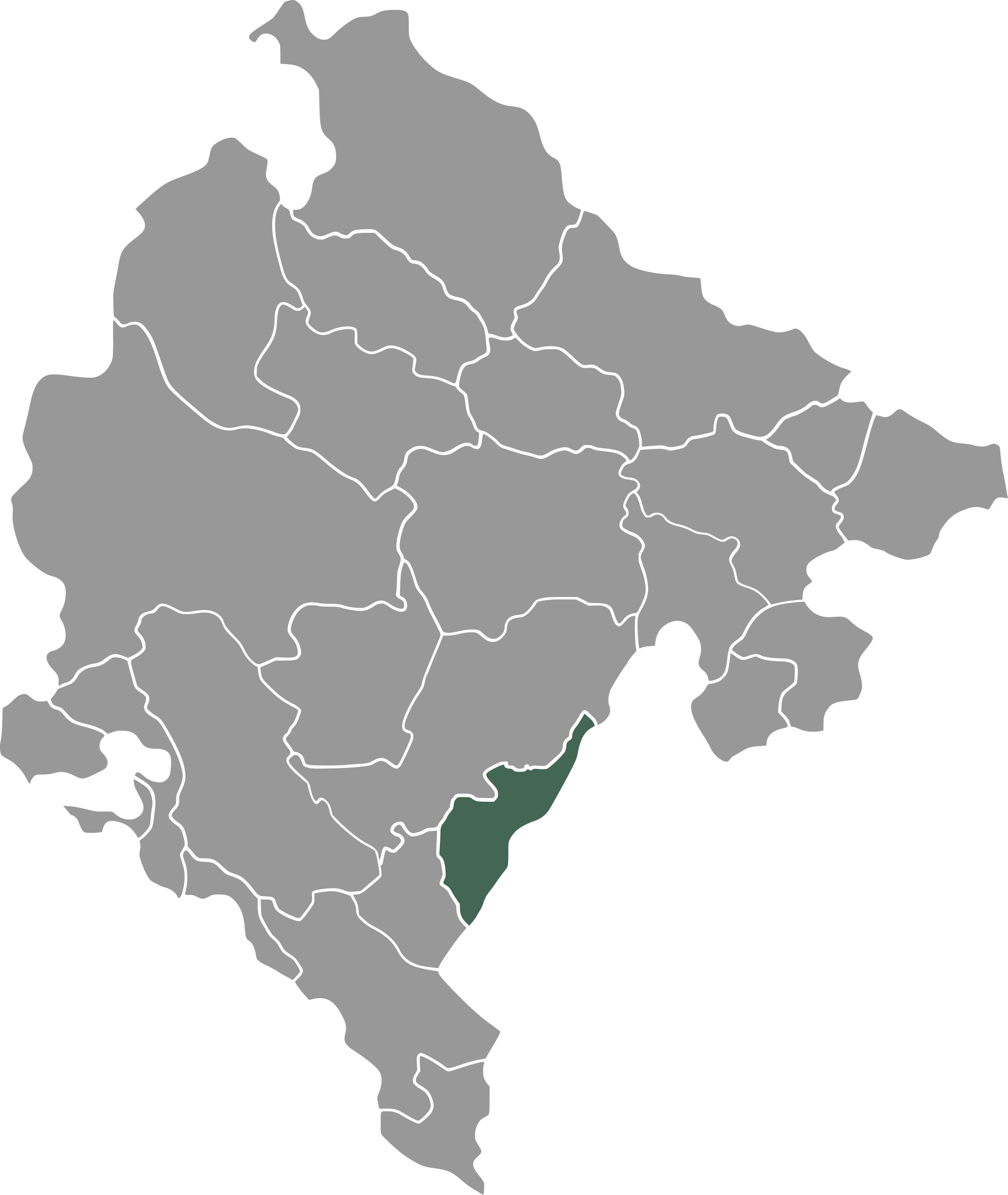
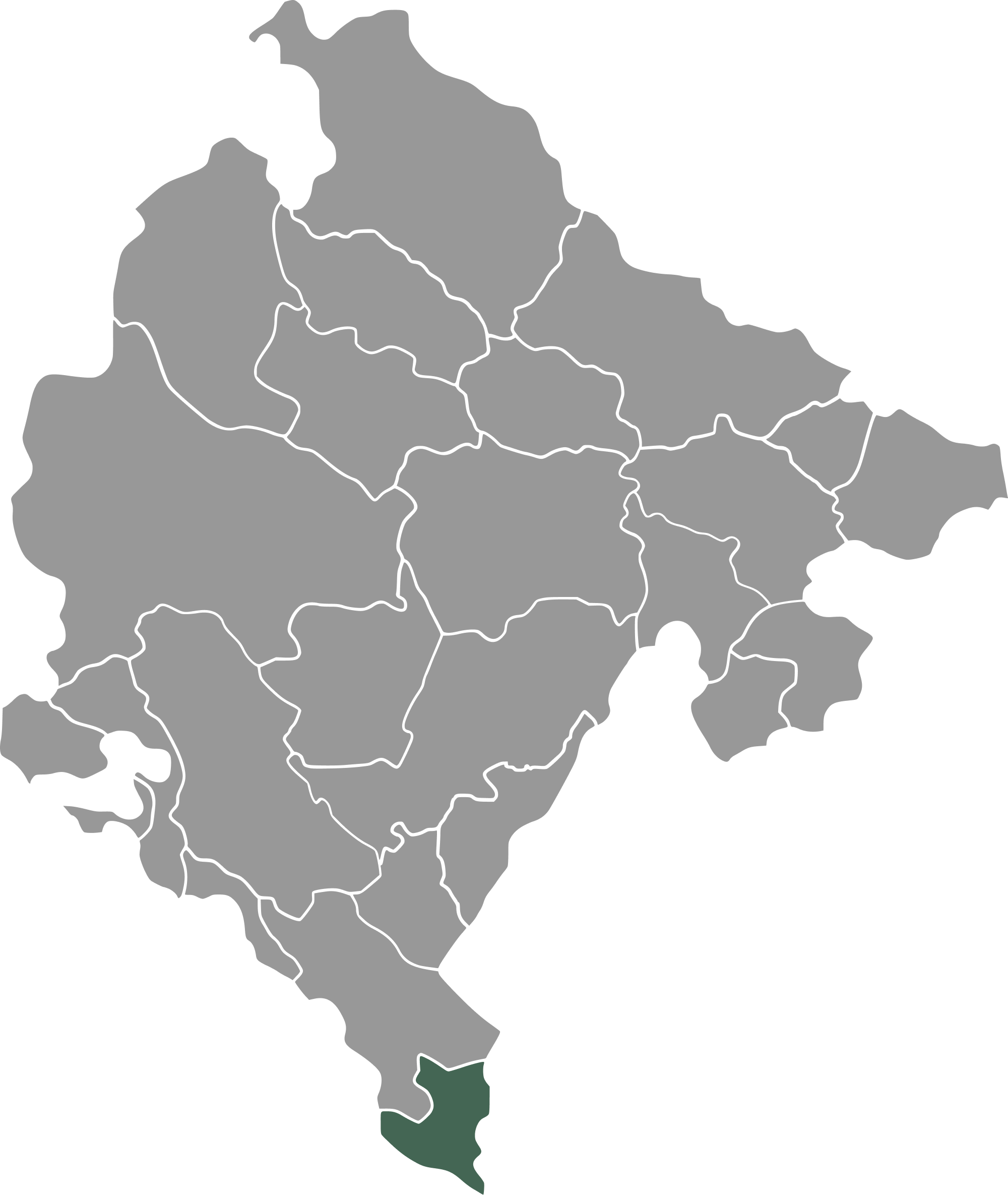
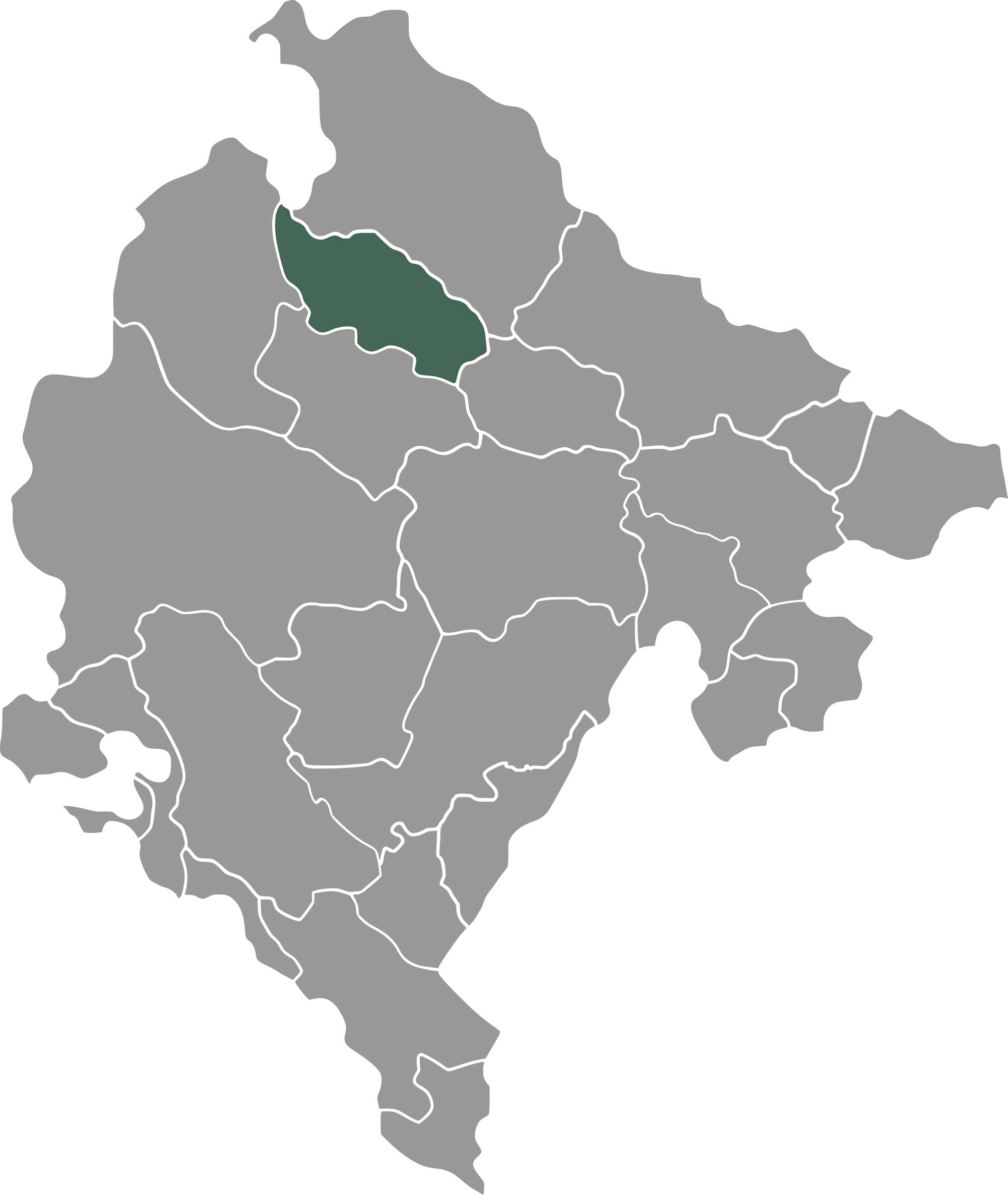
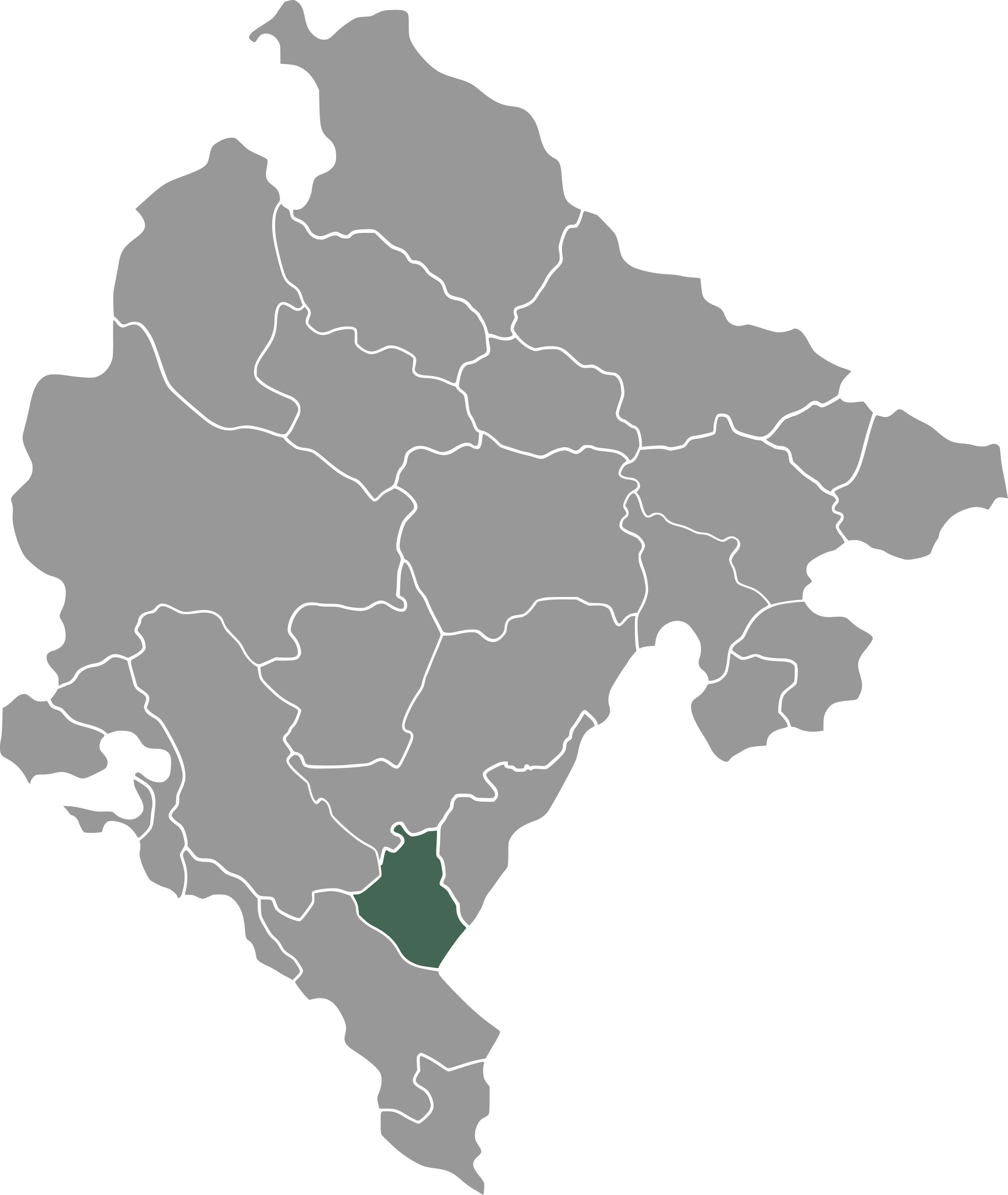
The most famous tourist center, a kind of metropolis of Montenegrin tourism – Budva, is located in the central part of the coast.
The Municipality of Budva covers 122 square kilometers and has slightly less than 27,500 inhabitants, the majority of whom are grouped in the urban core. It is surrounded by the hills of Paštrovići, while offshore lie the island of Sveti Nikola and the peninsula of Sveti Stefan.
This coastal town represents an intriguing blend of the ancient and the modern – while legends 2,500 years old wind through the walls of the Old Town, beaches, festivals, bars… alternate along the shore.
In the past decade, Budva has recorded significant population growth, and the demographic structure itself is mixed – Montenegrins and Serbs are the most numerous, but there are also several thousand residents belonging to various ethnic groups.
The presence of seasonal workers and foreigners, especially during the summer period, further increases the number of people in the town.
The religious structure consists mostly of Orthodox Christians, along with Muslim and Catholic communities, which is reflected in numerous churches, monasteries and mosques in the surroundings, testifying to the city’s multicultural wealth.
The main driver of Budva’s economy is tourism. Budva is the most visited destination in Montenegro; it can boast a well-preserved Old Town, but it gained its reputation primarily as a dynamic summer resort with a large number of beaches, luxury hotels, restaurants, bars and clubs.
The economy is also supported by the Adriatic Fair – one of the largest exhibition spaces in Montenegro, which organizes numerous fairs throughout the year, including the only auto show in the country.
Marina Budva, located next to the city walls, attracts sailors and wealthy guests, but recently it has gained competition in the luxury marina Porto Montenegro in Tivat.
Gambling tourism is also significant, with the hotels Maestral and Splendid offering modern casino complexes.
Budva is surrounded by a spectacular coastline and gentle hills. The most significant beaches are:
● Mogren – a small town beach below the hill Spas, about 350 meters long, divided into Mogren 1 and Mogren 2, and connected by a pedestrian path along the cliff.
● Ričardova glava and Pizana – small beaches next to the walls of the Old Town.
● Slovenska plaža – the longest town beach (1.6 kilometers), complemented by hotels, parks and a promenade.
● Jaz – a wide beach west of Budva, which has become a popular concert and festival venue. At Jaz Beach, concerts by the Rolling Stones in 2007 and Madonna in 2008 were held, which recorded high attendance, both from the domestic audience and from guests from all parts of the world.
● Bečići – a long sandy beach in the neighboring settlement, separated from Budva by the Zavala peninsula.
● Sveti Stefan – an exclusive hotel complex on an island connected by a causeway, known for luxury villas and beaches.
It is also important to mention the island of Sveti Nikola (“Hawaii”), which is one kilometer away from the Old Town. It can be reached by “water taxi”, and the island offers beautiful bathing areas.
In addition to the above, in Budva there are also numerous smaller coves and beaches along Paštrovići, which provide peace and privacy.
The Mediterranean climate with warm and dry summers, mild and rainy winters, and the sea that retains a pleasant temperature until October are the reasons why Budva is considered an ideal destination for a long swimming season.
Although tourists primarily come for the sea and nightlife, Budva has a rich cultural scene:
● Grad teatar (Budva Grad Teatar) – a symbol of Budva’s cultural identity, a festival in July and August that turns the Old Town into a stage for theatre performances, concerts, literary evenings and exhibitions.
● Budva Carnival – a three-day event in April or May, with masked parades, music and dance, a member of the world association of carnival cities and always providing unforgettable entertainment and a true carnival atmosphere.
● In the past, from 1992 to 2010, the pop music event Pjesma Mediterana was held in Budva, similar to the San Remo festival.
As one of the most visited cultural monuments in Montenegro, the Old Town of Budva stands out. Surrounded by Venetian walls, it has preserved a network of narrow streets, squares, churches and museums.
The Budva Museum and the memorial house of Stefan Mitrov Ljubiša preserve archaeological and ethnographic heritage.
Budva has two primary schools and one gymnasium (secondary school). In 2009, the Academy of Knowledge was founded in the Rozino neighborhood – a multifunctional institution housing the city library and the private Faculty of Business and Tourism, representing the core of higher education in the municipality.
Sport is an important segment of life in Budva. The football club Mogren, founded in 1920, was a multiple champion of Montenegro, but was dissolved in 2017. OFK Petrovac represents the municipality in the first league.
Among team sports, volleyball dominates – the club Budvanska rivijera is a multiple state champion and participant in European competitions. Handball and basketball (RK and KK Budvanska rivijera) are also popular, and VK Budva is one of the strong water polo clubs on the Adriatic.
Budva is also ideal for paragliding; the Brajići take-off site, at 700 meters above sea level, offers spectacular views and adrenaline.
Budva is connected by local roads with Podgorica – via Cetinje or through the Sozina tunnel; both routes are about 65–70 kilometers long. The Adriatic Highway connects Budva with other coastal towns, from Ulcinj in the south to Herceg Novi in the north.
Tivat Airport is 20 kilometers away, and Podgorica Airport 65.
Local bus transport (Mediteran Express) connects Budva with Sveti Stefan and other settlements.
The nearest railway station is in Sutomore on the Belgrade–Bar railway line, 30 kilometers from Budva.
The beauty of the coastline, a diverse choice of accommodation, vibrant nightlife and a rich cultural program make Budva an ideal destination for all generations – from families enjoying the beaches of Mogren and Bečići, to young people eager for fun in the clubs along the promenade.
With attractive islands, the Old Town, festivals and diverse sports activities, Budva is the heart of the Montenegrin Riviera and one of the most desirable places in the Mediterranean.
View listings in Budva