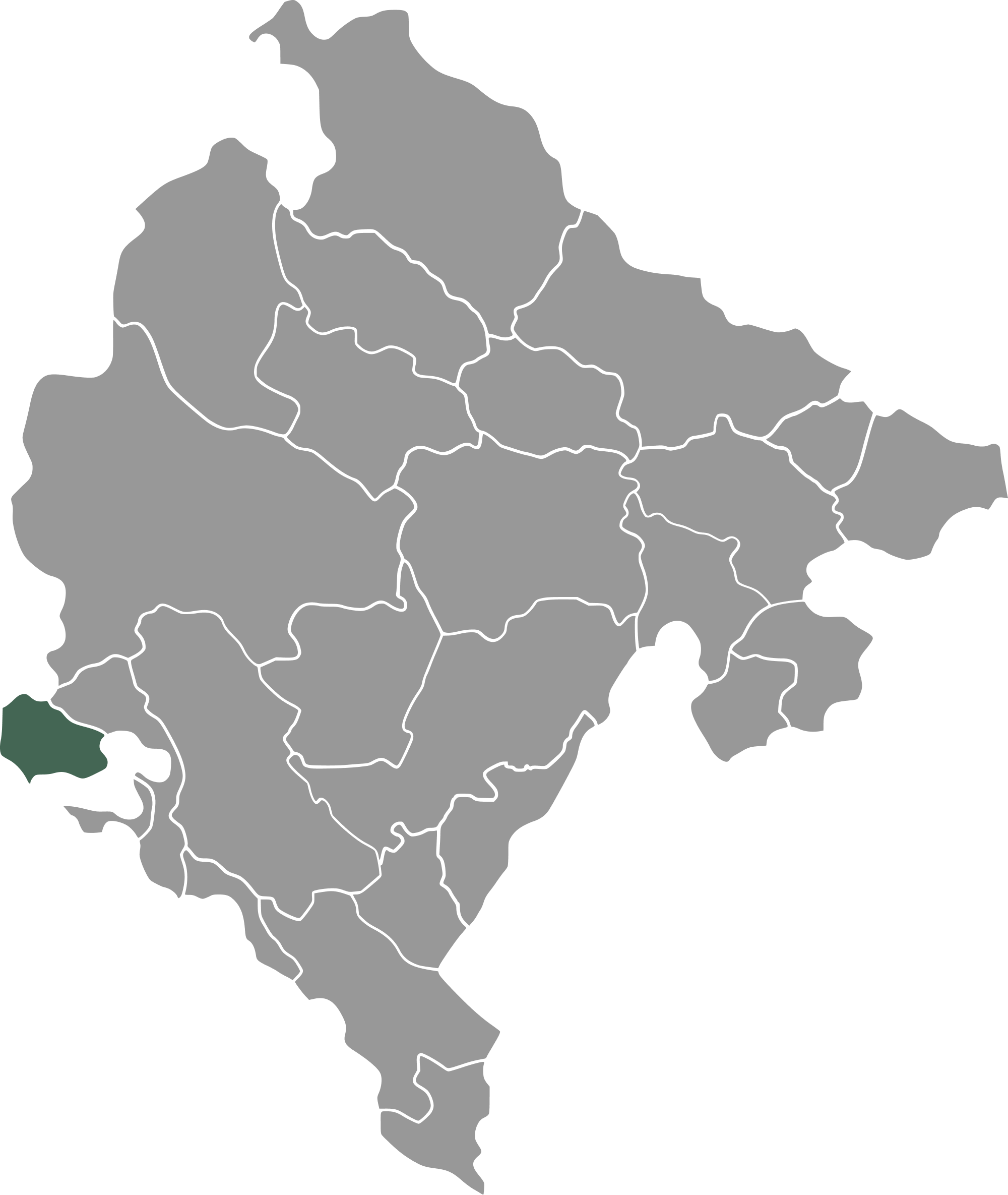
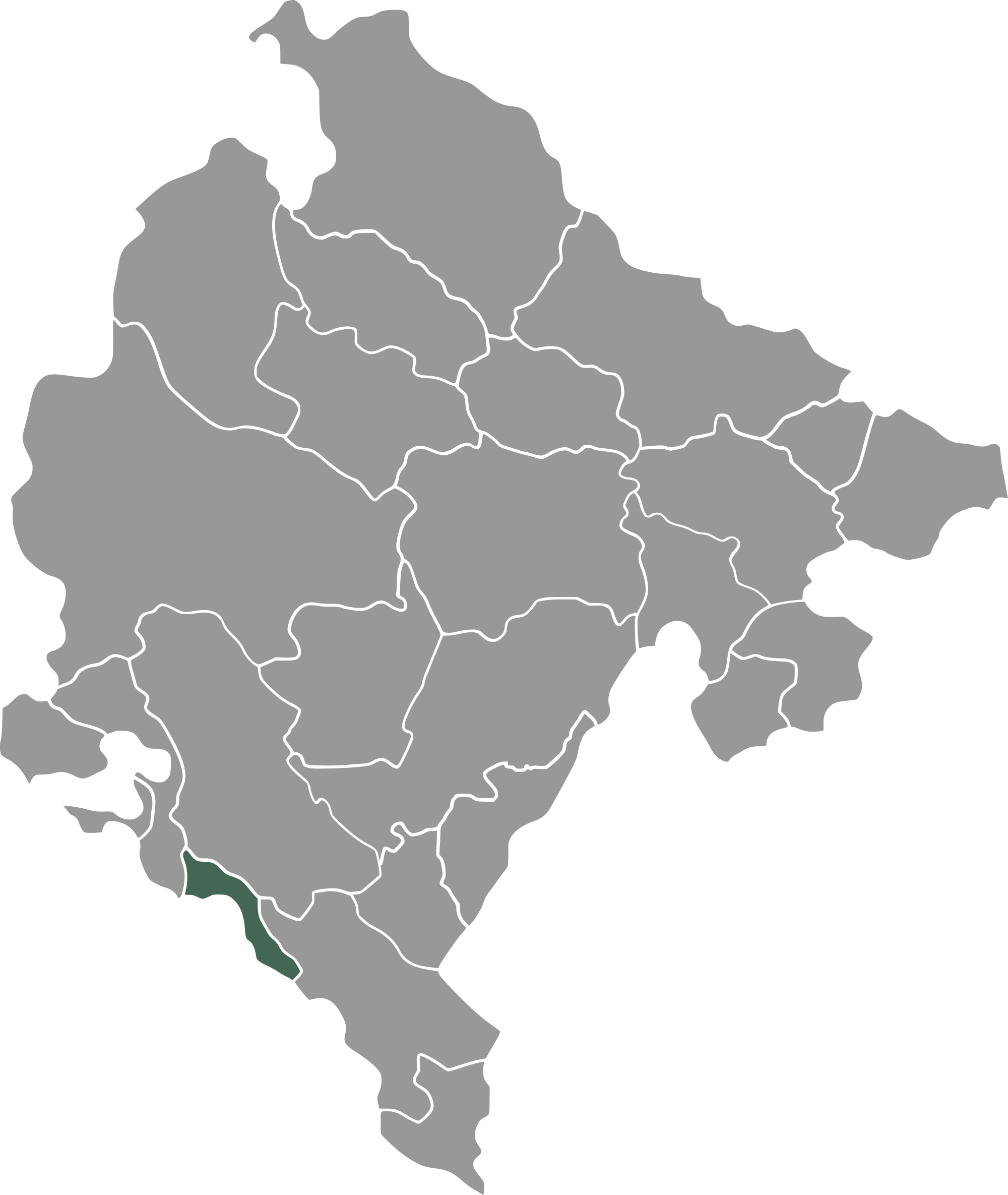
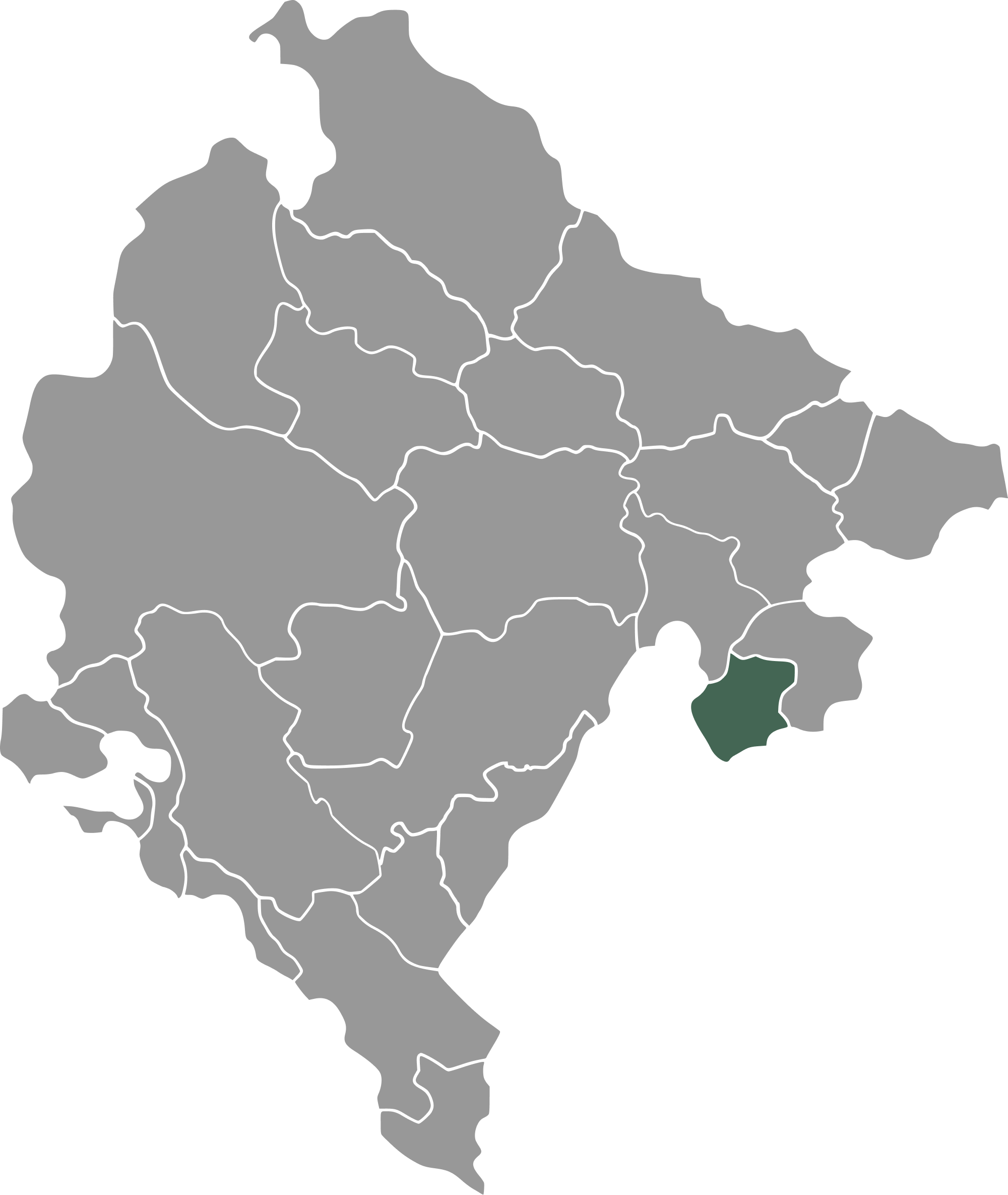
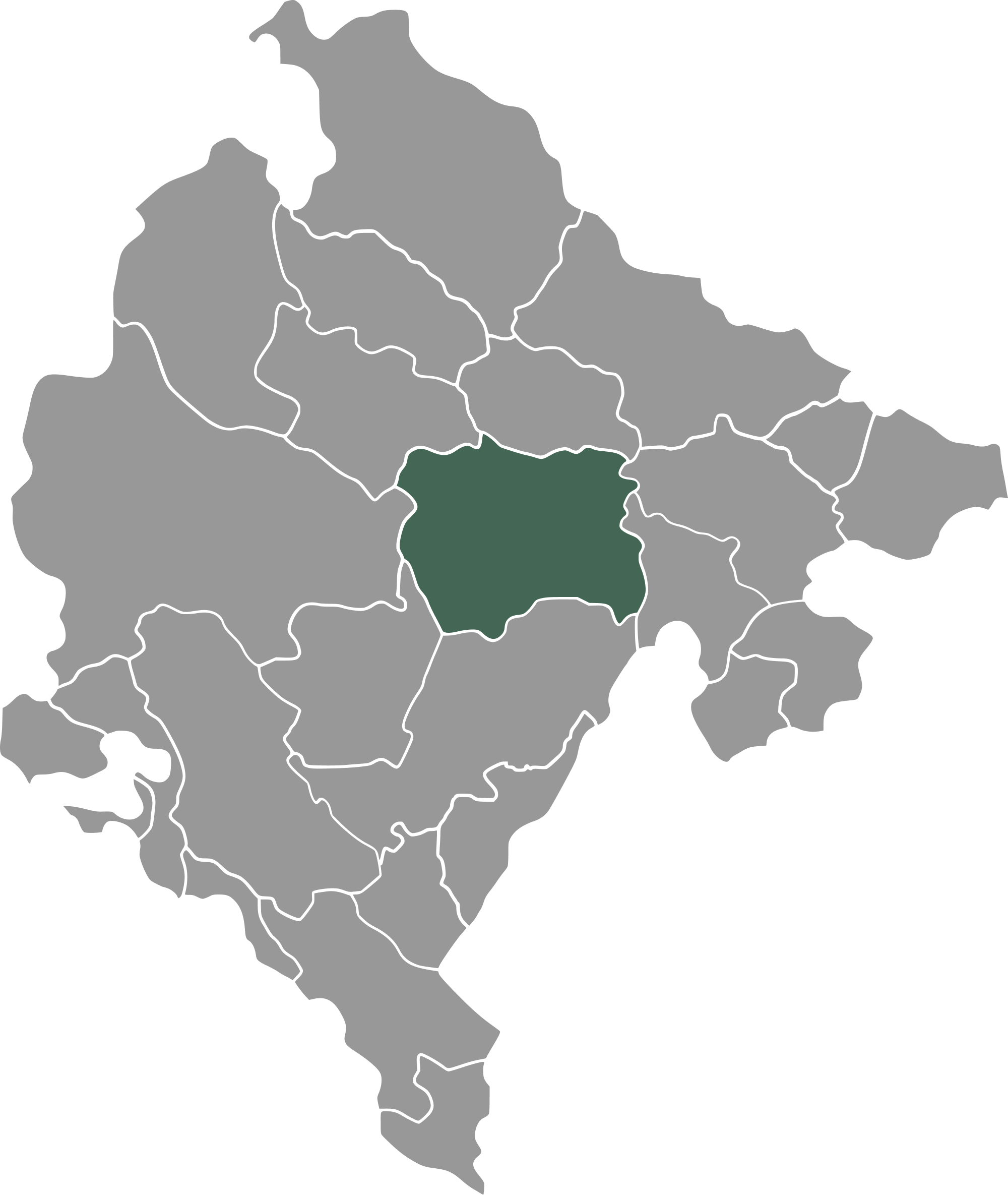
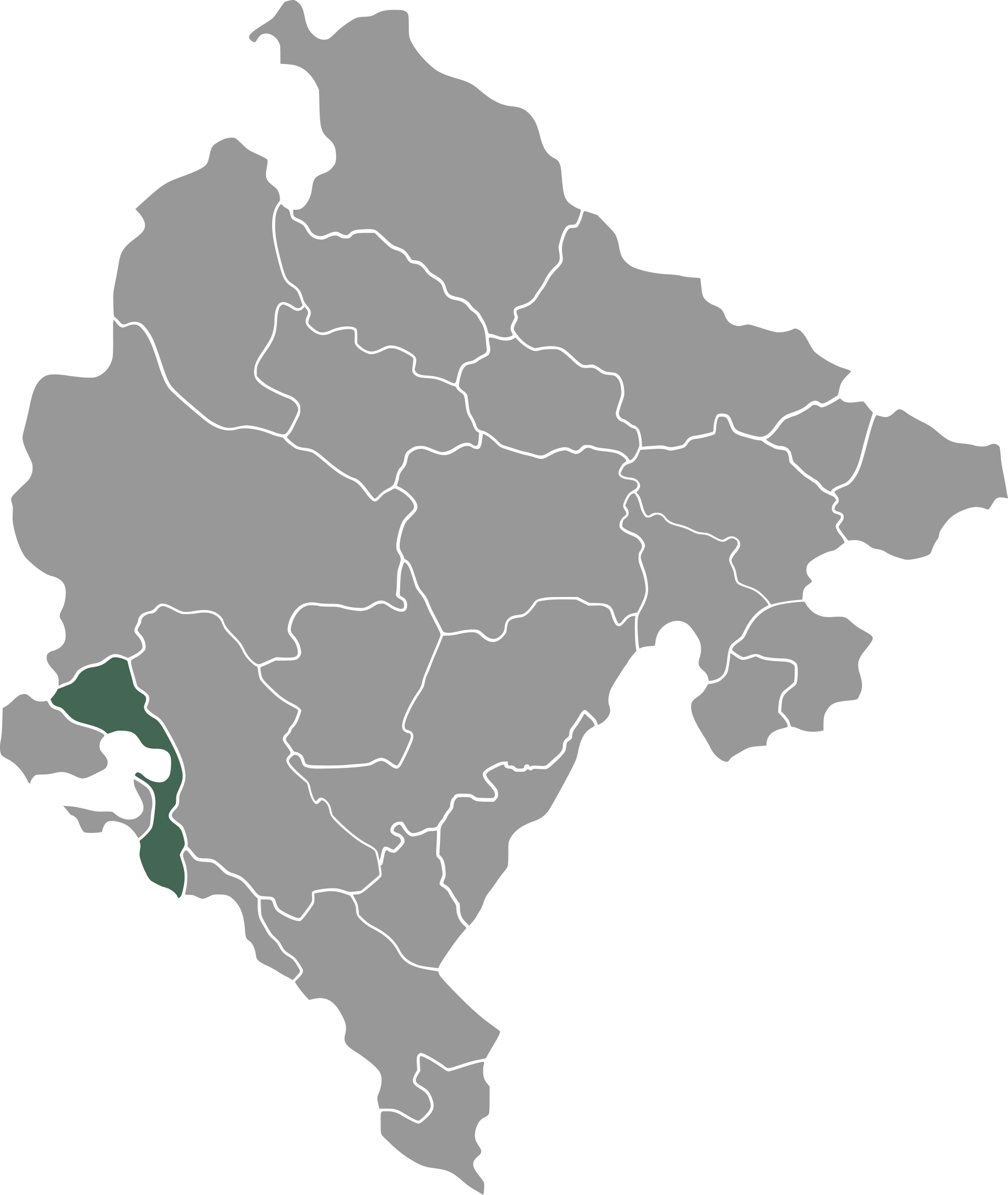
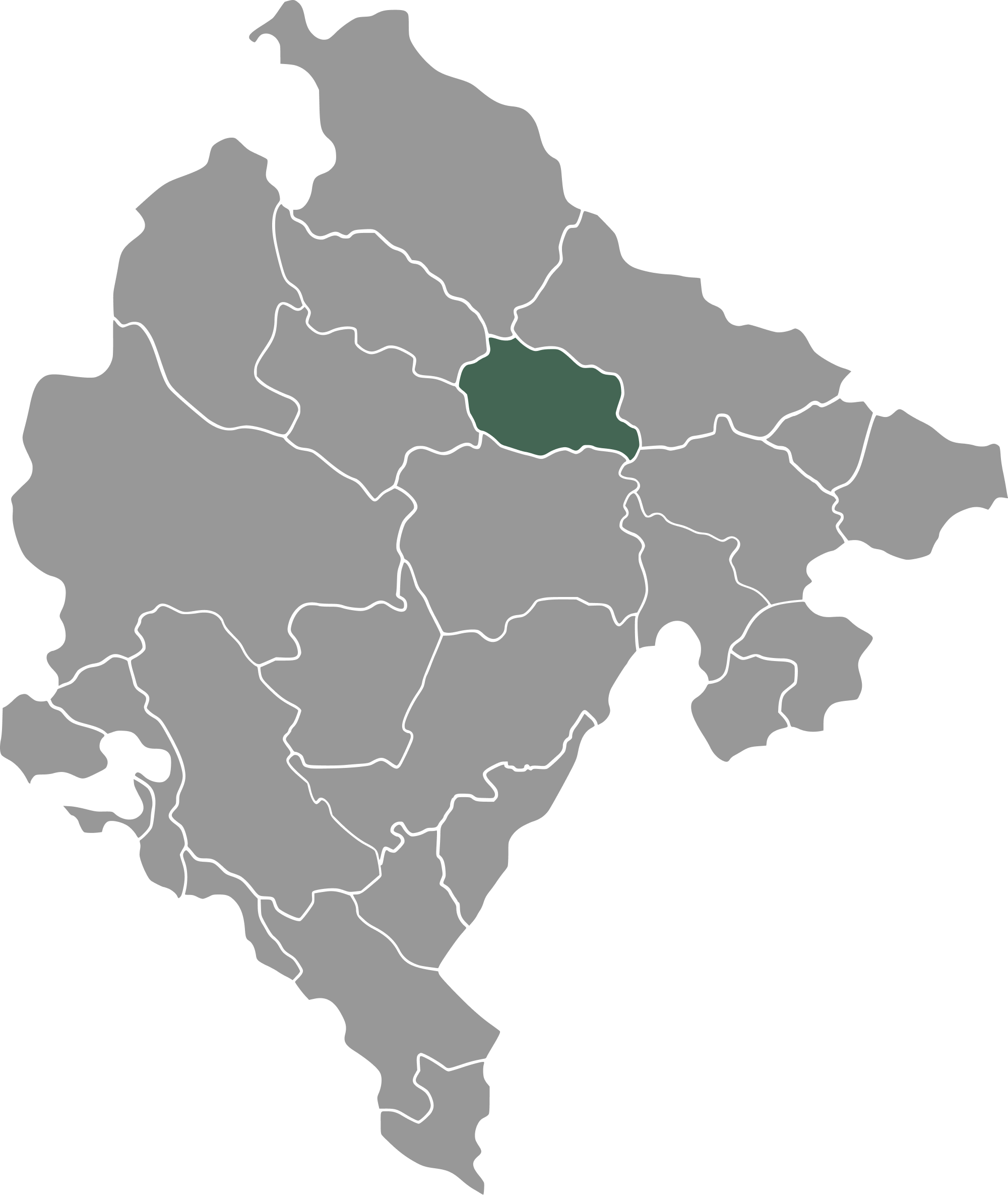
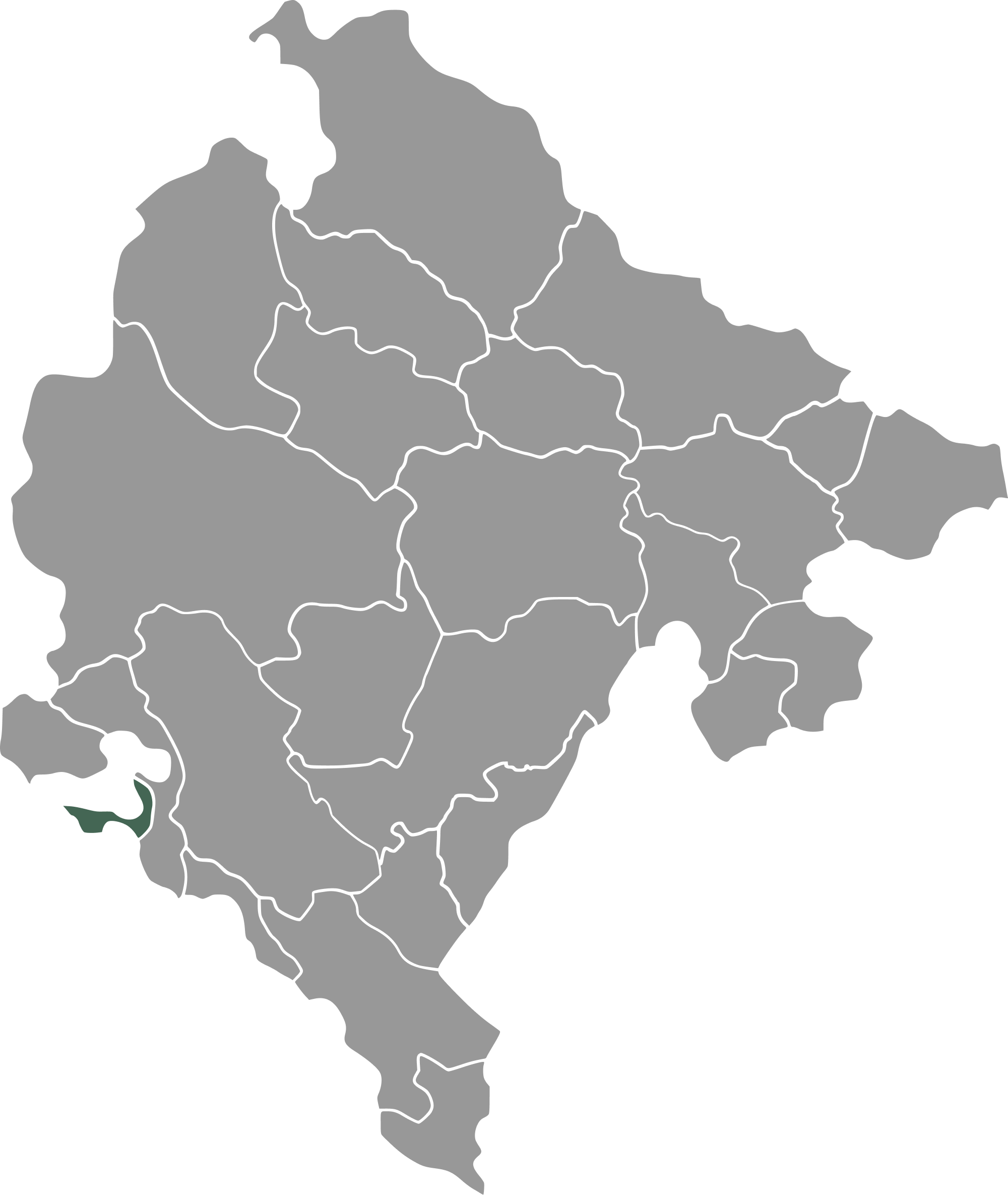
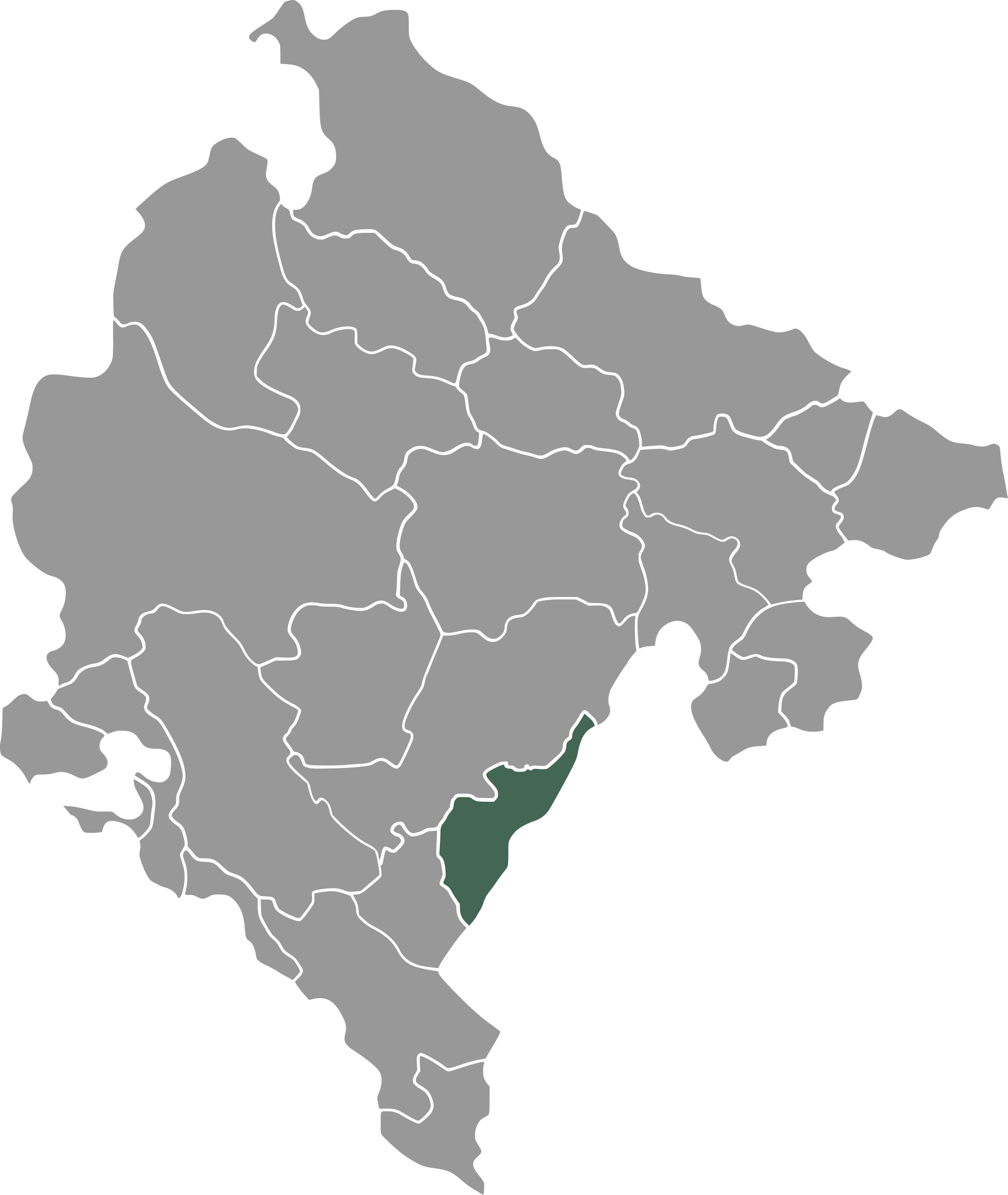
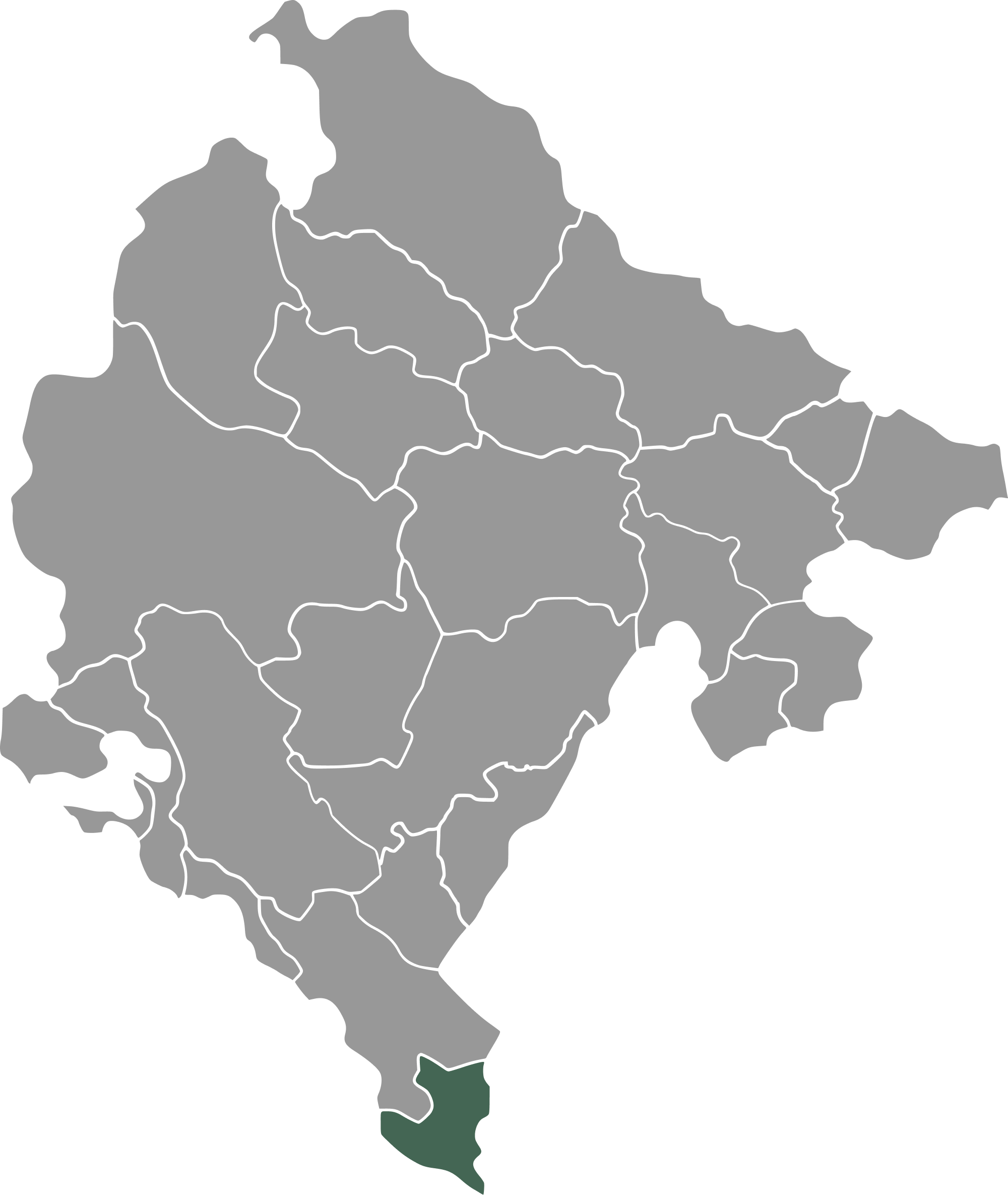
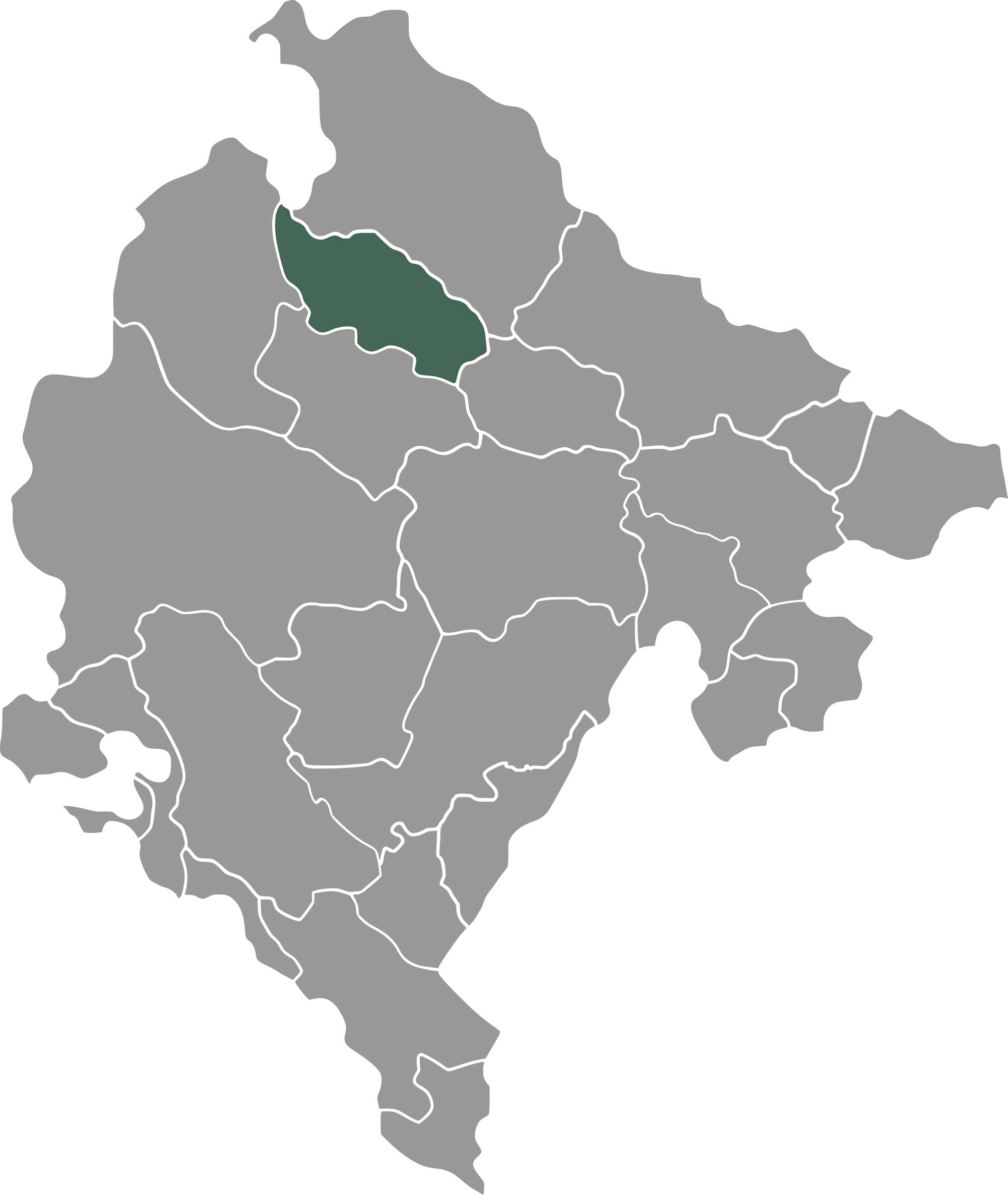
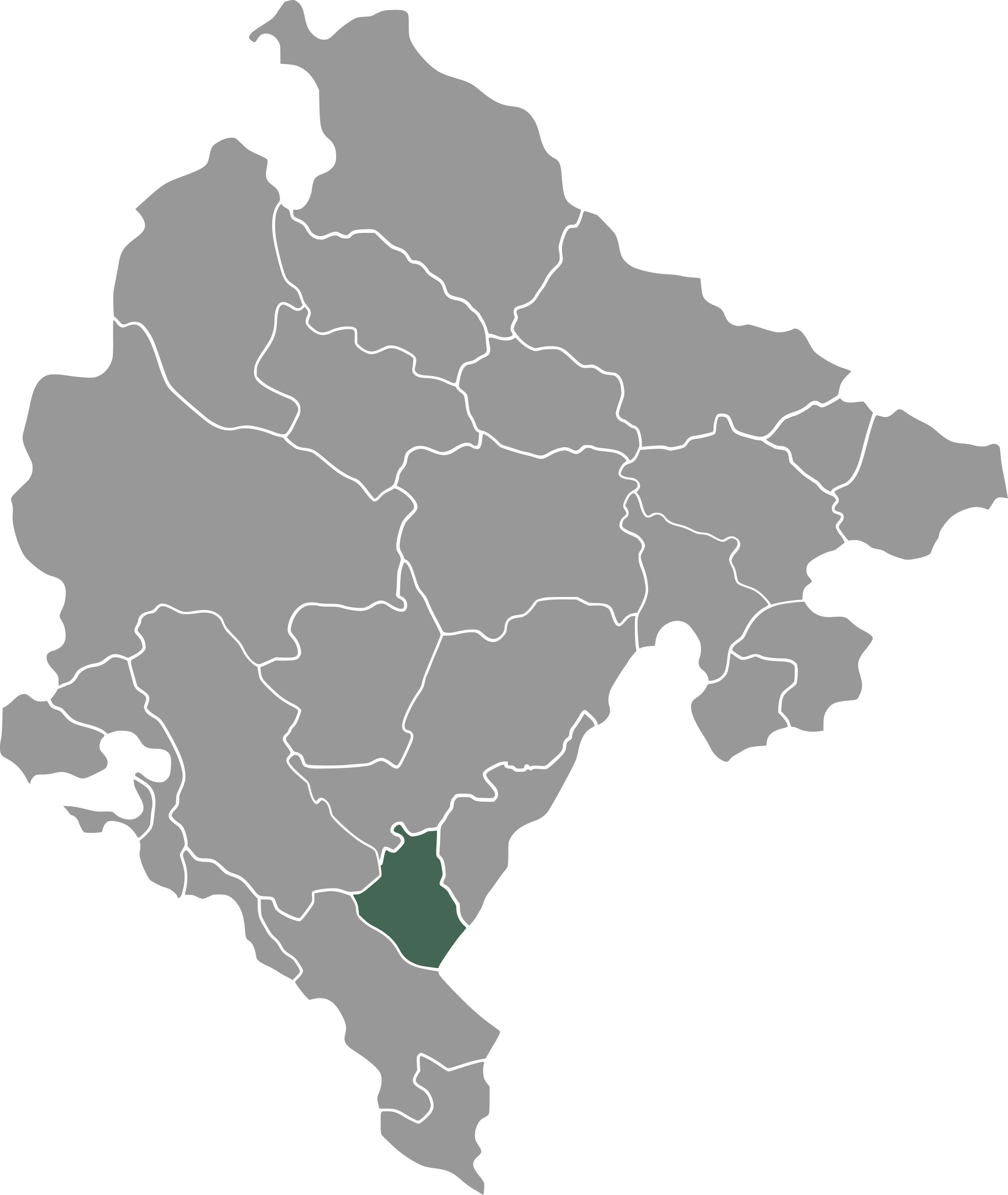
“The town of many stairways”, Herceg Novi is located at the entrance to the Bay of Kotor, near the border with Croatia, and is the westernmost town on the Montenegrin coast.
It covers 235 square kilometres and stretches from the Luštica Peninsula in the south to the peak of Mount Orjen in the north. The administrative centre is the town of Herceg Novi, which together with Igalo, Sutorina, and Zelenika forms a continuous urban belt along the sea. It is estimated that around 30,000 people live in the municipality, most of whom work in tourism and services, while the villages inland are increasingly turning toward agriculture and rural tourism.
Herceg Novi is ethnically diverse: the majority are Montenegrins and Serbs, with a significant share of Bosniaks, and a smaller share of Albanians and Croats. Orthodox Christians are the most numerous, followed by Catholics, then Muslims.
The urban area has a larger population during the summer season, when tourists and seasonal workers arrive. The settlements of Igalo and Topla are known for their large number of residents whose roots are in Herzegovina and Dalmatia, while Zelenika and Kumbor are historically maritime settlements.
Herceg Novi is a tourism-oriented town, whose development owes most to the healing mud and mineral springs in nearby Igalo. The municipality is known as a spa and health resort. The “Dr Simo Milošević” Institute in Igalo specializes in thalassotherapy and balneology, so patients from all over the world come for rehabilitation and recreation. The combination of sea salt and healing mud has made Igalo one of the best known centres of medical tourism in the Mediterranean.
The tourism economy is complemented by small scale shipbuilding, vessel services, and maritime schools. Crafts and trades such as masonry, stone carving, and glasswork have a tradition that continues to this day.
The mountain village of Orjenski Bori, as well as the rural settlements of Vrbanj and Krusevice, are becoming popular destinations for eco tourism and hiking.
Herceg Novi has a humid subtropical climate with clear Mediterranean characteristics, and around 200 sunny days a year. Winters are mild, and summers are warm and sunny.
Herceg Novi is also known as the “town of mimosa”, because the yellow mimosa flower is grown on the slopes of Orjen and blooms as early as January. Orange, mandarin, lemon, fig, and olive trees bear abundant fruit thanks to the warm climate.
The surrounding area includes:
• Mount Orjen, the highest peak of the coast, with rocky summits, meadows, and beech forests. It is suitable for hiking, cycling, and winter adventures.
• Luštica, a peninsula with authentic villages, olive groves, and bays such as Žanjice and the Blue Cave. By land and sea, it connects Herceg Novi with Tivat.
• Portonovi, a modern luxury settlement and marina located at the entrance to the Bay of Kotor, in the village of Kumbor. It was built on the site of a former military barracks and today represents one of the most prestigious tourist complexes in Montenegro, known for its superyacht marina, elegant architecture that blends Mediterranean and contemporary style, and its landscaped seafront promenades. Portonovi is home to luxury hotels, restaurants, cafés, shops, and private residences. It is especially significant because it also features the first One&Only resort in Europe, which has further boosted the area’s international profile.
• Beautiful beaches are scattered throughout the municipality: from the town beaches of Škver and Meljine, through the pebbled Žalo Beach in Zelenika, to the coves of Luštica and the small pebbly beaches near Kamena kula and Forte Mare.
Herceg Novi was founded in 1382 under the name Sveti Stefan. Throughout history it was ruled by Bosnian kings, Venetians, Ottomans, Spaniards, Habsburgs, and Napoleon. This rich past has left behind distinctive fortresses, churches, and palaces:
• Forte Mare (the town fortress), built in the 14th century, is a cultural and historical monument that offers a spectacular view of the bay. During the summer, the amphitheatre inside the fortress serves as a stage.
• Kanli Kula, an Ottoman fortress converted into an open air summer stage, stands out for its stone stairways and walls.
• The Clock Tower (Sahat Kula), dating from 1667, is one of the symbols of the town and was commissioned by Sultan Mahmud.
• Savina Monastery, a Baroque Orthodox complex from the 17th and 18th centuries, is known for its icons and illuminated manuscript.
• Churches such as the Catholic Church of St Jerome in the Old Town and the Orthodox Church of St Archangel Michael adorn the main square, Belavista. In the village of Sasovići stands one of the oldest mosques in the Bay of Kotor.
• Topla Palace (Dom nobila) and Ivo Andrić House, the memorial house of the Nobel Prize winner who spent a large part of his life in Herceg Novi.
Several museums, galleries, and libraries preserve archaeological and ethnographic collections, while the town walls tell the story of hundreds of years of maritime trade and battles.
Herceg Novi is often also called the “town of stairways” because it was built on steep slopes above the sea, so throughout much of the town there are stairways connecting squares, fortresses, houses, and churches set at different elevations.
Herceg Novi hosts many cultural and sporting events:
• The Mimosa Festival, a traditional celebration lasting several weeks from February to March. Alongside carnival parades, a mimosa fair, and a fishermen’s lunch, the programme includes concerts, exhibitions and regattas.
• The Herceg Novi Film Festival, which screens local and European films on the summer stage of Kanli Kula.
• Guitar Art Summer Fest, a summer festival of guitar and jazz.
Herceg Novi has several primary schools and a grammar school. At the beginning of the 21st century, the Faculty of Management Herceg Novi was opened. There are also plans to adapt the Igalo Institute into a medical campus with international programmes. The town has a health centre and Meljine General Hospital, while specialized services are provided by the “Dr Simo Milošević” Institute.
Herceg Novi is a centre of water polo. The Jadran club won the LEN Cup in 1986 and 2004 and is a multiple champion of Montenegro. The Igalo town stadium is used by the football club FK Igalo 1929 and youth teams.
Handball and basketball also have many competitors. Mountaineering clubs organize hikes to Orjen and Lovćen, while local clubs promote sailing, kayaking, and diving. Numerous cycling and hiking trails begin in the villages of Kameno or Baošići and lead to the peaks of Orjen.
Herceg Novi is connected by the Adriatic Highway to Kotor and Budva to the southeast, while the Kobila border crossing leads into Croatia toward Dubrovnik.
The Kamenari to Lepetani ferry shortens the route to Tivat and Kotor. Tivat Airport is about 25 km away, while Dubrovnik Airport is 30 km away.
Planned projects include the Verige Bridge and a new main road along Luštica, which would ease the load on the old coastal highway.
Breakwaters in Škver, Zelenika, and Kumbor receive yachts and tourist boats. From the most remote coves, taxi boat services to the beaches are available.
Herceg Novi brings together the healing power of the sea, mud, and air with a rich culture and diverse nature. In a single day you can swim in Žanjice Bay, visit the Forte Mare fortress, have coffee by the sea walls, watch the sunset from Kanli Kula, and stroll along the Plane Tree Avenue.
During the Mimosa Festival, the town is scented with flowers and long promenade processions, while summer nightlife comes alive with dancing, film screenings, and music under the stars. With more sunny days than any other town on the coast, warm summers, and mild winters, Herceg Novi is ideal for a holiday, a therapeutic stay, and discovering the natural beauty of the Bay of Kotor.
View listings in Herceg Novi