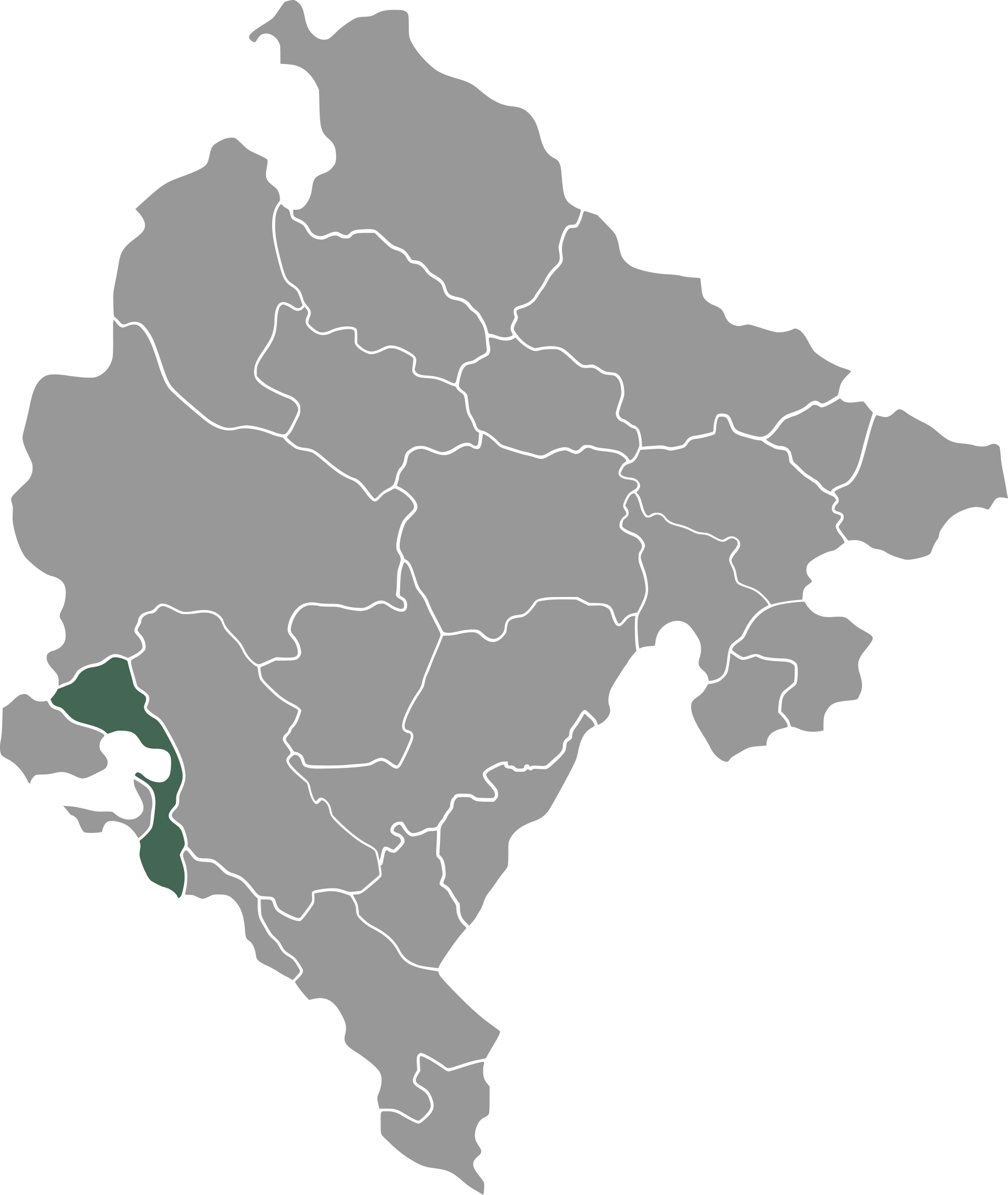
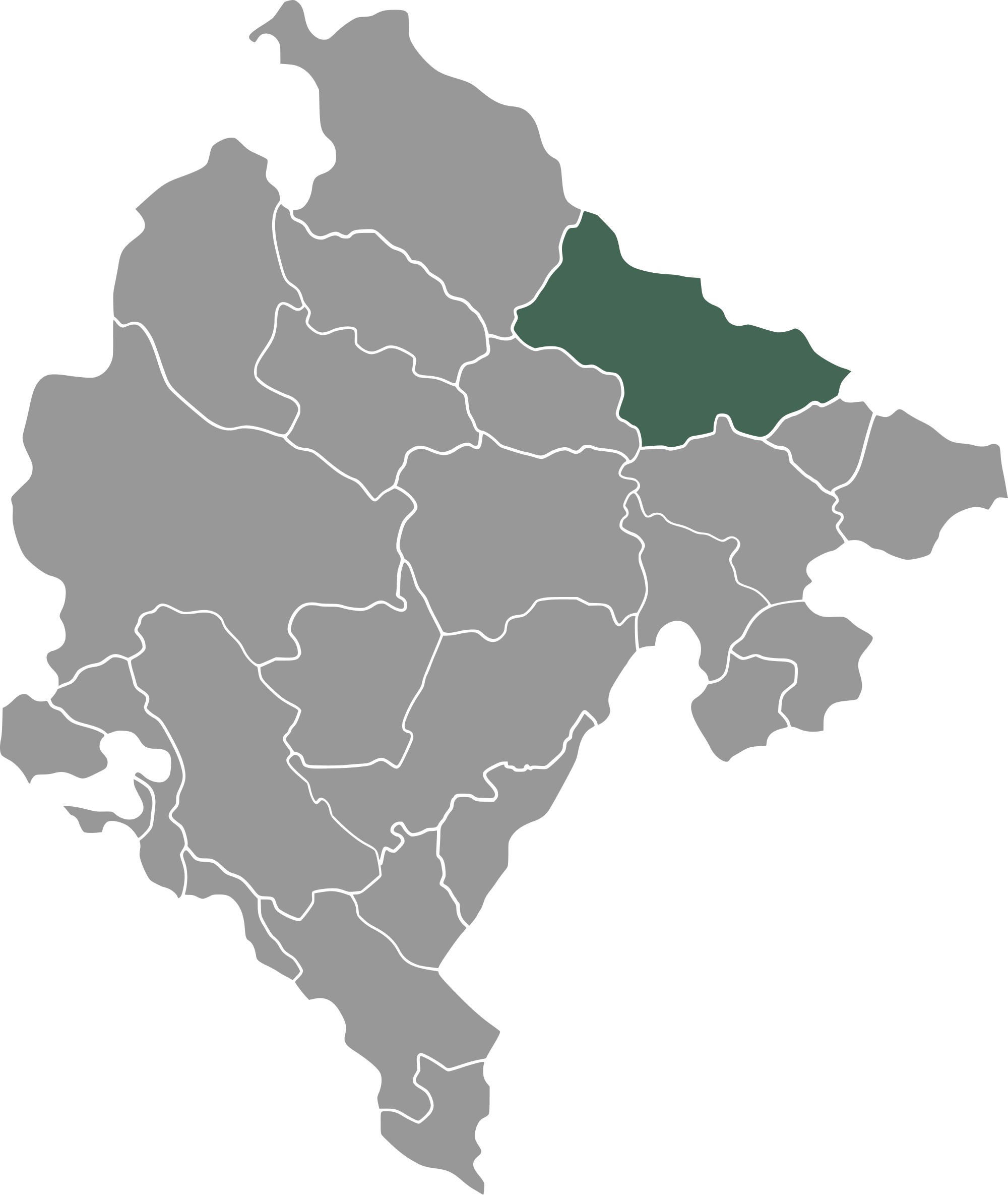
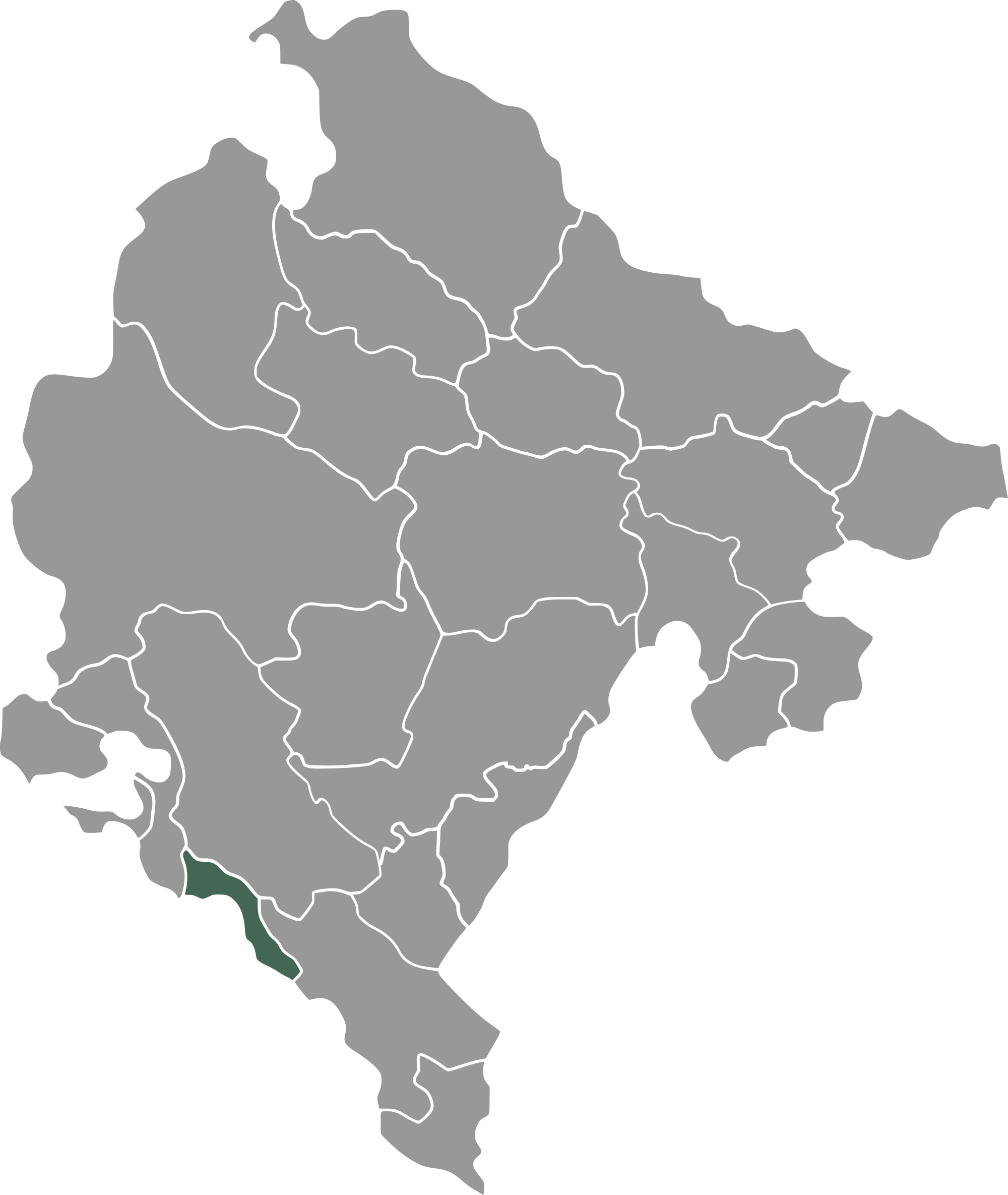
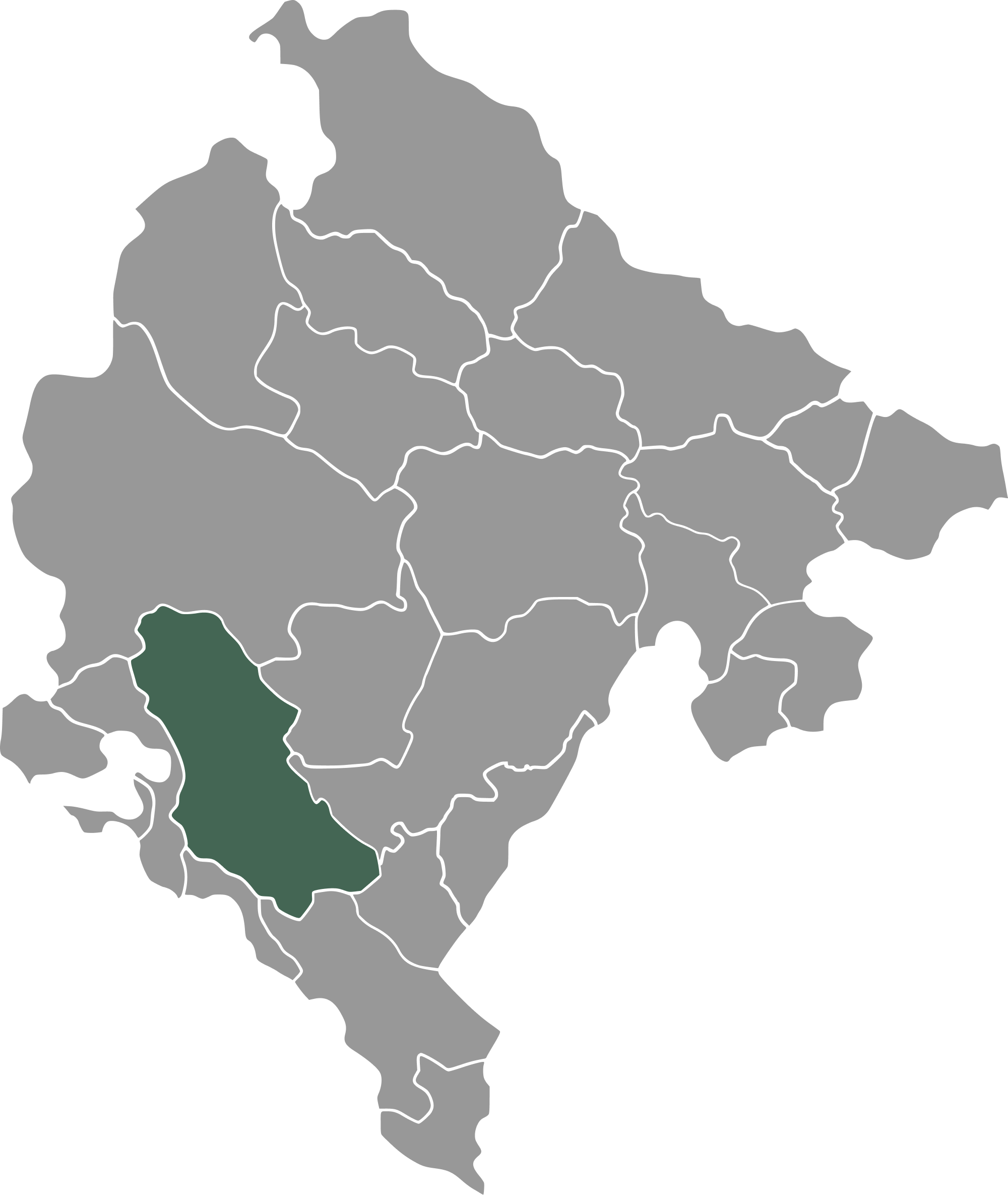
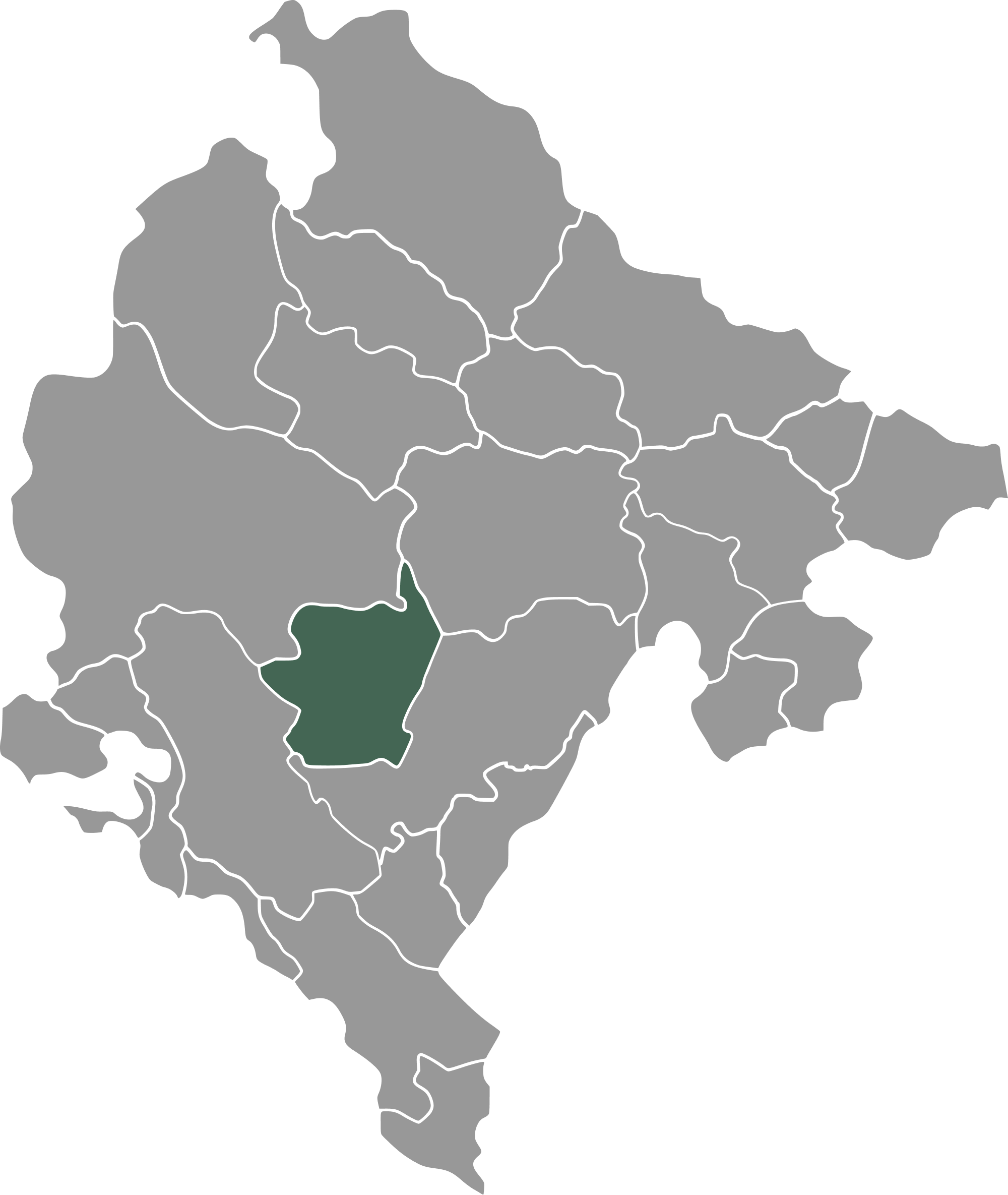
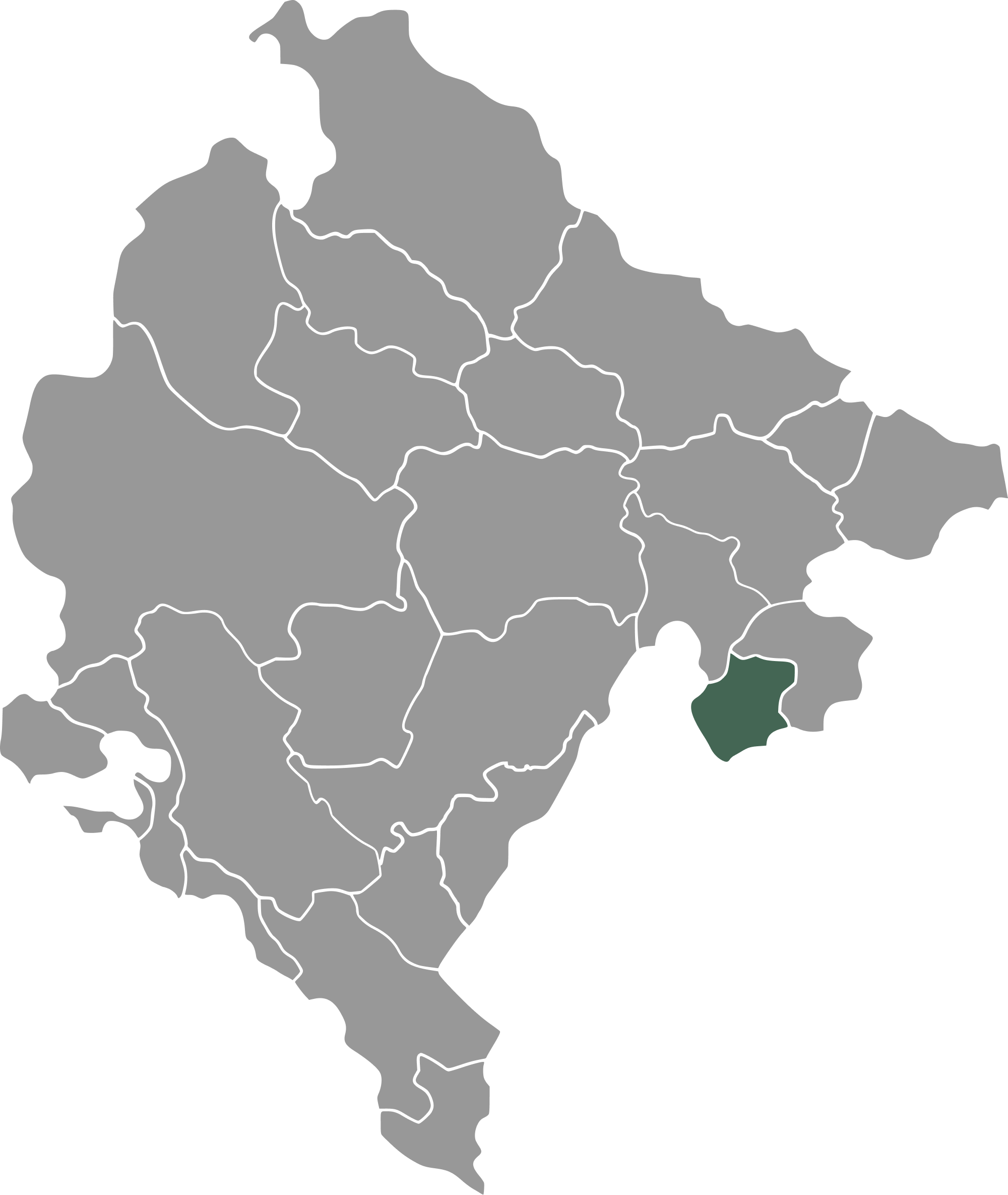
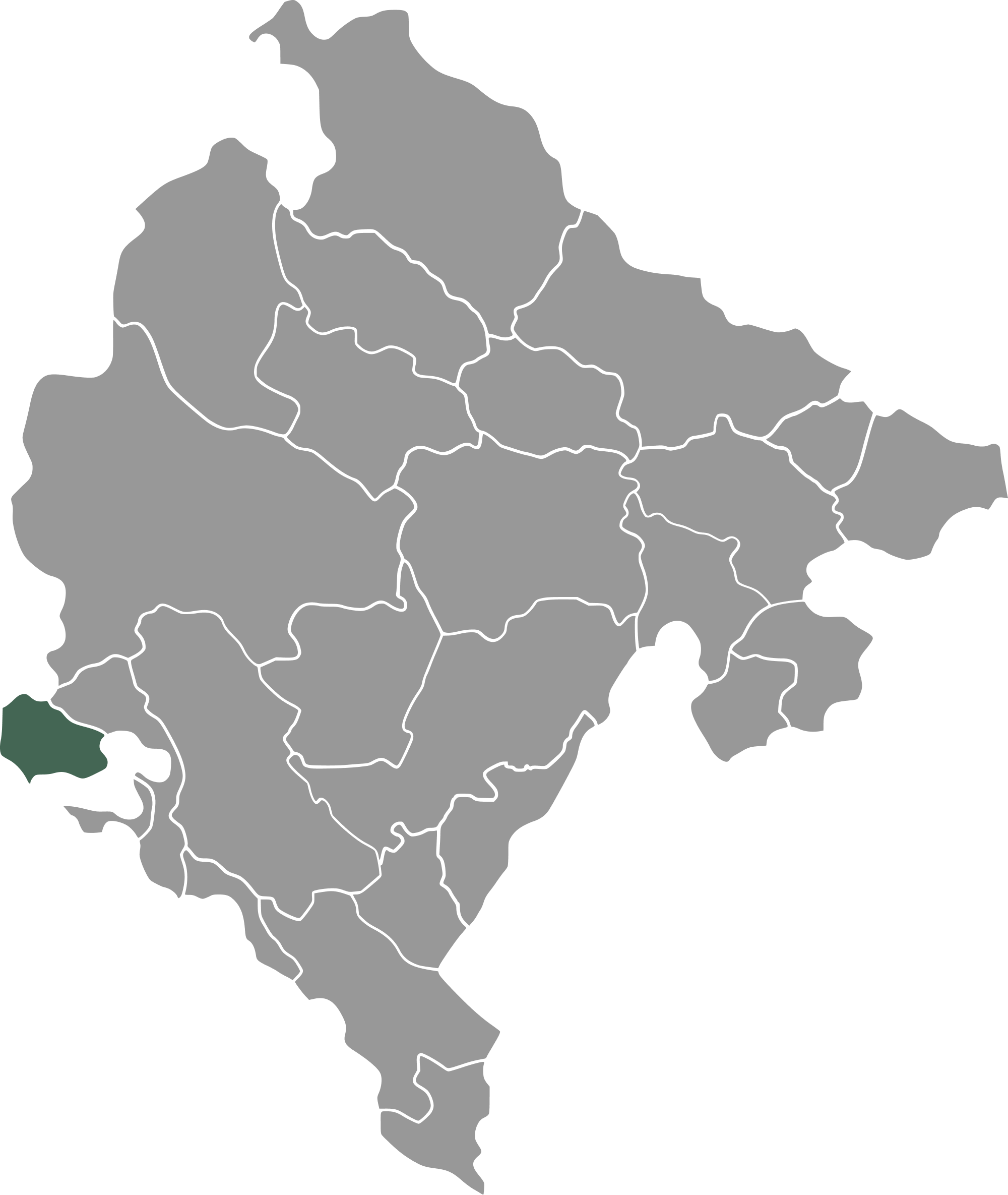
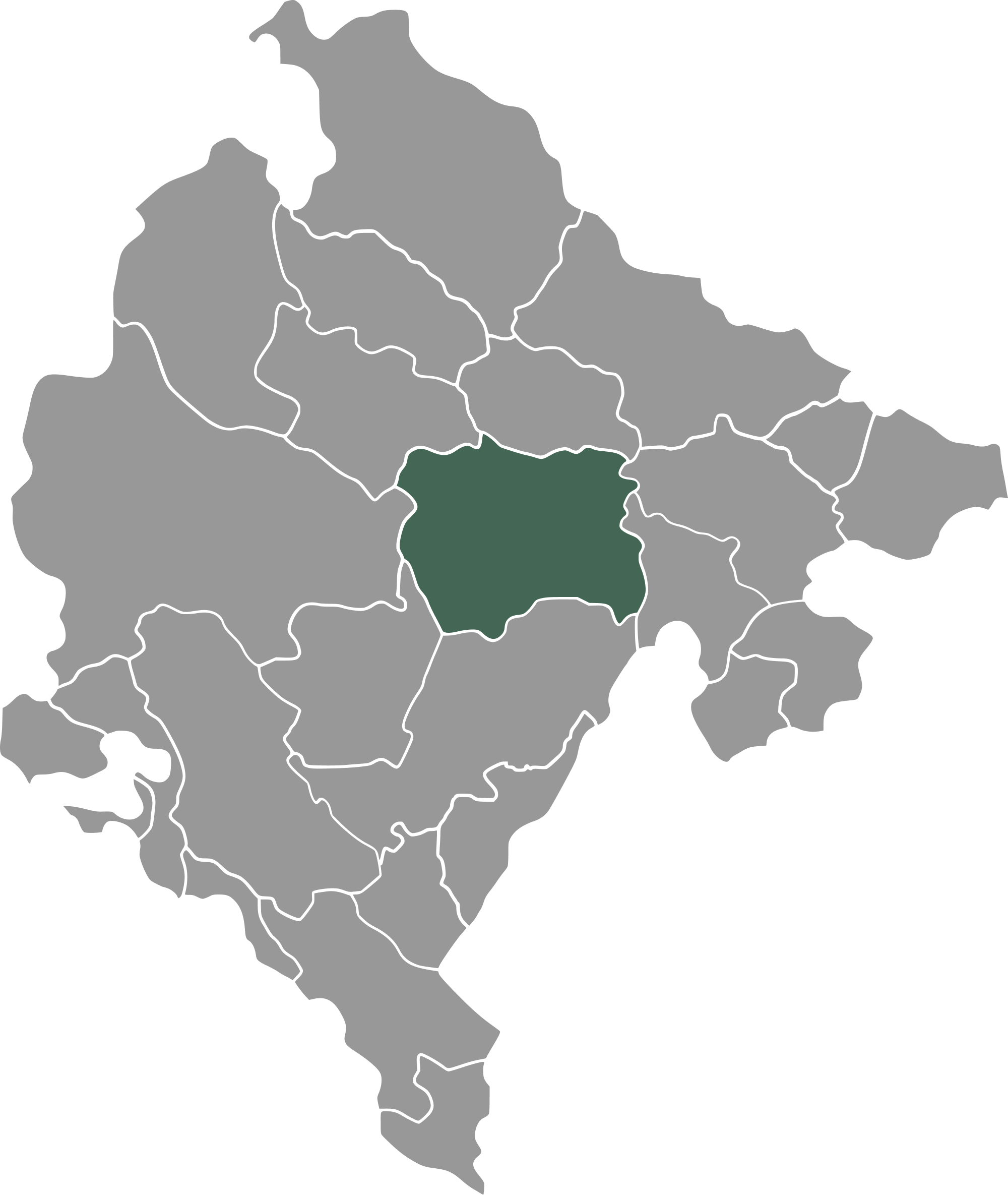
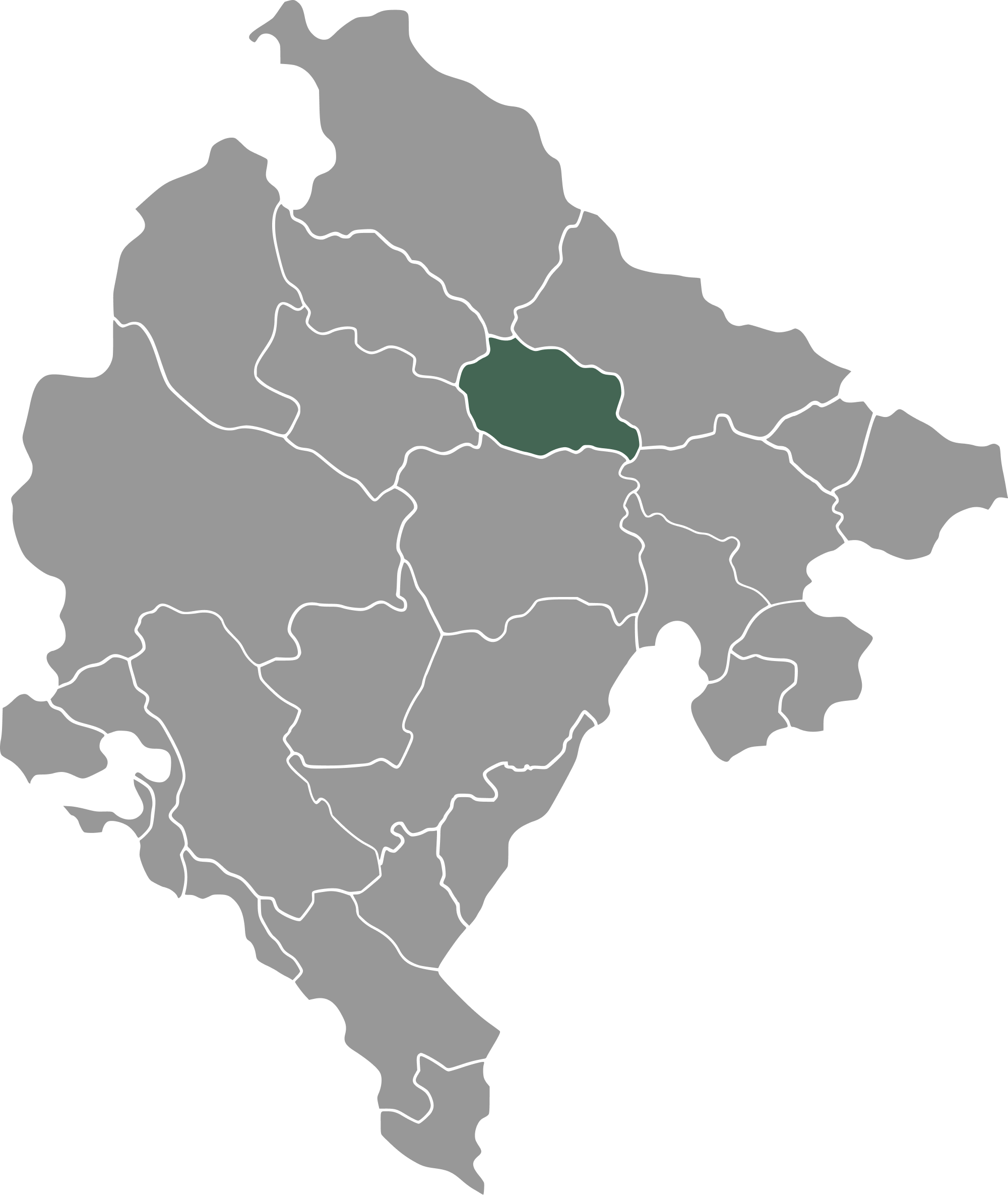
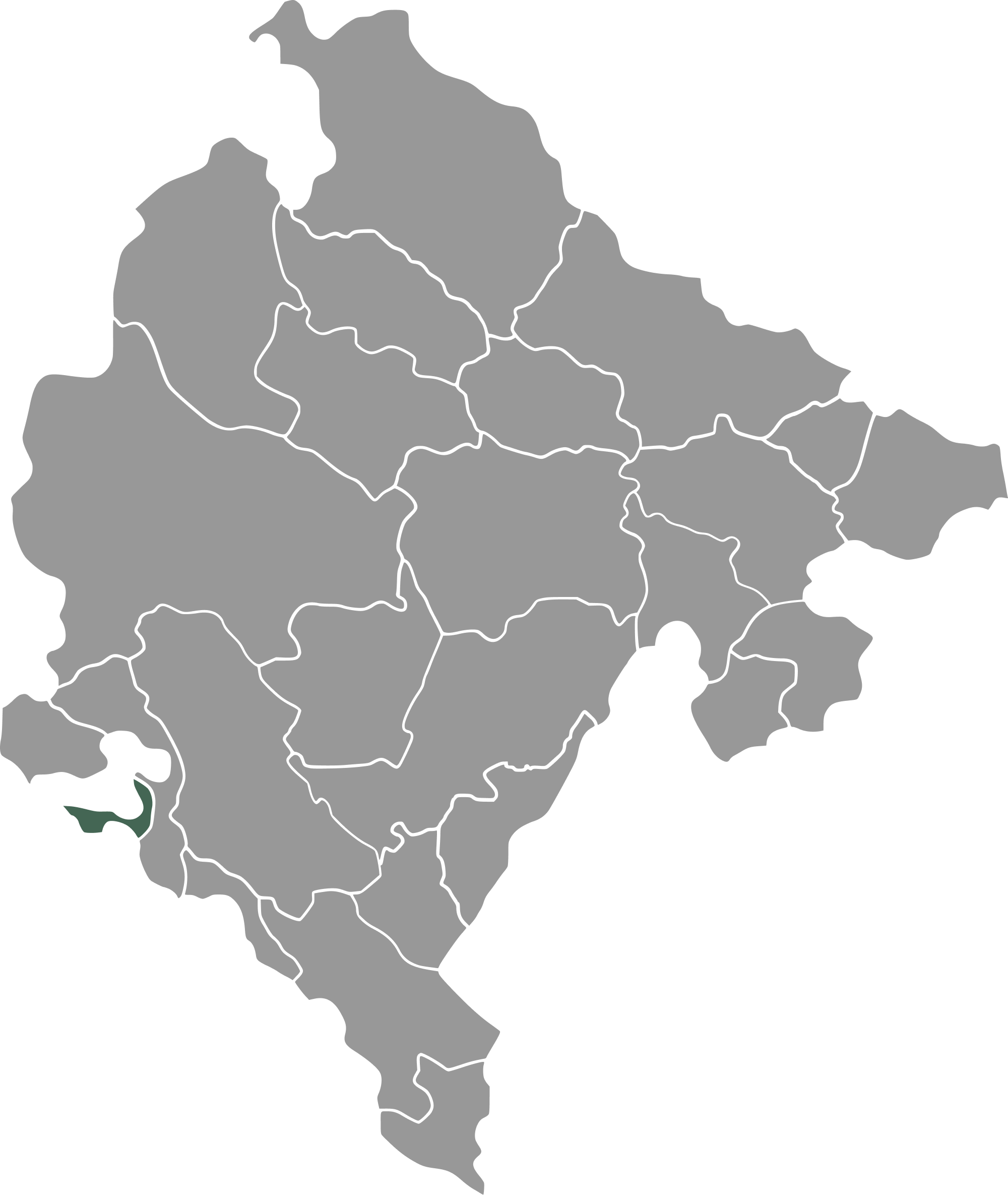
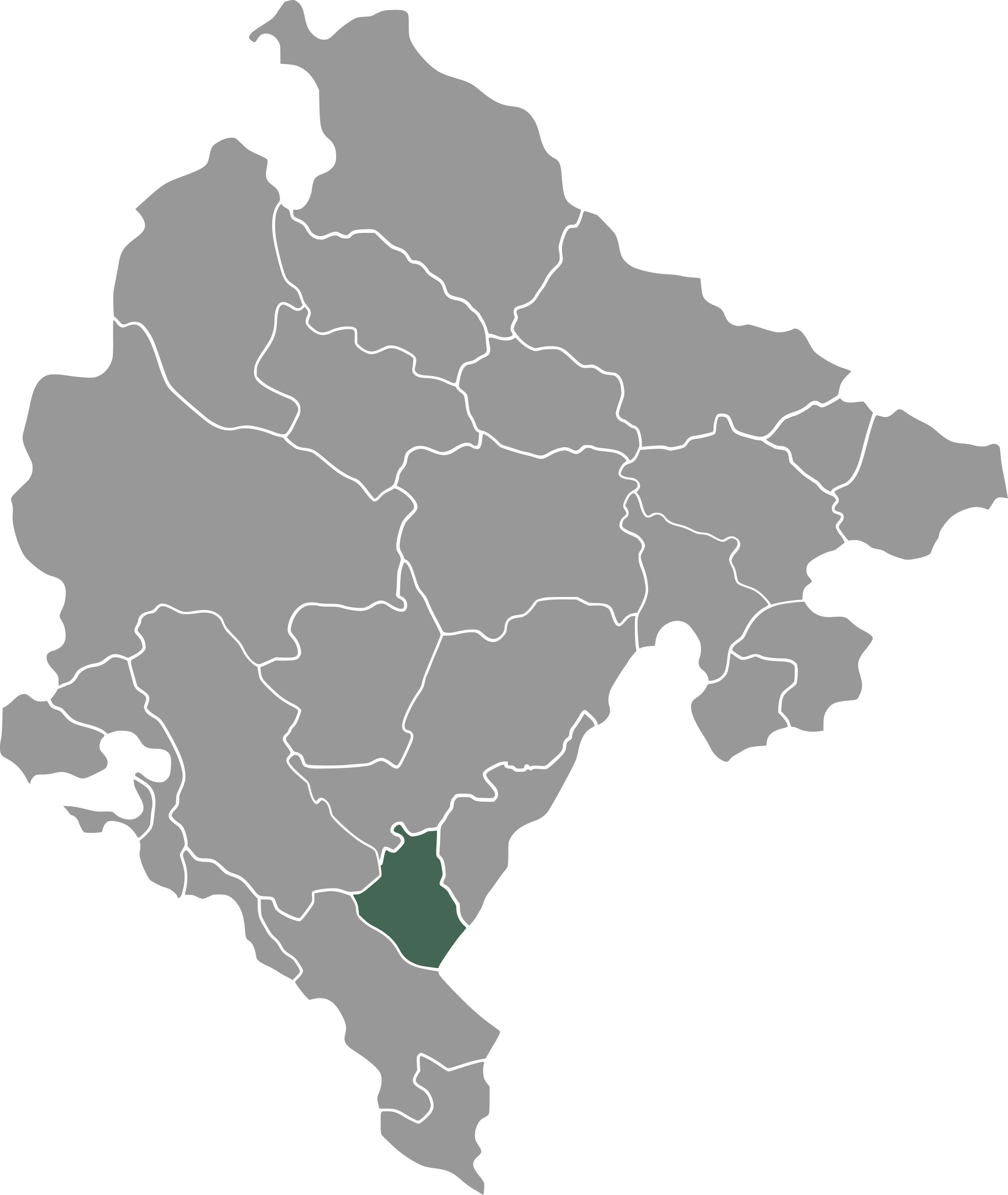
The southwestern part of Montenegro is best known for the Bay of Kotor, at the heart of which rise the walls of the ancient town of Kotor.
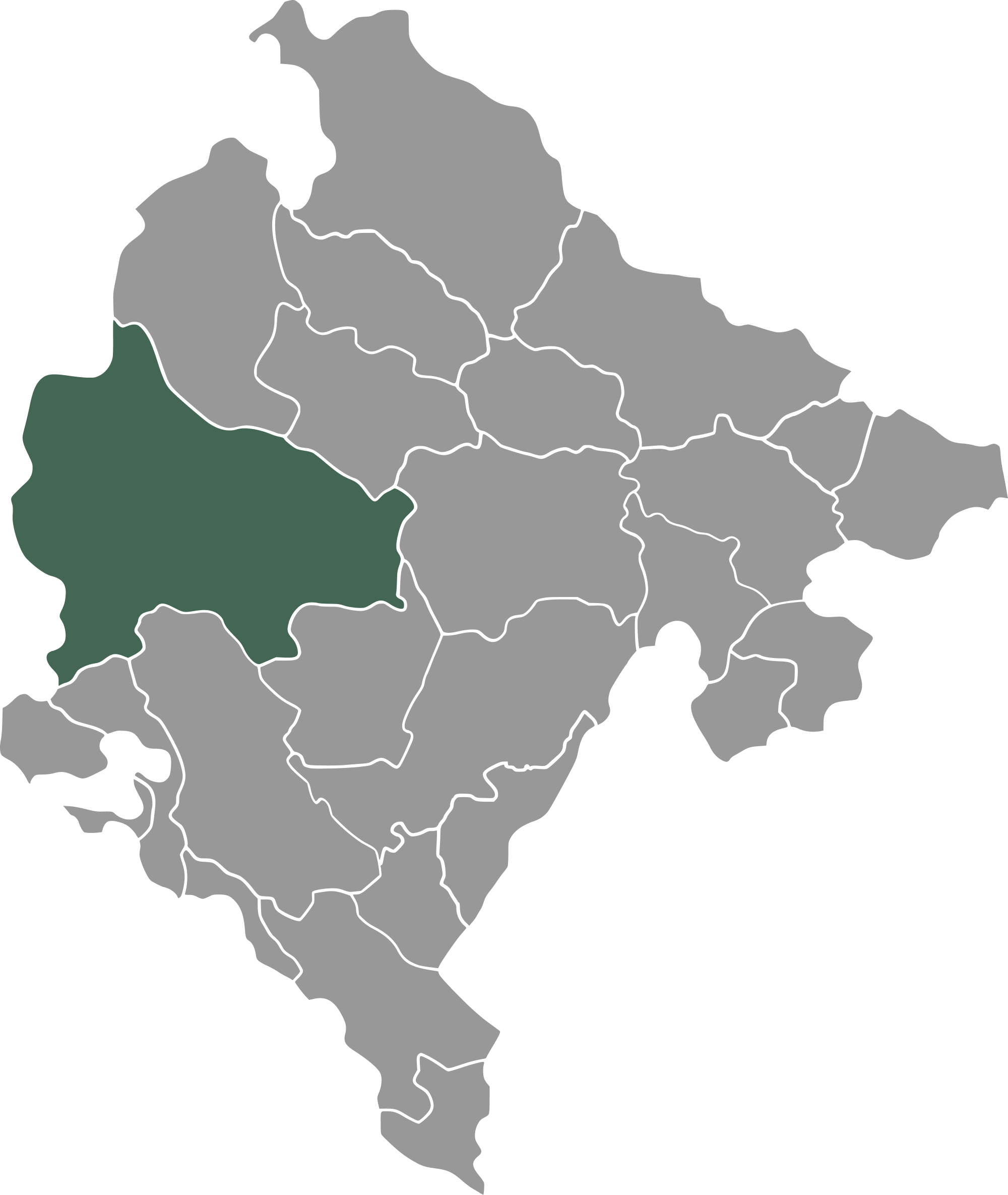
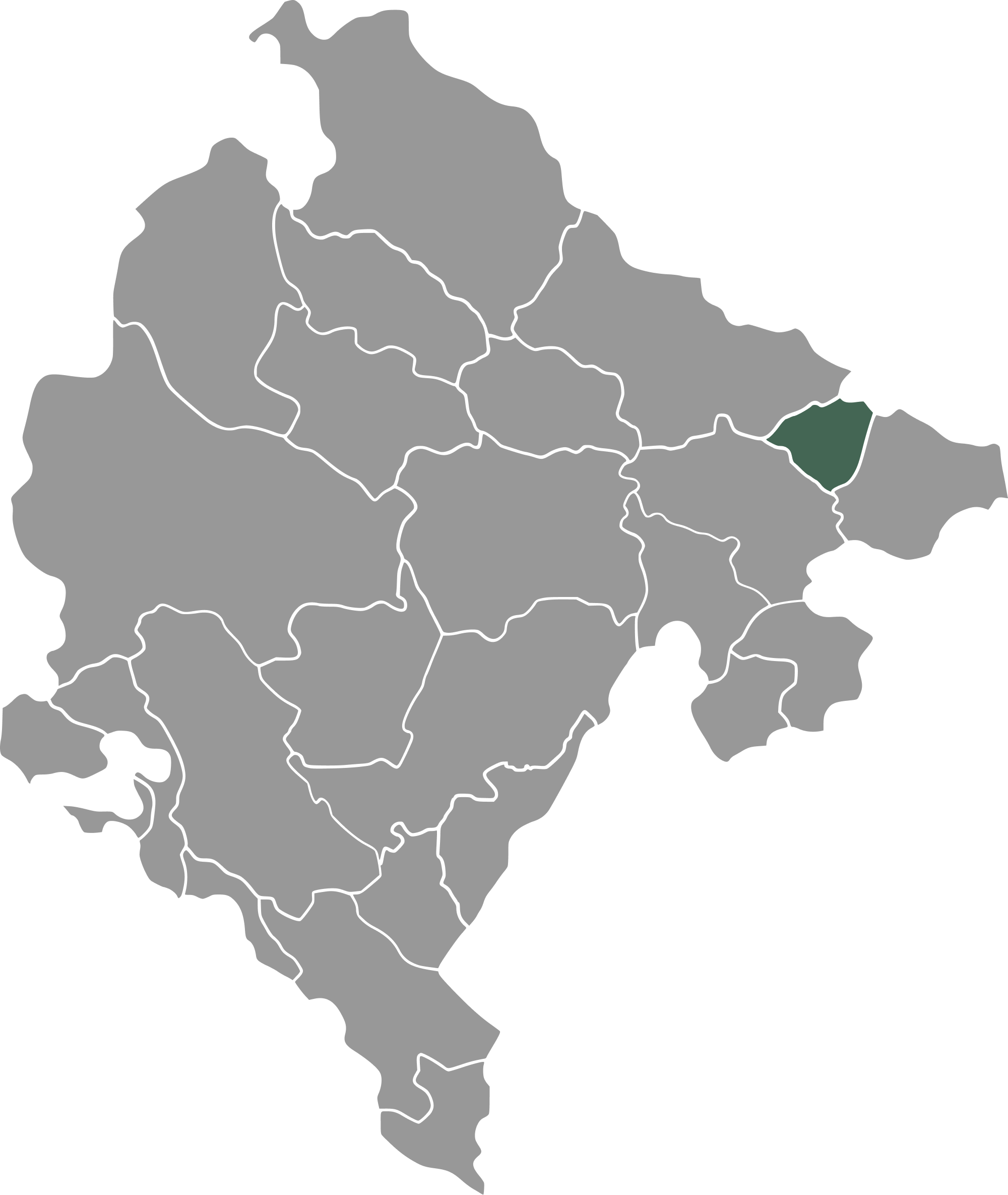
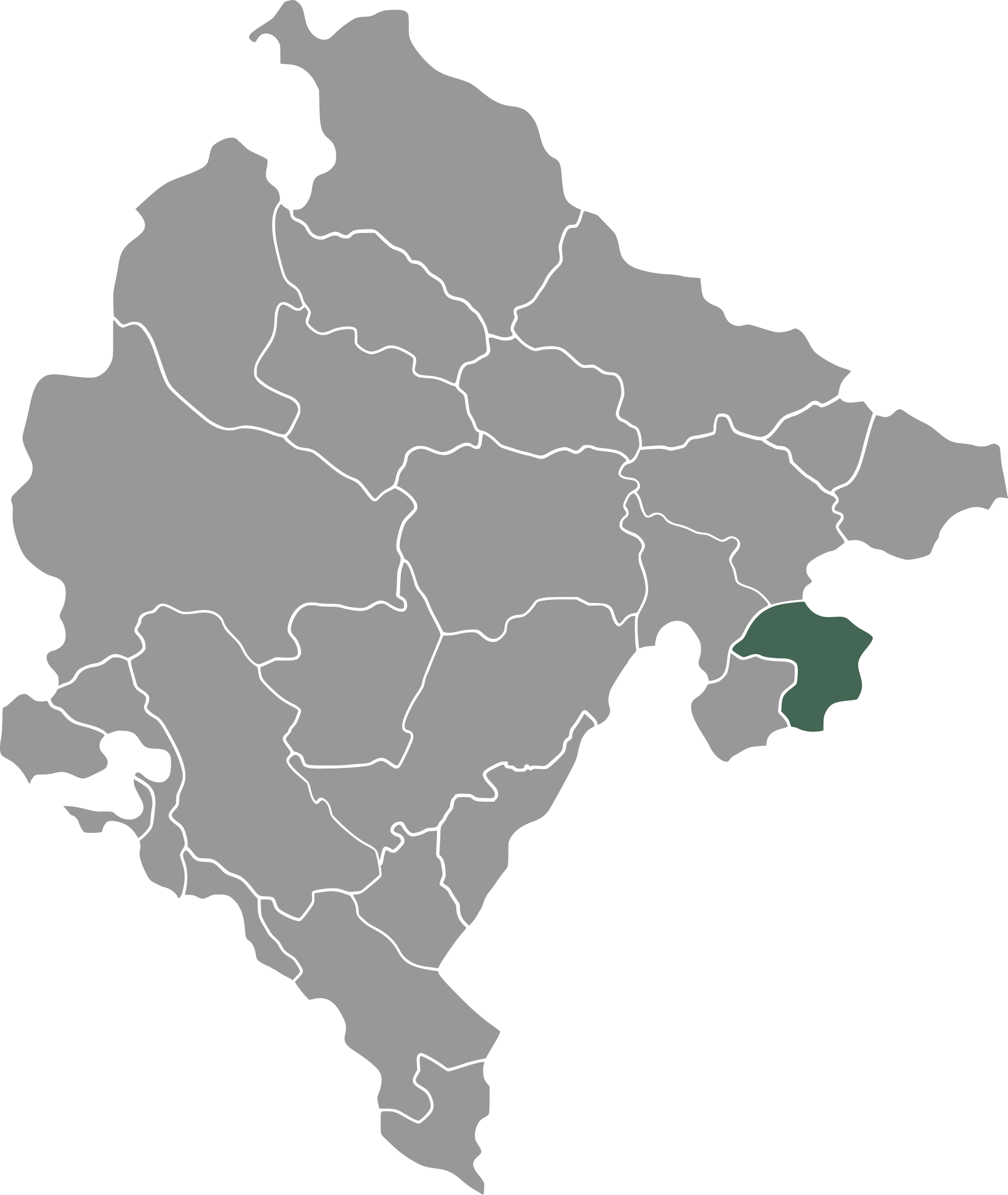
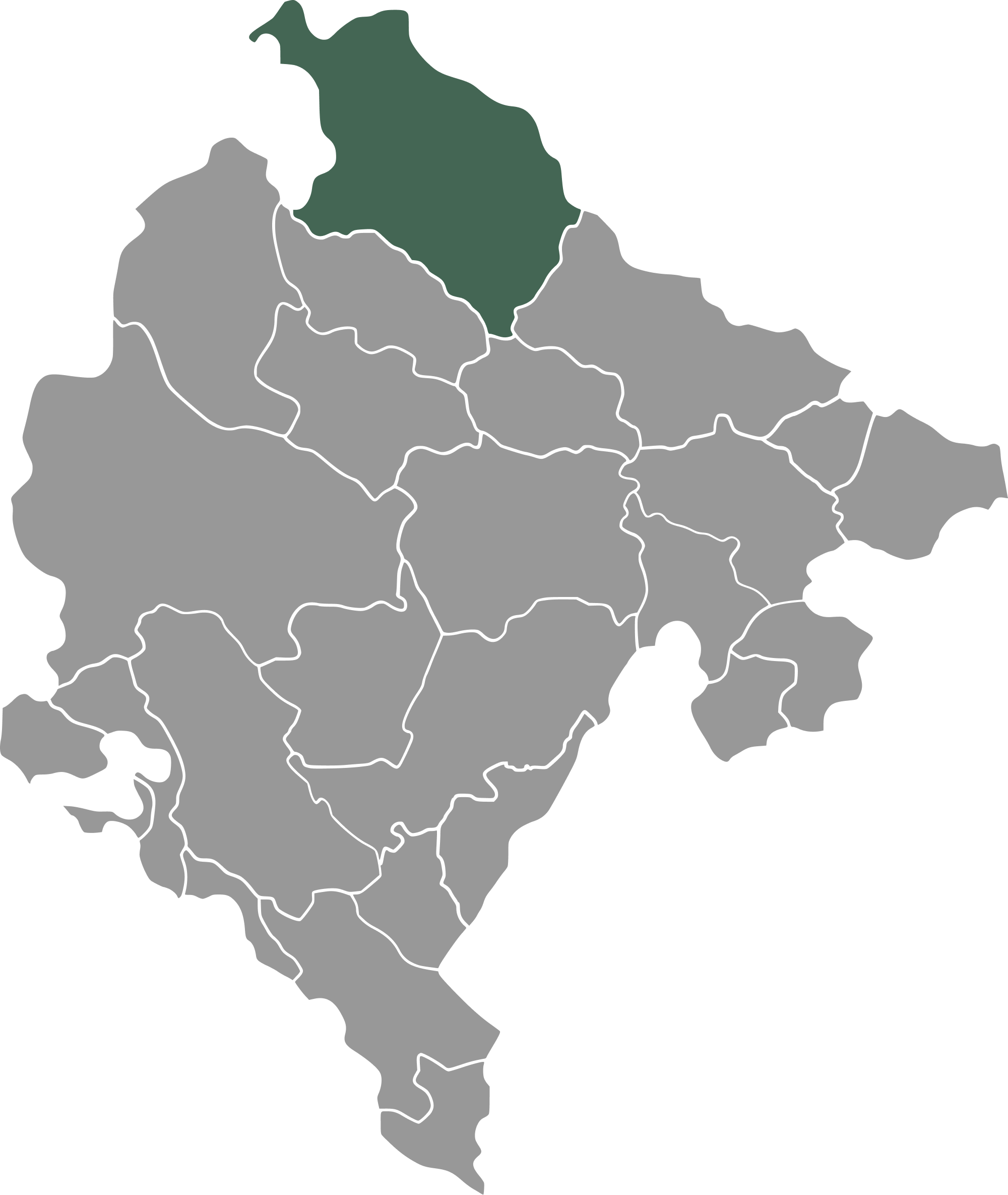
The municipality covers 335 square kilometers and includes 56 settlements, from the administrative center of Kotor to inland villages and coastal towns such as Risan, Perast, Dobrota, Prčanj and Radanovići.
It stretches along the inner part of the bay, where the steep mountains of Lovćen and Vrmac descend to the sea, creating a spectacular natural backdrop.
Kotor lies about 23 kilometers from Budva and about 75–85 kilometers from Podgorica depending on the route, while the Vrmac tunnel connects it to the Adriatic coastal highway.
The municipality of Kotor has 22,746 residents. Many live in the old town and coastal settlements, while villages in the hinterland are more sparsely populated due to the rugged terrain.
Kotor is ethnically and religiously diverse. The majority of residents are Montenegrins, followed by Serbs and Croats, as well as Albanians, Bosniaks and other minorities.
The religious landscape is predominantly Orthodox Christian, with smaller Catholic and Muslim communities.
Kotor is an example of a medieval town whose economy has shifted almost entirely toward tourism and services.
Kotor’s Old Town, protected by UNESCO as part of the “Natural and Culturo-Historical Region of Kotor,” is a magnet for travelers. Massive stone walls stretching 4.5 kilometers along the slope of Mount San Giovanni, narrow cobbled streets, numerous churches and Renaissance palaces make it one of the best preserved medieval towns on the Adriatic. Key landmarks include St. Tryphon’s Cathedral (1166), the Church of St. Luke, the Pima Palace and the San Giovanni Fortress.
In recent years tourism has grown further with the arrival of large cruise ships. The Port of Kotor receives hundreds of vessels and hundreds of thousands of passengers annually. This influx boosts the local economy but also creates overtourism challenges such as overcrowding in the Old Town, pressure on infrastructure and rising real estate prices. The municipality is developing plans for sustainable tourism and limiting cruise arrivals in order to preserve the city’s authenticity.
In rural areas and smaller settlements, traditional agriculture continues, including olives, vineyards, fruits and vegetables, as well as beekeeping.
Seafaring also has a long tradition. Many locals work as sailors or crew members on yachts and cruise ships.
Many families are involved in tourism, hospitality or maritime work, while younger generations increasingly find opportunities in digital nomadism and creative industries.
Kotor lies beside one of the most picturesque “fjords” in Europe. In fact, geographically speaking the Bay of Kotor is not a fjord but a submerged river canyon, known as a ria, formed by river erosion rather than glacial activity. Despite this, its appearance closely resembles that of a fjord.
The dramatic gap between the steep slopes of Mount Lovćen and Mount Orjen creates a bay of deep green and blue tones. Near the town are the famous stone serpentine roads, the old road to Cetinje that offers breathtaking views of the bay.
Two islands stand out in the bay near Perast: Our Lady of the Rocks and St. George. One is artificial, the other natural, and both are home to churches and centuries-old legends.
The settlements of Perast, Dobrota and Prčanj feature Baroque palaces from the era of great seafarers and long seaside promenades. Risan, the oldest settlement in the bay, is famous for Roman mosaics depicting the god Hypnos.
Kotor’s hinterland also includes part of Lovćen National Park, home to the mausoleum of Petar II Petrović Njegoš, as well as the mountain village of Njeguši, renowned for its prosciutto and cheese.
Kotor has a warm and moderately humid climate. Heavy rainfall occurs due to the orographic influence of the surrounding mountains. Autumn and winter can be very rainy, while summers are warm.
Because sea temperatures reach up to 26 °C in August, the swimming season typically lasts from May to October.
Climate differences can also be felt within the municipality itself. In the narrow coves of the bay the air is humid, while the higher areas of Lovćen are significantly cooler.
Kotor is connected to the Adriatic coastal highway through the Vrmac tunnel. Routes toward the interior run via Cetinje or through the Sozina tunnel near Sutomore.
The nearest airport is Tivat, about 10 kilometers away, while Podgorica Airport is around 90 kilometers from the town.
The Kamenari–Lepetani ferry provides easier access toward Herceg Novi.
The Port of Kotor serves cruise ships and yachts, while smaller docks can be found in Perast, Dobrota and Risan.
Kotor’s strong identity is deeply tied to seafaring, faith and legend. Throughout the year the city hosts many events.
Bokelj Navy - The oldest maritime brotherhood on the Adriatic. Every year on January 27, the feast day of St. Tryphon, uniformed members parade through the Old Town and perform a traditional dance.
Kotor Carnival - Both winter and summer carnivals feature masked parades, satirical allegories and fireworks.
KotorArt - A large international arts festival including several programs. It features classical and klapa music events such as KotorArt Don Branko’s Music Days, the Perast Klapa Festival and the Children’s Theatre Festival, turning the city into a stage for performances by world-class artists.
Škalj Shell Festival and Fašinada in Perast - Local celebrations tied to the heritage of fishermen and seafarers.
Museums, galleries and religious buildings such as the Maritime Museum of Montenegro, St. Tryphon’s Cathedral and the Church of Our Lady of Health preserve the rich heritage of the city.
Although Kotor does not have major sports clubs like some other municipalities, it is well known for water polo. The club VK Primorac has won European trophies. FK Bokelj competes in Montenegro’s national football league, while RK Kotor maintains the town’s handball tradition.
In summer, diving, sailing and kayaking are popular, as well as hiking on Lovćen and Orjen. Coastal promenades are frequently used for running and cycling.
Kotor offers an authentic glimpse of the Mediterranean from centuries past. Ancient walls, palaces, churches and narrow streets shaded by bougainvillea stand against a backdrop of mountains reflected in the water.
Visitors can climb hundreds of steps to the San Giovanni fortress for panoramic views, take a boat to Our Lady of the Rocks, explore Roman mosaics in Risan or enjoy Dalmatian cuisine on terraces in Perast.
With its blend of culture, history, nature and gastronomy, Kotor is an essential stop on the Montenegrin coast and the perfect place to experience the spirit of Venice on the Balkans.
View listings in Kotor