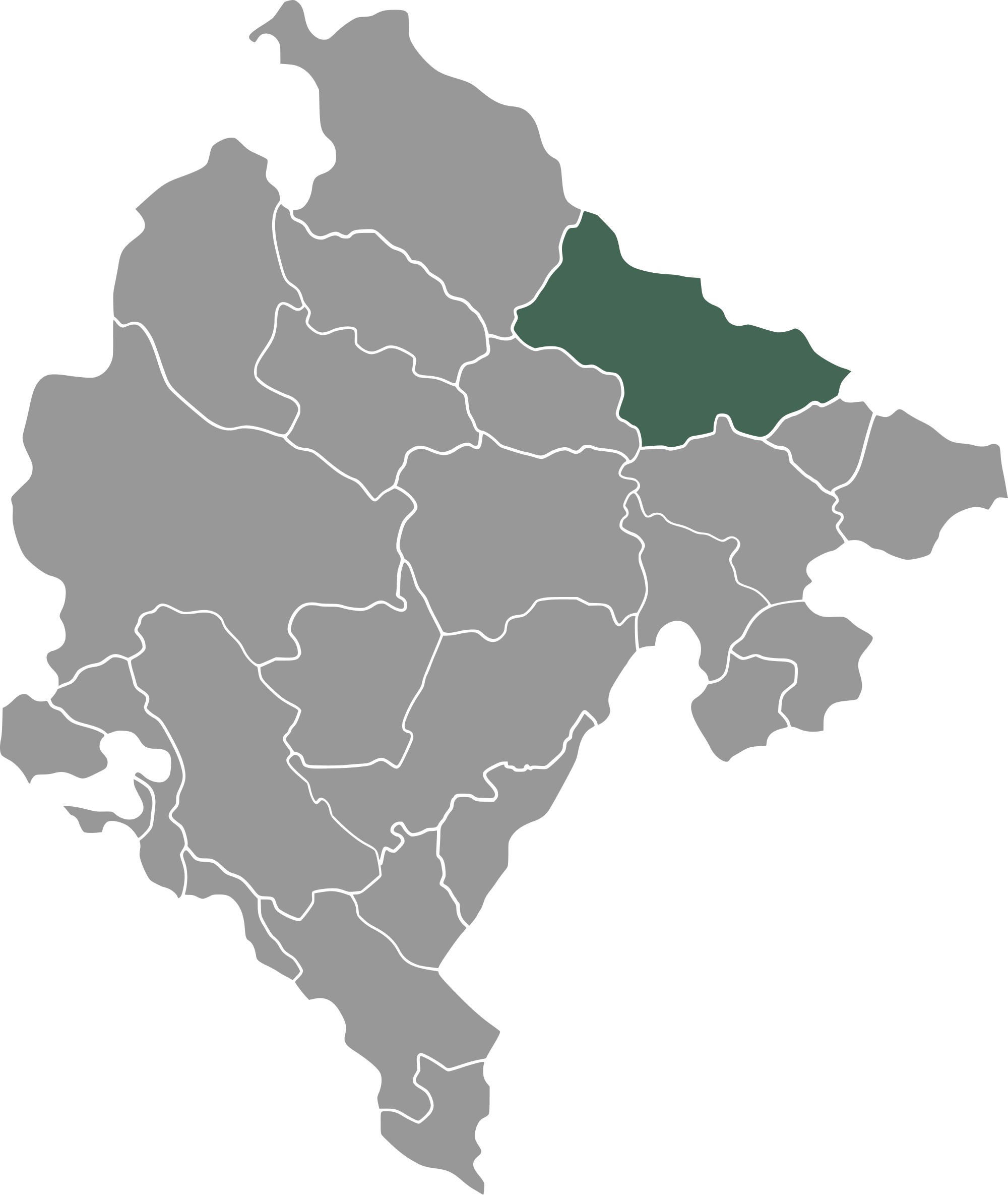
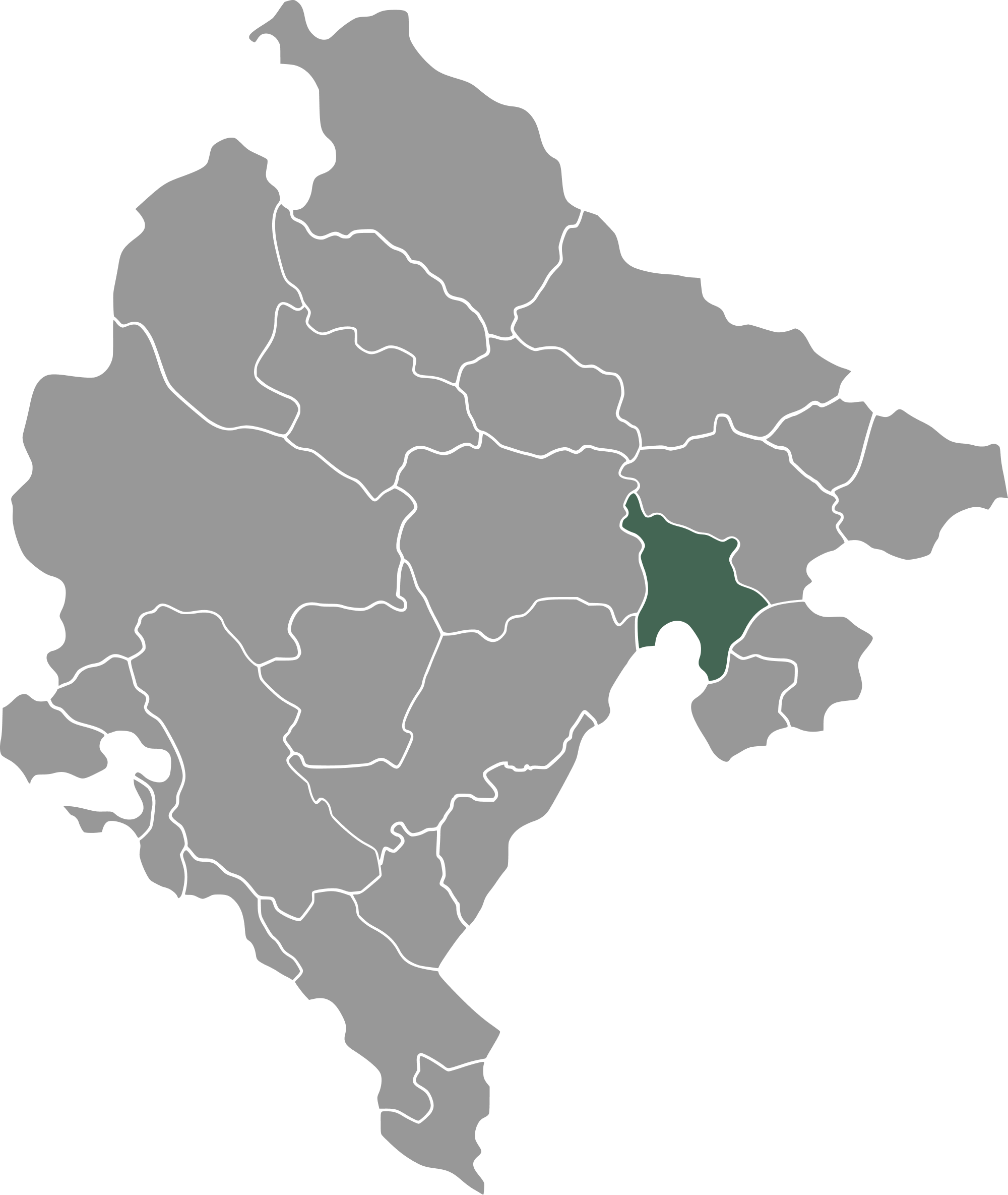
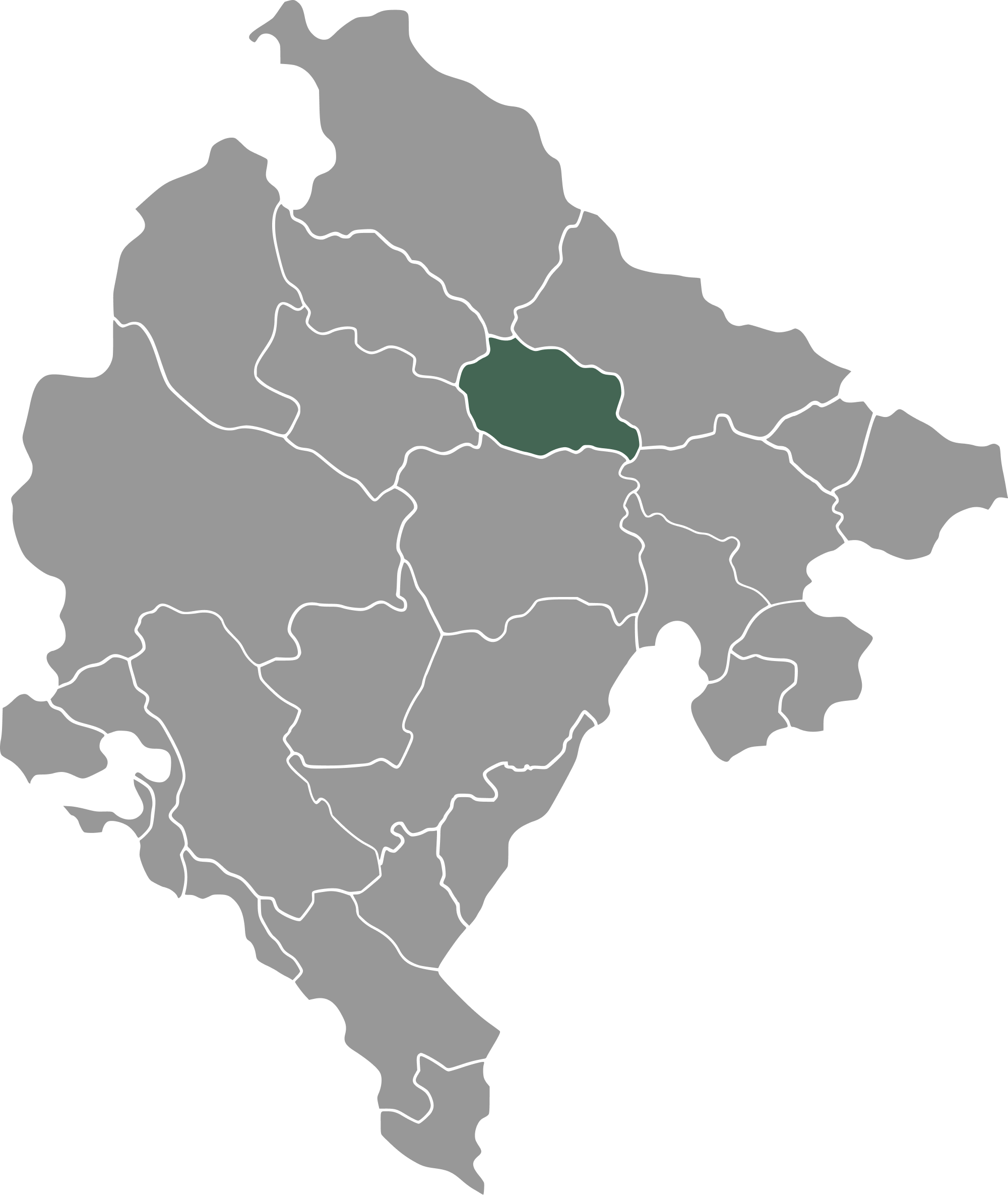
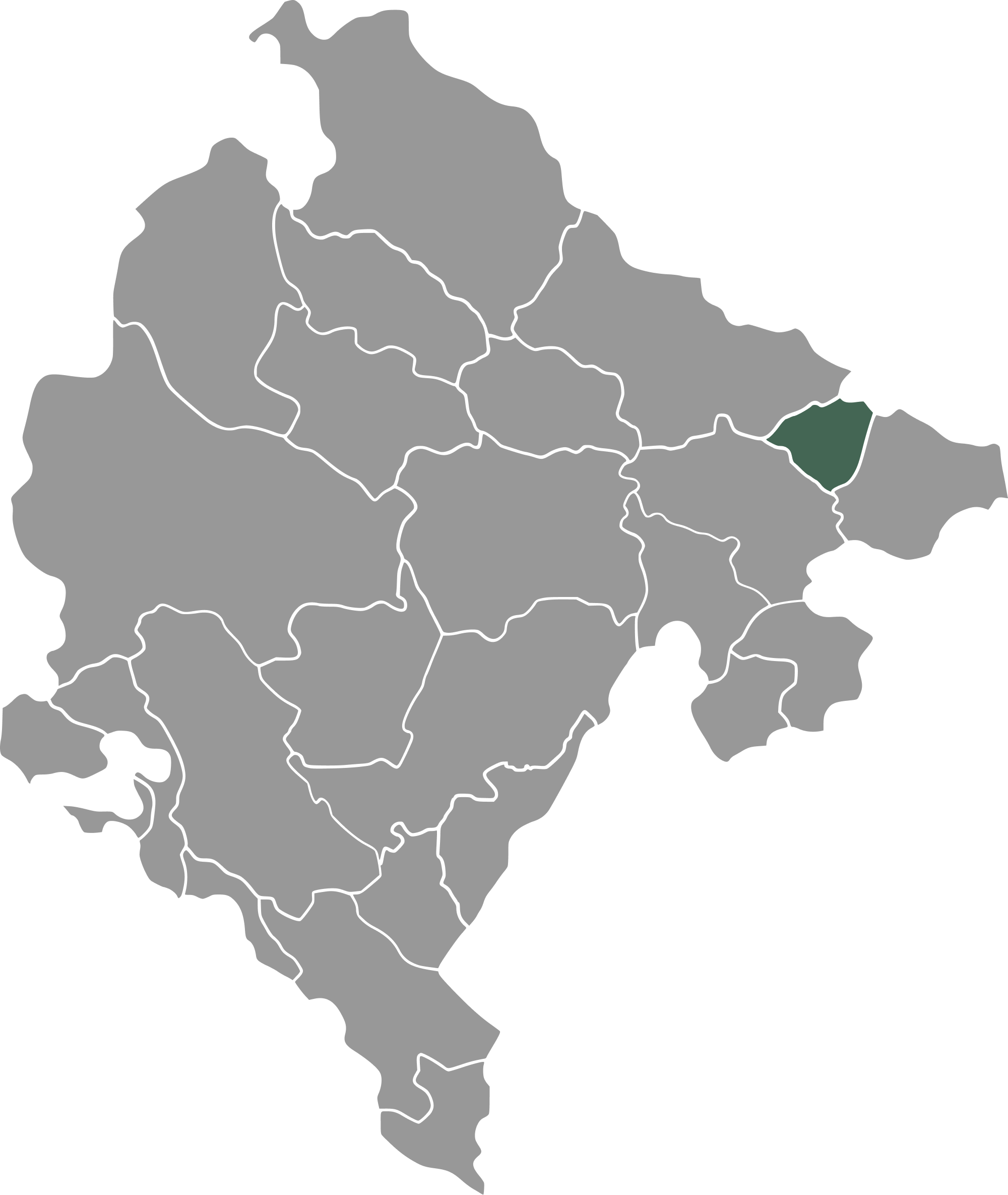
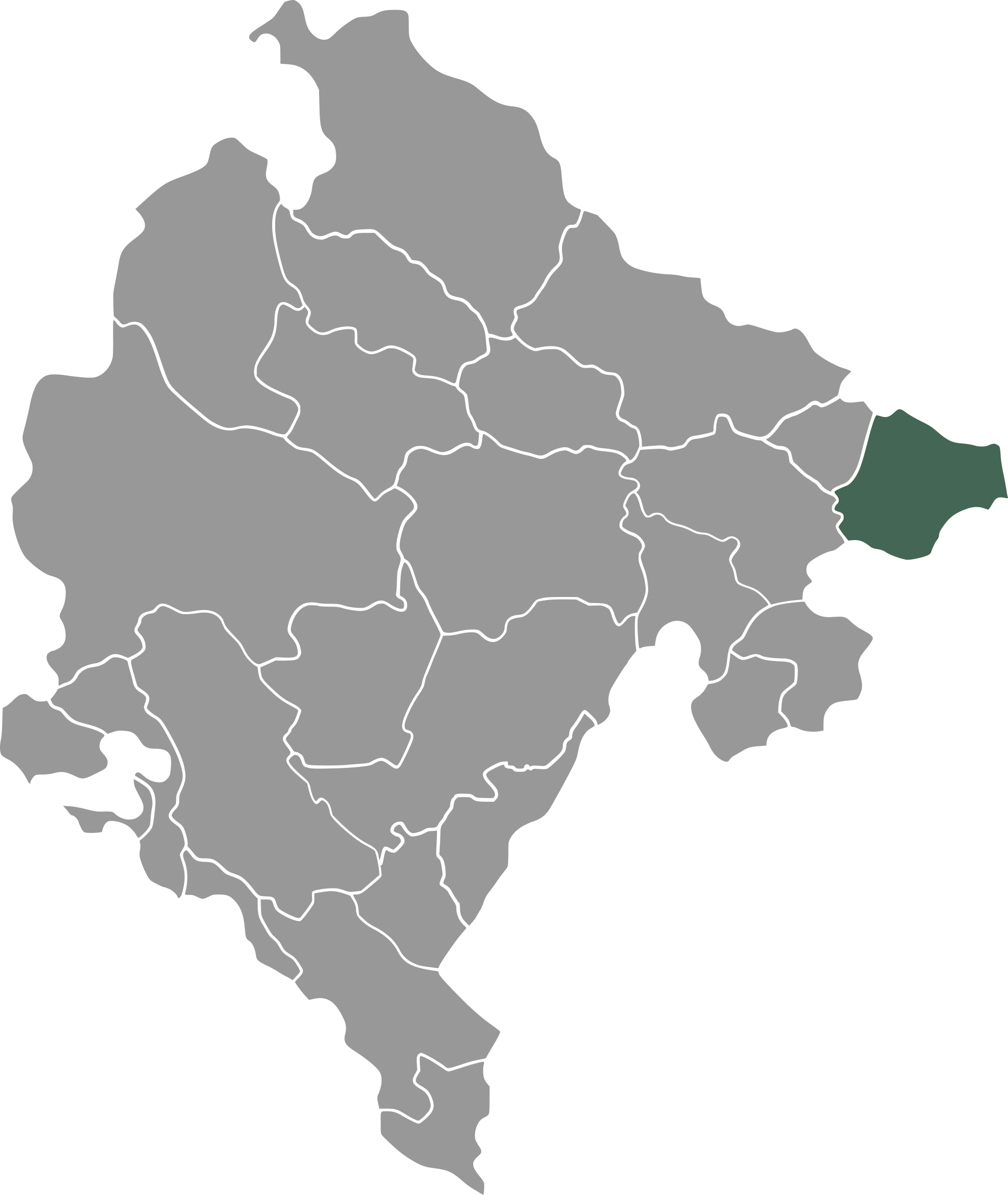
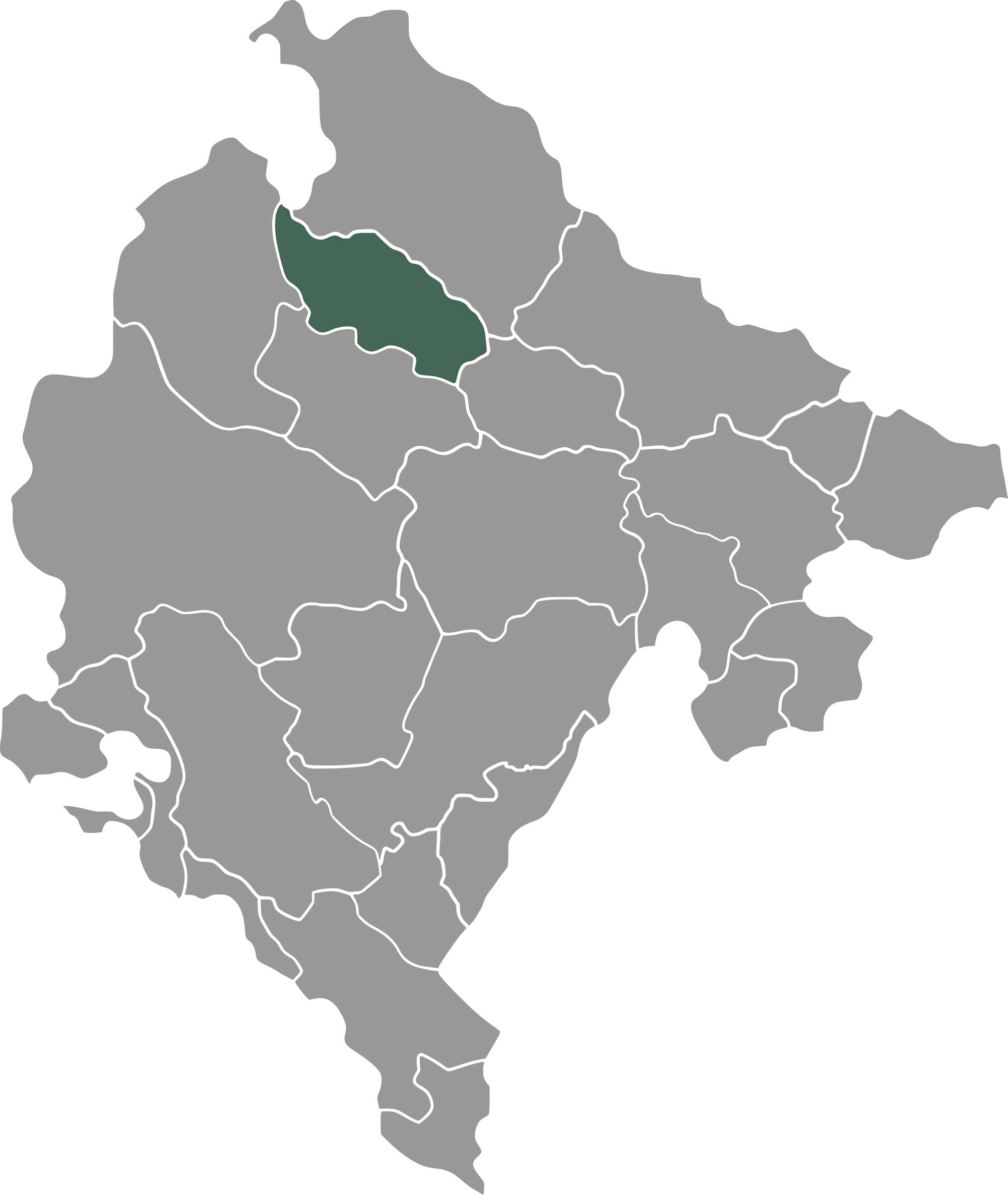
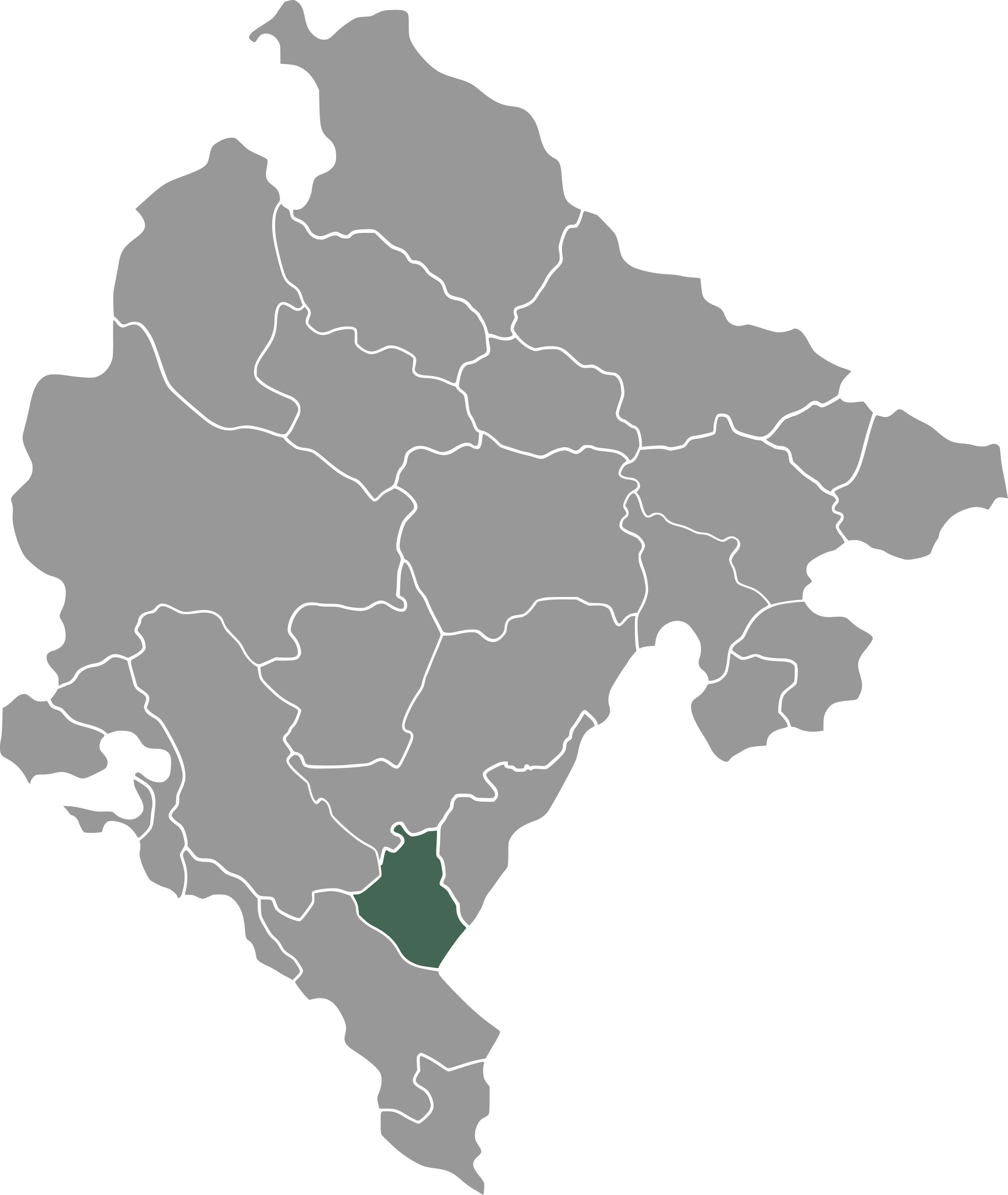
Bijelo Polje lies in the broad valley of the Lim River, between the mountains of Bjelasica, Obrov, Nedak, and Lis, covering an area of approximately 924 square kilometres. With a population of just over 38,000, the municipality serves as the administrative, commercial, and cultural centre of Montenegro’s northeast. Its position at the crossroads of routes leading toward Serbia and central Montenegro gives it strong regional importance. The Lim River runs through the heart of the town, shaping its landscape with quiet natural elegance.
Bijelo Polje is a distinctly multiethnic community, home to Montenegrins, Serbs, Bosniaks, Albanians, and other minorities. This diversity is reflected in its languages, cuisine, customs, and cultural events. The people preserve the traditions of Polimlje through song, storytelling, craftsmanship, and folklore. The town is known for its warm-hearted residents, strong family values, and its unique blend of urban and rural mindset.
The local economy is based on trade, industry, agriculture, transport, and services. Industrial zones in Raspogonja and other parts of the town bring together companies engaged in wood processing, textiles, food production, and cold storage. Agriculture remains strong thanks to the fertile Lim valley, which yields fruit, vegetables, maize, and animal feed.
The villages of Pavino Polje, Tomaševo, Bistrica, and Akovo are known for livestock farming, honey, and orchards. Bijelo Polje is also an important trading centre with a well-developed network of service and craft businesses.
The town is one of the most important educational centres in northern Montenegro. In addition to numerous primary schools, it is home to a grammar school, a technical secondary school, a vocational secondary school, a music school, and several specialised programmes. Bijelo Polje also hosts higher education study programmes, most notably branches of the University of Montenegro: the Faculty of Law, through its Legal Studies programme in Bijelo Polje, and the Faculty of Economics, through its Management programme in Bijelo Polje.
Bijelo Polje has a deep literary and artistic tradition. Ratković’s Evenings of Poetry is one of the most renowned literary events in Montenegro and the wider region. Music festivals, art gatherings, book fairs, and numerous other events keep the cultural scene vibrant throughout the year. The town is the birthplace of many writers, painters, and distinguished cultural figures. Its Cultural Centre organises concerts, performances, and exhibitions, while the local library preserves a rich collection of works by local authors.
The surroundings of Bijelo Polje are rich in mountains, gentle villages, and scenic viewpoints. The Lim is the town’s defining natural feature and is popular with anglers and recreation seekers alike. Bistrica is known for its cold waters, canyons, and mills. Pavino Polje offers wide meadows and mountain trails. On nearby Bjelasica begin routes leading to lakes, forests, and pristine mountain landscapes. Caves, waterfalls, and old bridges also form part of the area’s rich natural and historical heritage.
Bijelo Polje is the most important transport hub in northern Montenegro. The main highway connecting Montenegro with Serbia passes through the town. The Belgrade to Bar railway provides fast links with Podgorica and the coast. Regular bus lines connect Bijelo Polje with all major Montenegrin towns and with cities across the region. This transport infrastructure provides strong logistical support for both the economy and tourism.
Sport plays an important role in local life. The football club Jedinstvo has a long tradition, while there are also clubs for basketball, volleyball, martial arts, athletics, and shooting sports. Sports halls, playing fields, and fitness trails are used throughout the year. The natural surroundings offer excellent conditions for hiking, cycling, running, and outdoor excursions.
Bijelo Polje enjoys a favourable geographic position and represents an important economic centre in northern Montenegro. The municipality’s development prospects rest on its transport links, available workforce, agricultural and forestry resources, and its potential in food production, wood processing, trade, services, and tourism. Particularly attractive to investors are opportunities in small and medium-sized enterprises, agricultural processing, logistics, renewable energy, and the enhancement of the local tourist offerings. Further improvement of the investment climate depends on stronger infrastructure, support for entrepreneurship, and the efficient use of local resources. The contribution of the diaspora should also be noted, as it continues to support development projects across the municipality.
Bijelo Polje draws visitors through its blend of river life, culture, and the wide landscapes of Polimlje. The Lim River lends the town a special vitality, and its banks are ideal for walks, rest, and quiet enjoyment of the water as it gently cuts through the urban landscape.
Its rich cultural tradition is expressed through festivals, literary gatherings, and local events that bring together artists, creators, and guests from across the region throughout the year. The town also cherishes the authentic cuisine of Montenegro’s north: homemade dishes, traditional recipes, and the hospitality of its hosts leave a lasting impression on every visitor.
The surrounding landscapes of Polimlje offer opportunities for excursions to nearby villages, time in nature, and the exploration of untouched scenery. One of Bijelo Polje’s greatest strengths lies in its harmony between urban life and the natural environment. Within just a few minutes, one can move from the bustle of the town to the stillness of the river, meadows, and mountain slopes.
Life here is active and diverse. Services are well developed, the educational and healthcare systems are stable, and the cultural programme is rich. At the same time, nature is always close at hand. The surrounding area offers an ideal setting for peace, recreation, and a healthy everyday life. Bijelo Polje is a community that unites the rhythm of town life with the warmth and simplicity of life in Montenegro’s north.