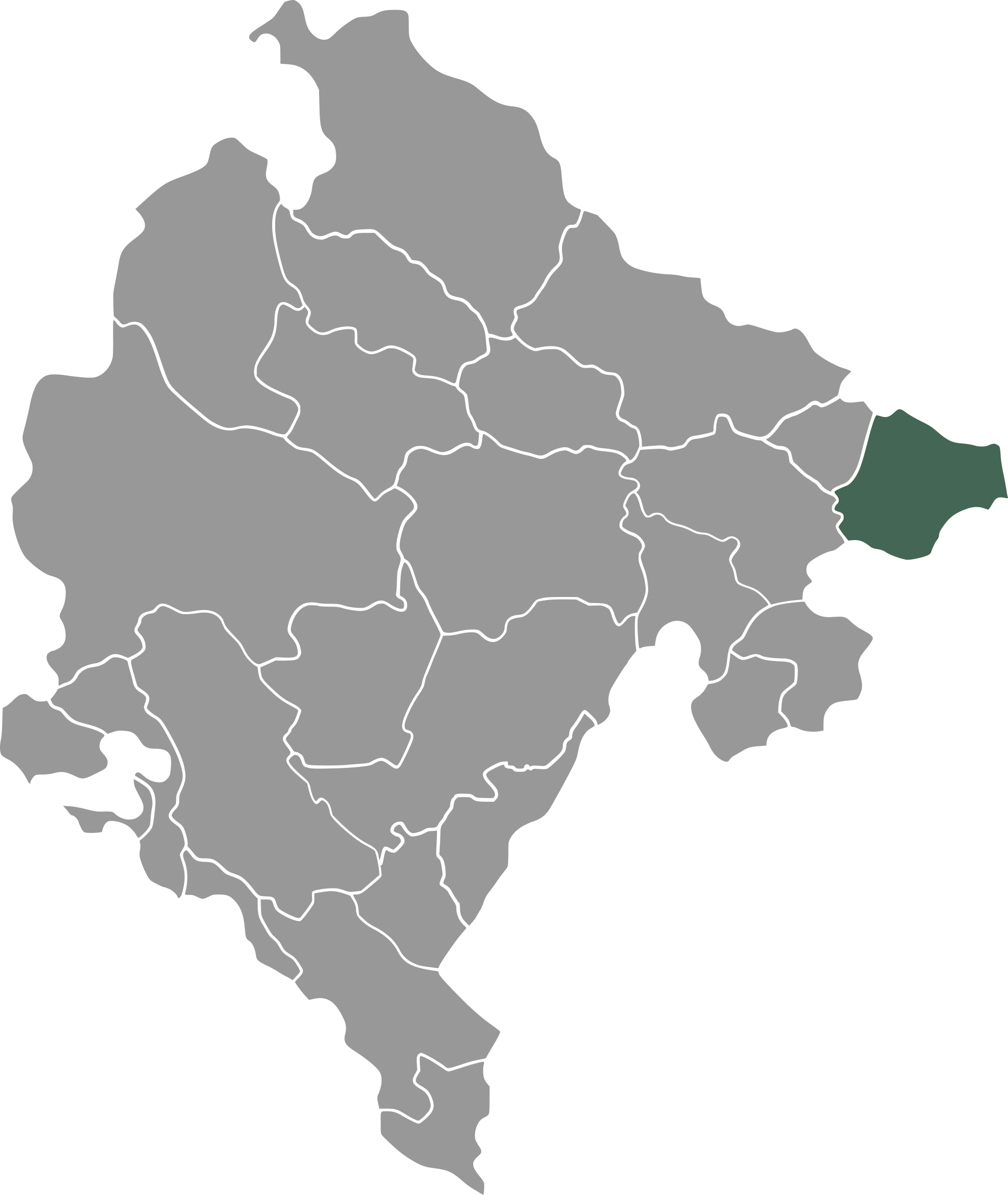
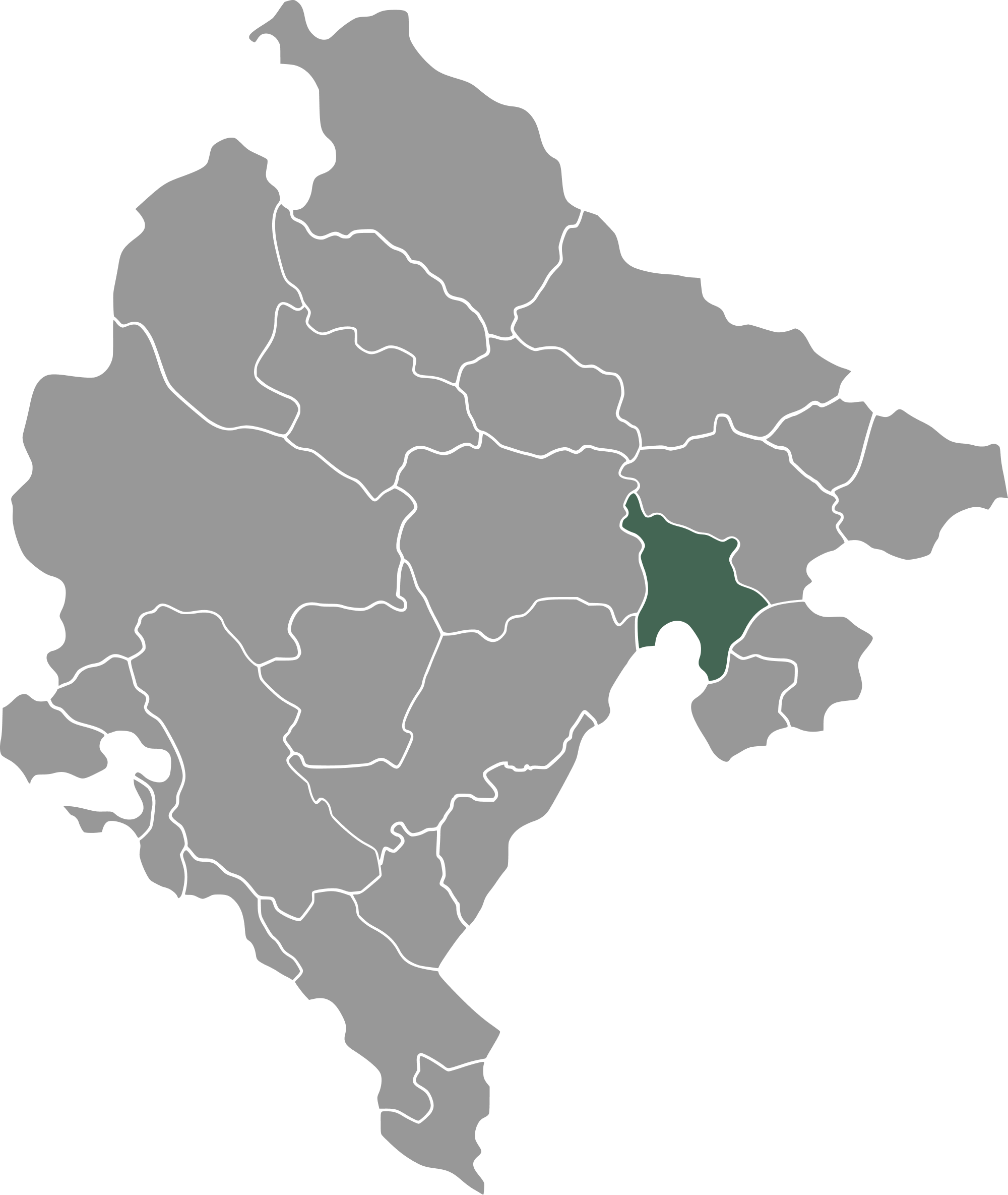
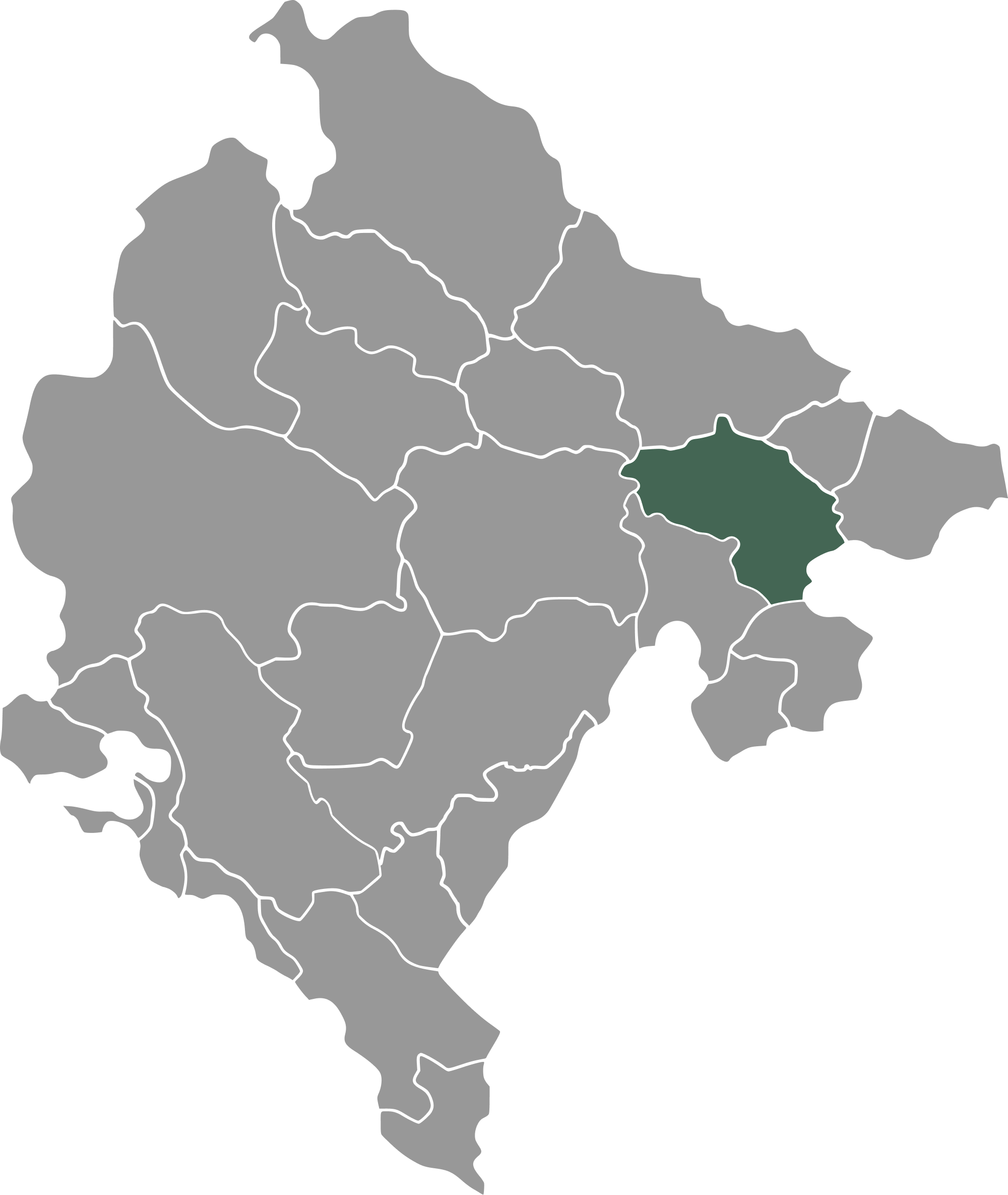
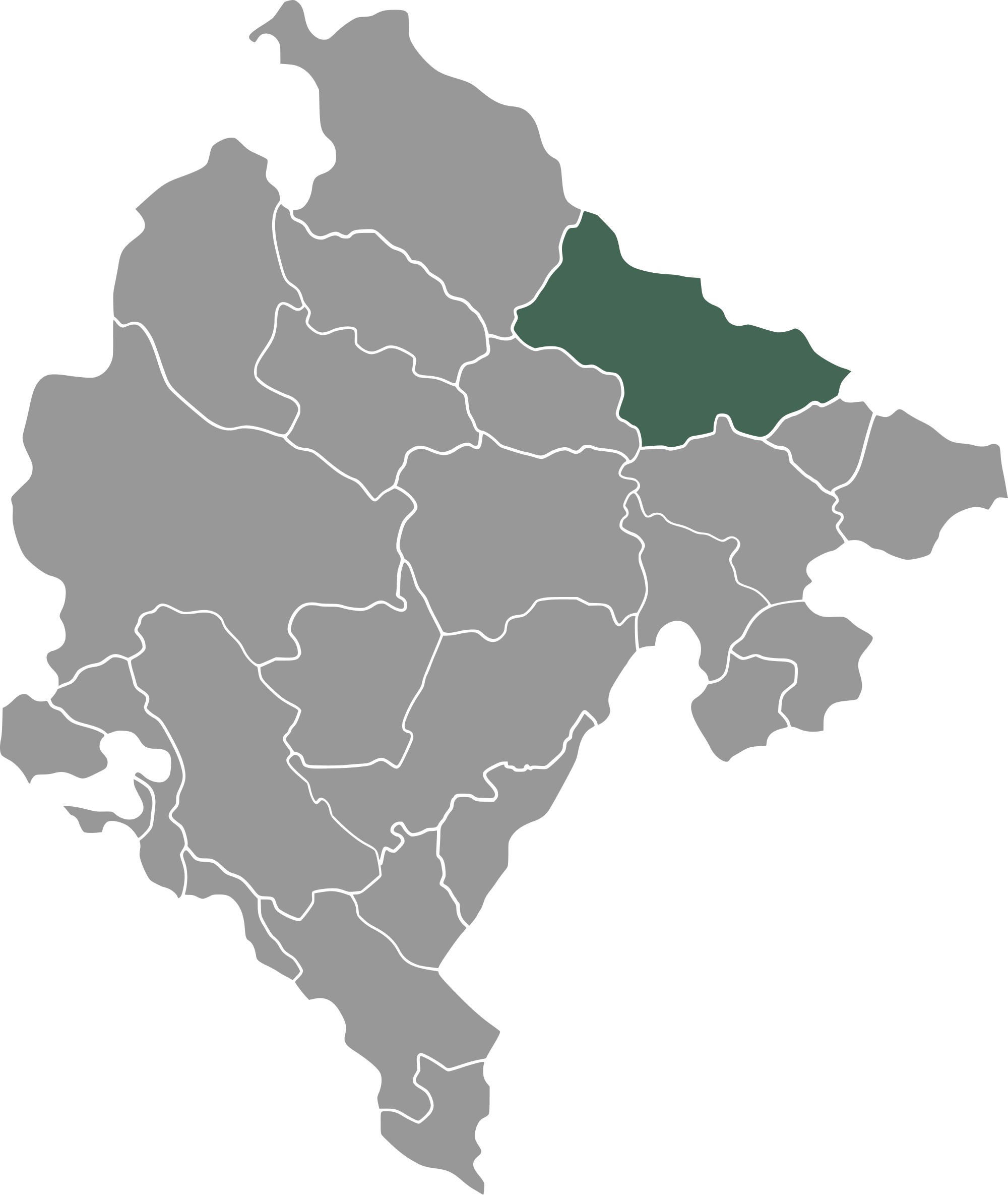
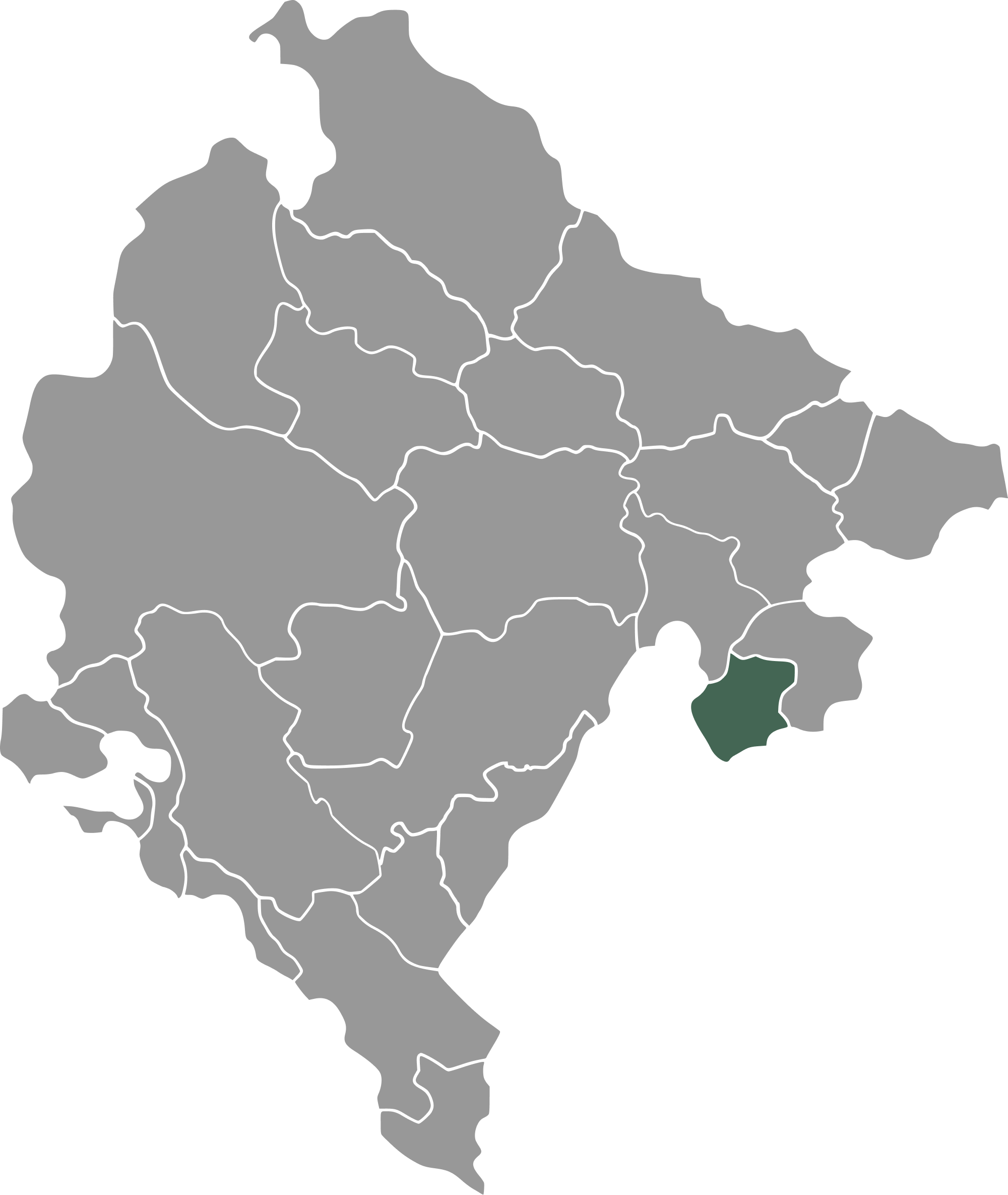
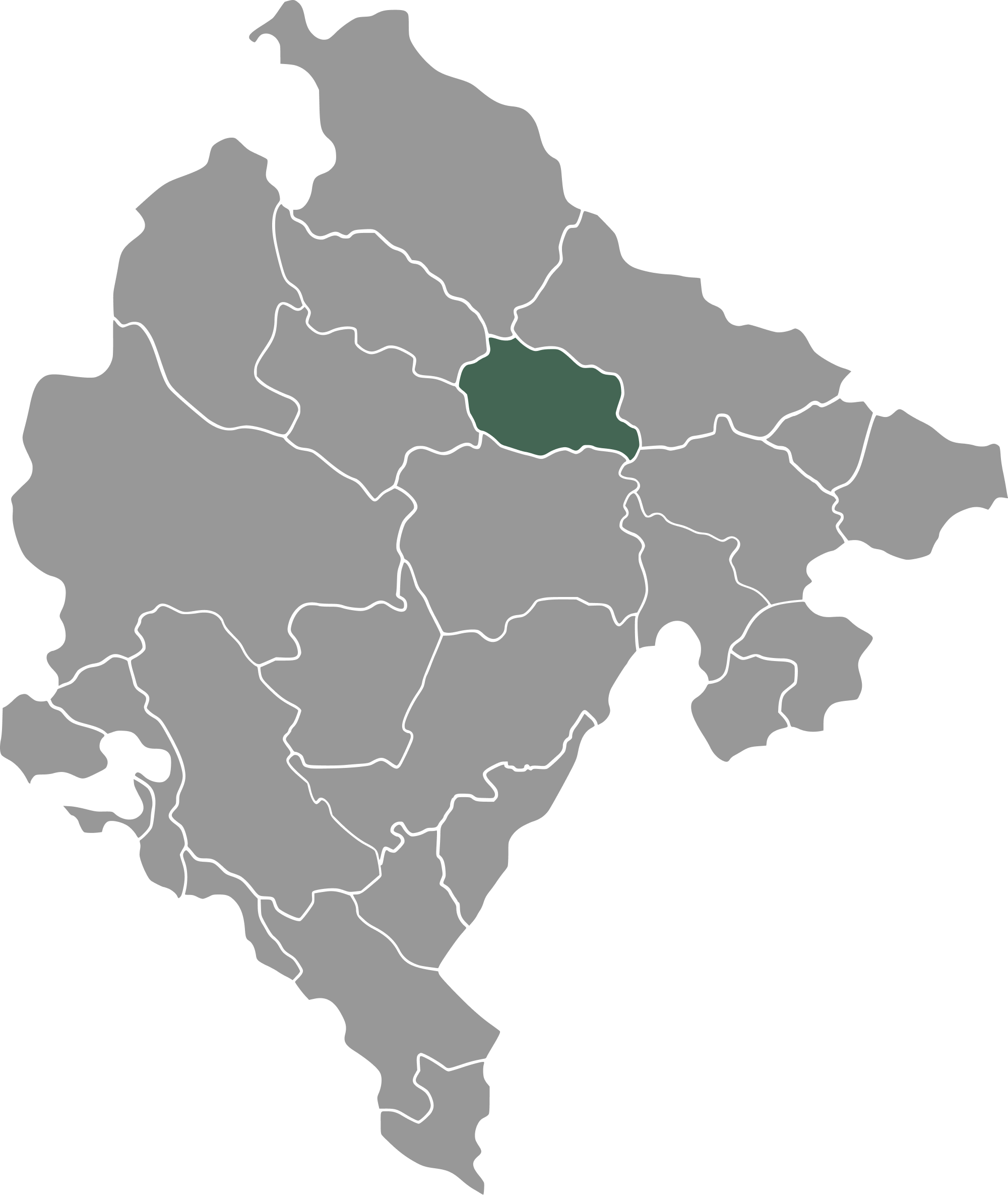
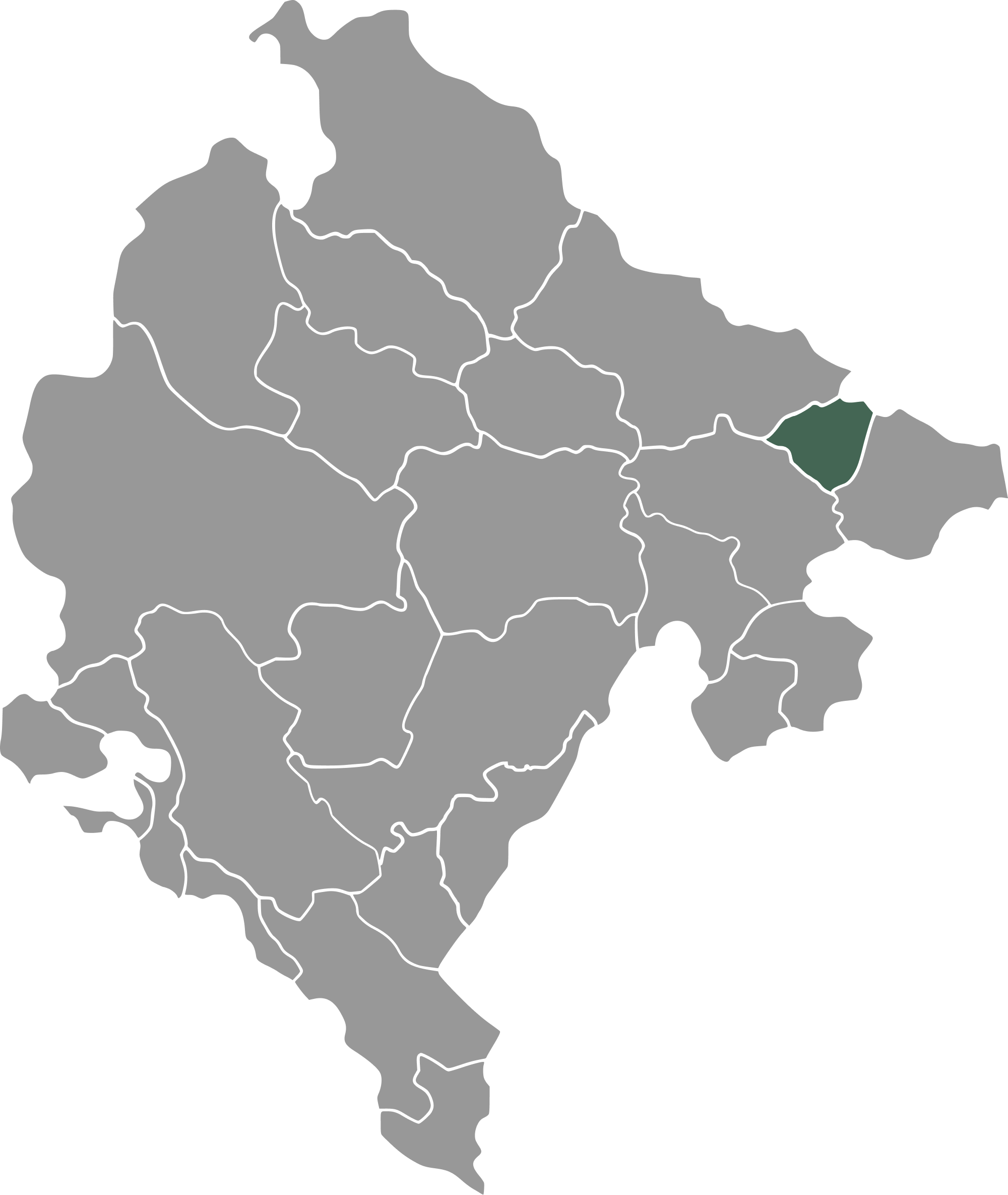
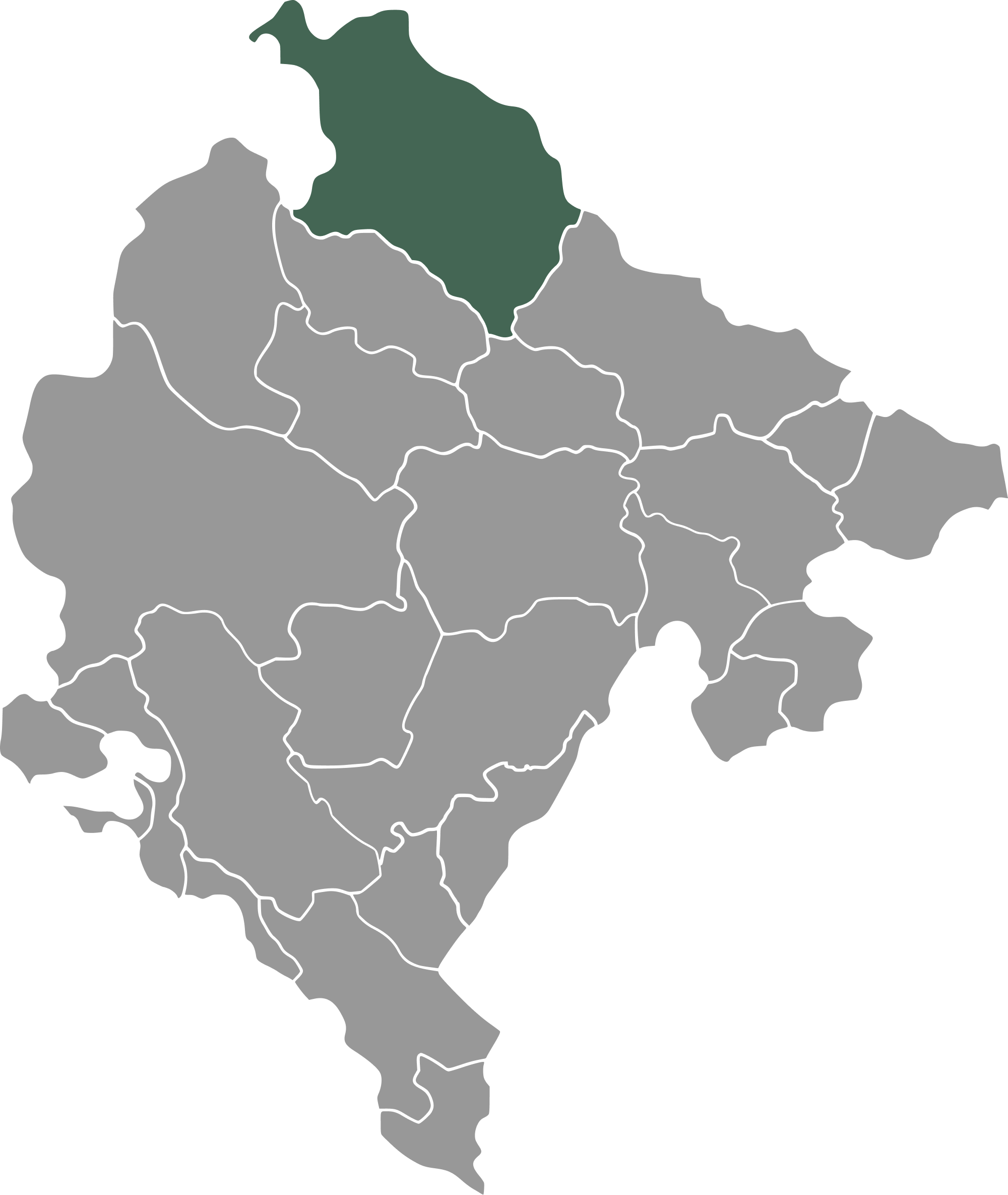
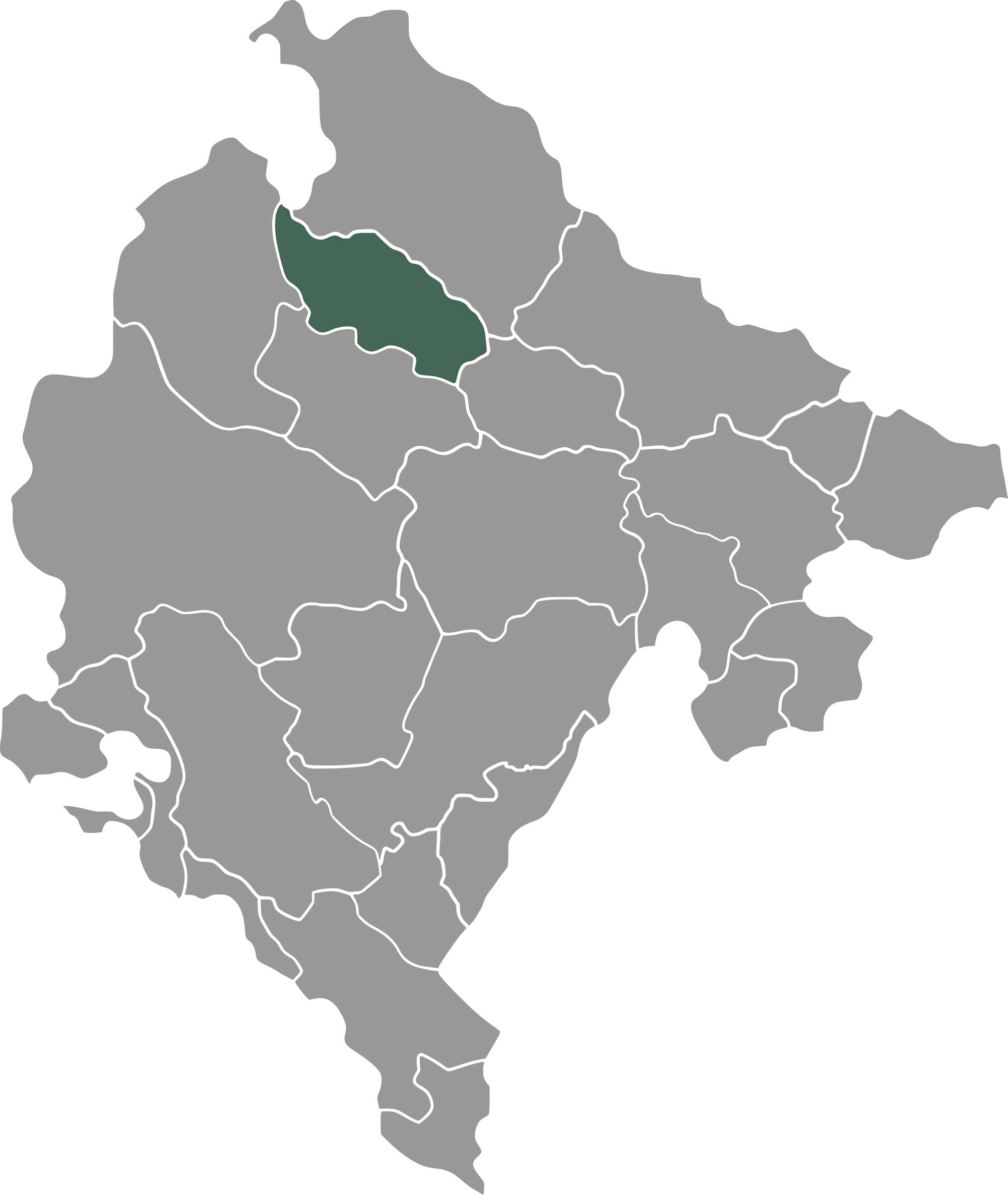
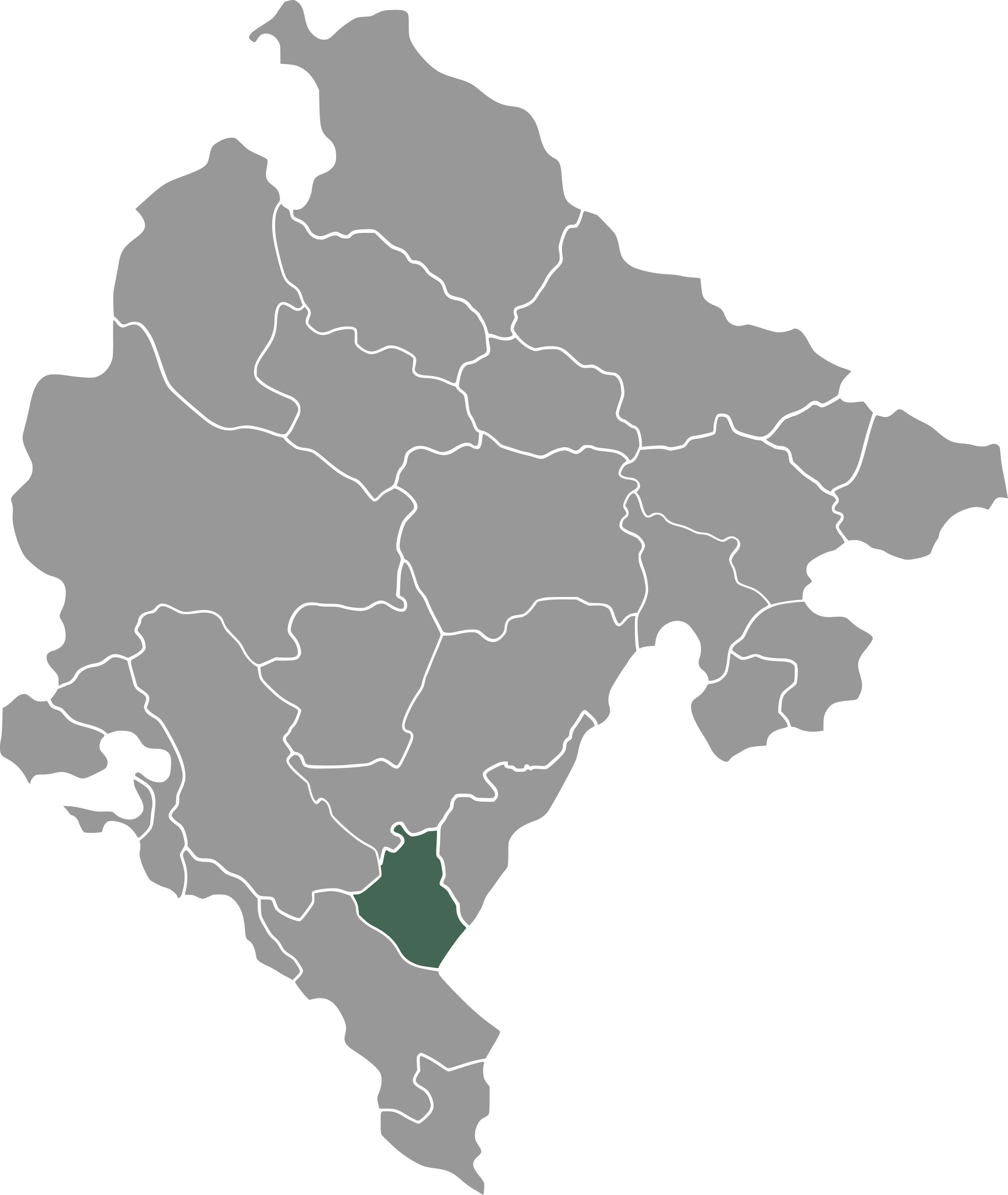
Rožaje is a town situated in the valley of the Ibar River, surrounded by the mountains Hajla, Ahmica, Turjak, and Štedim, which give it a distinctly alpine character. Located in the far northeast of Montenegro, it lies at the crossroads of routes leading toward Serbia and Kosovo. The municipality covers about 432 square kilometers and has roughly 25,000 inhabitants. The climate is fresh and mountainous, with long winters and mild summers.
The majority of residents are Bosniaks, followed by Albanians and Montenegrins. Tradition remains strong, religious life is vibrant, and the community is closely connected. Family values, customs, and hospitality form essential elements of local identity.
Rožaje’s economy is built primarily on the wood industry, forestry, and the processing of meat and dairy products. The town has a long-standing tradition of producing chairs, furniture, and timber. Agriculture is developed in rural areas, while mountain tourism is rapidly expanding thanks to the proximity of Hajla and its winter slopes.
An industrial zone at the entrance to the town provides space for the development of small and medium-sized enterprises. Border traffic and the town’s geographic position also create additional opportunities for trade and logistics.
The educational system in Rožaje includes several primary schools and the Rožaje Mixed Secondary School, the central secondary institution in the town. Rožaje is also home to the Mehmed Fatih Madrasa, one of the more prominent institutions of Islamic education in the region.
Teaching is conducted using modern methods, and schools bring together students from both the town and surrounding villages. Alongside formal education, cultural and sports activities play an important role in youth development and in strengthening the community.
A significant part of the cultural life is connected to the traditions of Sandžak. Events such as Culture Days, folklore festivals, and literary evenings gather citizens and artists alike. The Rožaje Cultural Center organizes concerts, exhibitions, and lectures. Rural fairs and family gatherings also remain an important part of local tradition.
Hajla is the symbol of Rožaje and one of the most beautiful mountains in the region. It offers hiking trails, scenic viewpoints, winter recreation, and vast areas of unspoiled nature.
Excursion spots such as Bandžov, Kučanska Korita, Ibarac, and Štedim are popular destinations for rest and outdoor activities. The Ibar River flows through the town, giving the landscape a distinctive charm. The forests surrounding Rožaje are rich with pine, fir, and mountain meadows.
Rožaje is connected by a main road leading toward Berane, Peja, and Novi Pazar. These routes open the town toward Montenegro, Kosovo, and the Sandžak region. Bus lines operate regularly in several directions, while nearby border crossings allow rapid transit of goods and passengers.
Mountaineering and skiing are the most prominent activities. Hajla provides excellent conditions for winter sports, ski touring, and freeride skiing. The town hosts sports clubs for football, basketball, martial arts, and athletics. Recreational athletes often use the natural trails around the town for running and cycling.
The planned Hajla–Štedim ski resort represents one of the most important mountain tourism projects in northeastern Montenegro. The complex will be located on the slopes of Mount Hajla in the Štedim zone and is designed as a modern winter center with ski slopes, lifts, tourist infrastructure, and year-round recreational facilities.
The project includes several kilometers of groomed slopes for skiing and snowboarding, as well as areas for hiking and outdoor recreation. Construction is planned to be completed by 2027, potentially positioning Rožaje as a significant winter tourism destination in the region.
Rožaje offers opportunities in the wood industry, tourism, trade, and small-scale manufacturing. Mountain tourism is the fastest-growing sector due to Hajla and winter sports. Property and land prices remain relatively affordable, and the industrial zone along the main road is well suited for investments in logistics, wood processing, and the food industry.
Its border location provides advantages for transport and trade.
Rožaje is worth visiting for Hajla, its snow-covered landscapes, peaceful mountains, and the distinctive charm of Sandžak. Visitors can enjoy nature, homemade cuisine, fresh mountain air, and the warm hospitality characteristic of the region. Rožaje offers a blend of tradition, active leisure, and untouched nature.
Rožaje is a place for those seeking a secure and closely connected environment with a strong sense of belonging and immediate access to the mountains. Life here is calm and centered around family and community. Neighborhoods function harmoniously, urban facilities and services are accessible, and nature is always nearby.
Winters are long and snowy, giving everyday life the steady rhythm of a mountain town.
View listings in Rožaje