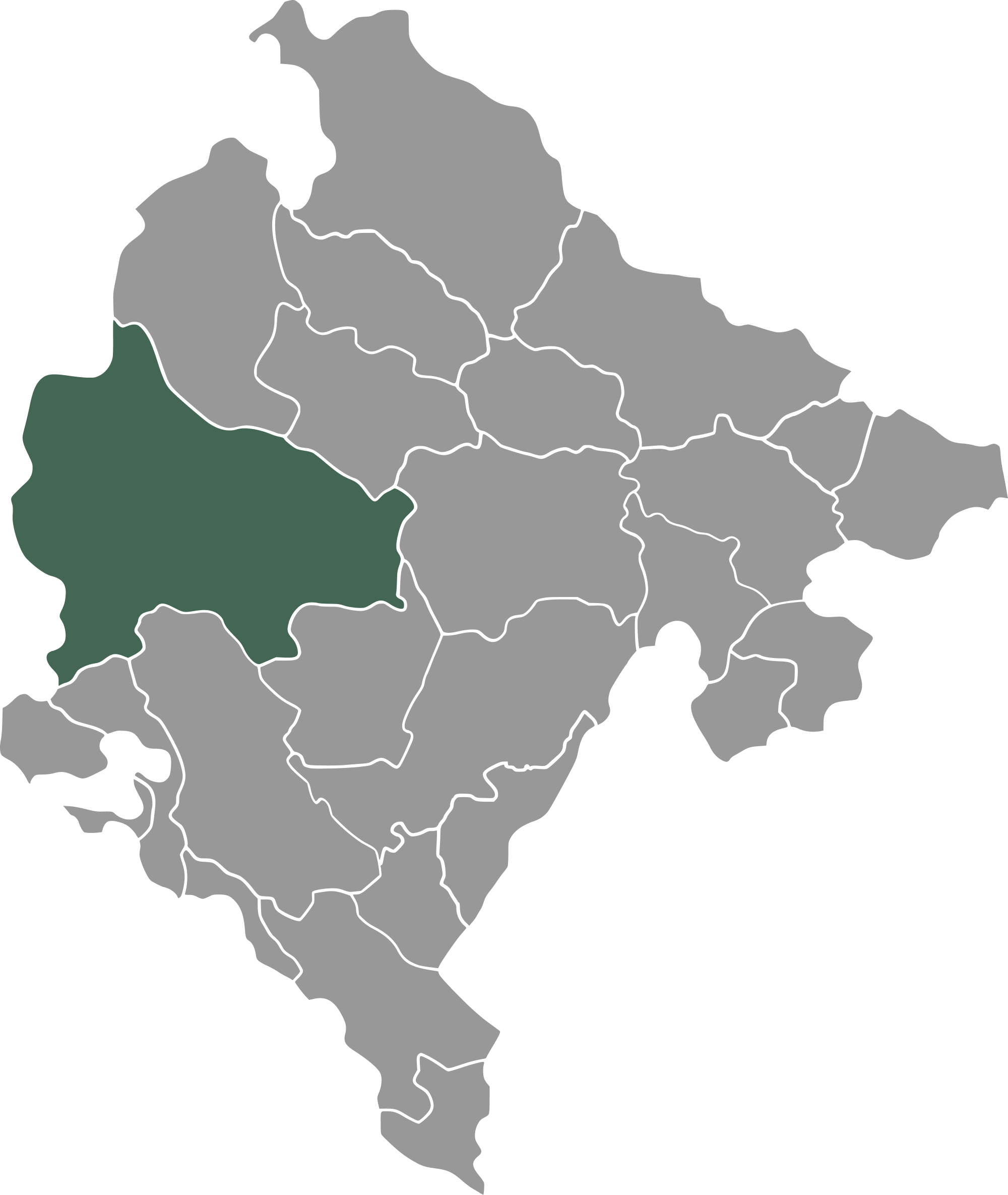
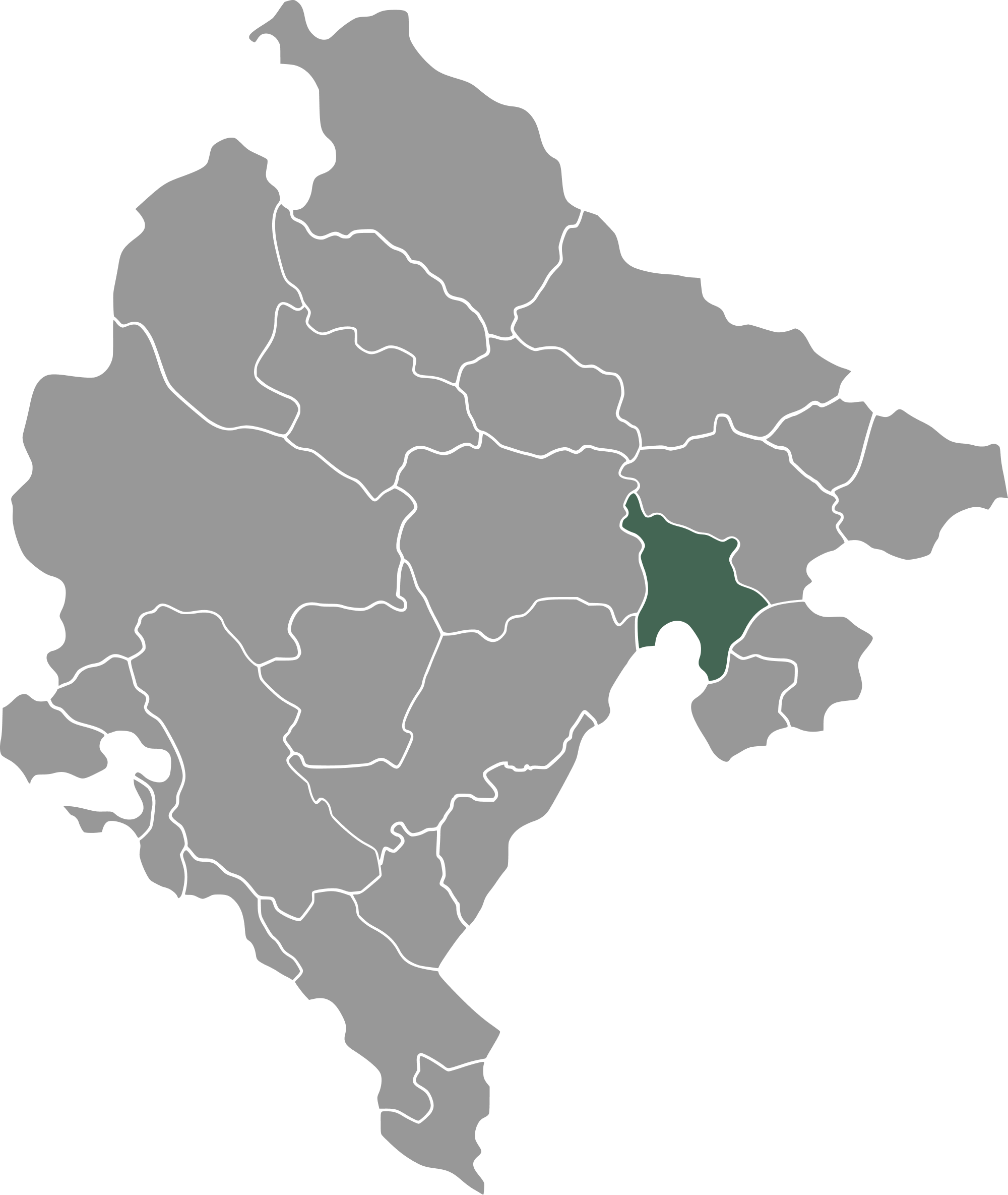
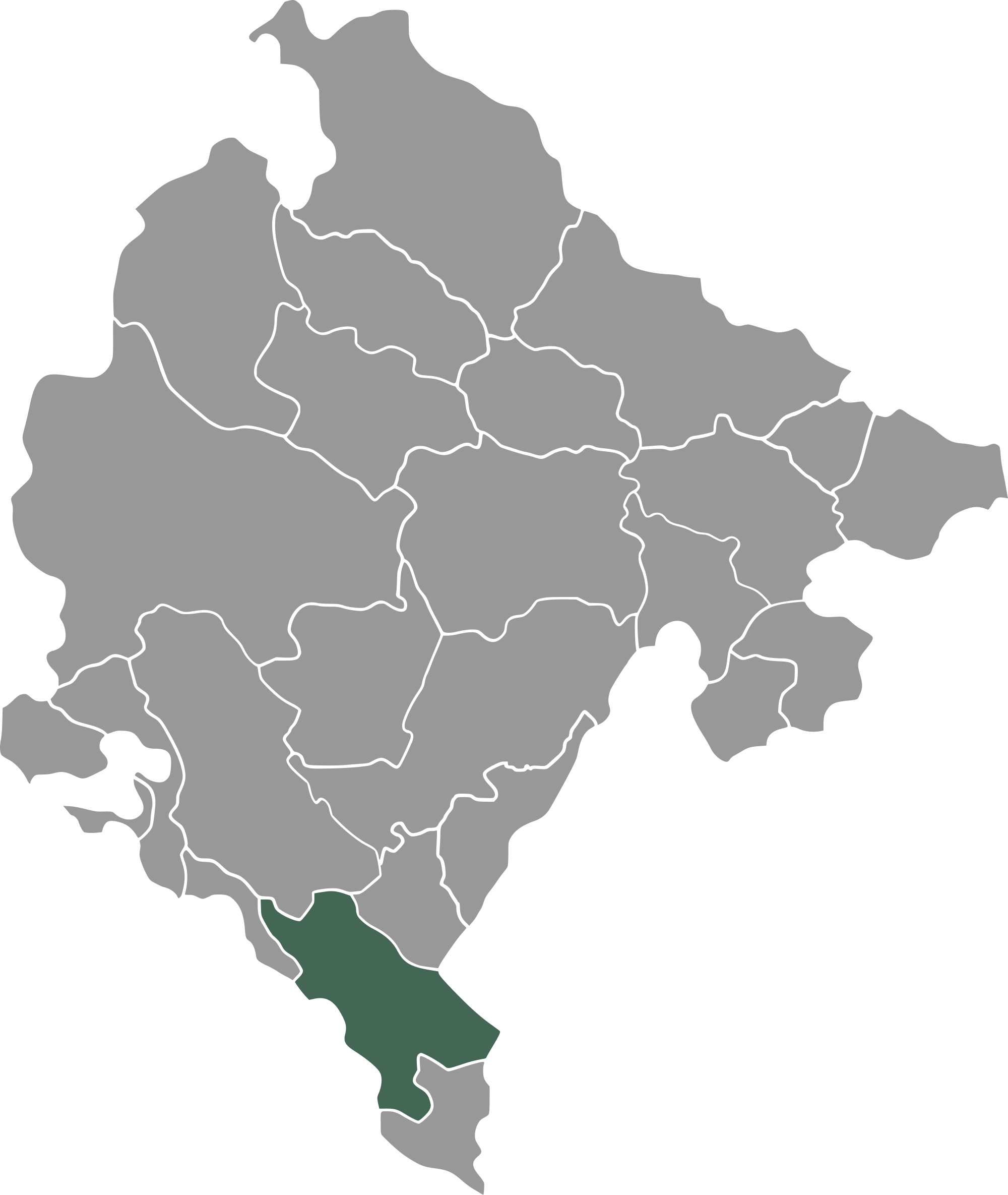
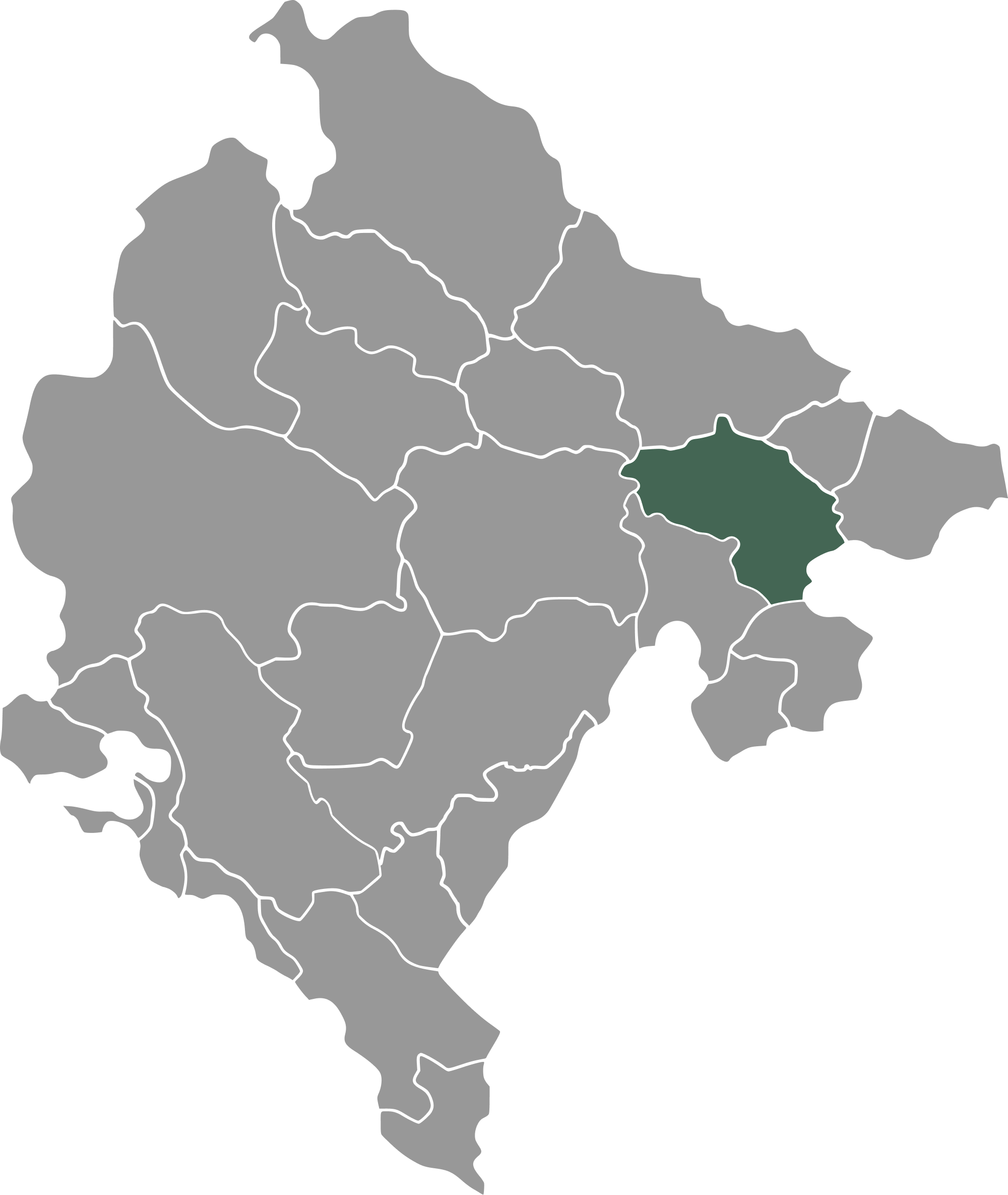
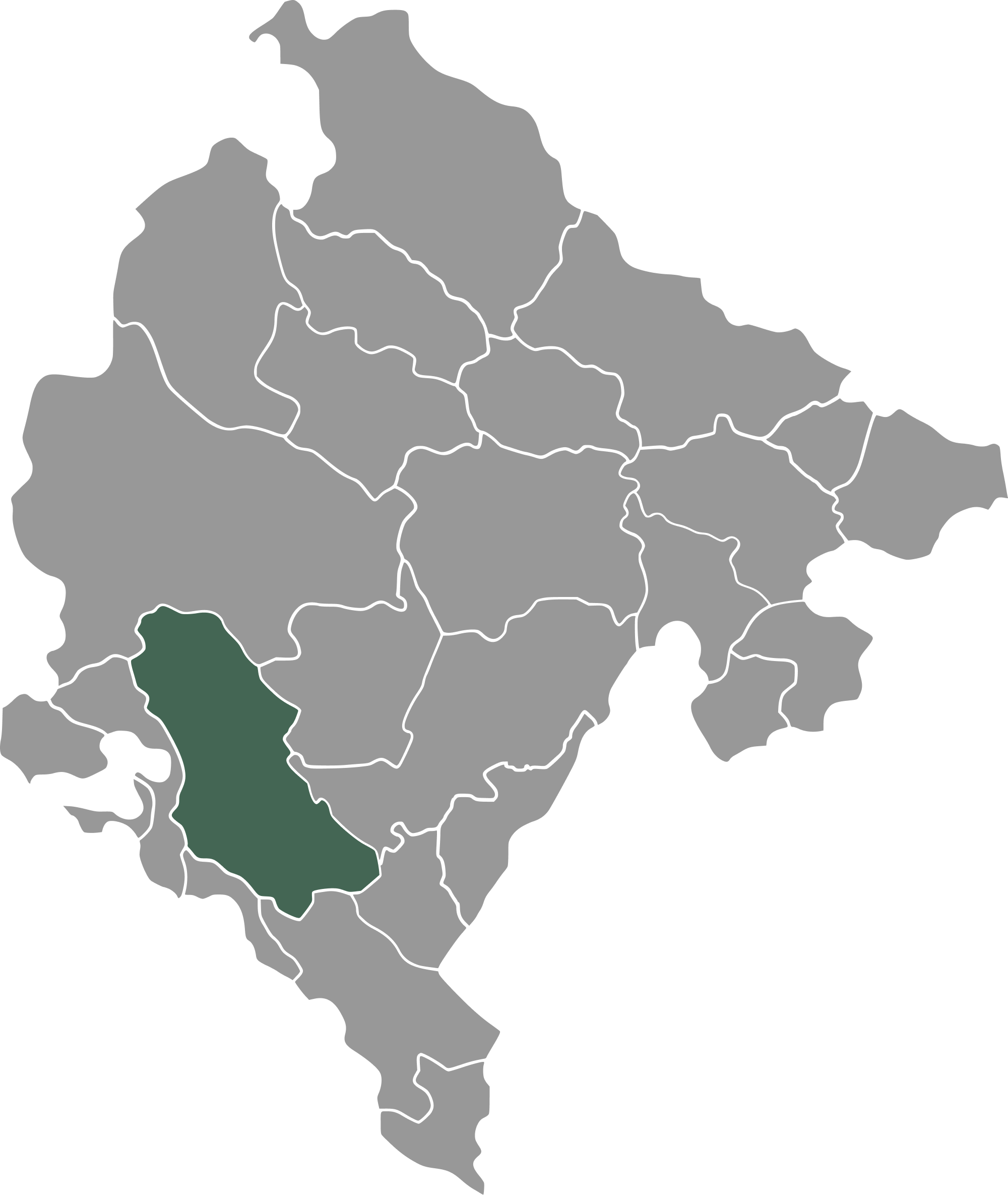
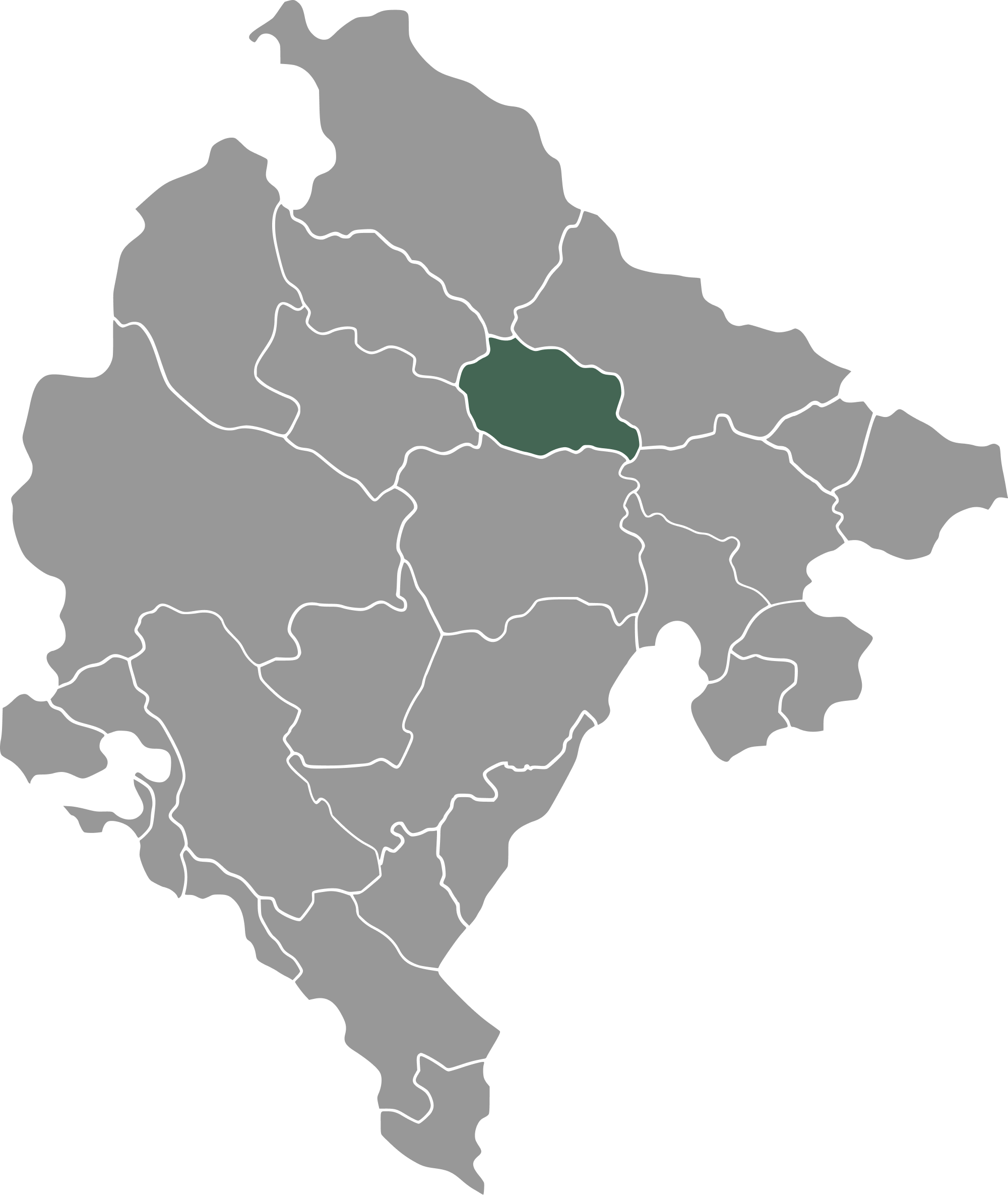
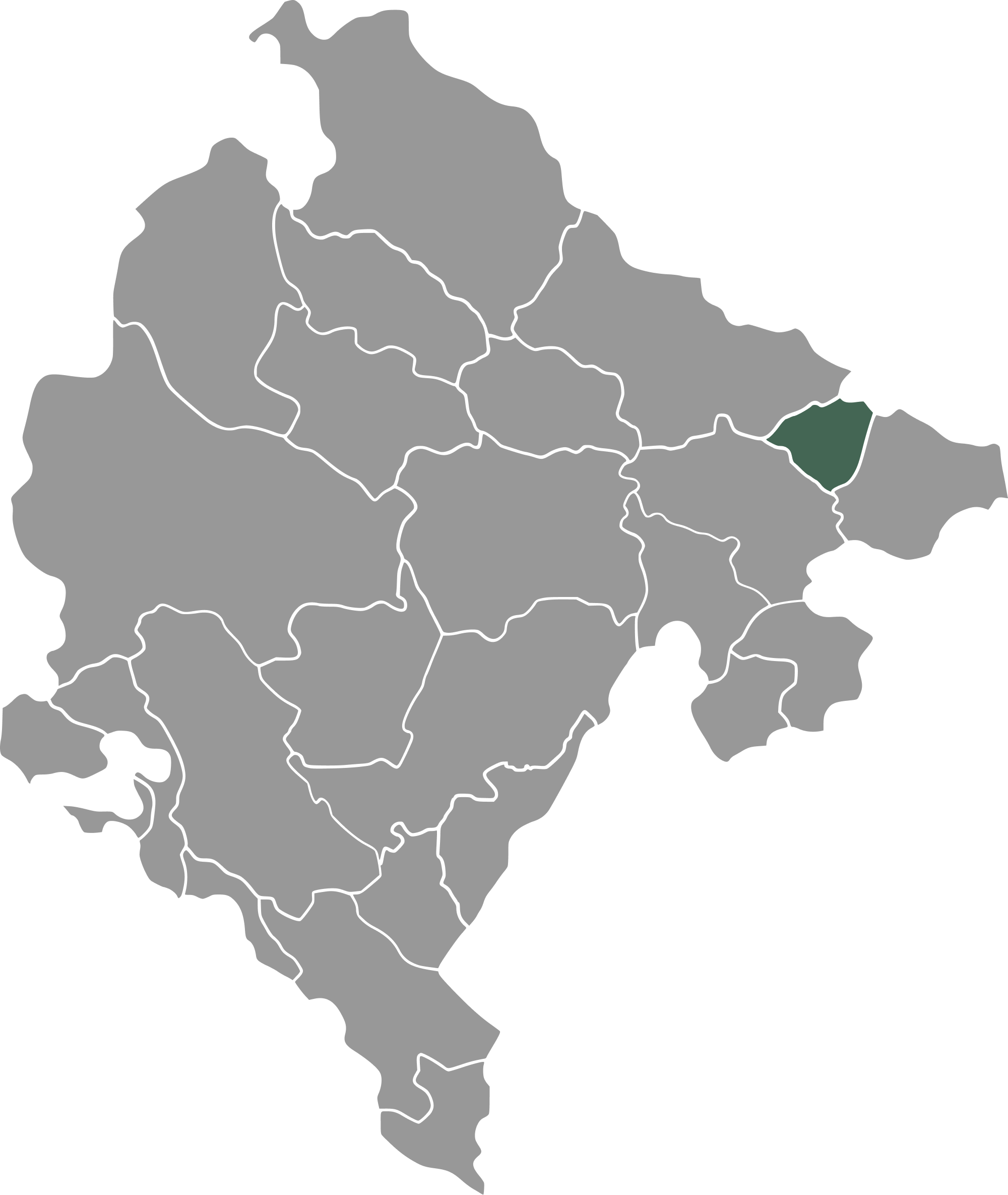
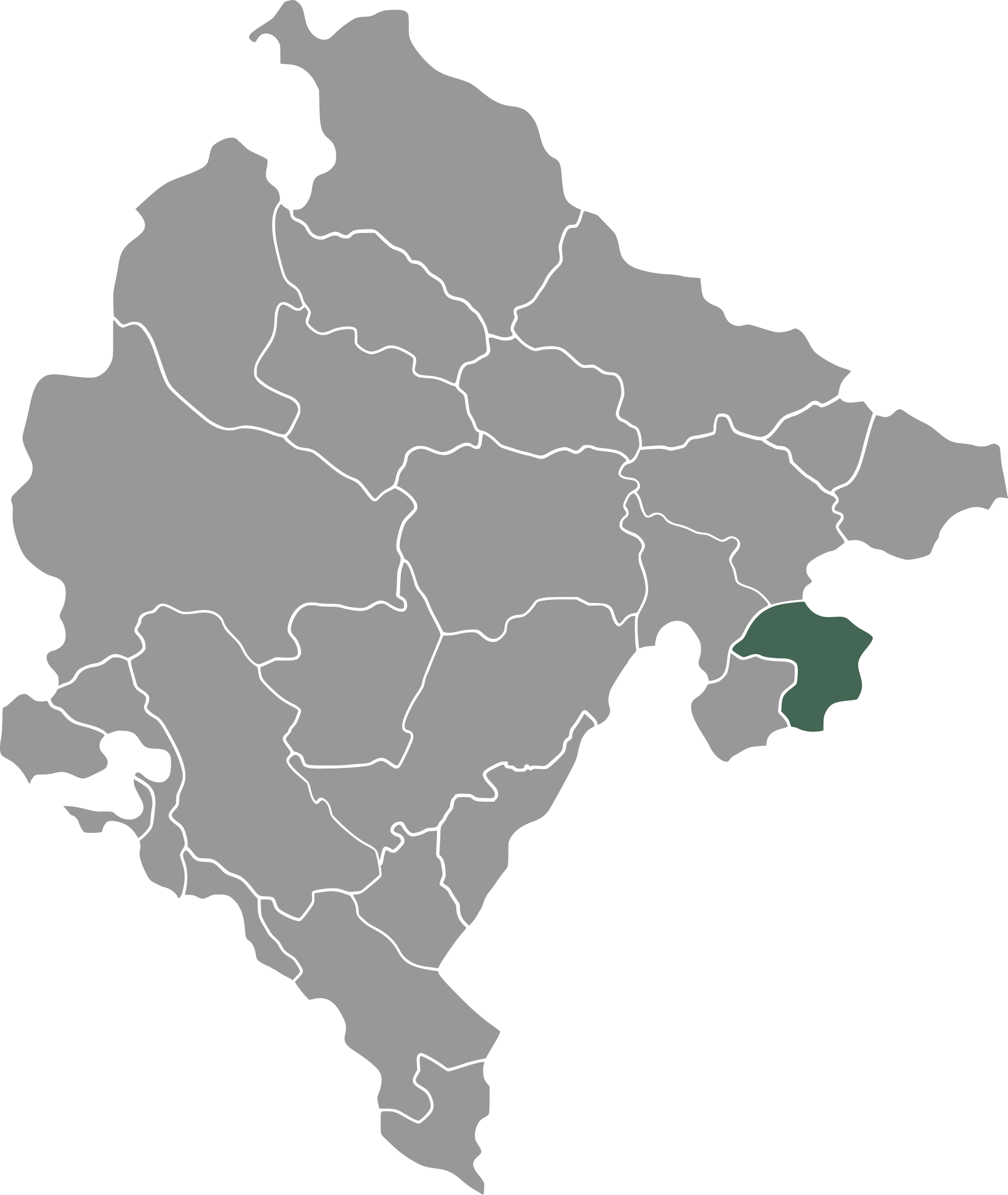
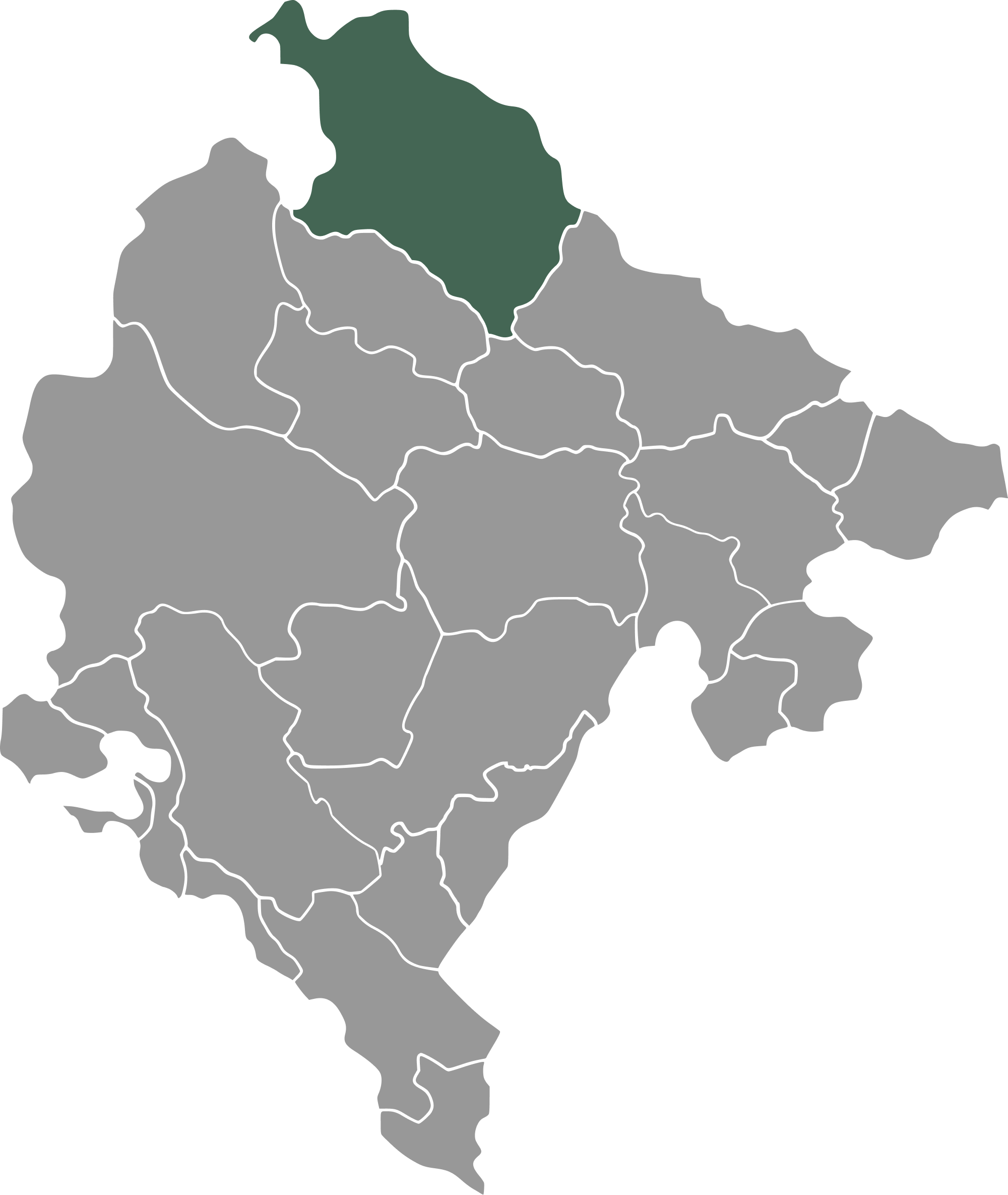
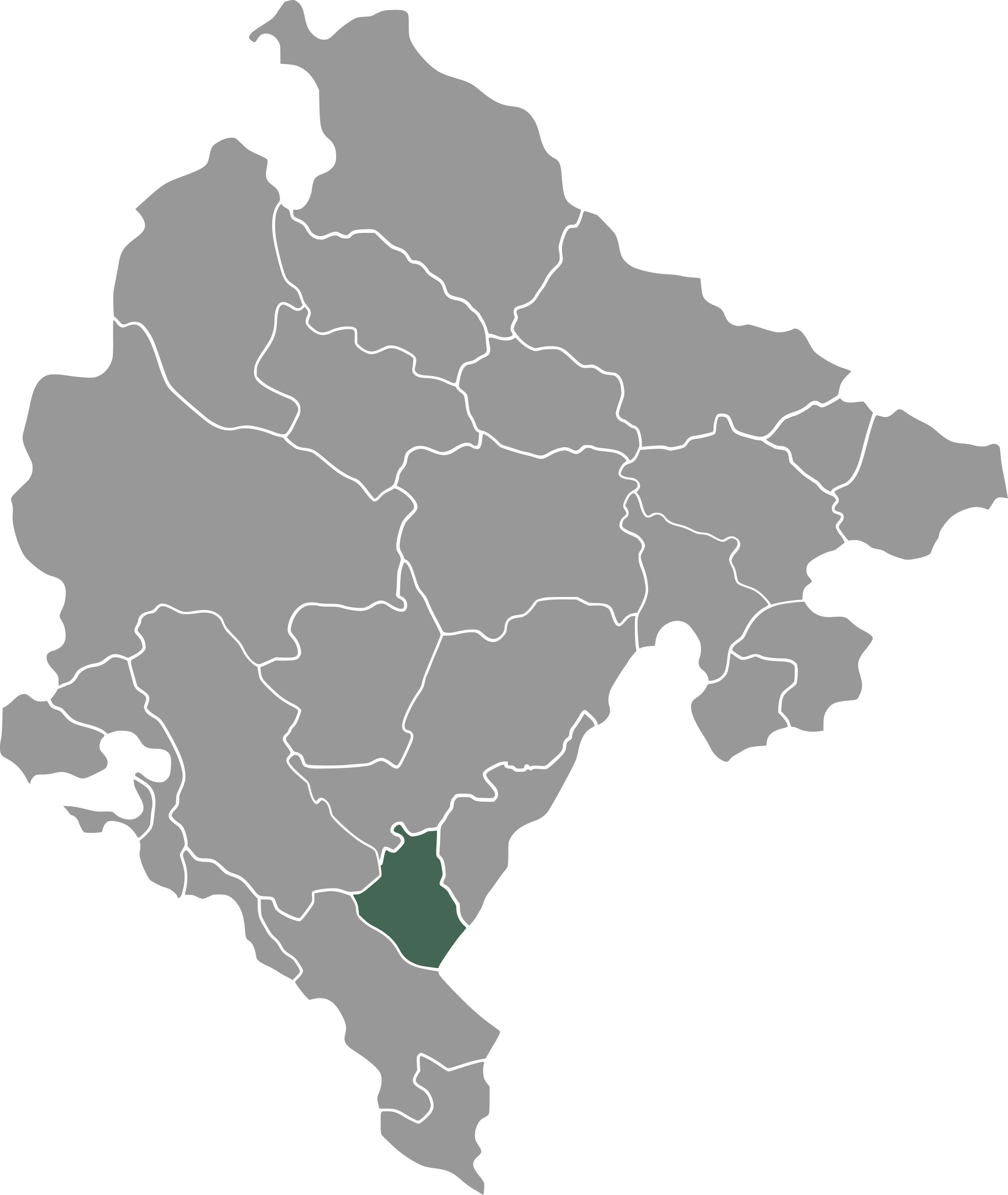
Nikšić has a rich historical foundation that stretches from medieval Onogošt to its development as a modern urban and industrial centre, which is why heritage, contemporary life, and a strong work ethic coexist here so naturally.
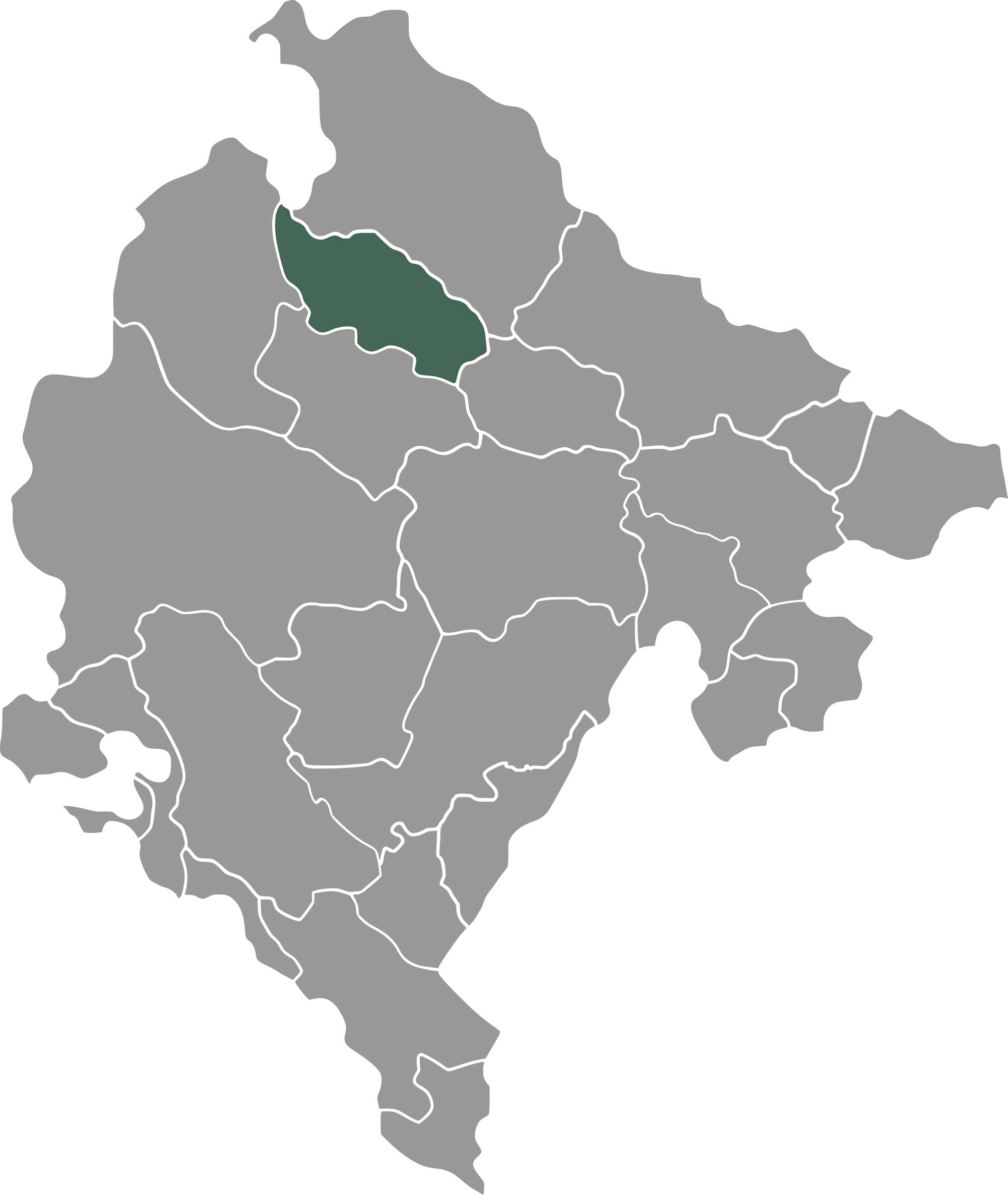
By population, Nikšić is the second largest municipality in Montenegro. It is known for its natural beauty, its lakes, mountains, and peaceful surroundings. The city also stands out for its urban layout, with broad streets, spacious squares, and open areas that give it a sense of expansiveness and a more tranquil pace of life.
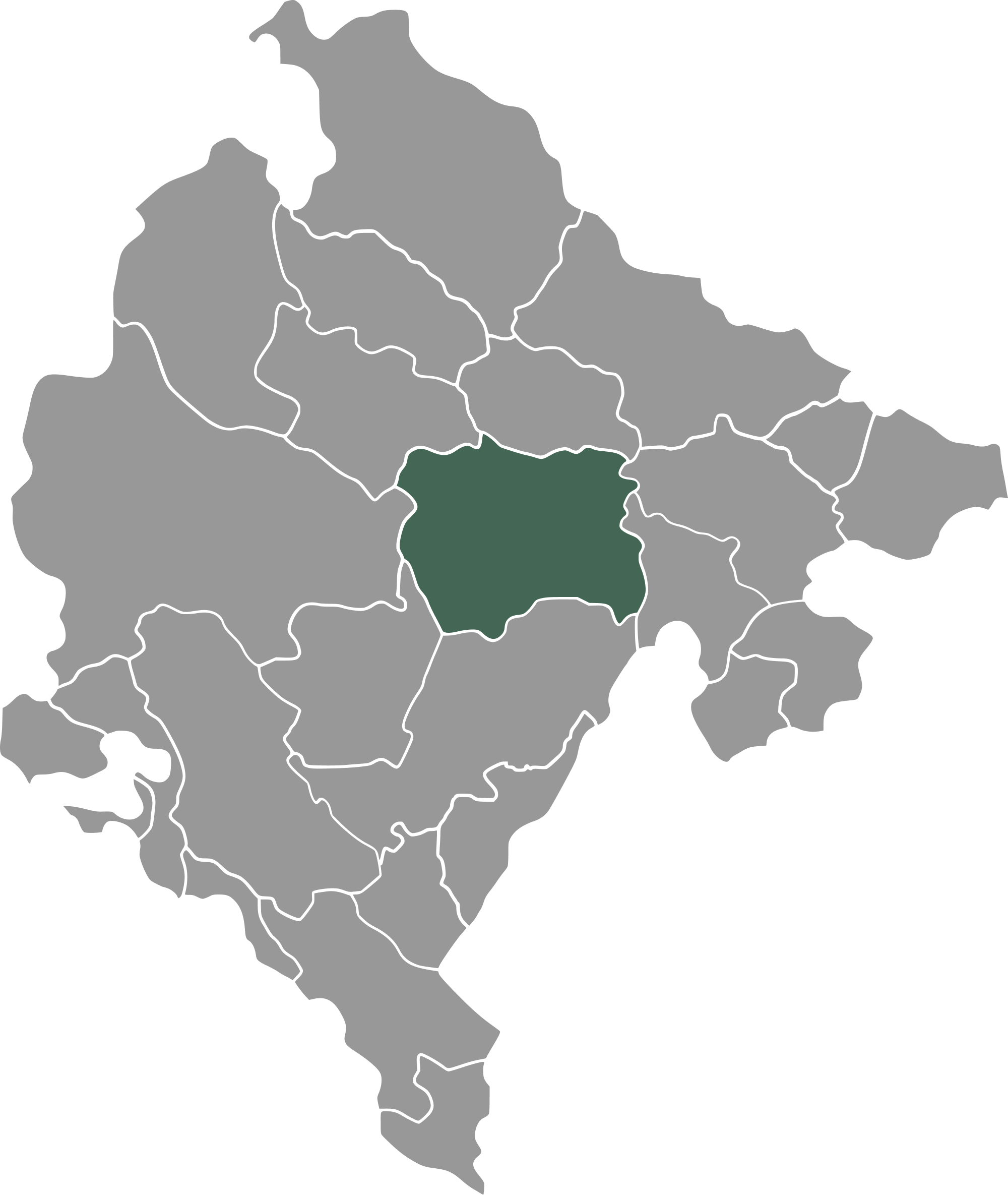
The city lies in the Nikšić Župa area at an altitude of around 600 metres above sea level. It covers more than 2,000 square kilometres and has approximately 65,000 inhabitants. It is surrounded by the mountains Trebjesa, Vojnik, Krnovo, and Lukavica, which, together with Lakes Krupac, Slano, and Vrtac, make Nikšić one of the most beautiful and distinctive inland cities in Montenegro.
The population consists mainly of Montenegrins and Serbs, alongside minority communities. Nikšić is recognised for its working class tradition, cultural heritage, and distinctive local spirit. The Orthodox community is the largest, though other faiths are also present. The city takes pride in the historical figures, writers, painters, and musicians who have left a lasting mark on Montenegrin culture.
Nikšić is the industrial heart of the country. The city has a long tradition of metallurgy, mining, and energy production. The steelworks, brewery, quarries, wood processing plants, and food factories form the backbone of its economy. The development of business zones, its proximity to the border with Bosnia and Herzegovina, and a well connected transport network are increasingly attracting investors. Tourism is also growing thanks to the lakes, mountains, and cultural and historical sites.
Nikšić is a city with a strong educational tradition and a pronounced student spirit. Alongside its network of primary and secondary schools, it is home to important higher education institutions of the University of Montenegro, including the Faculty of Philology, the Faculty of Philosophy, and the Faculty for Sport and Physical Education. It is precisely this combination of schooling, academic life, and younger generations that gives the city a special energy and contributes to its cultural identity.
The presence of students and the academic community adds vitality to the city’s cultural and social life.
Nikšić has a vibrant cultural scene. Its theatre, galleries, and cultural centre host concerts, exhibitions, and festivals throughout the year. Lake Fest, held at Krupac, brings together musicians from across the region. Bedem Fest, staged on the walls of the old town, offers a truly distinctive atmosphere. Book days, art colonies, and theatre showcases further enrich the life of the city. Nikšić is also well known for its strong musical tradition and its well-known artists.
Lakes Krupac, Slano, and Vrtac offer opportunities for swimming, kayaking, fishing, and leisurely walks by the water. Trebjesa is the city’s green oasis, ideal for recreation and strolling. Vojnik and Kapino Polje provide hiking trails and scenic viewpoints. The Nikšić Župa, with its vineyards and rural households, offers a rustic and welcoming setting. The monasteries of Ostrog and Župa, as well as the old town of Onogošt, add historical depth to the area.
Nikšić is connected by major roads to Podgorica, Danilovgrad, Šavnik, and the border with Bosnia and Herzegovina.
A modernised railway links it with the capital, while Podgorica Airport is about an hour away by car. Bus lines connect Nikšić with the larger cities of the country and the wider region.
Sport is an important part of the city’s identity. FK Sutjeska is one of the most successful football clubs in the country. Basketball, handball, athletics, and martial arts all have a long tradition here. Sports centres, playing fields, and recreational areas throughout the city support an active lifestyle. The lakes and mountains also provide excellent conditions for cycling, running, swimming, and hiking.
Nikšić offers a wide range of investment opportunities. Its industrial zones and available infrastructure are well suited to manufacturing, logistics, and processing industries. Property prices are more affordable than on the coast or in Podgorica. There is strong demand for commercial premises, apartments for workers, and real estate near the lakes. The growth of tourism is opening space for the development of small hotels, rural households, and recreational facilities.
Stable local demand and the city’s industrial character guarantee the long term sustainability of investment. Although Nikšić is widely recognised for its strong industrial tradition, its contemporary development increasingly includes the service sector, tourism, small and medium sized enterprises, and new forms of investment.
In short, for its lakes, mountains, festivals, and authentic local atmosphere. The city offers visitors a rich and varied experience, a blend of industrial heritage, nature, and culture. In a single day, it is possible to walk through Trebjesa, head out to Krupac, explore the city centre, and enjoy an evening out in the main square or in one of the local cafés and taverns.
A special value of Nikšić lies in its clear tourism potential, reflected in its proximity to lakes, mountain landscapes, cultural and historical landmarks, and well known events. It is precisely this combination of active recreation, cultural offerings, and a relaxed urban atmosphere that makes Nikšić attractive for day trips, event tourism, and increasingly for longer stays. For that reason, it is a good choice both for those seeking peace, nature, and authenticity, and for those who want a more dynamic holiday filled with events and exploration of the surrounding area.
Life here is calm, simple, and shaped by local customs. The city offers broad streets, spacious squares, closeness to nature, and a steady everyday rhythm. The people are sociable, and life moves in tune with the seasons, working habits, and cultural events. Thanks to its proximity to nature, accessible amenities, and gentler pace, Nikšić is also well suited to family life, education, and a daily routine free from the pressure and haste of big city living.
Nikšić is a city that brings together tradition, work, and a natural setting into a distinctive whole. Added to this is its recognisable local atmosphere, its sense of warmth and immediacy, and the hospitality for which Nikšić has long been known.
View listings in Nikšić